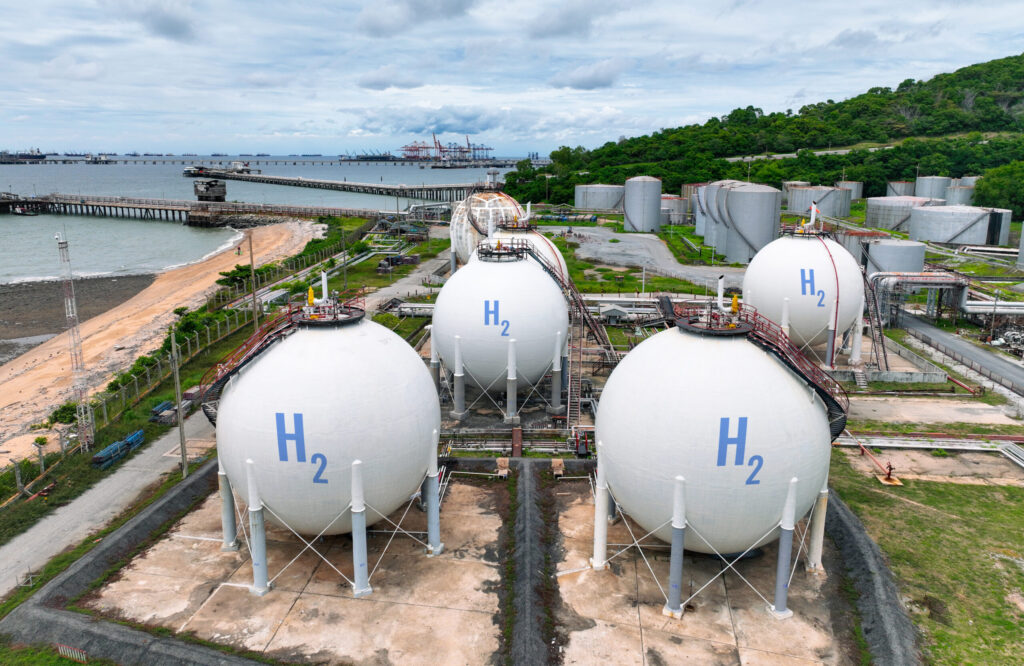
Bolivia recently kicked off its first green hydrogen project in Oruro, Tarija, and Santa Cruz. This is part of a larger national goal to diversify its energy mix and enter the global low-carbon hydrogen market. This includes a 2 MW electrolyzer in Oruro that will produce hydrogen using solar-powered electrolysis and blend it with natural gas in industrial and residential applications. Hydrogen is critical to decarbonization methods in industry, transportation, and energy. This program contains 2 MW electrolyzers in Oruro that split water into hydrogen and oxygen using solar-generated renewable electricity. Blending hydrogen with natural gas for domestic usage will help to cut carbon emissions in heating and production. This also demonstrates Bolivia’s first step toward renewable-based hydrogen, exploiting its great solar potential in the Andean region. Formed wire deadends are crucial for the structural integrity, safety, and longevity of the project’s support systems.
The development of green hydrogen in Bolivia presents prospects for decarbonization, energy security, and technological transfer. Formed wire dead-ends are used in renewable energy infrastructure such as wind turbine guying and solar panel mounting systems. The wire deadends anchor corner and end poles and secure guy wires for poles, ensuring a consistent and uninterrupted flow of electricity. This is critical to supporting the transmission lines that transport power from solar and wind farms to the electrolyzer plant, which is supported by poles. Supporting pipes and conduit racks within the electrolyzer with formed wire deadends reduces sway and failure. This is because the racks need bracing with man wires terminated at the deadends. The spiral design absorbs and dampens vibrations, preventing metal fatigue and failure. in termination systems.
Formed wire deadends in Bolivia’s green hydrogen projects
Using formed wire deadends in green hydrogen projects demonstrates the significance of specialist transmission hardware in the energy transition. Formed wire deadends provide mechanical stability, electrical efficiency, and secure conductor termination. They promote the dependable operation of renewable energy systems. The dead ends provide for reliable supply of solar-generated electricity to electrolyzers and blending plants. The following are the purposes of created wire deadends in green hydrogen infrastructure.
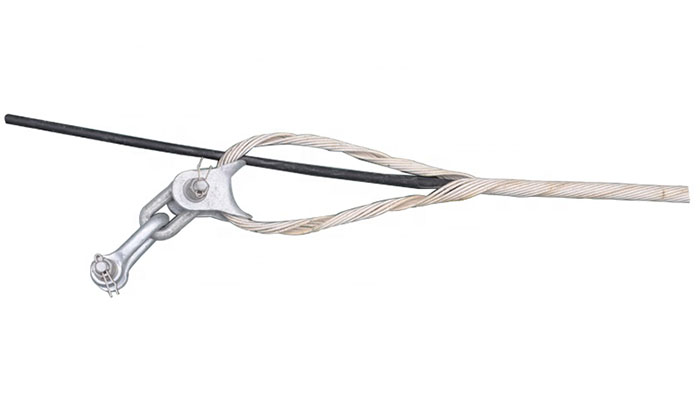
- Securing overhead conductors for renewable powers—the Oruro electrolyzer depends on solar power for hydrogen production. Formed wire deadends terminate solar farm transmission and distribution lines. They ensure conductors are safely anchored to poles, crossarms, or substation equipment.
- Maintaining mechanical stability—formed wire deadends distribute mechanical stress along the conductor. It reduces strain at termination points and prevents line breakage. This enhances line reliability, which is crucial for continuous hydrogen production.
- Supporting grid integration of hydrogen facilities—green hydrogen plants need consistent power for electrolysis and supply electricity back to the grid. Formed wire deadends ensure secure electrical connections at substations and transmission tie-in points.
- Reducing electricity losses—formed wire deadends reduce hotspots and electrical losses by providing a tight, low-resistance grid on conductors. This is crucial for hydrogen plants, where efficiency in renewable power use affects hydrogen production costs.
- Ensuring safety and reliability—the deadends support the reliable overhead distribution of efficiency that powers electrolyzers, compressors, and blending stations.
The importance of green hydrogen projects in Bolivia’s energy sector
Bolivia’s green hydrogen initiatives offer both a domestic energy revolution and a strategic entry into the developing global hydrogen market. Integrating renewable energy helps to decarbonize its domestic energy system. Its relevance is dependent on Bolivia’s capacity to diversify its energy mix, use solar potential, decarbonize vital sectors, and provide economic opportunities. Its relevance encompasses:
- Energy mix diversification—green hydrogen introduces a new renewable-based energy vector to reduce dependence on fossil fuels. This strengthens energy security and prepares Bolivia for a low-carbon future.
- Renewable energy potential—use of solar power for hydrogen production changes Bolivia’s natural endowment into a strategic asset.
- Decarbonization of industry and residential sectors—the Oruro electrolyzer project blends hydrogen with natural gas for industrial applications. This cuts carbon intensity, contributing to Bolivia’s climate commitments.
- Support for gas sector transformation—blending hydrogen into natural gas pipelines allows a gradual decarbonization of its existing gas infrastructure. This protects gas infrastructure investments for a cleaner energy future.
- Market integration—the green hydrogen market is growing, with demand rising from Europe and Asia. The project allows Bolivia to join international supply chains.
- Economic opportunities—green hydrogen projects create new jobs, foster technology transfer, and build local expertise in electrolyzers and renewable integration.