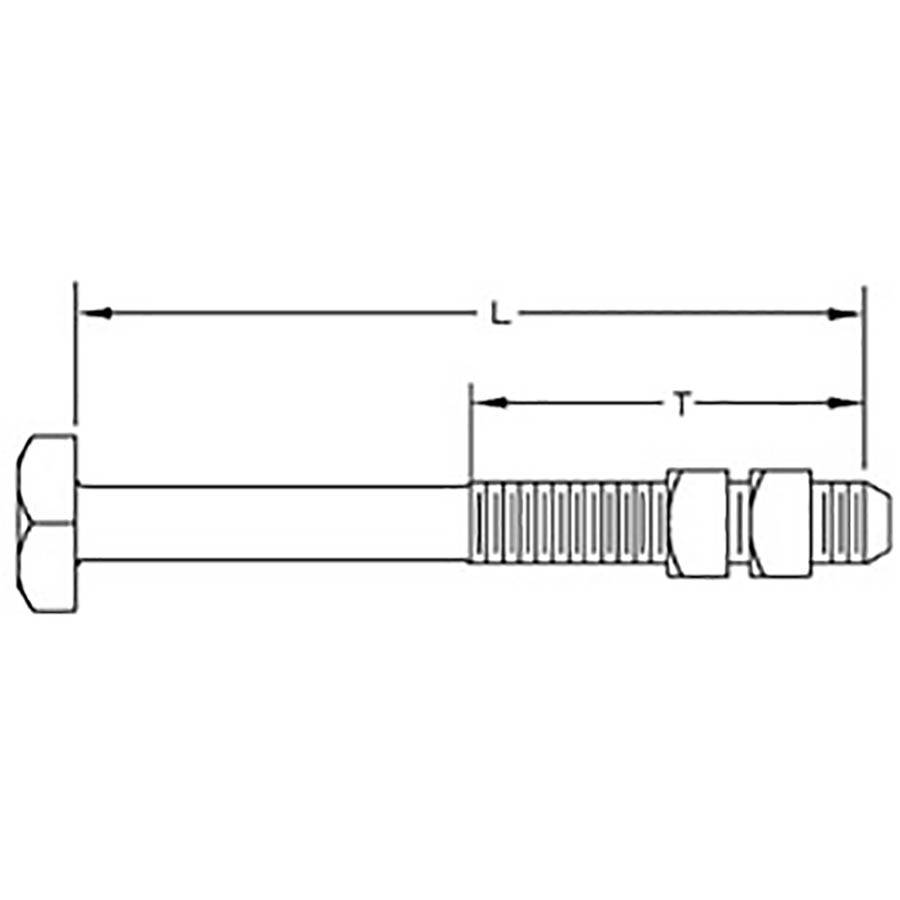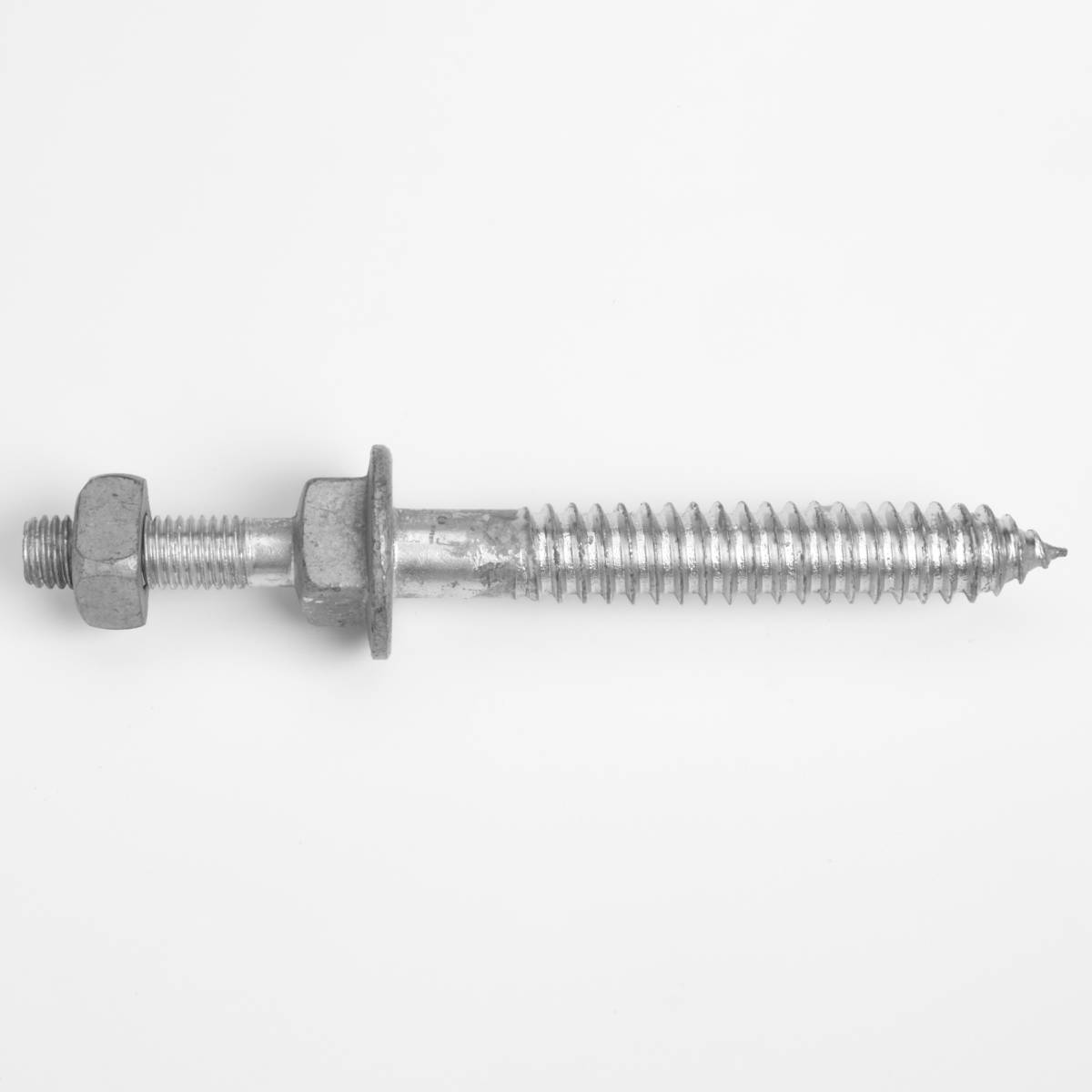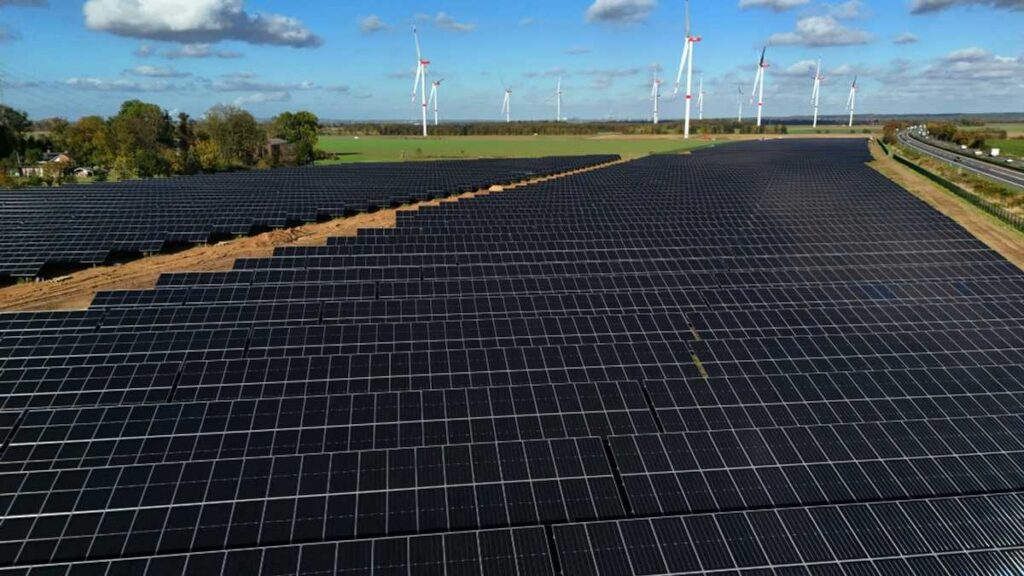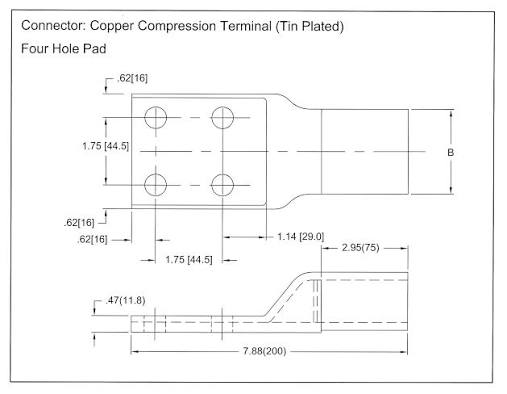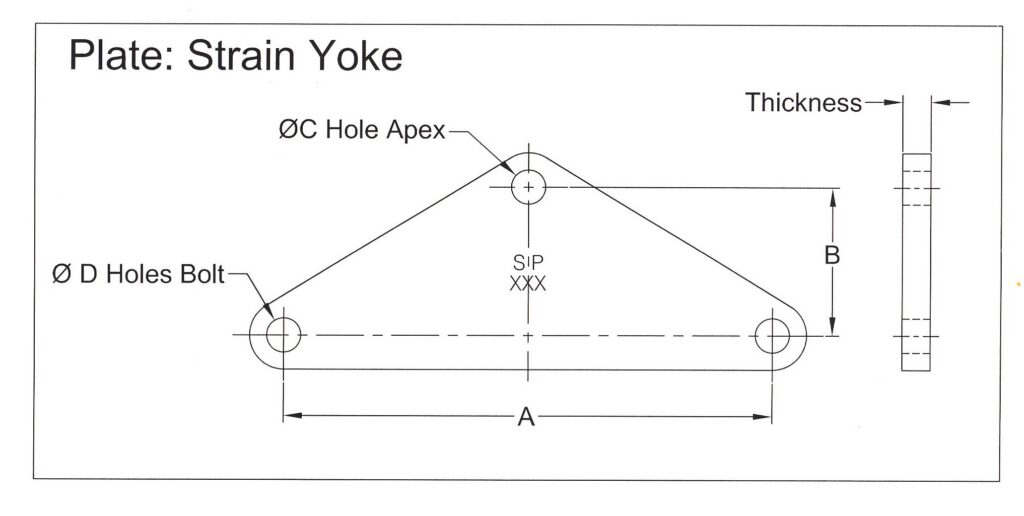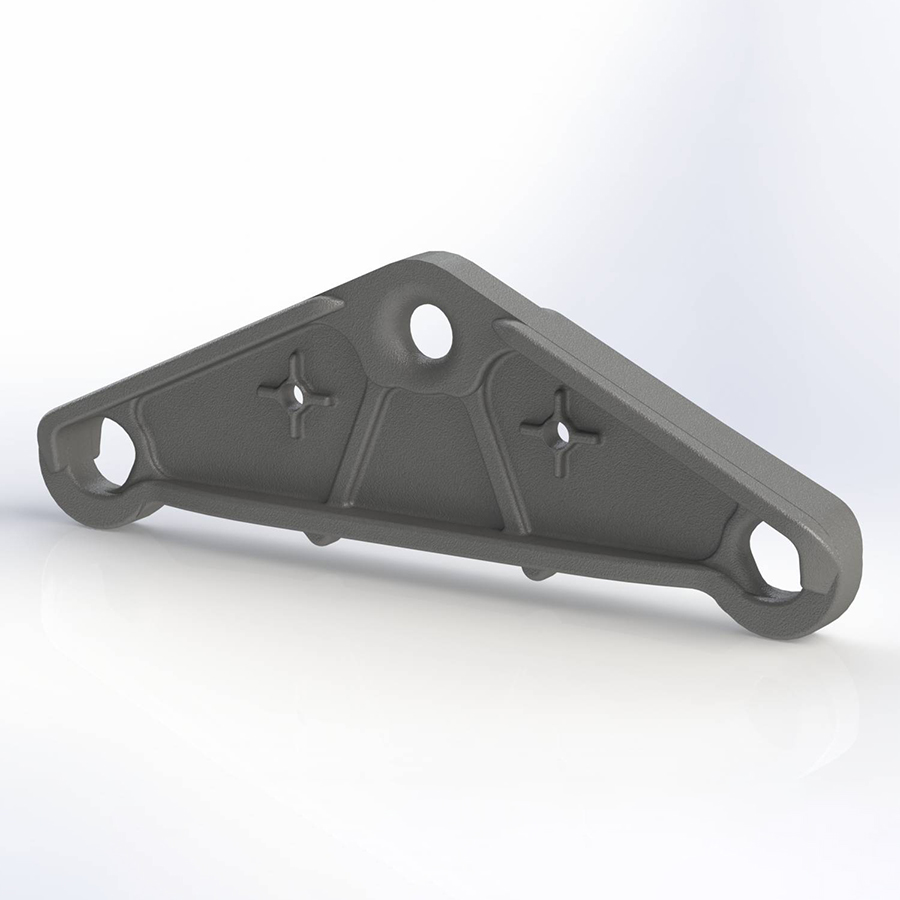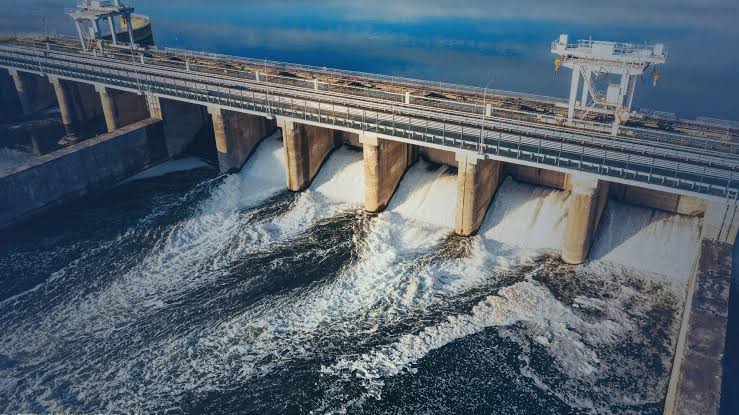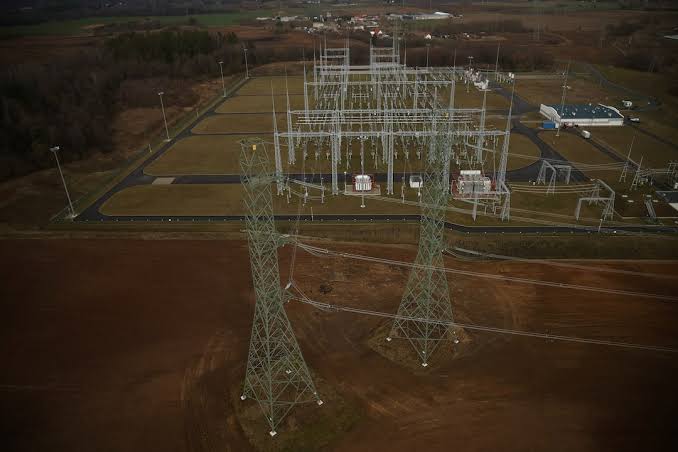
The Peruvian government has resumed talks with Chile, proposing a 1GW bidirectional power interconnection between Montalvo in Peru and Kimal in Chile. The 500 kV link would allow for exchanges of 3.6-5.7 TWh per year. The development of the $550 million project is contingent on technical, regulatory, and commercial agreements between the two countries. Chile has strong sun and wind resources, but Peru relies on hydropower, natural gas, and rising renewable generation. These generation profiles provide chances for complementary power trading. They can help to improve supply flexibility, lower generation costs, and increase renewable energy use. This link will need more than just high-voltage transmission cables. The infrastructure must support reliable power transfer, controlled system operation, fault isolation, and coordinated maintenance across the national grids. The overhead line would carry conductors, insulator strings, trunnion suspension clamps, and yoke plates. These must withstand mechanical loading, wind, temperature variations, and local environmental conditions. Operators and manufacturers must ensure quality assurance to reduce failures.
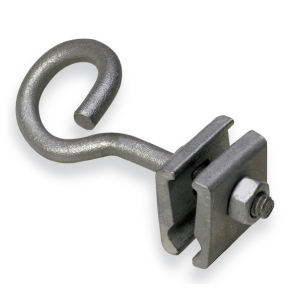
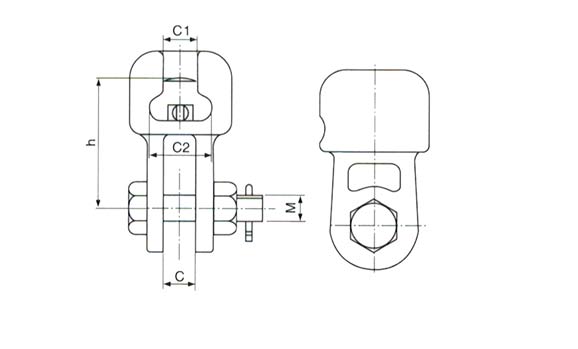
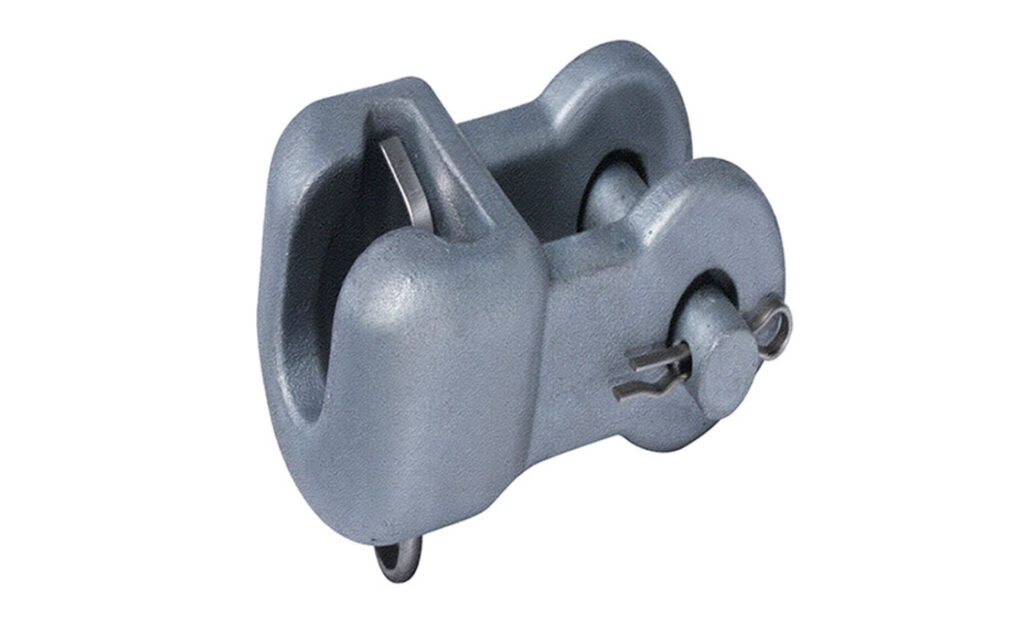
Trunnion suspension clamps in transmission infrastructure help to reduce bending strain at the conductor connection locations. They use specifically developed rubber and steel bushings to release stress, hence reducing bending strain. The clamps support conductor suspension on standard tangent towers, which bear the vertical stress. Trunnion suspension clamps suspend the line, allowing for mobility while also protecting the conductor and tower from environmental influences. They also grab the conductor and attach it to the insulator string. Some suspension clamps feature stress-relief bushings, eliminating the need for armor rods or line protectors at the attachment site. They maintain mechanical integrity even when the conductors operate at elevated capacities.
Quality assurance for trunnion suspension clamps used in Peru-Chile grid interconnection infrastructure
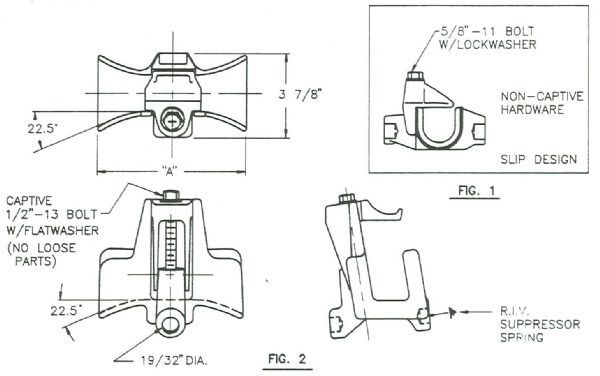
Trunnion suspension clamps support overhead conductors at suspension locations while allowing for specific conductor movement and loading circumstances. Their quality impacts conductor stability, mechanical load distribution, resistance to environmental degradation, and transmission line reliability. Inadequate clamp quality may cause conductor damage, greater maintenance requirements, or transmission outages. An effective quality assurance method is essential for trunnion suspension clamps used in high-voltage transmission lines. The quality assurance process includes material selection, manufacturing procedures, mechanical performance, dimensional accuracy, corrosion protection, and installation. Quality inspectors should check the clamp body dimensions, trunnion diameter, bolt-hole spacing, and corrosion resistance. The manufacturers should also offer records that ensure the suspension fittings perform according to their design requirements.
The impact of trunnion suspension clamps in grid interconnection architecture
The proposed 1 GW, 500kV power interconnection between Peru and Chile might boost cross-border electricity trade, improve system flexibility, and help to integrate renewable energy sources. Trunnion suspension clamps in this infrastructure support overhead conductors, maintain stable suspension points, and enable transmission lines withstand operational and environmental loads. The suspension clamps provide the following benefits to infrastructure.
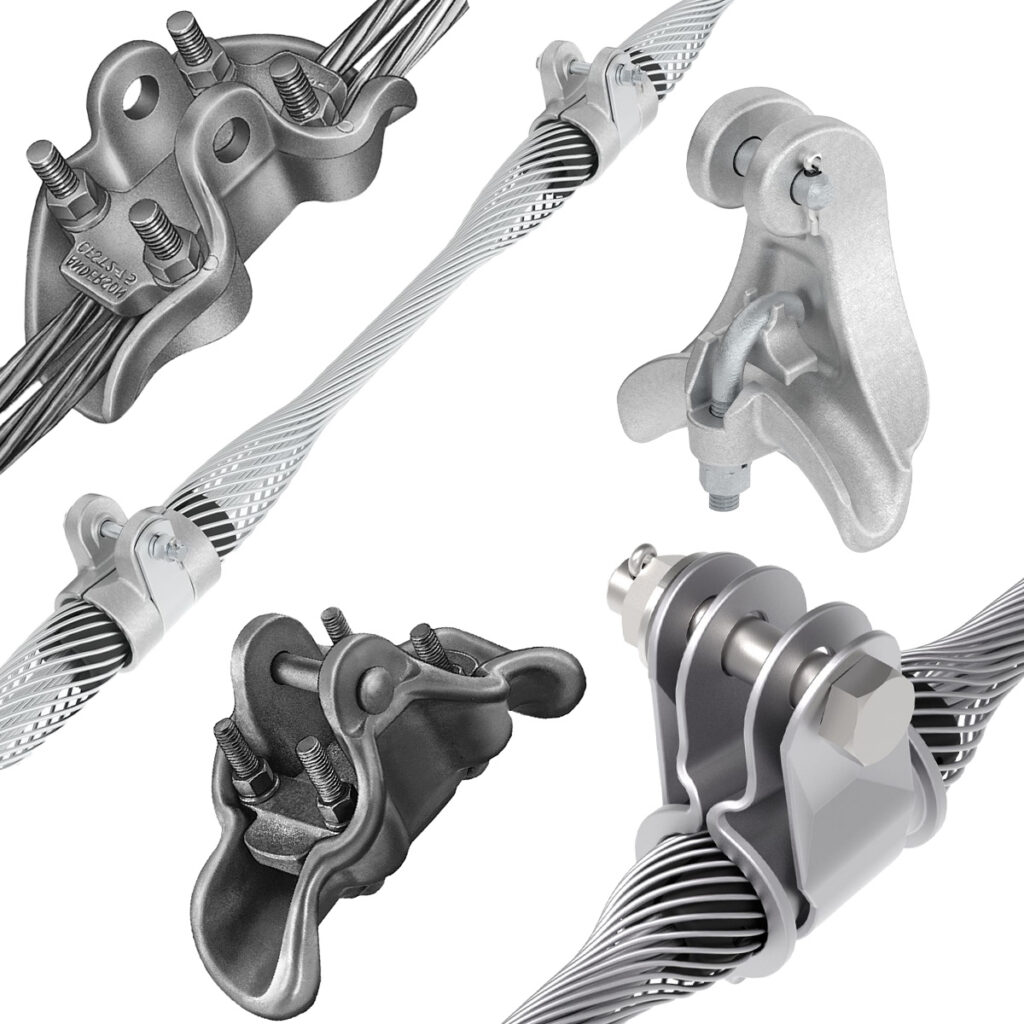
- Supporting overhead conductors along transmission routes: trunnion suspension clamps support conductors at designated suspension points along overhead transmission lines. The suspension hardware transfers the applicable loads from the conductor to the insulator and tower assembly.
- Accommodating conductor movement and mechanical loading: suspension clamps accommodate specified movement through their pivoting arrangement. The movement helps the suspension assembly respond to changing conductor loads without imposing restrain at the attachment point.
- Protecting conductors against vibration and premature wear: the clamps manage wind-induced vibration that can cause repeated mechanical stress at conductor support points. They help reduce damaging vibration effects and maintain articulation performance.
- Maintaining transmission-line reliability and reducing outages: trunnion suspension clamps maintain the mechanical integrity of the overhead line. They reduce clamp fracture, limit maintenance interventions, and support consistent conductor positioning and suspension performance.
The Effects of Chile’s Renewable Energy Resources on Grid Interconnection Infrastructure
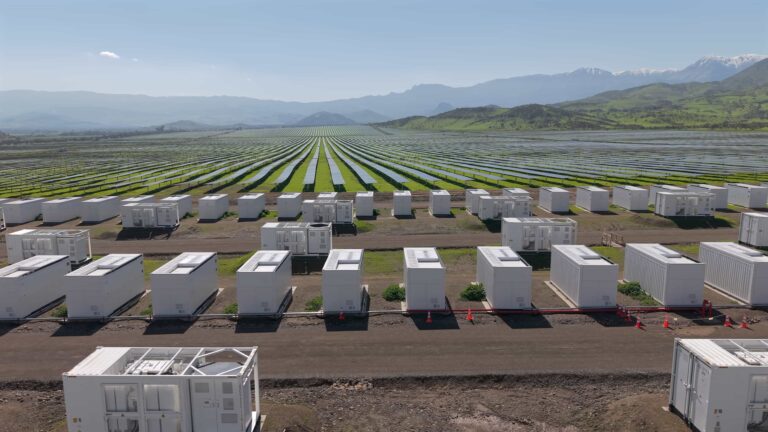
Chile’s solar, wind, and hydroelectric resources are reshaping its electricity transmission requirements. Chile need more transmission routes, substations, energy storage, and cross-border interconnections to transport electricity to high-demand areas. Key impacts include:
- Expansion of high-voltage transmission infrastructure: Chile needs new transmission lines, high-voltage transmission, and substation expansion to supply surplus renewable energy across borders.
- Reduction of renewable energy curtailment through grid interconnections: grid interconnection project proposed in Chile could reduce renewable energy curtailment. It could ease this challenge by creating another potential destination for surplus Chilean electricity.
- Demand for battery energy storage systems: BESS systems can absorb surplus solar generation during periods of high output. They can also reduce congestion-related curtailment and provide fast-response services that support frequency regulation.
- Increased demand for reliable transmission-line hardware: renewable energy integration and cross-border transmission development creates demand for reliable high-voltage line fittings. The products must meet the electrical, mechanical, and environmental requirements of the approved transmission design.