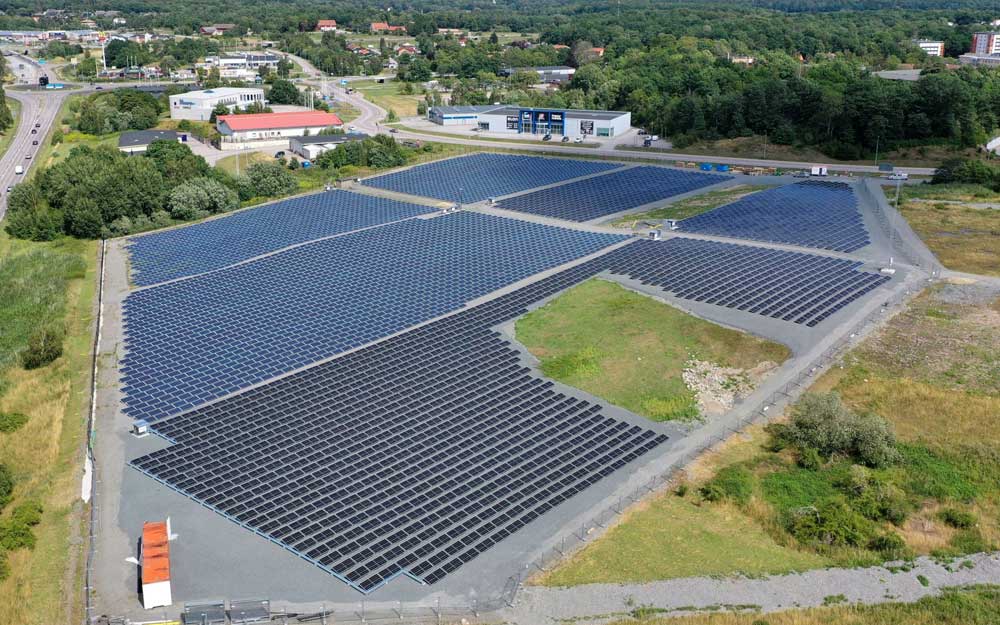
ClimeSol’s solar project development in Bolivia represents a significant step forward in the shift to renewable energy-driven growth. The project helps Bolivia reach its renewable energy targets. It also functions as a model for rural transformation, climatic resilience, and sustainable infrastructure development. This project involved the installation of PV panels, inverters, transmission lines, and the integration of a substation. It provides efficient electricity supply to local grids and rural mini-grids. ClimeSol prioritized advanced solar technologies throughout the project’s design and construction phases. High-efficiency PV panels, clever inverters, power line hardware, and environmentally friendly construction methods were all important components. This integrated strategy demonstrates ClimeSol’s dedication to technical excellence and long-term project viability. Adding the 3 MW of clean capacity to Bolivia’s energy mix reinforces the government’s goal of achieving greater energy diversification. Using strain plates in the solar infrastructure helps manage and secure cables for safety, reliability, and longevity.
Strain yoke plate clamp to secure the solar panel cables to the mounting rack. It keeps mechanical stress from transferring to the electrical connections. Strain plates secure the cable jacket a short distance from the connector. This means that any pulling force is absorbed by the clamp and cable jacket. It features smooth edges and keeps the cable in place to avoid contact with jagged racking components. The plates also serve to channel cables down the rails and protect them from dampness. Strain plates increase energy production while decreasing operational maintenance by preventing failures. Strain plates ensure the electrical safety, operational dependability, and long-term profitability of a solar plant in Bolivia’s harsh environment.
The relevance of strain plates in Bolivia’s solar projects
The use of strain plates in the 3 MW solar project assures that the transmission and distribution systems are mechanically strong, stable, and durable. They are critical components in ensuring the reliability of overhead line systems. These systems send solar-generated electricity from the solar PV field to substations and rural distribution networks. Strain plates ensure that solar-generated electricity is efficiently transferred even in harsh environments. In the solar project, the strain yoke plates serve the following roles.
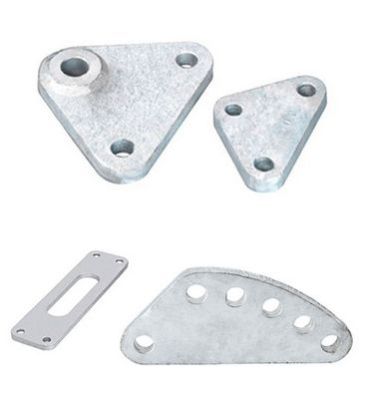
- Distributing mechanical load evenly—strain plates distribute mechanical tension across components in a suspension assembly. Strain plates serve as termination points and angle structures where the line tension is high.
- Connecting insulator strings and fittings—strain plates act as linking elements between the insulator assemblies, clevis fittings, and conductor hardware. Their connections help maintain alignment and balance and ensure safe operation.
- Maintaining electrical and structural integrity—strain plates help preserve the electrical integrity of the transmission system. They prevent misalignment of insulators, reduce vibration, and ensure consistent electrical clearance between energized and grounded parts.
- Enhancing system stability—strain plates enhance the resilience of line structures by withstanding the environmental stresses. Their galvanized steel composition provides high tensile strength and corrosion resistance.
- Supporting efficient power transmission—the yoke plates form part of the mechanical backbone of the power evacuation system. They enable efficient power transmission from the PV arrays to the substation.
Advances utilized to connect the 3 MW solar facility with Bolivia’s national grid
The integration of ClimeSol’s 3MW solar plant onto Bolivia’s national grid marks a watershed moment in the country’s energy history. The project demonstrates how innovation, smart grid technologies, and contemporary infrastructure combine to improve grid dependability, flexibility, and sustainability. The innovations are as follows.
- Smart inverter technology—these devices convert DC power from PV panels into AC electricity. They also regulate voltage and frequency for synchronization with the grid. Smart inverters provide reactive power support to stabilize voltage fluctuations.
- Modular step-up transformer integration—the project uses modular step-up transformers that raise the voltage from the PV field output to the transmission level needed for grid injection.
- SCADA-based remote monitoring and control—this system monitors and controls the solar farm and its interconnection with the grid. This enhances operational efficiency and enables predictive maintenance.
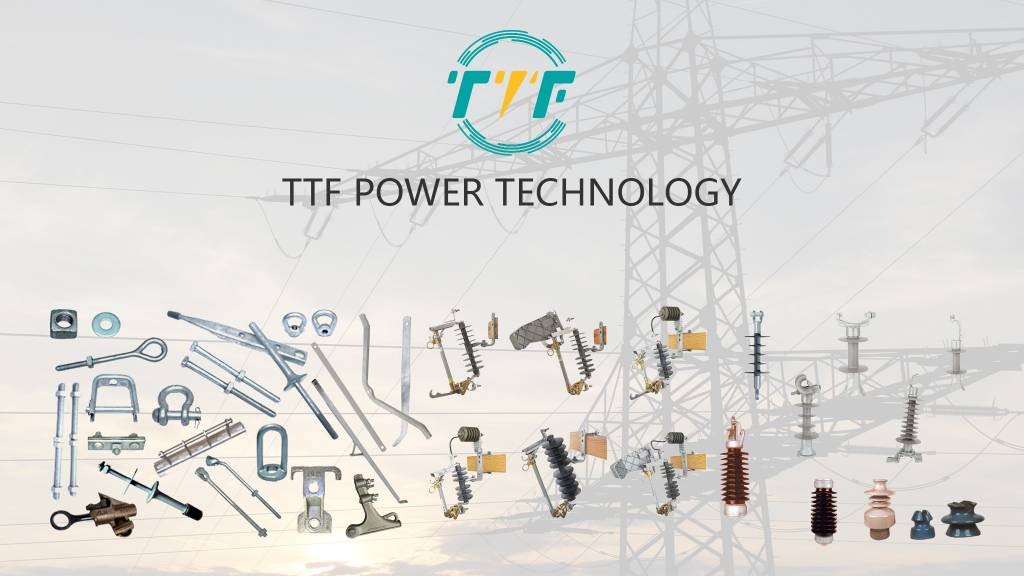
- Use of advanced transmission hardware—the project uses components such as strain plates, Y-clevis eyes, compression splices, and suspension clamps. These devices secure and stabilize the transmission lines and ensure mechanical strength and electrical continuity.
- Smart grid synchronization and automation—this system matches the solar output phase with the national grid. It ensures real-time balancing and prevents grid instability, which allows the solar plant to feed power without manual intervention.