Tag: clean energy

  • Weekly energy digest – February 3-7, 2025

    Corona rings: a game-changer for electric and hybrid vehicles in Argentina
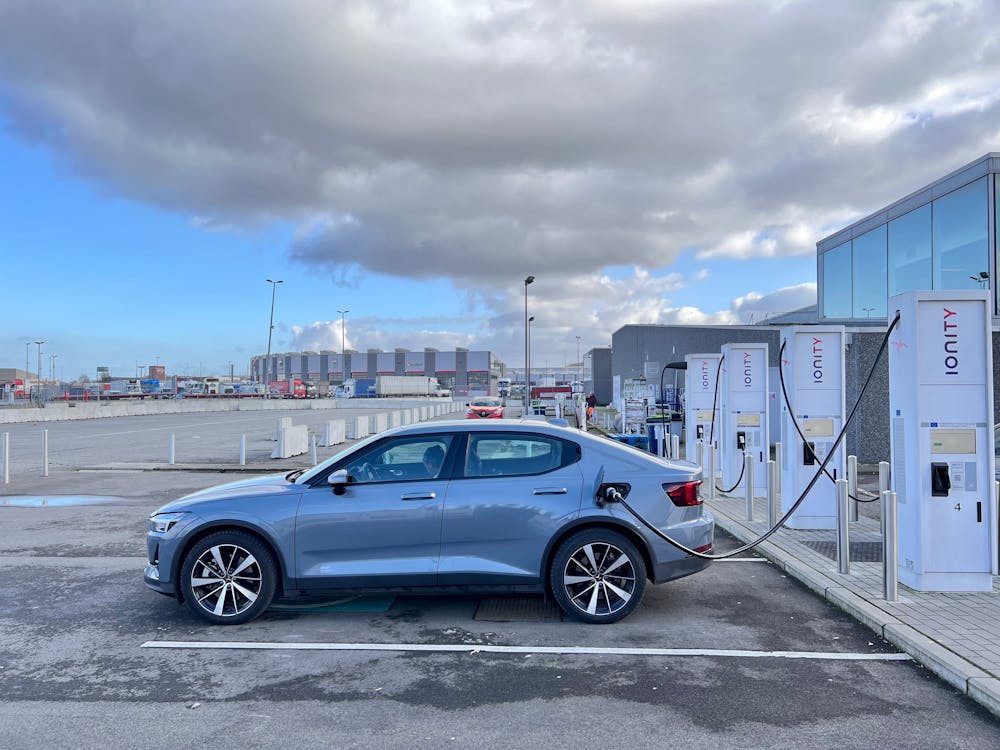
    Electric vehicles produce little greenhouse gas emissions

    Argentina’s abundant natural resources, including wind and solar, are being leveraged to power electric vehicles and ensure a low-carbon energy supply. The integration supports the country’s broader goal of achieving a sustainable energy mix.

    Corona rings ensure the efficiency and safety of high-voltage systems in EVs such as batteries and power electronics. They reduce energy losses and enhance the lifespan of the EV components by preventing electrical arcing.

    Electric and hybrid vehicles reduce greenhouse gas emissions and dependence on fossil fuels in the transportation sector.

    Argentina’s government is providing incentives, including tax breaks and subsidies, to encourage the purchase of electric and hybrid vehicles.

    The shift to electric and hybrid vehicles could reduce air pollution and improve public health. It also creates jobs in manufacturing, infrastructure development, and renewable energy sectors.

    The shift, however, faces various challenges, including high upfront costs of EVs and limited charging infrastructure.

    Electric vehicles equipped with advanced technologies like corona rings can integrate with renewable energy systems and provide grid stability and energy storage solutions.

    #electricvehicles #hybridvehicles #argentina #energytransition #renewableenergy #EVinfrastructure #coronarings

    Link

    Ecuador’s solar energy expansion: the critical role of socket clevis components
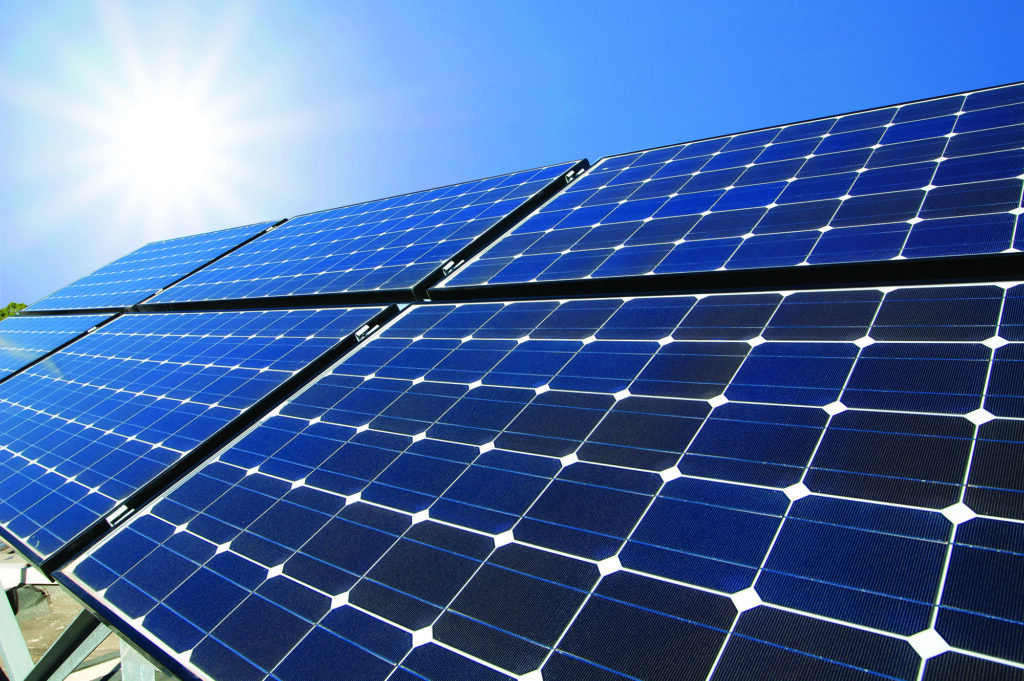
    solar panels increase energy security in Ecuador
    photocell boards

    Loja, Ecuador, is advancing a 200 MW solar project, capitalizing on its high solar irradiance to supply electricity to remote communities and reduce greenhouse gas emissions.

    A high-performing socket clevis helps in mounting solar panels on racking systems and ensuring stability and correct angles for optimal sunlight capture.

    Using socket clevises streamlines the assembly process by easing firm connections between different parts of the solar panel frame. This contributes to the success and durability of the solar infrastructure.

    Ecuador has high solar energy potential, providing solutions to meet the set climatic goals. The development of solar power plants helps reduce the reliance on fossil fuels.

    Solar energy in Ecuador improves energy security and reliability and creates sustainable economic opportunities for local communities.

    The project uses advanced solar technologies, including efficient photovoltaic panels and energy storage systems, to optimize energy capture and utilization.

    The solar initiative aims to create local employment opportunities and reduce reliance on imported fossil fuels.

    #ecuadorsolar #renewableneergy #socketclevis #solarinfrastructure #cleanenergy

    Link

    Pole steps propel Chile’s renewable energy expansion.
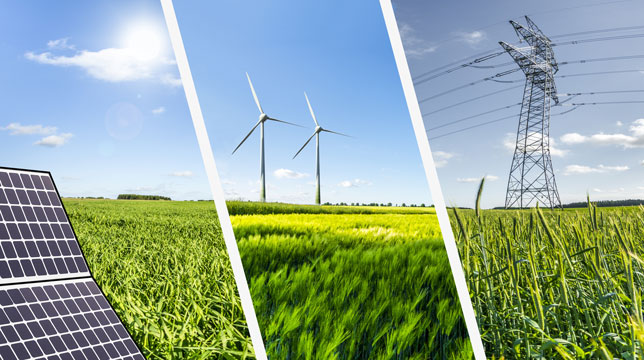
    Renewable energy sources support the national grid

    In December 2024, Chile generated 47.0% of its electricity from non-conventional renewable energy sources.

    The surge in renewable energy projects causes the need for transmission line enhancements to integrate the sources into the national grid. Pole steps ease access during upgrades for maintenance and ensure grid stability.

    Pole steps enable operators to perform inspections and repairs on transmission lines, reduce downtime, and enhance the reliability of the electrical distribution in Chile.

    They aid the installation and upkeep of distribution networks to ensure the delivery of clean electricity to remote areas.

    Modernization of Chile’s energy infrastructure includes the adoption of smart grid technologies. Pole steps are crucial for installing smart meters, sensors, and automated switchgear, which optimizes the management of energy demand and supply.

    #Chile #renewableenergy #infrastructure #gridreliability #smartgrids #polelinehardware #polestep

    Link

    Galvanized Guy Thimbles Promoting Solar Growth in Ecuador
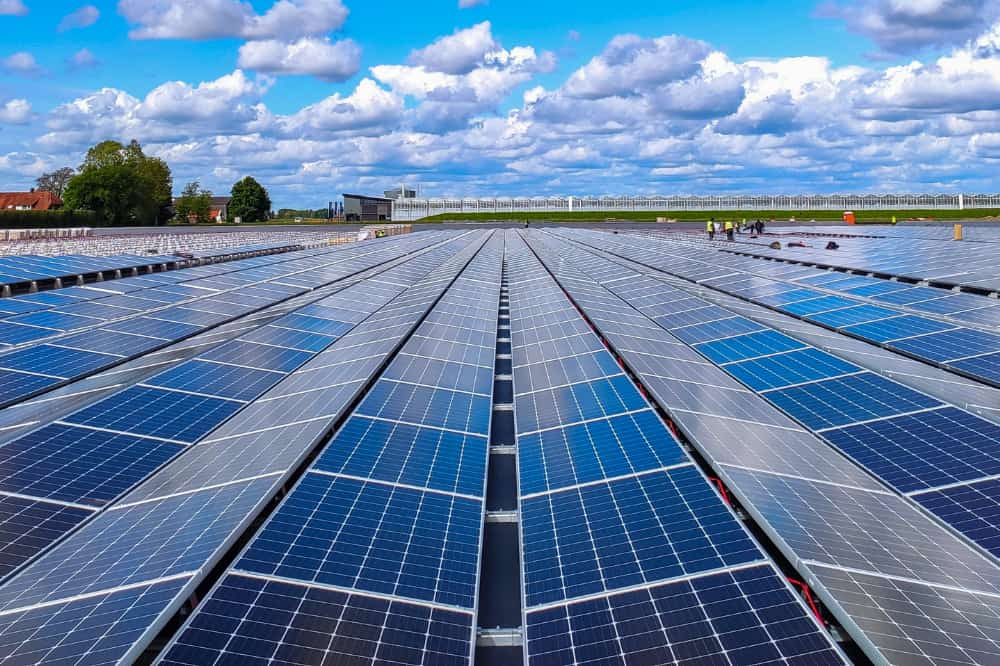
    arge-scale solar panels installation

    Galvanized guy thimbles provide robust structural support for solar panel installations in Ecuador and ensure stability and durability.

    The galvanization process provides superior corrosion resistance, which is crucial for maintaining the integrity of solar infrastructure in Ecuador’s diverse climates.

    Guy thimbles distribute mechanical loads, reduce stress on support structures, and enhance the longevity of solar arrays.

    The use of galvanized guy thimbles simplifies the installation process, which leads to reduced labor costs and expedited project timelines.

    Galvanized guy thimbles contribute to the sustainable development of Ecuador’s renewable energy sector by reinforcing the reliability of solar installations.

    #solarenergy #ecuador #renewableenergy #galvanizedguythimbles #sustainability #infrastructure #enegryinnnovation
    Link

  • Socket Clevis Role in Ecuador’s Solar Power Potential

    Large-scale solar power plant

    Given its significant solar energy potential, Loja, Ecuador, has begun the process of developing a 200 MW solar plant. Because of its excellent climate, the location receives a lot of sunlight. Other minor projects try to bring electricity to isolated areas that are not connected to the national grid. Loja’s solar energy development helps to reduce greenhouse gas emissions, which is consistent with the Paris Agreement’s commitments. The building and operation of solar installations generates local job opportunities. It also minimizes reliance on imported fossil fuels, so improving energy security. The adoption of sophisticated solar technology, such as efficient photovoltaic panels and energy storage devices, increases the feasibility and impact of solar farms. A socket clevis serves in the construction and installation of solar power plants.

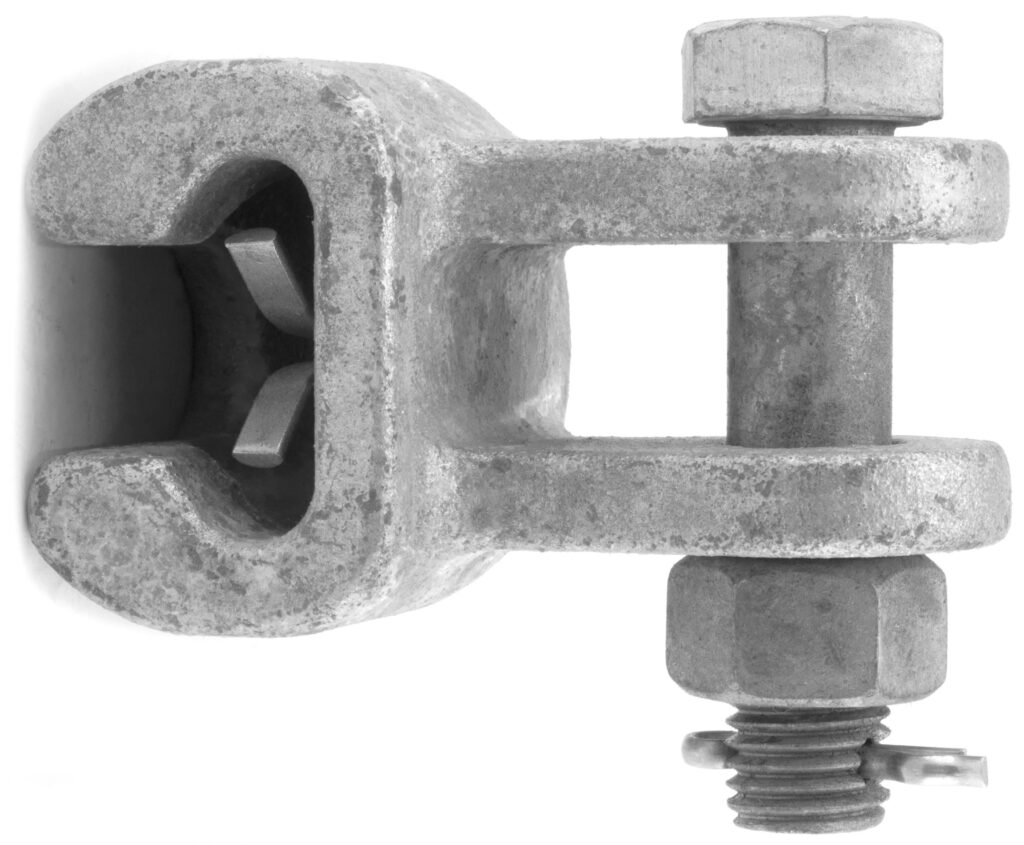
    A high-performance socket clevis secures the solar panels to the racking system. It is part of the mechanical construction that keeps the panels stable and at the proper angle for capturing sunlight. The clevis uses bolts and pins to connect various components of the frame that support the solar panels. This guarantees a strong connection between the panels and the supporting structure. Ecuador’s expanding emphasis on renewable energy and solar power relies on construction materials that are both efficient and long-lasting. Using socket clevises simplifies installation and enables for the connecting of the racking system. A socket clevis is a structural component that contributes to the success and stability of solar energy infrastructure.

    Potential for solar power in Ecuador’s energy sector

    Solar power development helps Ecuador achieve sustainable energy development, energy security, and climate change mitigation. The country has the potential to become a regional leader in the solar energy sector. This is due to abundant solar resources, favorable regulations, and increasing energy demand. Solar energy can benefit the energy sector, the economy, and the environment. The following represents Ecuador’s potential for solar power development.

    1. High solar radiation levels—Ecuador has high levels of solar radiation throughout the year being along the equator. This makes it ideal for solar energy generation in South America.
    2. Growing energy demand—Increased population growth, urbanization, and economic development lead to increased energy demand. Solar power can help meet this demand sustainably in areas with challenging grid expansion.
    3. Government support and policies—the government has put in place policies to promote renewable energy, including solar power. Incentives such as tax exemptions, subsidies, and favorable regulations help attract foreign investment in solar energy projects.
    4. International commitments—the development of solar plants helps reduce greenhouse gas emissions. It also increases the share of solar power in the energy mix to meet climate commitments.
    5. Technological advancements—advances in solar technology make solar power more cost-effective and reliable. These technologies include energy storage systems, smart grids, and efficient photovoltaic panels.

    Applications of a socket clevis in solar power production in Ecuador

    A socket clevis ensures structural integrity and functionality in solar panel mounting systems. It guarantees that solar panels are securely attached and positioned, allowing for maximum energy capture. The clevises improve the efficiency, longevity, and safety of solar arrays. Socket clevises are critical components in large-scale solar farms, off-grid solar systems, and hybrid systems. The following are the typical functions of a socket clevis in solar plant development in Ecuador.

    A socket clevis ensures proper attachment and positioning of the solar panels
    • Structural support and stability—a socket clevis connects and secures structural components of solar panel mounting systems. The clevises provide a strong and stable connection which ensures solar plants remain in place even under environmental stresses.
    • Flexibility in installations—the socket clevis allows for adjustable connections, which makes it easier to align solar panels at the optimal angle. The adjustable mounting systems ensure that solar panels can be installed efficiently on diverse landscapes.
    • Durability—solar power installations face environmental conditions like high humidity, intense sunlight, and heavy rainfall. A socket clevis ensures long-term durability and minimal maintenance.
    • Load distribution—socket clevises distribute the weight of solar panels and mounting structures across the foundation. Uneven load distribution could lead to structural failures or damage.
    • Safety and reliability—socket clevises ensure solar panels are securely fastened and reduce the risk of accidents caused by loose components. This is crucial for projects in remote or hard-to-access areas in Ecuador.
  • Energy News Weekly Digest – January 20-24, 2025

    Transmission insulators powering renewable energy storage

    Battery energy storage systems play a crucial role in renewable energy infrastructure in South America. Artificial Intelligence (AI) integration with renewable energy contributes to enhanced battery performance.

    Artificial Intelligence contributes to optimized energy storage and eases smart grid integration for energy sustainability.

    Transmission insulators ensure the safe and efficient operation of battery energy storage systems within renewable energy infrastructure.

    High-quality insulators are crucial for electrical isolation, ensure safety, grid stability, and enhanced system durability.

    Eco-friendly insulators and smart grid compatibility contributes to South America’s sustainable goals. Lithium-ion and flow batteries support renewable energy integration and mitigate grid instability.

    Link: https://tjtuofa.cn/transmission-insulators-power-renewable-energy-storage/

    #transmissioinsulators #renewablenenergy #energystorage #AI #lithiumbatteries

    Brace crossarms: enhancing power infrastructure for South America’s hydrocarbon production

    Hydrocarbon production facility

    South America has significant oil and natural gas reserves which is central to its energy economy. Hydrocarbons complement renewable energy by providing a reliable energy source and funding cleaner technologies.

    Brace crossarms enhance the strength and stability of power line structures which enhances reliable electricity supply to hydrocarbon production sites.

    The crossarms support power lines that power drilling rigs, pumping stations, processing facilities, and transportation infrastructure like pipelines.

    Brace crossarms distribute the weight of power lines across transmission towers, reduce mechanical stress and prevent structural failure.

    These components provide extra stability to transmission towers and enable them to withstand strong winds and storms.

    Hydrocarbon production provides a stable energy supply and economic stability in South America. this supports infrastructure development and the energy transition by funding renewable energy projects.

    Environmental concerns impact the ability of the hydrocarbon industry to sustain and expand production while balancing economic and environmental goals.

    Link: https://ttfforging.com/brace-crossarms-supporting-hydrocarbon-production-goals/

    #hydrocarbonproduction #powerinfrastructure #bracecrossarms #southamerica #powerlinehardware

    Surge arresters propel South America’s electrification and renewable integration

    Electrification and renewable energy enhances grid modernization

    South American countries like Brazil, Argentina, and Chile have achieved nearly 100% urban electrification focusing on integrating renewable energy sources.

    Countries like Chile, Argentina, and Uruguay are increasing their wind and solar capacities, supported by government incentives and decreasing technology costs.

    Surge arresters are crucial in protecting electrical systems from voltage spikes and switching surges. This ensures the stability and longevity of energy infrastructure.

    Surge arresters protect transformers, generators, and electronic devices from damage caused by overvoltages. They also prevent equipment damage from overvoltage events to reduce maintenance costs and ensuring consistent energy access.

    Electrification and renewable energy integration revolutionizes South America’s energy landscape. This is by addressing access gaps, enhancing sustainability, and fostering economic and environmental benefits.

    Renewable energy integration reduces greenhouse gas emissions which contributes to global climate change. For instance, Uruguay and Chile are in the lead with their high percentage of electricity generated from renewables.

    Link: https://tjtuofa.com/surge-arresters-drive-electrification-in-south-america/

    #surgearresters #electrification #renewablenergy #southamerica #energyinfrastructure

    Socket clevis enhances grid modernization with battery energy storage systems

    Renewable energy eases grid modernization

    South America expects significant growth in BESS driven by the rise of renewable energy and the transition from fossil fuels.

    Most South American countries are implementing projects to improve grid efficiency, stability, and reliability.

    BESS contributes to grid modernization by managing renewable energy variability, enabling decentralized energy systems, enhancing grid infrastructure, and supporting the shift to renewable energy.

    A socket clevis provides a secure connection point for electrical conductors within BESS and ensure efficient and safe operations.

    High-quality socket clevises provide secure and stable electrical connections and reduce risks of disconnection. They also simplify the installation processes and decrease setup time and labor costs.

    Their durability in harsh environmental conditions including high temperatures, humidity, and corrosion make the components indispensable in grid modernization.

    Link: https://tjtuofa.com/socket-clevis-powers-grid-modernization-with-batteries/

    #energystorage #gridmodernization #renewableenergy #socketclevis #southamerica