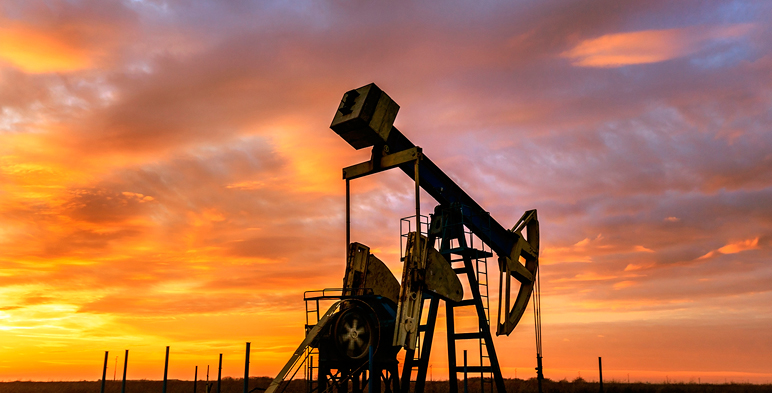
Colombia plans to phase out the usage of fossil fuels such as gas, oil, and coal in its energy industry. However, the oil industry is undergoing considerable decline as a result of decreased private investment, tougher restrictions, and increasing taxation policies implemented by the Petro regime. This has resulted in a decline in oil production and proven reserves, raising concerns about Colombia’s energy independence. Furthermore, the reduction in the oil sector affects natural gas production. This jeopardizes Colombia’s budgetary stability and could spark an energy crisis that harms the economy. The downturn also threatens Colombia’s stability, sustainability, and economic resilience. Major players like Enel and EDP Renewables have pulled out of key projects due to regulatory delays, social resistance, and poor grid connectivity. Yoke plates ensure the safe and efficient production, transportation, and refining processes.
In Colombia, oil is a major economic driver, accounting for 3% of GDP and 30% of total exports. The reliability of yoke plates has an impact on Colombia’s performance. Yoke plates connect and secure flanges in pipelines, valves, and pumping stations to enable the safe transport of crude oil and gas. Pipelines rely on strong yoke plates to avoid spills and shut-downs. Additionally, the plates stabilize blowout preventers and wellhead assemblies, preventing catastrophic failures. Offshore projects need high-pressure yoke plates to withstand extreme environments. They also cause upkeep to reduce the danger of accidents and discourage future exploration. Yoke plates protect joints in distillation units and cracking systems. This article investigates the crucial infrastructure required to grow and incorporate renewables into oil production.
Yoke plates in Colombian oil expansion
Yoke plates are flat steel connectors used to link suspension or strain insulator strings in transmission towers. They function as mechanical junctions, supporting several insulator strings, balancing mechanical loads, and connecting conductors to transmission towers. Their durability, corrosion resistance, and load-bearing capacity make them indispensable in high-voltage lines. Colombia intends to replace fossil fuel power with renewable sources such as solar, wind, and hydropower. However, the projects may be stalled due to regulatory delays and grid limits. Yoke plates aid to maintain the grid’s integrity, safety, and agility when incorporating renewable energy. The following are the purposes of yoke plates in Colombian oil production.
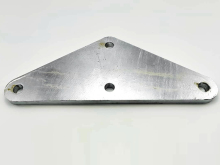
- Transmission of power to remote oil fields—oil exploration and production demand stable electricity delivery to isolated areas. Yoke plates strengthen transmission towers, ensure safe connection, and reduce mechanical stress on key structures.
- Load support in oil pipeline electrification—oil companies are adopting electrified pumping systems to reduce emissions. Yoke plates help maintain overhead powerline integrity near pumping stations and prevent sag and failure in long-span lines.
- Safety and stability for substation expansions—yoke plates support substation busbar systems and improve resilience during voltage surges or mechanical faults.
Important infrastructure for oil expansion and renewable energy integration.
Increasing oil output in Colombia while incorporating renewable energy poses a difficult infrastructure problem. This necessitates careful planning, cutting-edge technology, and reliable connecting networks. This goal necessitates vital infrastructure that is both adaptable and future-proof to increase oil output and transition to sustainable energy. Colombia must invest in adaptable, multi-use infrastructure that promotes hydrocarbon and renewable energy development. Key infrastructure requirements include
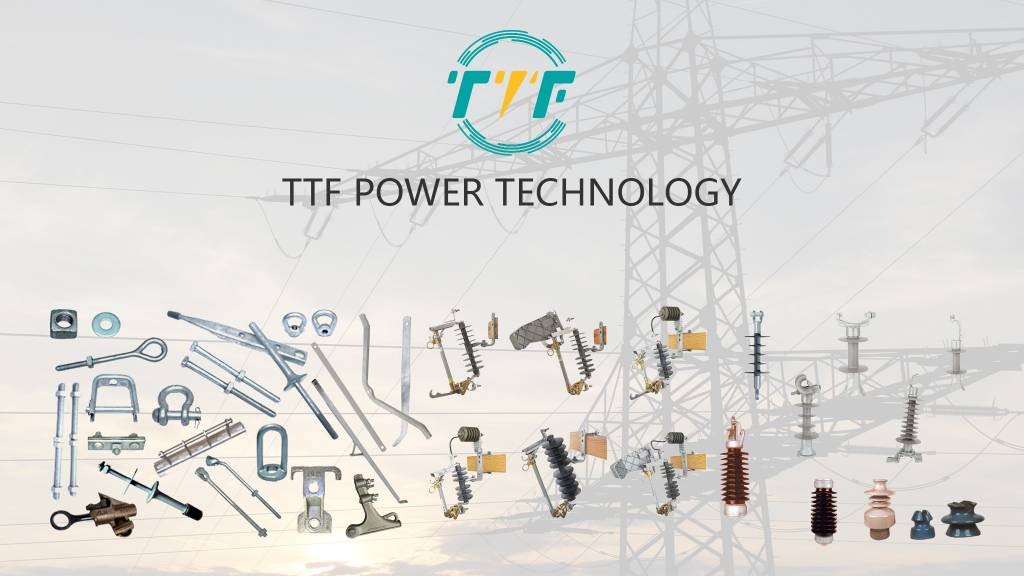
- Transmission infrastructure for hybrid energy supply—Colombian oil production zones are mostly in remote areas and poorly connected to the national grid. Scaling production and integrating renewables demands upgraded transmission lines, high-voltage infrastructure, and flexible substations to handle hybrid loads.
- Onsite renewable energy systems—oil companies are turning to localized renewable energy sources to decarbonize operations and reduce diesel dependence. Key elements include solar PV installations, small wind turbines, and battery energy storage systems. The systems reduce emissions and lower operational costs.
- Water and waste management infrastructure—renewables can power oil production to reduce the use of water. This demands solar-powered desalination units for produced water treatment, electric water injection systems, and biogas systems.
- Smart monitoring and digital infrastructure—digitalization is essential to manage the complex interplay of oil production and renewable integration. Key technologies include SCADA systems, IoT-based sensors, and AI-driven demand forecasting systems for energy balancing.
- Resilient grid and climate-ready infrastructure—climate change threatens both fossil and renewable energy infrastructure. The required systems include reinforced transmission towers, modular microgrids, and flood-resistant power substations.