Colombia is experiencing multiple changes, propelled by the introduction of new models and consistent sales increases. Additional elements like charging facilities, technological disparities, and the necessity for consumer awareness are influencing the trajectory of electromobility in Colombia. Companies such as BYD hold a leading role in public transportation, reaching significant cities like Cali, Medellín, Manizales, Pereira, and areas showing increasing interest in electric options. BYD aims to integrate over 2,000 new electric buses into the public transportation network. The units will feature cutting-edge technologies like blade battery, aimed at enhancing the range and durability of the buses. Moreover, the Chinese brand JAC has shown a solid dedication to local electromobility by introducing three new electric models. Suspension clamps provide safety, stability, and effectiveness for electrical setups.
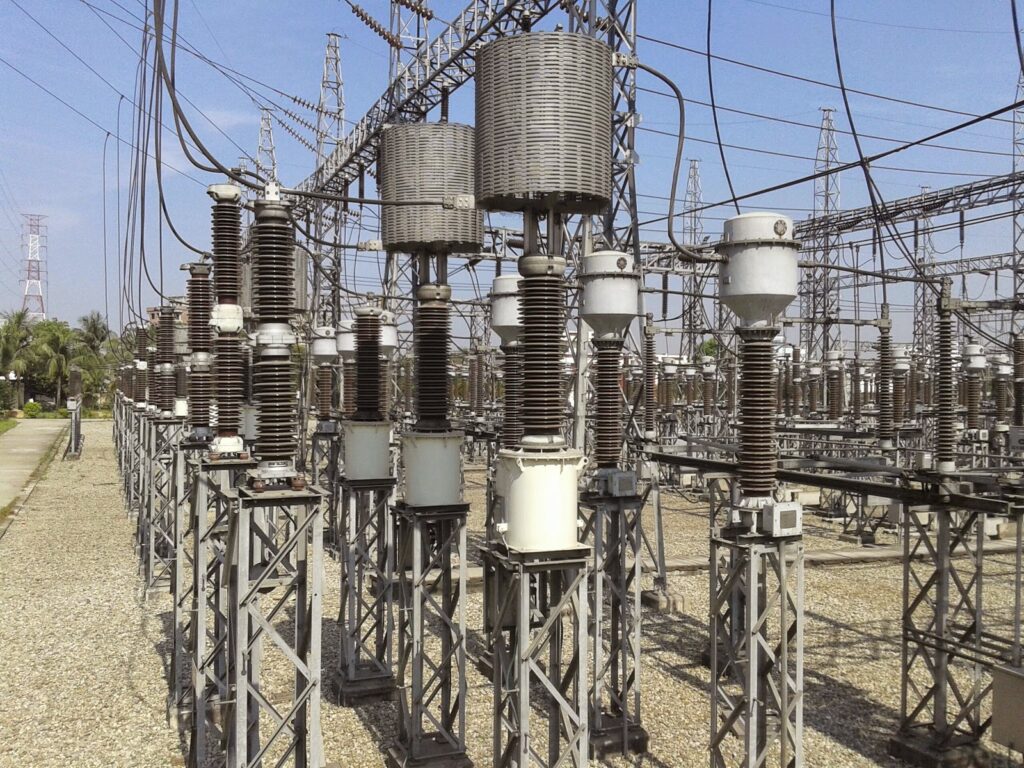
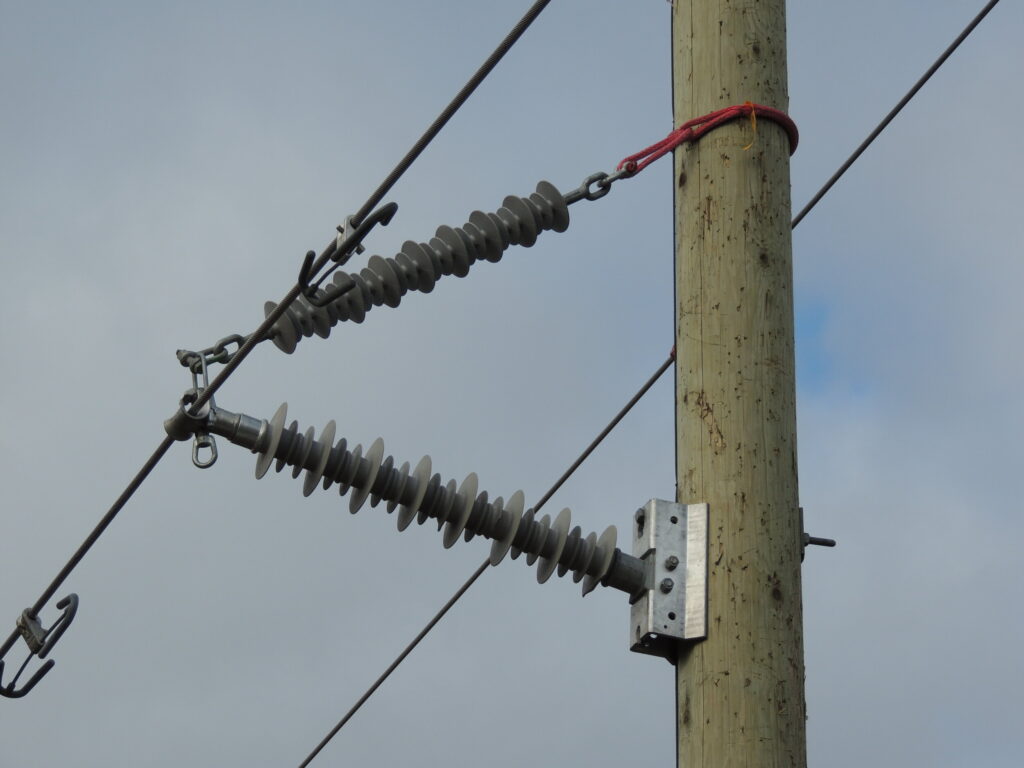
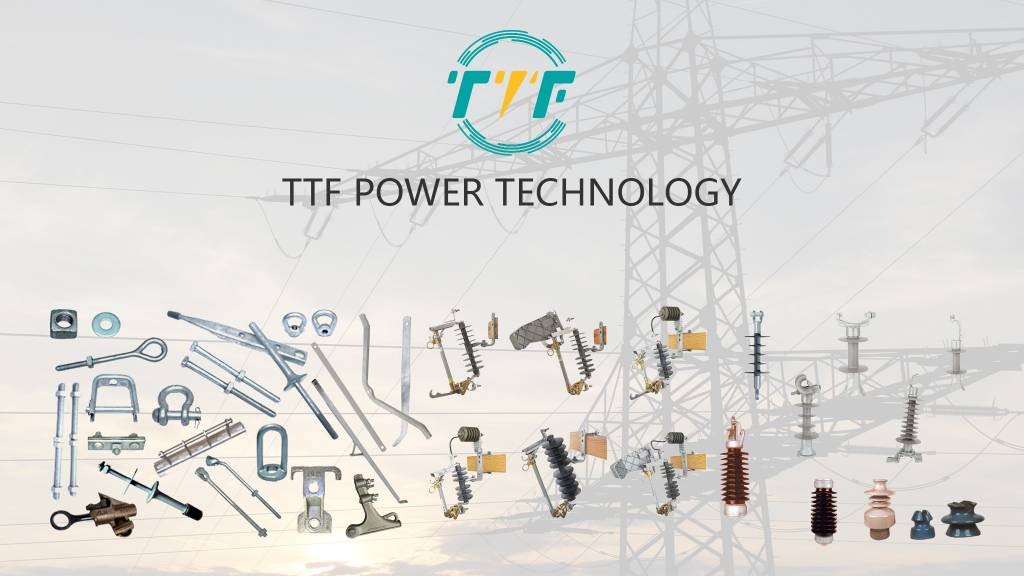
Suspension clamps hold and support power cables in overhead installations to prevent damage due to wind and mechanical stress. Some public EV chargers install on utility poles or streetlight poles. Suspension clamps help anchor charging cables safely. They ensure stable connections between distribution lines and charging stations. Suspension clamps keep conductors in place and ensure reliable electricity supply to charging hubs. The clamps help reduce the need for underground cabling to lower infrastructure costs. The clamps ensure secure power transmission for both charging stations and grid stability. Suspension clamps allow easy upgrades of charging networks by adjusting overhead lines. This will be crucial in speeding up EV adoption in Colombia.
Suspension clamps in Colombian EV and charging infrastructure
Suspension clamps ensure the secure support of overhead conductors that deliver power to charging stations. The clamps are mechanical devices used to suspend and support electrical conductors on utility poles. They allow the conductor to hang freely and move slightly to reduce mechanical stress caused by environmental forces. Suspension clamps are crucial for creating durable, safe, and efficient power delivery systems. They are crucial in deploying EV power lines, reinforce grid components, and maintain grid reliability and safety. Here are the key functions of suspension clamps in EV and charging infrastructure.

- Supporting overhead power lines to charging stations – EV chargers are powered by overhead distribution lines. Suspension clamps hold these conductors in place as they extend from poles to transformers.
- Reducing mechanical stress – EV charging stations need stable power delivery. Suspension clamps help absorb mechanical loads such as line tension, wind-induced vibrations, and pole sway. They extend the lifespan of conductors and poles to reduce maintenance costs and improve system reliability.
- Enabling flexible EV infrastructure deployment – suspension clamps provide the flexibility to quickly mount and reconfigure power lines.
- Protecting electrical integrity – suspension clamps preserve the electrical characteristics of power lines. This ensures that charging stations receive consistent voltage and current for battery health and user safety.
- Integrating with smart grid systems – modern suspension clamps are able to accommodate sensors or insulation fittings. They help integrate real-time monitoring tools that are crucial to smart grid and EV energy management.
Difficulties with charging facilities in Colombia
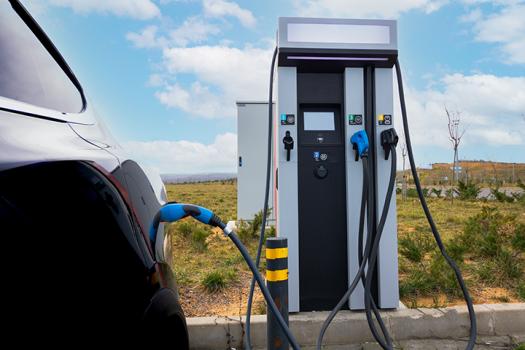
Colombia is undergoing one of the quickest shifts to electric mobility in South America. Nonetheless, the progress encounters obstacles like the charging infrastructure, which remains inadequate and inconsistently distributed. Many initiatives aim to tackle these issues. These consist of a national electric mobility plan to promote public-private collaborations for the deployment of fast chargers. A list of challenges confronting charging infrastructure in Colombia follows.
- Charger-to-vehicle disparity – Colombia has one public charger for every 33 electric vehicles, which is significantly lower than international best practices. EV owners encounter lengthy waits or must depend on sluggish home chargers, which restrict long-distance journeys.
- Disparate charging standards – the market presently employs various connector types, leading to compatibility and interoperability challenges. EV drivers encounter uncertainty and restricted access to chargers, while infrastructure providers are reluctant to invest without definitive regulations.
- The expense of fast charging infrastructure is significant – the installation of DC fast chargers is costly because of the necessary grid enhancements for increased load capacity, import duties, and construction expenses in challenging landscapes. Level 2 charging stations take 6–8 hours for a complete charge, which is impractical for logistics fleets.
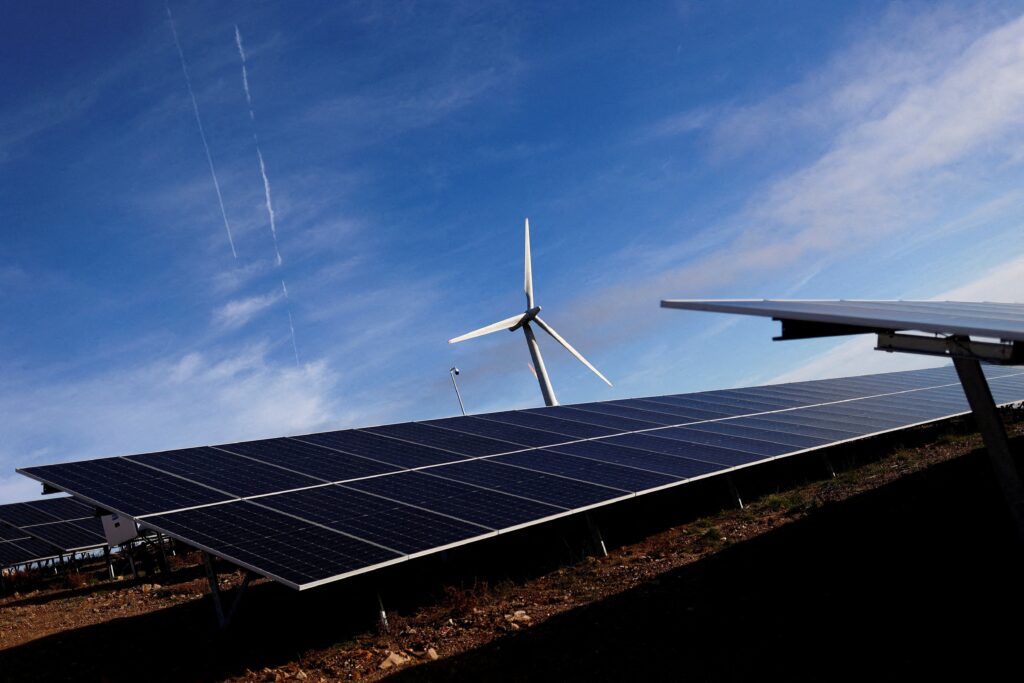
- Limited connection with renewable energy – only a few EV chargers are compatible with solar or wind energy systems. Solar-powered stations are present in pilot projects, but have not yet become widespread or connected to the grid on a large scale.