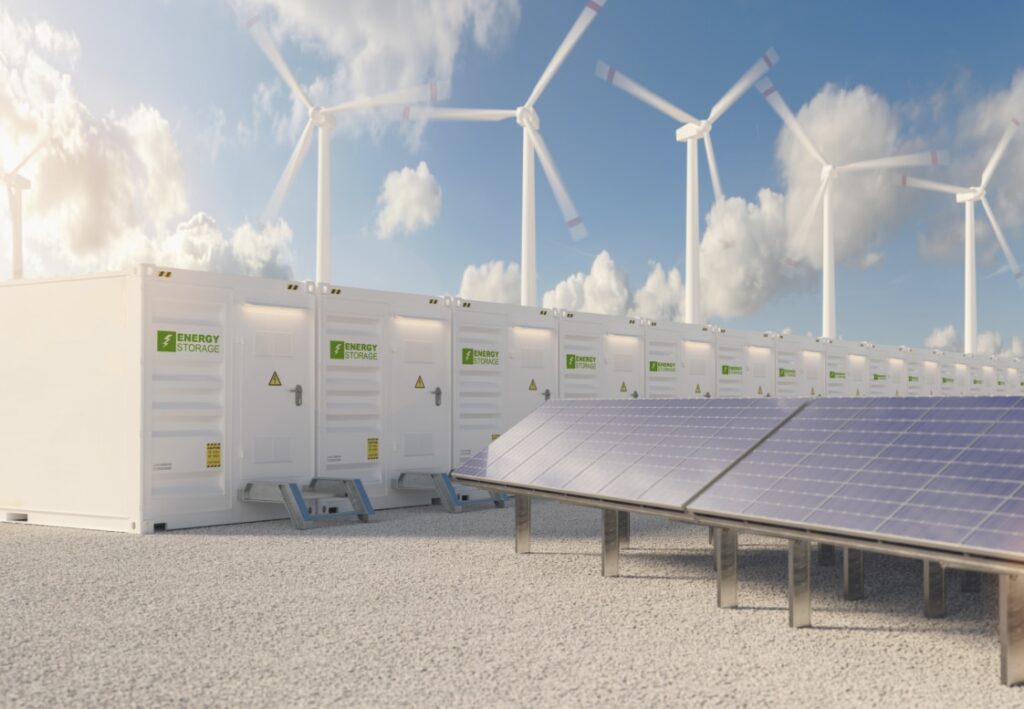
Venezuela is experiencing an energy crisis as a result of system outages, gasoline shortages, and inadequate infrastructure investments. The grid’s reliance on hydropower makes it susceptible to droughts, while fuel shortages limit diesel generator use. Community solar panels and solar microgrids emerge as decentralized solutions that empower local communities, reduce dependency on unreliable grids, and increase energy resilience. Off-grid solar systems are becoming increasingly popular in rural areas where there is no grid access. Government initiatives, local community activities, and economic and energy independence are all major drivers of growth. For example, the Wayuu towns rely on solar power to operate water pumps and schools. The country can expect the development of hybrid solar-diesel systems to increase reliability in the future. A ball clevis ensure structural stability, adjustability, and ease of installation in solar technologies.
High-quality clevises are used in solar mounting systems, as well as pole- and ground-mounted solar arrays. The clevis enables for tilt-angle changes to maximize solar exposure in Venezuela’s tropical climate. They also help pole-mounted solar systems endure wind loads. Due to a scarcity of professional installers, Venezuela’s community solar installations rely on self-installation. Local technicians can easily attach the clevis without welding because to its simple bolt-on design. Ball clevises made of galvanized steel or aluminum resists corrosion in humid and coastal conditions. This helps solar arrays withstand heavy rain and severe winds. They are also used in solar-powered water pumps, lighting, and communication towers for rural microgrid systems. They allow for modular development of solar panels as community energy need develops. Proper use of the ball clevis is crucial to maintain clevis-based systems that would enhance sustainability.
Ball clevis in Venezuela’s solar panels and microgrid installations
A ball clevis is essential for guaranteeing mechanical stability and electrical reliability in systems. It is a forged metal fitting that connects suspension insulators or conductor hardware to anchor points like crossarms, brackets, and poles. The clevis has a ball and socket joint that allows for limited movement while providing flexibility and durability. It is commonly used in overhead electrical distribution lines. The ball clevis serves the following tasks in Venezuelan solar panel and microgrid installations.
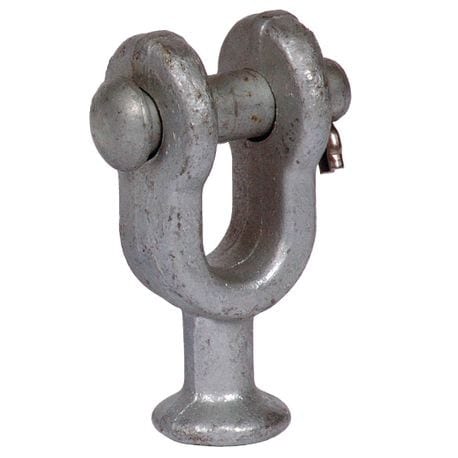
- Connecting overhead conductors in microgrids—the clevis connects suspension insulators to conductors and ensures the electrical cables remain suspended and resistant to sagging.
- Providing mechanical flexibility and wind resistance—solar microgrids install on poles or elevated frames in open areas that face vibrations. The pivoting design of the clevis allows movement without compromising structural integrity. They prevent strain on insulators and connectors during high winds.
- Supporting lightweight transmission for hybrid installations—ball clevis fittings help support hybrid systems by allowing flexible suspension and connection of conductors. Some Venezuelan off-grid solar systems integrate small-scale wind turbines.
- Reducing maintenance in remote locations—their corrosion-resistant materials help withstand humid, coastal, or tropical environments. The clevis hardware needs less maintenance, which is crucial in remote communities.
Challenges facing the development of solar panels and microgrids in Venezuela
The development of solar panels and microgrids offers a possible answer to the ongoing power outages. The move to clean energy has many challenges due to technical, economic, institutional, and logistical limits. Addressing these difficulties contributes to the growth of solar energy as a reliable alternative to the failing grid. These limitations include:
- Lack of policy support—the country lacks renewable energy policy, a legal framework, or government incentives for solar energy deployment. The absence of net metering laws means grid-tied solar systems cannot sell excess power. There are no feed-in tariffs, tax credits, or subsidies to encourage residential or commercial solar projects.
- Weak grid infrastructure and integration limitations—the national grid is outdated and unstable, with limited capacity to integrate distributed solar power. The existing grid lacks smart metering, real-time controls, or microgrid-friendly design.
- Skilled workforce and technical expertise shortage—there is a shortage of solar-trained electricians, engineers, and technicians in Venezuela. Maintenance and troubleshooting of solar microgrids is difficult due to limited local knowledge and lack of replacement parts.
- Economic collapse and affordability issues—the ongoing economic crisis makes solar installations unaffordable for most households and local governments. Most communities cannot afford the upfront investment in solar equipment or the cost of trained installers.