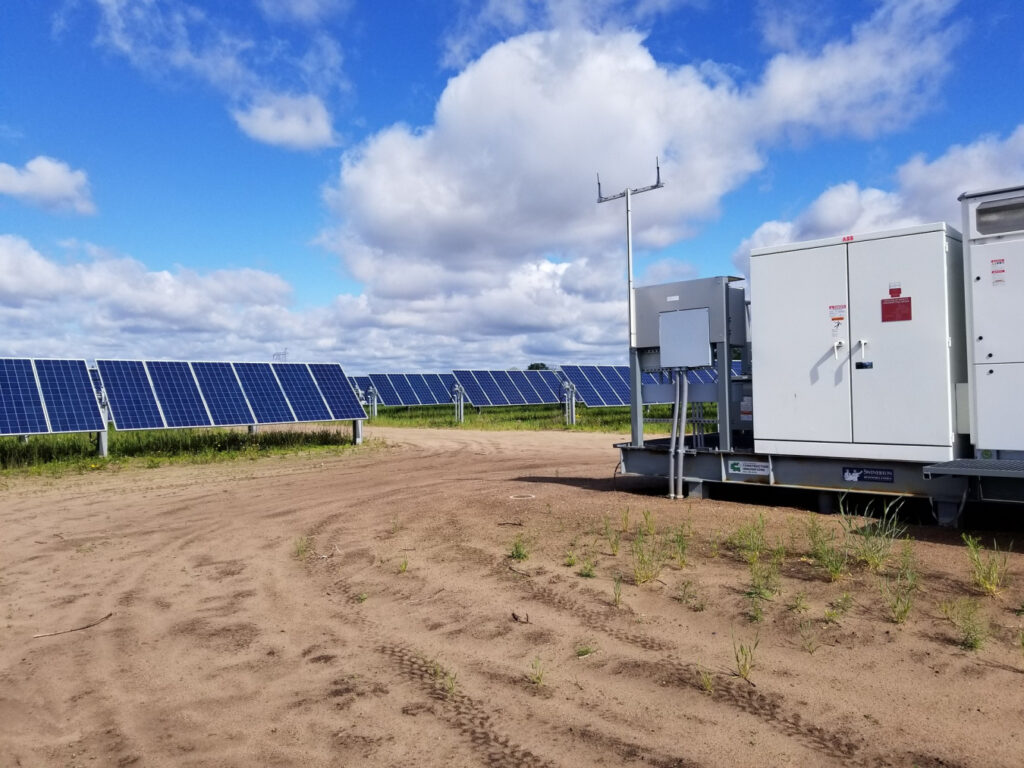
Venezuela’s energy economy relies on hydropower from the Guri Dam, which provides more than 70% of the country’s electricity. This results in power outages amid recurring droughts, old infrastructure, and a lack of maintenance. Adopting solar energy offers a clean, scalable, and decentralized response to the crisis. Small-scale home and community solar systems, pilot solar farm projects, international aid-backed solar installations, and microgrids are all contributing to the country’s growing solar capacity. The present grid-connected solar capacity is 20-30 MW, with off-grid and micro-installations ranging from 10 to 15 MW. The country’s potential solar capacity exceeds 200,000 megawatts. This can help to stabilize the grid and improve the country’s reliability. Solar energy decreases the burden on transformers and substations, which are regularly overloaded. Spiral vibration dampers help mitigate mechanical vibrations in electrical conductors. They stabilize the grid that connects solar power to the electrical infrastructure.
Wind-induced vibrations and galloping are common problems for older transmission lines. The vibrations induce metal fatigue, which results in broken conductors, short circuits, and blackouts. Spiral vibration dampers absorb and distribute energy, reducing stress on power lines. They mitigate malfunctions that could affect solar farm connectivity. Unchecked vibrations increase electrical resistance, decreasing power delivery efficiency. Spiral vibration dampers limit line movement, resulting in more consistent electricity transmission from solar farms to towns. They make transmission infrastructure last longer, reducing the need for costly repairs and downtime. They also reduce mechanical stress caused by power surges or load variations, allowing the system to cope with solar unpredictability.
Spiral vibration dampers stabilize the solar farm infrastructure in Venezuela
Venezuela is expanding and utilizing solar farms as a clean, decentralized energy source. More than only solar panels and inverters are required to ensure the reliability of these solar systems. It also depends on mechanical components such as spiral vibration dampers, which prevent overhead transmission lines from failing. Spiral vibration dampers (SVDs) are spiral rods composed of PVC, aluminum, or galvanized steel. They attach to above wires or cables to dampen aeolian vibrations. Using SVDs enhances system durability, increases trust in renewables, and reinforces the reliability of new solar assets. The following are the roles of SVDs in stabilizing solar infrastructure.
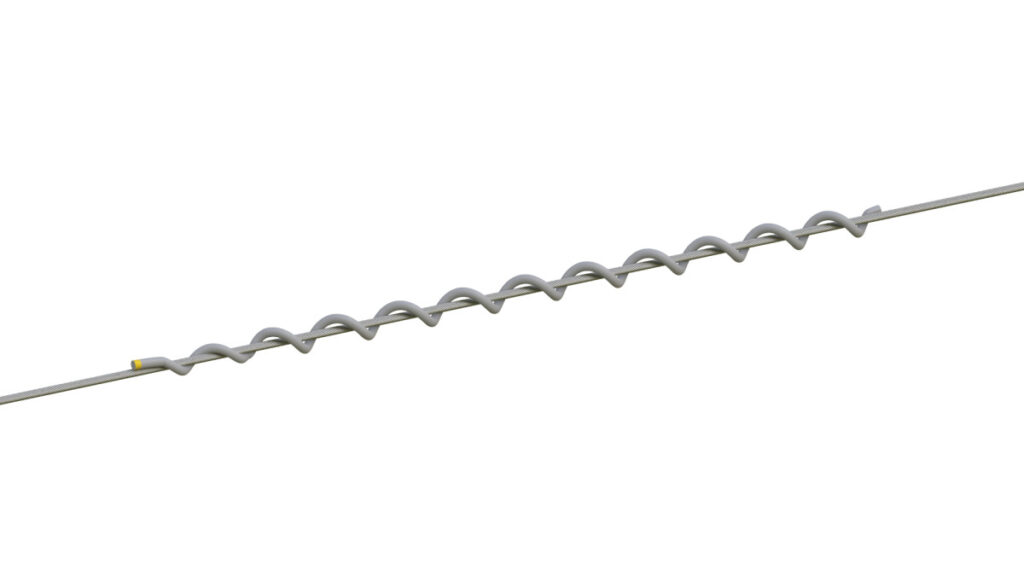
- Protecting overhead transmission lines—solar farms depend on overhead transmission lines to send power. The lines are susceptible to wind-induced vibrations in rural, open environments. The dampers absorb and dissipate vibration energy and prevent outages caused by mechanical failures.
- Enhancing power stability—vibrations cause voltage fluctuations and line noise in long spans of cable. Spiral vibration dampers help maintain voltage stability, power quality, and reliable frequency control.
- Reducing maintenance needs—reducing mechanical wear and conductor fatigue reduces maintenance costs. SVDs reduce inspection frequency, prevent costly emergency repairs, and improve reliability of solar transmission lines.
- Supporting microgrid expansion—spiral vibration dampers are crucial in securing short-span aerial lines, withstanding local wind patterns, and maintaining reliable power. This supports decentralized energy access in areas neglected by the national grid.
Challenges of solar integration into Venezuela’s main grid
Solar energy is a clean and sustainable way to help stabilize the system and increase energy access. To realize Venezuela’s solar potential, the grid must be updated with smart infrastructure, policy reforms, public-private partnerships, and workforce training investments. Addressing these issues will assist to mitigate grid instability and power shortages. These challenges include:
- Outdated grid infrastructure—aging infrastructure in the country is prone to frequent equipment failure and power losses. Modernization helps increase flexibility by integrating solar energy.
- Lack of modern grid management technologies—solar integration demands smart grids for real-time data and control, SCADA systems for automation, and load forecasting tools to balance supply and demand.
- Weak interconnection standards and regulations—there is a lack of clear policies on how solar systems should connect to the grid. The uncertainty discourages investment and delays project approvals.
- Limited investment and financing—economic instability, sanctions, and political risks restrict foreign direct investment, access to international financing, and availability of affordable credit for local solar developers.
- Insufficient energy storage infrastructure—battery storage systems are necessary to stabilize solar output. Venezuela faces high costs for lithium-ion batteries, a lack of domestic manufacturing capacity, and import restrictions due to sanctions.
- Shortage of skilled workforce—integrating solar into the grid demands expertise in power electronics, grid synchronization, renewable energy engineering, and operations and maintenance.