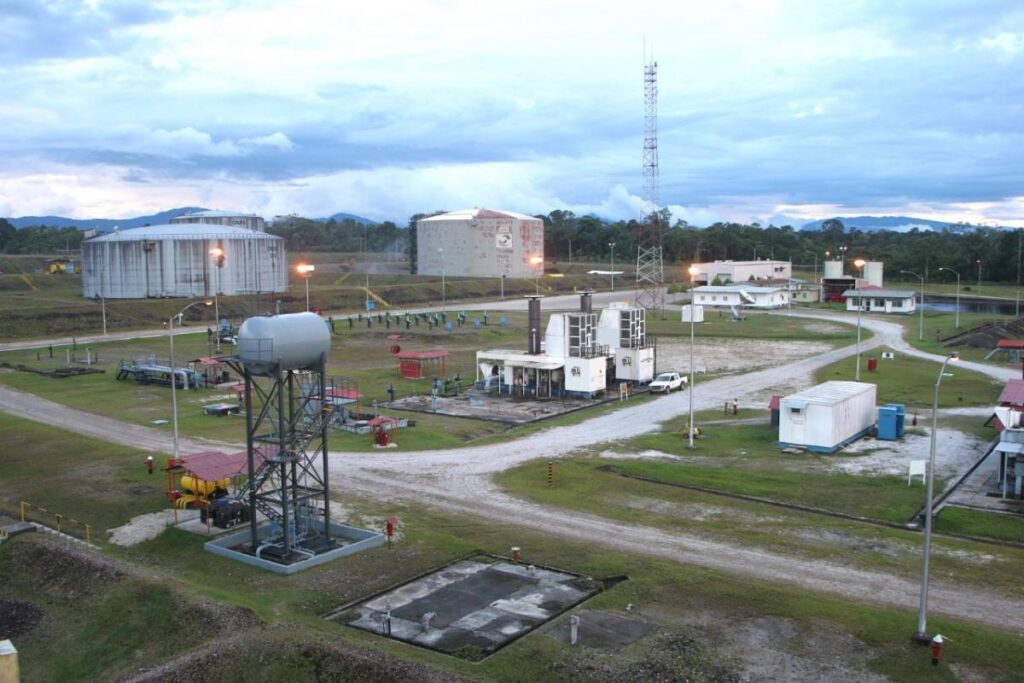
In 2025, Peru’s upstream hydrocarbon investment totaled $99.4 million, compared to the previous year. However, upstream exploration is still negligible, indicating a lack of investment. To help high-risk investors, the Peruvian government extended a tax refund incentive for exploration inputs until 2027. PeruPetro is also working on regulatory improvements, such as improving licensing systems, streamlining bureaucracy, and complying with the Extractive Industries Transparency Initiative. PeruPetro has signed two exploitation contracts and six technical evaluation agreements. It promotes 124 under-promotion regions in basins including Talara, Ucayali, and Marañón. Upstream hydrocarbon exploration influences Peru’s energy security, international investment, and environmental tensions. Its long-term success is contingent on open government, robust environmental safeguards, respect for indigenous rights, and inclusion into a larger clean energy transition. Cable suspension clamps are crucial for maintaining electrical and communication integrity in Peru’s upstream hydrocarbon operations.
Cable suspension clamps help to maintain electrical and communication infrastructure in difficult terrains. Infrastructure supporting upstream operations must be dependable, lightweight, and minimally invasive. Cable suspension hardware are components that improve energy efficiency, promote safe exploration, and allow for real-time monitoring and compliance. The clamps also support and secure overhead wires used in power transmission, communication, and control systems for oil and gas production. Suspension clamps protect cables against slippage, vibration damage, and corrosion, ensuring long-term durability. Proper clamping lowers the danger of cable failure, which can disrupt exploration and production activities. They facilitate maintenance in remote areas when repairs are expensive and logistically difficult. Some clamps support fiber optic or telecommunication wires used to monitor pipelines, wellheads, and SCADA systems.
The function of cable suspension clamps in upstream hydrocarbon prospecting infrastructure
Cable suspension clamps are critical for ensuring electrical and communication integrity in Peru’s upstream hydrocarbon operations. They ensure continuous exploration and production in harsh conditions. As a result, they play an important role in supporting essential electrical and communications infrastructure. Here are the duties of cable suspension clamps in Peru’s upstream hydrocarbon industry.
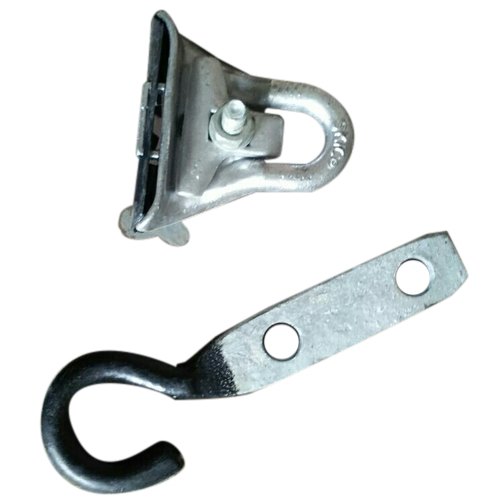
- Secure overhead cable support—cable suspension clamps anchor and suspend overhead conductors. This is crucial in both power and communication lines along exploration sites and temporary field bases. The clamps ensure mechanical stability, vibration resistance, and reduced stress on insulators and towers.
- Power supply to remote drilling equipment—exploration rigs and geophysical survey stations need stable power transmission. Cable support for oil rigs keeps the conductors elevated and aligned to prevent sagging over long spans.
- Fiber optic and SCADA cable management—suspension clamps suspend fiber optic cables and SCADA systems. These send real-time data from exploration wells to control centers. This is crucial for monitoring reservoir pressure, remote valve control, and real-time safety alerts.
- Withstanding harsh environmental conditions—durable cable hardware resists UV radiation, heavy rainfall, corrosive environments, and wildlife interference. These clamps are from galvanized steel, aluminum alloys, or polymer-insulated models.
- Quick installations—cable suspension clamps allow for fast setup of temporary power grids, minimal disruption, and easy relocations. They help meet environmental regulations by reducing the need for buried cables.
Infrastructure technologies employed in upstream exploration in Peru
Peru’s upstream hydrocarbon business requires sturdy and adaptable technologies. These technologies enable seismic surveys, drilling operations, and data collection in the most difficult terrains. The infrastructure must be designed for precision, mobility, and little environmental impact. The integration of digitally enabled, flexible, and low-impact technology is critical as the country unlocks fresh assets. These technologies include:
- Modular drilling rigs—exploration wells are drilled using mobile rigs that are skid-mounted, designed for tight clearings, and equipped with automated pipe handling and top drives. Modular rigs reduce the environmental footprint by demanding less site prep and easier relocation.
- Off-grid power and fuel systems—companies deploy diesel gensets and gas turbines, solar-diesel hybrid microgrids, and battery storage units. These systems power lighting towers, SCADA systems, and drill motors.
- Electrical and communication infrastructure—reliable communication is crucial for safety and efficiency. The technologies include SCADA systems, fiber-optic and satellite uplinks, and cable suspension clamps.
- Digital twin and data analytics platform – digital twin models stimulate and optimize drilling, well placement, and reservoir performance. They use real-time data feeds, AI-powered analytics, and cloud-based dashboards.
- Remote sensing and environmental monitoring—there is implementation of drones for aerial vegetation mapping, satellite imaging, and IoT sensors. These technologies help balance development with indigenous rights and conservative laws.