Tag: Peru

  • Clevis bracket for gas and renewable integration

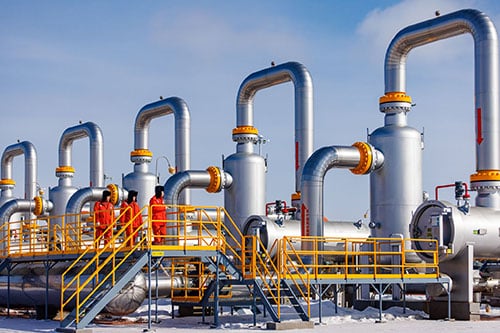
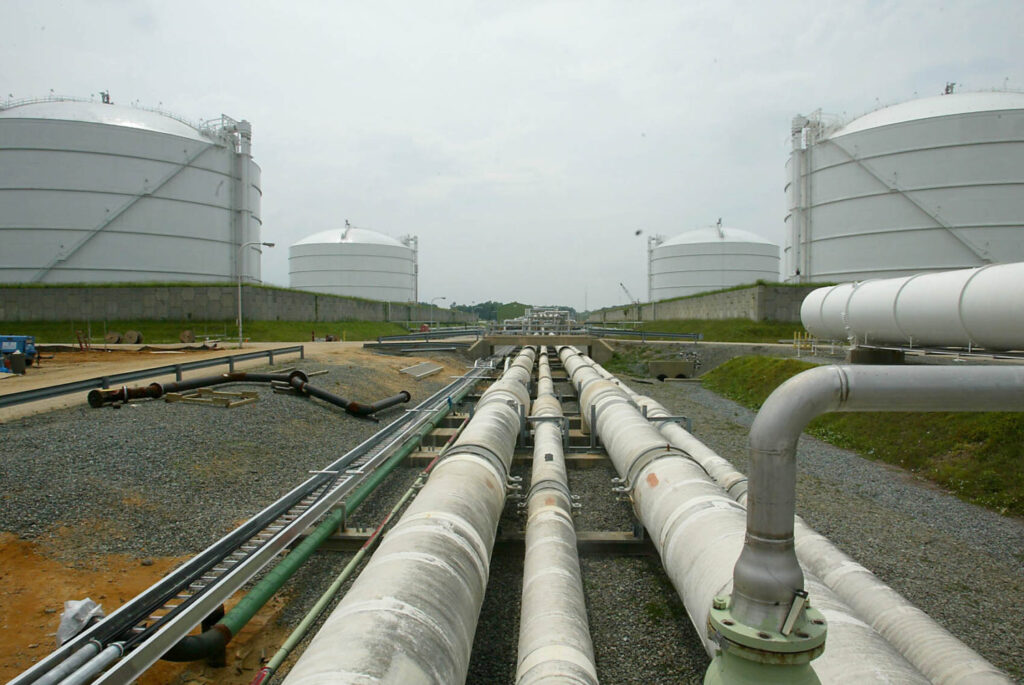
    Pipelines transporting natural gas

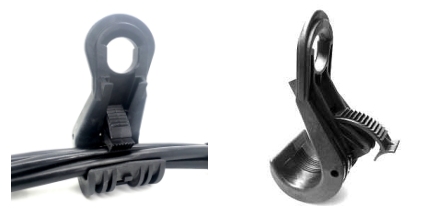
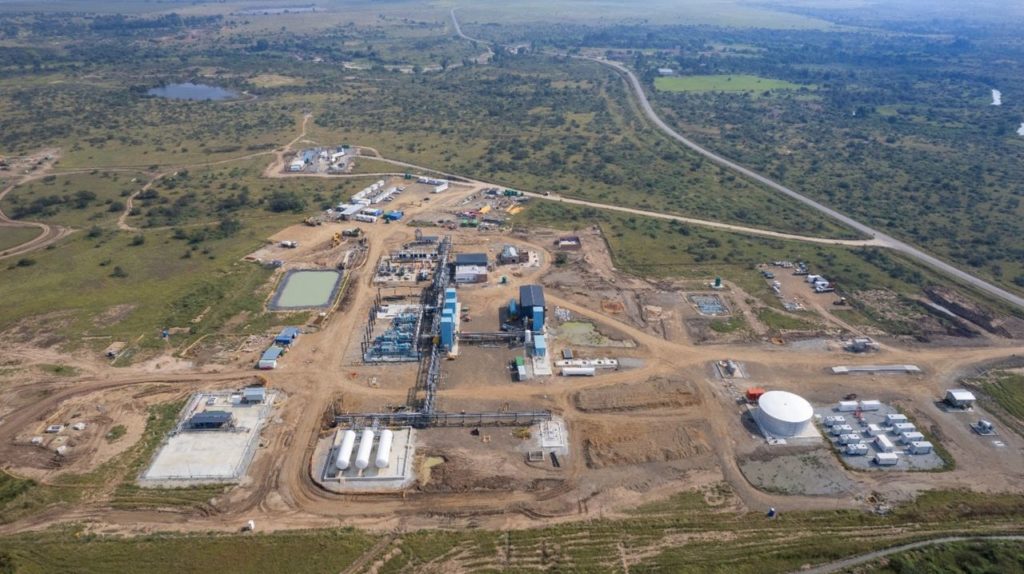
    Recently, a gas pipeline in Peru collapsed, exposing a structural risk in the country’s gas-to-power value chain. The 730-kilometer duct transmits Camisea gas and natural gas liquids from the Amazon to Lima on the shore. This highlights the risks associated with reliance on the transportation infrastructure and strengthens arguments for new pipelines and the establishment of a regasification import project. The rupture emphasizes the importance of parallel pipelines, LNG import ports, and gas storage facilities. This increases the need to support solar and wind deployment, hybrid systems with battery storage, and decentralized generation models. It helps to lessen reliance on centralized gas transportation infrastructure. Supporting renewable energy creates a change in how the gas industry operates, invests, and manages risk. Increased renewable penetration needs turbine retrofits for capability and enhanced dispatch algorithms for hybrid systems. Using a clevis bracket in the infrastructure offers structural support, load transfer, and controlled movement.

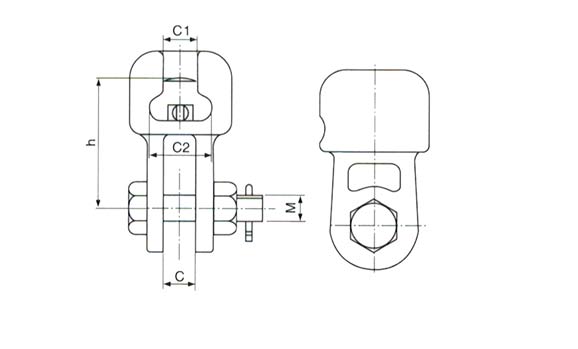
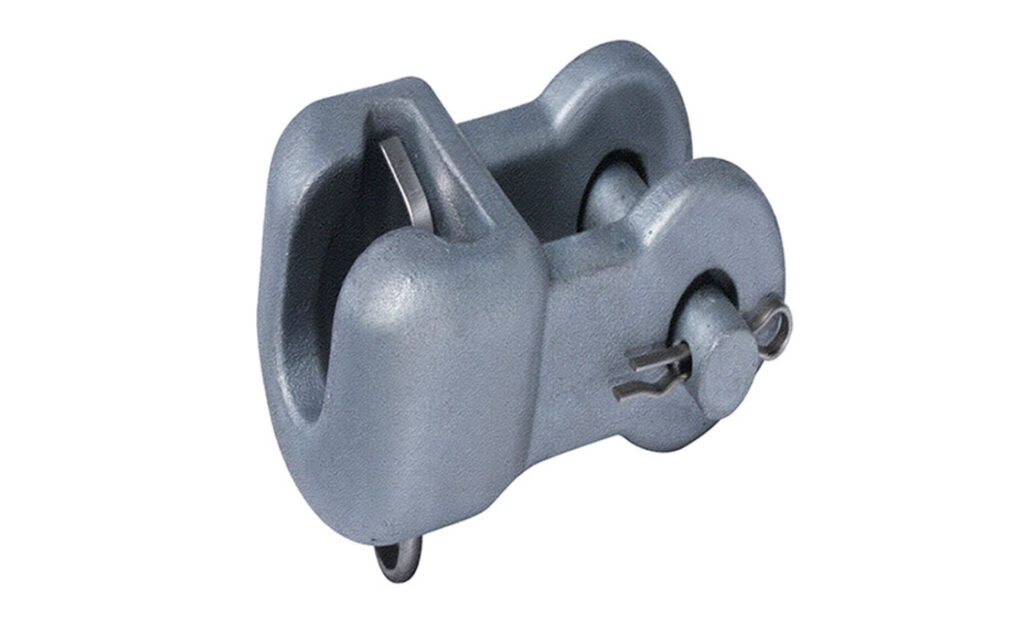
    The clevis is critical for preventing problems when combining gas pipes with renewable energy infrastructure. Clevis brackets suspend and support pipes, preventing sagging and excessive movement due to vibration. They ensure the pipeline’s integrity as it connects to new facilities. Forged clevises serve as wire rope termination devices. They move tensile pressures from support structures to ground anchors. They are critical for stabilizing infrastructure such as pipeline suspension bridges and guyed masts in renewable power lines. Clevis joints provide articulation and movement in coupled systems. This is critical for controlling pipeline expansion and contraction owing to temperature fluctuations. They also offer tie-down points to secure vertical assets and other tall equipment. The clevises assist brace the buildings against seismic activity and dynamic forces.

    Quality verification of the clevis bracket used in pipeline and renewable infrastructure integration.

    Natural gas storage and transportation infrastructure

    The clevis bracket meets stringent reliability requirements in a dynamic and risk-sensitive system. Quality assurance begins with mill tests, chemical composition analysis, and mechanical property testing to confirm material specifications. The clevis is forged with integrity during the production process to avoid internal voids, inclusions, or segregation. It also considers machining accuracy and welding quality. Other tests include corrosion control, mechanical and load testing, dimensional inspection, and documentation. Brackets that are resistant to fatigue and durability are required for integrating gas pipes and renewable energy sources. Energy systems include gas pipelines, solar and wind farms, and battery storage systems. Modern quality assurance supports integration of inspection data into digital asset management systems and use of sensors for stress and vibration monitoring.

    Clevis brackets roles in integrating gas pipelines with Peru’s renewable infrastructure

    Using clevis brackets in gas pipeline integration with renewables increases flexibility, robustness, and mechanical integrity under changing operating conditions. They maintain structural integrity, tolerate dynamic working circumstances, and enable adaptation. Clevis brackets help to shift to a more flexible, adaptable, and resilient energy system. The following are the duties of clevis brackets in Peru’s gas pipeline integration with renewables.

    Clevis brackets connect pipelines to support structures
    1. Load transfer and support—clevis brackets connect pipelines to support structures and transfer tensile, shear, and dynamic loads safely. They ensure the pipelines remain supported even under elevation changes and soil instability.
    2. Thermal expansion and contraction—the clevis enables controlled movement at connection points and reduces stress concentrations along the pipeline. They help absorb expansions and contractions without inducing structural fatigue.
    3. Vibration and dynamic load management—the brackets dampen vibration transfer to structural supports and stabilize pipeline alignment under dynamic conditions.
    4. Alignment and positional stability—pipeline alignment maintains flow efficiency, prevents localized stress points, and ensures integrity of joints. Clevis brackets keep pipeline sections oriented and prevent sagging or lateral displacement.

    Infrastructure used to link gas pipelines with renewable energy infrastructure

    This integration in Peru requires a layered, hybrid system architecture that stresses resilience, redundancy, and longevity. Key infrastructure includes

    • Core gas transport and reinforcement infrastructure—this includes high-pressure transmission pipelines and compressor and metering stations.
    • Gas-fired power plants—this includes combined cycle gas turbine, open cycle gas turbine plants, and dual-fuel capability.
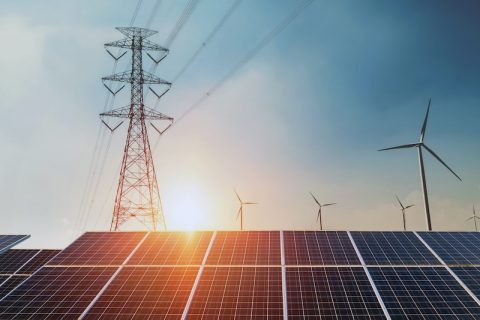
    • Renewable energy infrastructure integration—gas pipelines integrate with solar PV, wind farms, and hybrid power plants. The infrastructure shares grid interconnection points and control systems for coordinated dispatch.
    • Battery energy storage systems—these provide short-duration balancing for renewable intermittency and reduce reliance on gas for rapid response.
    • Smart grid and digital control infrastructure—this includes supervisory control and data acquisition, advanced energy management systems, and predictive maintenance platforms.
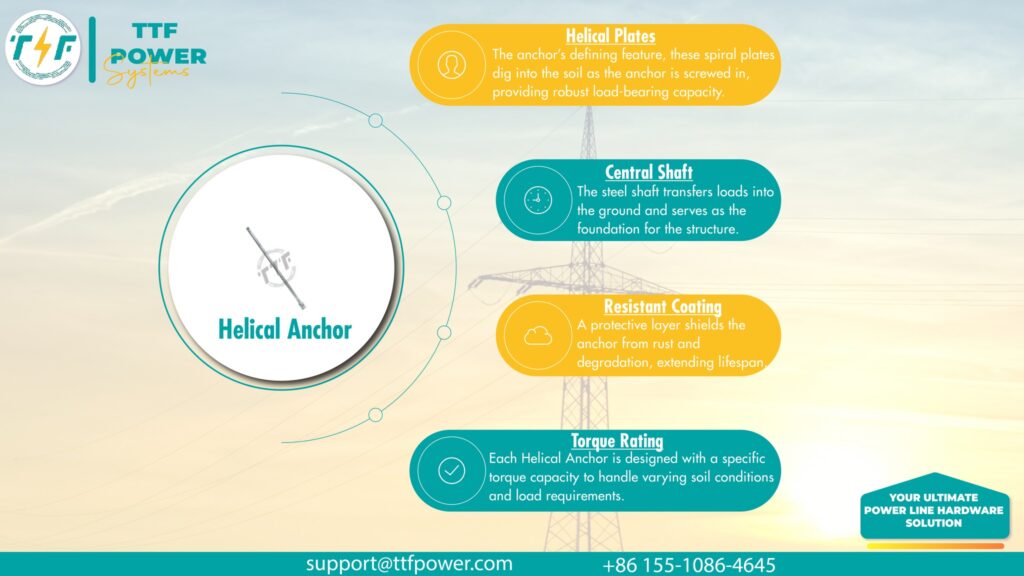
  • Helical anchors: materials, QA & roles in renewables

    Renewable energy development

    Actis, an investor in sustainable infrastructure, has sold Orygen, a power generation firm, to Grupo Romero. Orygen’s diverse infrastructure comprises hydro, thermal gas, wind, and solar energy. To meet decarbonization targets, renewable assets may be expanded further in the infrastructure sector. The industry may also improve current plants’ efficiency and grid stability. Grupo Romero’s investment could result in infrastructure development that emphasizes domestic energy security and industrial demand. The transaction symbolizes an energy infrastructure that promotes continuity, localized growth, and long-term investment in dependable and sustainable power systems. Investing in renewable energy infrastructure has an impact on reliability, cost, resilience, and long-term competitiveness. The investments will improve transmission networks, automate substations and smart grid technologies, and integrate energy management systems. The upgrades improve grid efficiency and reduce technical losses. These developments and upgrades rely on robust hardware such as helical anchors.

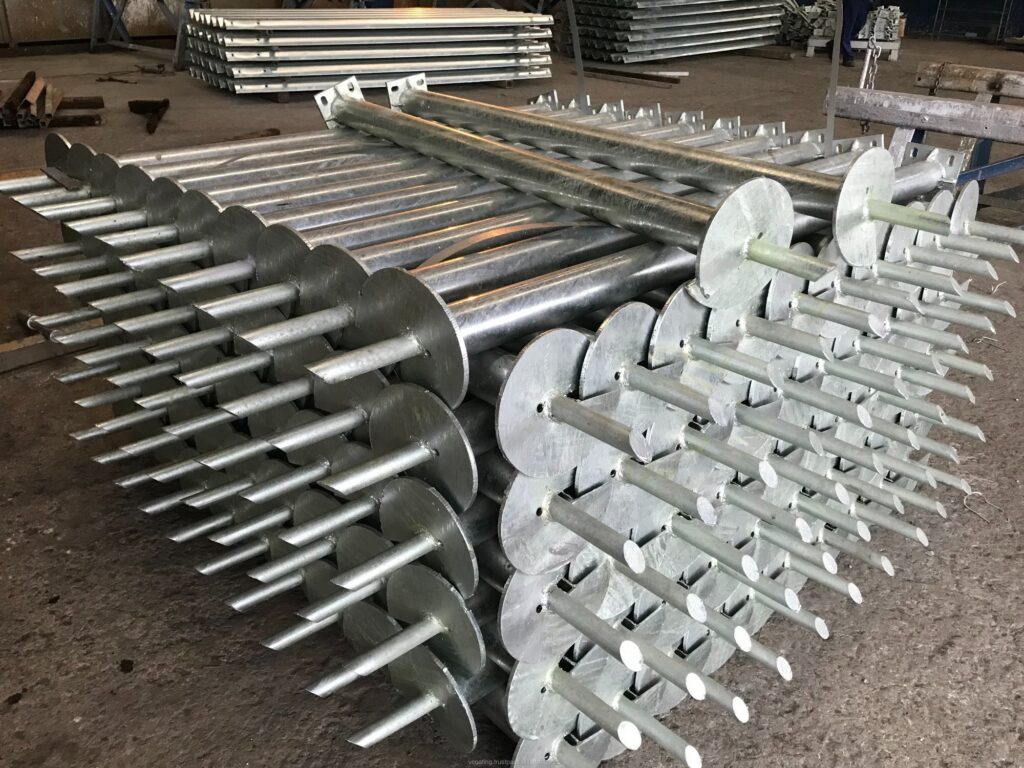
    High-quality anchors offer stability, longevity, and ease of installation in a variety of demanding settings. The anchors ensure the reliability of new energy projects, which in turn supports the sector’s expanding investment. Helical anchors support structures and mooring lines for floating solar panels. They give long-lasting, corrosion-resistant protection against wind and water movement. This allows for quick and free installation in remote regions. The anchors provide support for drilling rigs, storage tanks, and other energy installations. Helical anchors provide structural stability and resistance to soil movement. They offer a low-impact, easy-to-install foundation solution. Helical anchors provide dependable anchorage in situations where standard foundations are unsuitable.

    Quality assurance and materials for helical anchors in renewable energy infrastructure

    Features of the helical anchors

    Helical anchors provide foundational support for wind turbines and solar PV systems in renewable energy installations. Their performance is dependent on material selection, manufacturing quality, and installation requirements. Carbon steel and high-strength alloy steels are common materials used in helical anchors. Improving quality assurance ensures corrosion protection and long-term protection against air corrosion. The process entails material verification, dimensional and visual inspection, load testing, and corrosion testing. Using quality-assured anchors in wind turbine and solar PV installations assures consistent foundation support and eliminates structural failures that could jeopardize grid stability. Quality assurance ensures stability, durability, and safe operation under a variety of environmental circumstances.

    Helical anchors play important roles in Peru’s renewable energy infrastructure

    Helical anchors ensure structural stability in wind and solar systems for Peru’s electricity transmission system. They are critical in regions where soil conditions and environmental unpredictability need strong foundation solutions. Anchors promote safety, operational efficiency, and resilience. Helical anchors offer load-bearing strength, environmental endurance, quick deployment, and seismic and wind resistance. The following are the functions of helical anchors in renewable energy infrastructure.

    Helical screw anchors ensure greatest energy capture
    1. Energy infrastructure reliability—helical anchors maintain optimal operational alignment to ensure greatest energy capture and efficient system performance. They reduce maintenance frequency and costs by preventing structural movement, misalignment, or failure in harsh weather events.
    2. Structural support and load bearing—helical anchors stabilize wind turbine towers against high lateral and vertical loads caused by wind and seismic activity. They distribute the weight of racking systems over variable soil conditions.
    3. Flexible foundation solutions—the anchors reduce the need for deep concrete foundations. They are effective in soft alluvial soils, rocky highlands, and coastal sandy terrains. The anchors support modular solar or wind farm expansions without extensive civil works.
    4. Corrosion and environmental resilience—galvanized anchors protect against alkaline and high-moisture soils. Their material and installation quality prevents foundation degradation for long-term renewable asset reliability.

    Potential hurdles to Peru’s renewable energy infrastructure growth

    Technical, financial, regulatory, and environmental impediments exist in Peru’s efforts to expand renewable energy infrastructure. These can hinder project development and jeopardize long-term grid integration. To unlock the potential of sustainable energy, utilities must integrate strategic planning, investment in transmission and storage, policy stability, and community engagement. Potential barriers include:

    • Regulatory and policy barriers—these challenges include changes in energy policy, lengthy permitting processes, and grid access limitations. These prevent renewable projects from connecting efficiently to the national grid.
    • Financial and market challenges—utility-scale solar, wind, and hybrid projects need large investment in equipment and grid integration. It also includes variability in electricity market prices, dependence on PPAs, and foreign exchange risk that can impact project viability.
    • Technical and infrastructure constraints—integrating intermittent renewables needs upgrades in transmission, substations, and energy management systems. Lack of large-scale storage or pumped hydro facilities reduces the ability to balance intermittent generation with demand.
  • Insulator pins Impact on Peru’s Solar Energy Infrastructure

    Solar energy development infrastructure

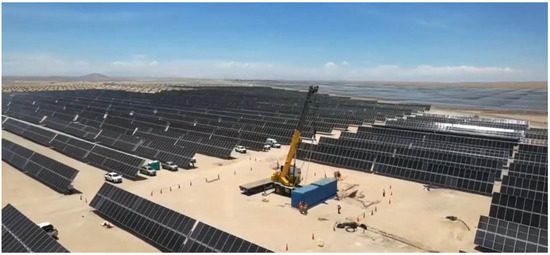
    Zelestra, a renewable energy firm, is developing solar projects in Peru, marking a significant step forward in the renewable energy scene. The Babilonia solar PV plant is helping to modernize Peru’s power infrastructure while also developing utility-scale solar energy. These developments affect electricity production, grid stability, and industrial energy supply. Zelestra has been investing in large-scale solar infrastructure in Peru, namely in areas with strong sun irradiation. The company’s approach is constructing utility-scale photovoltaic systems to generate electricity for the grid. The project development includes the construction of huge solar farms with capacities greater than 200 MW, the integration of modern photovoltaic technologies, and the development of supporting transmission and substation infrastructure. The Babilonia solar project has a capacity of 242 MWdc. The development includes improvements in high-voltage transmission networks, grid interconnection substations, power monitoring and control systems, and protection equipment for solar distribution systems. These developments use insulator pins for robust connections.

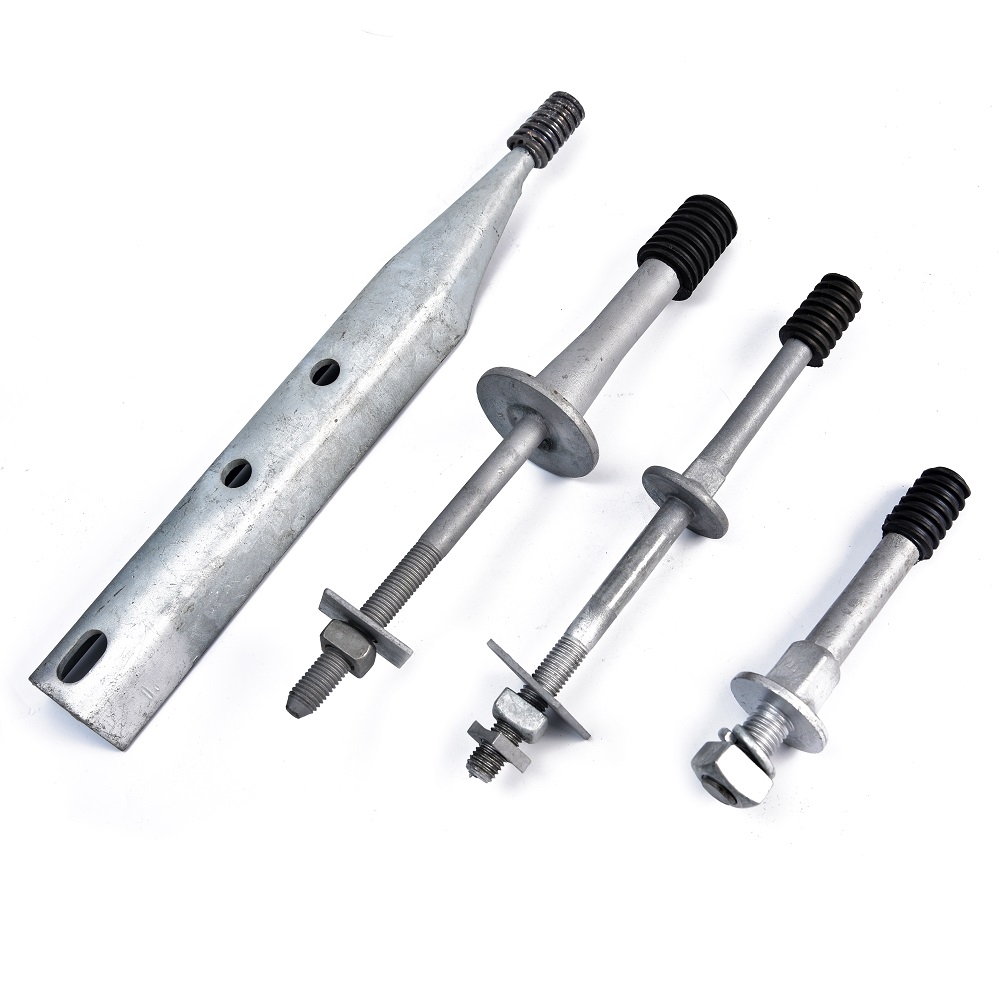
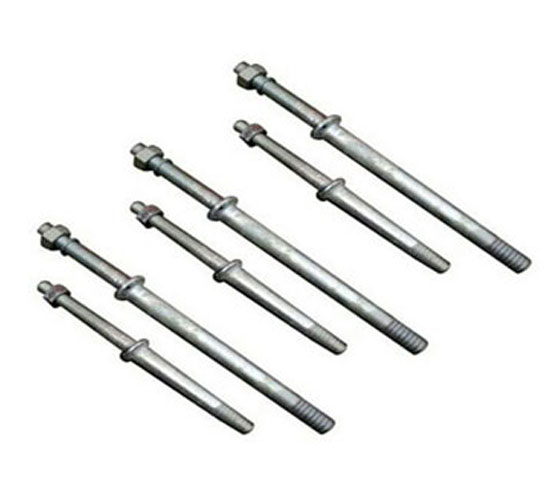
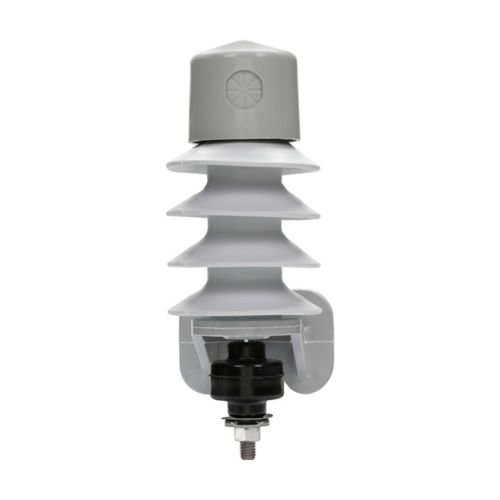
    Galvanized steel pins can perform both electrical and mechanical roles in solar projects. The insulator pin attaches energized electrical cables to their supporting supports. They prevent current from entering the structures. Insulator pins are critical given Peru’s harsh environmental and topographical conditions. These conditions include high humidity, intense UV radiation, and strong winds. Insulator pins create a non-conductive barrier between live wires and support structures. This prevents electrical leaks, short circuits, and arcing. The pin also supports and protects overhead cables that connect solar facilities to substations and the national grid. This helps to support the weight and tension of conductors. The insulator pin, which can sustain line strain, allows future solar farms to be connected to population centers.

    Quality verification of insulator pins used in solar projects

    Quality assurance process for the insulator pin

    Improving the quality assurance of insulator pins improves mechanical stability, electrical insulation dependability, and distribution infrastructure performance. Solar farms need massive medium-voltage distribution networks that connect inverters, transformers, and substations to the grid. Insulator pins with quality assurance support line insulators and keep conductors spaced on distribution poles. Compliance with standards assures that the component meets the electrical and mechanical specifications required for solar energy infrastructure. Quality assurance begins with inspecting the materials used to make insulator pins. It ensures that the components can endure mechanical loads from conductors as well as environmental conditions. The procedure also comprises mechanical strength testing, corrosion protection testing, thread inspection, surface quality inspection, and field inspection. Effective QA practices contribute to the stability and efficiency of solar energy infrastructure.

    Insulator pins play critical roles in the development of solar projects in Peru

    Insulator pins serve in the overhead distribution infrastructure for solar power plants. The insulator pins help to mount line insulators on distribution poles and support wires. These cables carry electricity from solar facilities to substations. The following are the functions of insulator pins in solar project development.

    insulator pins hold insulators at fixed positions
    1. Supporting line insulators on distribution structures—the insulator pin provides the threaded base that holds pin-type insulators. They maintain the proper positioning of insulators on poles and ensure mechanical stability for overhead conductors.
    2. Maintaining electrical insulation—insulator pins help maintain electrical separation between energized conductors and grounded pole structures. The pins hold the insulator at a fixed position, prevent current leakage from conductors, and support safe voltage clearance levels.
    3. Providing mechanical strength for conductors—Insulator pins provide mechanical strength and stability to the project. They do so by supporting the insulator that carries the conductor.
    4. Ensuring safe power transmission from solar plants—the pins support distribution lines within the solar plant, maintain conductor spacing, and enable safe routing of electricity to step-up transformers and substations.

    The impact of Zelestra’s solar project development on Peru’s energy industry

    Zelestra’s solar project boosts Peru’s renewable capacity, strengthens electrical infrastructure, and accelerates the transition to a more diverse and sustainable energy mix. Solar generating has an economic, technological, and environmental influence in Peru’s energy sector. Key impacts include:

    • Expansion of renewable energy capacity—solar plants contribute to increased installed renewable power capacity. It also reduces dependence on fossil fuel-based generation.
    • Modernization of power infrastructure—solar projects need advanced infrastructure for power generation, conversion, and transmission.
    • Increased investment in energy infrastructure—the development leads to growth in renewable energy financing, development of new energy infrastructure projects, and expansion of the renewable project pipeline.
    • Support for industrial energy demand—the solar project provides electricity supply through power purchase agreements. It also reduces dependence on fossil fuel-based electricity.
    • Development of renewable energy hubs—renewable energy hubs provide shared transmission infrastructure, reduced grid connection costs, and concentrated renewable generation zones.
  • Suspension Insulators in Peru Flood Protection Plans

    submerged electrical substation

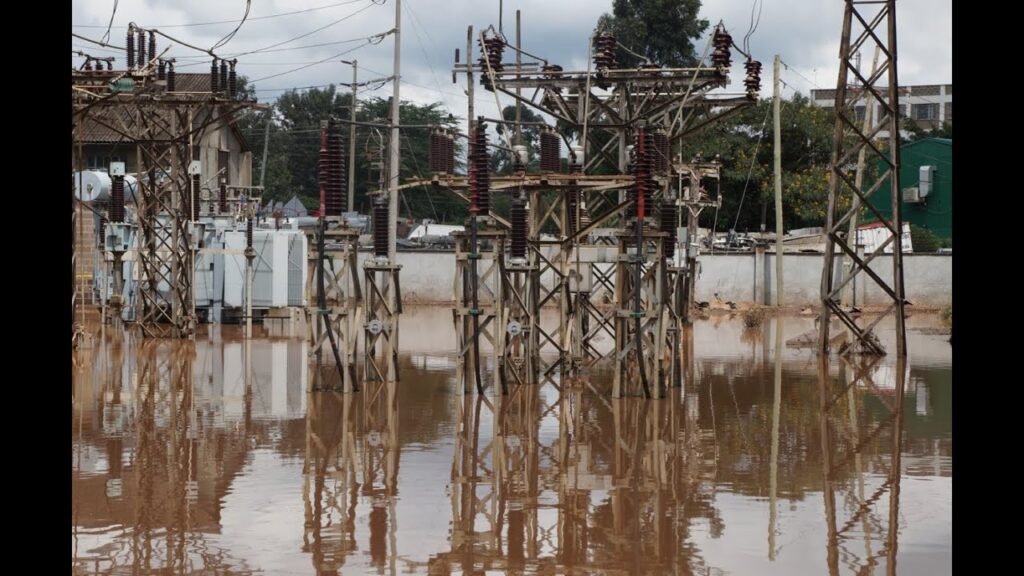
    The recent rains have resulted in flooding, posing operational and structural dangers to Peru’s electrical system. The rains cause landslides and infrastructural damage, perhaps disrupting electrical delivery. These conditions produce power outages as a result of short circuits in submerged electrical components, automated protection system tripping, and transmission or distribution line damage. Electrical companies frequently turn off sections of the grid to prevent equipment damage and safeguard public safety. Flooding and severe rainfall raise the risk of erosion and landslides. As a result, distribution poles collapse and transmission towers suffer damage. Flooding also damages control panels and monitoring equipment, contaminates transfer insulating oil, and causes switchgear and protection system failures. Utilities implemented initiatives to remedy these problems and improve grid and infrastructure reliability. This includes the use of high-quality suspension insulators.

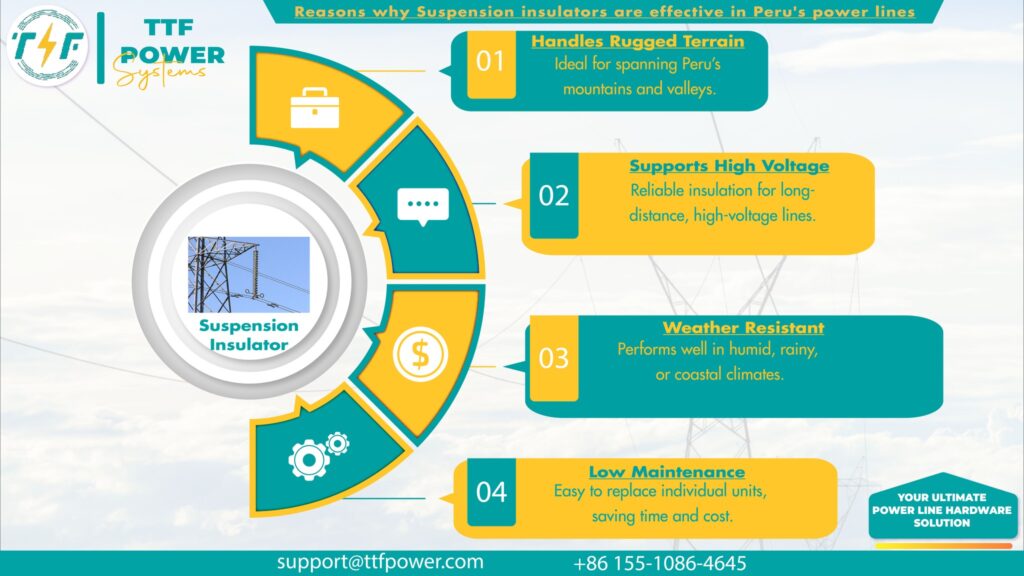
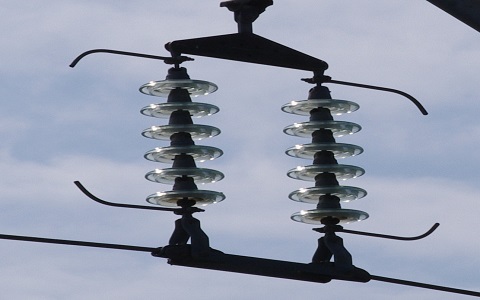
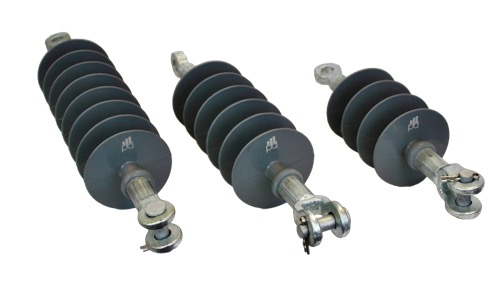
    Electrical insulators safeguard electrical equipment from floods and strong rains. Their design and material features contribute to better insulation and fewer power interruptions. Floodwaters can allow electricity to leap from the conductor to the grounded tower, resulting in a flashover. Suspension insulators feature a disc form that allows rainfall to drain off the upper surfaces. They prevent the creation of a water film capable of conducting electricity. Their shape also promotes creepage distance, which improves performance in wet circumstances. Suspension insulators are intended to withstand tensile loads from the conductor. Polymer insulators are lightweight, reducing the pressure on transmission towers during severe weather. Suspension insulators provide a dry and insulating barrier, preventing short circuits during floods.

    Quality assurance for suspension insulators used in the electrical infrastructure

    Conducting quality assurance on suspension insulators helps to preserve transmission dependability and prevent electrical breakdown. Insulators sustain conductors while isolating them from towers and poles. Suspension insulators must be tested and verified for quality before being deployed in Peru’s different conditions. To follow electrical and mechanical requirements, suspension insulators must adhere to relevant standards. This contributes to reliable operation in high-voltage transmission systems.

    Benefits of using suspension insulators

    The quality assurance procedure consists of raw material verification, mechanical strength testing, electrical performance testing, and weather resistance testing. This ensures that the insulator can tolerate high voltages, mechanical stresses, and extreme environmental conditions. Utilities and suppliers help ensure the reliability, safety, and long-term performance of Peru’s transmission and distribution networks.

    Suspension insulators protecting electrical infrastructure during Peru’s floods

    Suspension insulators keep overhead conductors safe while insulating them from grounded buildings. Insulators guarantee electrical safety, prevent failures, and ensure the stability of power infrastructure. They ensure that Peru’s electrical grid is reliable and safe during extreme weather occurrences. Here’s how suspension insulators protect Peru’s electrical system.

    Suspension insulators provide dielectric separation between conductors
    1. Electrical isolation of conductors from grounded structures—suspension insulators provide dielectric separation between energized conductors and grounded poles.
    2. Maintaining creepage distance in wet conditions—the insulators are designed with sheds that increase creepage distance. Suspension insulators reduce the likelihood of surface tracking and flashovers that could disrupt transmission lines.
    3. Supporting conductors—the insulators protect the infrastructure by supporting the mechanical weight and tension of conductors. They also allow limited movement of the conductor during displacement.
    4. Preventing flashovers during high humidity—the insulators provide long insulation paths that reduce voltage gradients and maintain dielectric strength in wet environments.

    Measures taken to protect Peru’s electrical infrastructure during floods

    Flooding can cause damage to transmission and distribution networks, substations, and key equipment. This leads to protracted outages and economic losses. Utility and government organizations have implemented structural, operational, and planning initiatives. These measures aim to improve grid resilience. These measures include the following:

    • Elevation and flood-proofing of substations—these include elevated equipment platforms, flood walls and perimeter barriers, and sealed control buildings.
    • Improved drainage and water management—utilities put in place perimeter drainage channels, sump pumps and drainage pits. This reduces the risk of soil erosion and water pooling that can destabilize electrical structures.
    • Reinforcement of transmission and distribution structures—protection measures include reinforced foundations for poles and towers, anchoring with guy wires, and use of corrosion-resistant materials.
    • Integration of surge protection and insulation measures – utilities can adopt installation of line surge arresters to protect transformers and substations from lightning. They can also use high-quality suspension insulators to maintain dielectric performance in wet conditions.
  • Straight line deadends: Key impacts on Peru’s power grid

    Infrastructure used to expand the power grid

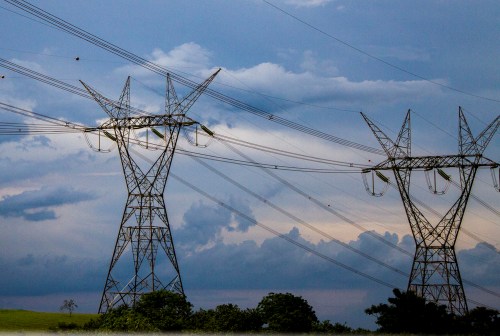
    Power line expansion in Peru is progressing as the country enhances its transmission infrastructure to meet increased electricity demand. Strategic investments help to expand the national grid and increase power dependability. The corporation owns a 132-kilometer-long 138 kV transmission line connecting the Aguaytia and Pucallpa substations in the Ucayali region. Peru is expanding its high-voltage transmission network to transport electricity from generation locations to consumption areas. The growth is centered on long-distance transmission lines and substation development. The expansion will connect rural regions to the grid, improve grid dependability, promote new industrial projects, and reduce regional power shortages. Transmission expansion allows renewable energy to reach key demand centers. High-voltage lines help maintain grid stability and efficient power transmission. These interconnections rely on straight line deadends to ensure structural integrity and operational flexibility of Peru’s expanding grid.

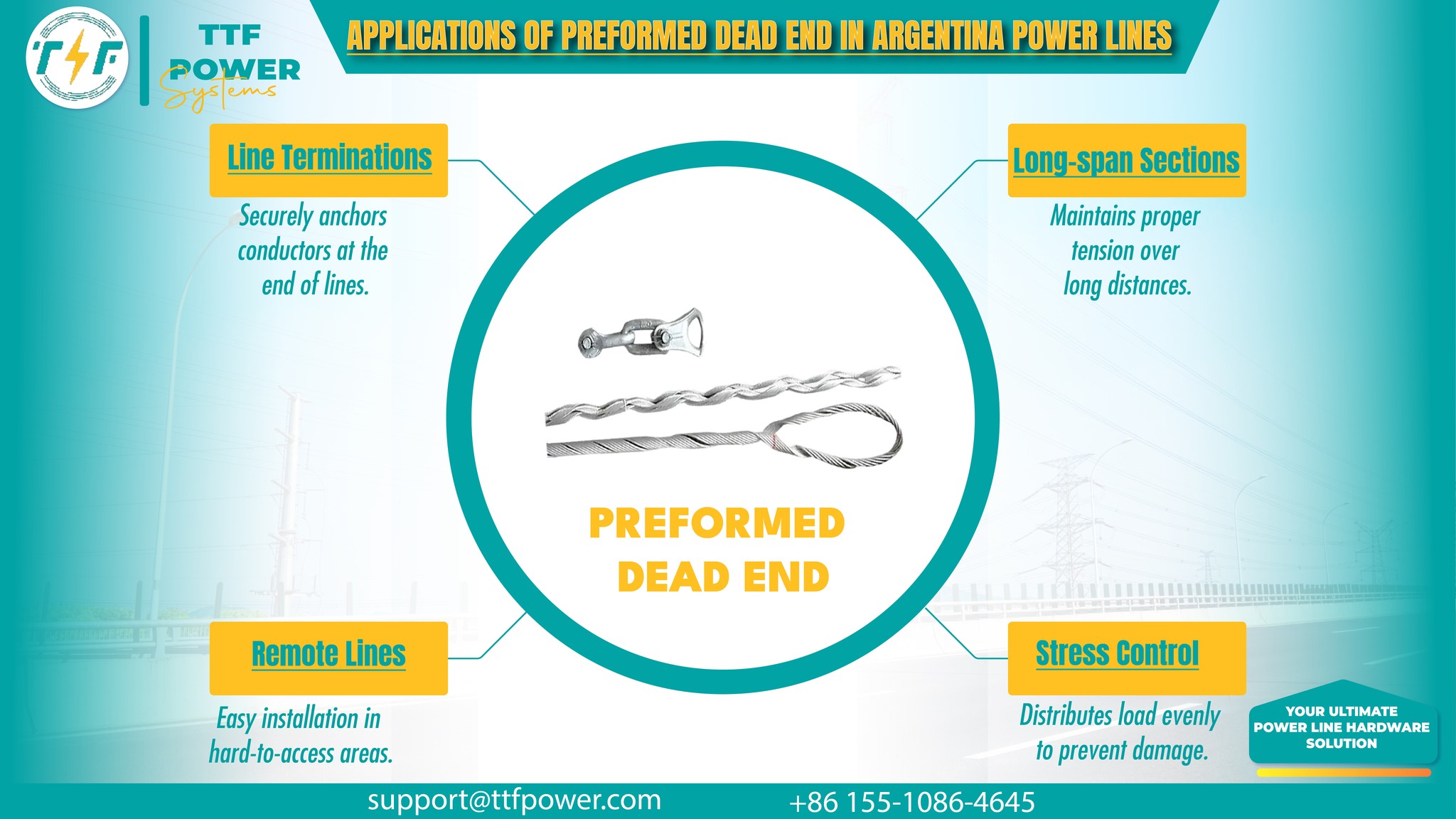
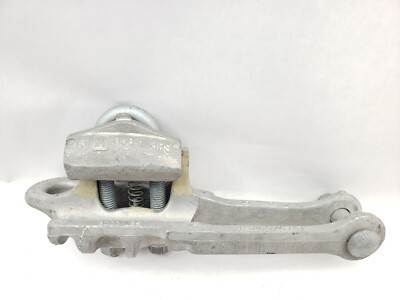
    The straight-line deadend secure the conductor at full strain. It terminates conductors at designated structures and maintains the conductor’s tension over extended distances. Straight-line dead-ends grasp the conductor and connect it to insulator strings at tension towers. The clamps enable the formation of sectionalizing points. The dead ends of these angle towers serve to fix the conductors in the new direction, ensuring that the tower can withstand stresses. The deadend clamp ensures a secure grip and reduces pressure on downstream components. They do this by absorbing the entire mechanical load of the conductor at that location. Additionally, deadends provide a strong, low-resistance mechanical and electrical connection that can endure extreme tension.

    Quality assurance of straight line deadends used in Peru’s power expansion

    Preformed deadends in power lines

    Straight line deadend quality assurance ensures that overhead line infrastructure is mechanically reliable, electrically safe, and performs well over time. Deadends serve to anchor conductors and maintain greatest tension along transmission lines. Strict quality assurance methods are required during design, production, and installation. Quality assurance begins with testing materials to ensure they can endure high tensile loads and harsh environmental conditions. Chemical composition analysis, tensile and yield strength testing, and hardness testing are all used to verify materials. These tests guarantee resistance to mechanical deformation. Precision manufacturing, mechanical load and performance testing, corrosion resistance, installation quality control, and traceability are other aspects of quality assurance. QA assists utilities in ensuring that deadends provide consistent conductor anchoring and long-term durability in Peru’s expanding electrical system.

    The purpose of the straight line deadends in Peru’s power line extension

    Straight line deadends anchor conductors and ensure correct tension along the line route. They ensure structural stability, secure conductor termination, and dependable electrical transmission over long distance networks. Deadends provide conductor termination and mechanical load transfer. This makes them critical to Peru’s new overhead transmission infrastructure. This supports the country’s expanding electricity demand. Here are the uses of straight line dead ends in power line expansion.

    Straight line deadends maintain tension by holding the conductors
    • Conductor anchoring and termination—the deadends terminate and anchor conductors at specific points along the transmission line. The dead ends prevent conductor movement and maintain line integrity under tension.
    • Maintaining conductor tension—transmission conductors ensure proper clearance from the ground and structures. Straight line deadends help maintain tension by holding the conductor in place, preventing slippage, and supporting tension adjustments.
    • Supporting transmission line structural stability—straight line deadends contribute to the mechanical stability of the transmission system. Load transfer ensures the transmission structures can withstand environmental and operational stresses.
    • Supporting grid expansion and infrastructure development—the deadends connect emerging industrial zones, renewable energy facilities, and developing urban areas. They support this by enabling secure conductor installation, ensuring long-term reliability, and maintaining structural safety.

    Key effects of power line expansion on Peru’s energy sector

    Investments in transmission infrastructure allow the government to increase energy reliability, integrate new power sources, and expand electricity access to outlying areas. These effects are as listed below.

    1. Strengthening the national grid—transmission expansion provides electricity routes during system disturbances, reduced congestion on existing power lines, and better voltage stability.
    2. Supporting industrial and mining growth—power line expansion allows electricity to reach remote mining regions. Improved infrastructure helps supply reliable power to mining operations and support industrial manufacturing facilities.
    3. Enabling renewable energy integration—transmission expansion is crucial for integrating renewable energy resources into the national grid. This helps diversify the national energy mix and reduce reliance on fossil fuels.
    4. Expanding electricity access in remote regions—power line expansion contributes to rural electrification programs, improved electricity access for isolated communities, and greater economic opportunities in underserved regions.
  • Dead-end insulators and Peru’s copper power hurdles

    Renewable-powered copper mining

    The transition to green energy in Peru is critical for expanding sectors such as copper, electric vehicles, solar, and wind infrastructure. Copper’s remarkable conductivity, durability, and effectiveness make it indispensable for renewable energy systems, grid development, and electric vehicles. It’s essential for connecting motors, transformers, and transmission lines. Each megawatt of installed solar or wind energy uses far more copper than fossil fuel power facilities. Power grids must be upgraded to accommodate varying loads. This form of power requires copper cabling, substations, and storage devices. The nation is increasing solar and wind initiatives to broaden its energy sources, aiming to lessen dependence on hydropower and fossil fuels. Copper mining operations in Peru are also powered by renewable energy. Dead-end insulators ensure the dependability, safety, and efficiency of high-voltage transmission lines that transfer renewable electricity from the source to copper mines.

    Quality insulators stop a straight stretch of electrical conductor to accommodate a shift in line direction. Dead-end insulators must endure the entire mechanical tension or pull of the conductor. Copper miners are using contracts with large-scale solar and wind farms to lower their carbon footprint. Dead-end insulators enable that large amounts of renewable energy generated in remote areas are reliably transmitted to the mine. They allow the cable to shift direction while maintaining enough clearance from the ground and ensuring the conductors are intact. Peru’s various geographic circumstances, such as the Andes mountains, need dead-end insulators due to height fluctuations and seismic activity.

    The function of dead-end insulators in renewable energy powering copper mining in Peru

    Mining enterprises are shifting to renewable energy sources like solar, wind, and hydropower. This comes as the country increases copper output to fulfill the growing worldwide demand for renewable energy and electrification. A dead-end insulator is a collection of insulators and hardware intended to withstand extreme mechanical tension. Dead-end insulators support efforts to reduce carbon footprints in copper mining. Transmission and distribution networks need dead-end insulators, which are essential for powering large-scale mining activities. Insulators help to withstand mechanical stress at power line terminals. They electrically isolated the conductor from its support framework. Here are the functions of dead-end insulators in copper mining powered by renewable energy.

    Composite dead-end insulators
    1. Supporting renewable power transmission to mines—dead-end insulators help securely end and anchor long-distance transmission lines carrying renewable power from generation sites to remote mining operations.
    2. Ensuring safety and reliability in mining energy supply—copper mining machinery, smelters, and processing plants need uninterrupted power. Dead-end insulators enhance reliability by preventing flashovers and line failures under heavy loads. This helps reduce blackouts in mining operations.
    3. Enhancing the sustainability of green mining—dead-end insulators support the scalability of renewable-powered grids. They enable the expansion of solar and wind energy into mining-heavy regions. They contribute to reducing the carbon intensity of copper production.
    4. Supporting transmission and distribution lines—the insulator is able to withstand mechanical stress at the endpoints of power lines. They anchor conductors securely in dead-end spans or sharp angle points.

    Main barriers to copper production with renewable energy in Peru

    Copper is used to make solar panels, wind turbines, and electric vehicles, all which help to reduce carbon emissions. Mining, however, presents many challenges in utilizing renewable energy. These barriers are as follows.

    • Infrastructure constraints—incorporating large renewable energy facilities into remote regions requires expensive transmission lines and substations. Battery storage systems are essential because solar and wind energy are variable.
    • Large capital expenses—switching from diesel or grid electricity to renewable sources requires significant initial funding for solar installations, wind facilities, and energy storage solutions.
    • Policy and regulatory hurdles – Peru’s initiatives aimed at the mining sector’s green transition are constrained. Lengthy bureaucratic procedures for renewable energy initiatives also hinder the adoption at the mine level.
    • Technological and operational limitations—mining requires dependable energy, which renewable sources have difficulty supplying without supporting backup systems. Incorporating renewable energy sources into mining activities requires sophisticated energy management systems.
    • Worldwide market fluctuations—copper demand is rising as a result of the global energy shift. Price volatility complicates companies’ ability to engage in long-term renewable investments. Mining firms focus on immediate cost reductions instead of sustainability efforts.
  • Cable suspension clamps aid Peru’s rural energy growth

    Rural electrification technologies

    Peru is implementing rural electrification initiatives to increase power access and enhance local economies. The government, commercial sector, and foreign partners are collaborating on a variety of initiatives that integrate technology, financing, and community participation. The electrification schemes are managed by the Ministry of Energy and Mines’ General Directorate of Rural Electrification (DGER). 39 projects in 19 regions are in underway, with a total investment of $415 million. These projects include grid extension in locations where it is technically and economically possible. Solar household systems, mini-grids, and hybrid renewable systems are being developed to reduce reliance on diesel generators. Various institutions, including the World Bank, IDB, and IFC, are sponsoring rural electrification schemes in Peru. Public-private partnerships are attracting private developers to invest in mini-grid and distributed solar projects. Cable suspension clamps play a crucial role in the mechanical support and integrity of the electrical distribution system.

    Quality suspension clamps offer structural and protective benefits over electrical ones. The clamp grips and supports the overhead electrical conductor, keeping it in place on the poles. It also distributes the weight of the cable to the support structure and foundation. A well-designed clamp distributes pressure uniformly to avoid crushing, abrasion, or fatigue, which could cause the cable to break over time. Cable suspension clamps are from corrosion-resistant materials to endure the weather. The materials used include galvanized steel and aluminum alloy. These materials assist the clamps withstand severe winds, UV rays, and temperature variations. Rural electrification entails running distribution wires for great distances between poles. Suspension clamps control stress and vibration over extended distances. Proper cable suspension clamps work in conjunction with dampers to absorb vibrational energy and protect the cable from fatigue.

    Uses of cable suspension clamps in rural electrification

    Cable suspension clamps are essential for projects such as solar mini-grids, wind farms, and grid expansion in Peru. They ensure the safety, reliability, and long-term viability of power infrastructure. Cable suspension clamps are mechanical fittings that support and secure cables to poles. They keep the cables in place while allowing for modest movement, reducing mechanical stress. The following are the roles of cable suspension clamps in rural electrification initiatives.

    Cable suspension clamps help distribute electricity from solar panels to the grid
    • Mechanical support for conductors—suspension clamps support overhead cables that distribute electricity from solar or wind generation sites to consumers.
    • Reducing mechanical stress and cable fatigue—cable suspension clamps distribute forces evenly to reduce wear and prevent conductor breakage.
    • Ensuring safety and reliability—proper installation of suspension clamps keeps lines at the correct clearance. They prevent accidental contact with people or infrastructure and ensure a stable and safe electricity supply.
    • Facilitating grid expansion in difficult terrain—suspension clamps enable cables to span the distances by securing them to poles.
    • Compatibility with renewable energy systems—cable suspension clamps help stabilize medium-voltage lines exposed to strong gusts. They support low- and medium-voltage distribution lines connecting arrays to substations or rural microgrids.
    • Long-term infrastructure sustainability—suspension clamps reduce maintenance costs and prolong the lifespan of rural electrification networks.

    Challenges During Rural Electrification in Peru

    Peru has made great progress in electrification, with over 95% countrywide coverage. However, rural communities in the Andes highlands and Amazon rainforest confront significant difficulties. Extending to these places necessitates overcoming geographic, economic, technological, and social barriers. Here are the main problems facing rural electrification in Peru.

    1. High infrastructure costs—extending transmission and distribution lines in sparsely populated areas is costly in urban areas. This leads to financial viability challenges for private companies.
    2. Technical limitations—these include grid instability in remote extensions, renewable integration challenges, and harsh weather.
    3. Geographic and terrain barriers—remote villages in steep, high-altitude areas make grid extension difficult and expensive. The Andes mountains and Amazon forests face conditions that raise project costs and extend implementation timelines.
    4. Limited funding and investment gaps—the funding in Peru is insufficient to meet 100% coverage goals. Subsidies are essential to make rural electrification affordable, and long-term sustainability depends on continuous public investments.
    5. Energy demand and economic viability—many rural households use limited electricity, which makes cost recovery difficult. Rural electrification risks may be underutilized without productive use of energy.
    6. Operation and maintenance issues—lack of trained local technicians leads to delays in repairing faults or maintaining renewable systems like solar panels and batteries.
  • Distribution arresters in Peru’s renewable copper shift

    Copper mine powered by renewable energy

    With global decarbonization, copper is an essential component in electric vehicles, wind turbines, solar farms, and smart grids. Copper production in Peru contributes to worldwide demand by ensuring that the mining sector is fuelled by sustainable energy sources. Peru’s growing number of solar and wind installations will help to decarbonize copper mining. This is critical because copper producers are establishing net-zero or carbon reduction targets, with renewable energy at the heart of their operations. Peru’s transition to renewable-powered mining boosts its competitiveness in international markets. Furthermore, governments in Europe, North America, and Asia prefer copper derived from mines with low carbon emissions. However, these operations confront problems such as infrastructure constraints, high initial expenditures for renewable energy initiatives, and regulation. Distribution arresters protect the expansive and critical electrical distribution system from destructive voltage surges.

    The renewable-powered copper mine in Peru is a fragile and high-risk environment for a variety of reasons. The majority of mines are located in the high Andes, where altitude and weather patterns make electrical storms typical. This necessitates a vast network of power lines and transformers linking remote renewable farms to mines. Damage to transformers, switchgear, variable frequency drives, and control systems occurs when distribution arresters are not present. Arresters prevent such damage and ensure that operations continue without interruption. Voltage spikes can cause problems for the inverters and complicated power electronics that convert solar and wind DC electricity to grid-ready alternating current. Arresters are installed at renewable generation installations to protect the equipment. Distribution arresters prevent damage and avoid downtime to contribute to the reliability, safety, and economic viability of using renewable energy to power copper production for green transition.

    The role of distribution arresters in renewable-powered copper mining in Peru

    As Peru increases its use of renewable energy to power copper mining, the use of arresters helps to assure system dependability and equipment protection. Distribution arresters protect electrical infrastructure against overvoltages and surges. They provide the operational stability when electricity originates from variable sources. The following are the functions of distribution arresters in copper mining.

    Distribution arresters protect renewable infrastructure from surges
    1. Overvoltage protection—distribution arresters protect transmission lines, transformers, and substations from damage. Renewable energy integration causes sudden load changes, where the arresters absorb the surges to prevent equipment failure.
    2. Ensuring grid reliability in renewable systems—distribution arresters stabilize systems by preventing voltage spikes. They ensure continuous operation of energy-intensive mining processes like grinding, smelting, and refining.
    3. Protecting copper-intensive infrastructure—mining operations depend on transformers, substations, and power lines. Distribution arresters preserve the longevity of infrastructure to reduce maintenance costs and energy losses.
    4. Supporting Peru’s green copper transition—distribution arresters enable copper mines to depend on clean energy sources without compromising reliability.
    5. Enhancing safety in mining operations—electrical surges damage equipment and pose safety risks. Distribution arresters cut risks by ensuring that excess electrical energy is safely discharged to the ground.

    Innovations for renewable-powered copper mining in Peru

    Copper is an essential component in solar panels, wind turbines, and electric automobiles. New technological advancements enable Peru’s mining sector to transition to renewable-powered production, lowering emissions and increasing competitiveness. Innovations in renewable integration, storage, electrification, and smart grid systems are revolutionizing Peru’s copper mining business. Common advancements aiding renewable-powered copper mining are:

    • On-site renewable energy integration—mining companies are investing in large-scale solar farms to directly power operations in Peru. Andean wind resources are being harnessed to supplement mine energy demand. This aims to reduce reliance on diesel and grid-based electricity.
    • Advanced energy storage solutions—BESS helps overcome the intermittency of solar and wind. Storage innovations ensure a steady power supply for critical mining activities like ore processing and smelting.
    • Smart grid and automation technologies—mining companies are building localized microgrids powered by renewables. Artificial intelligence predicts energy demand and adjusts renewable outputs to optimize efficiency.
    • Electrification of mining equipment—this includes transitioning from diesel-powered machinery to electric fleets. This helps cut down emissions and operational costs.
    • Sustainable water and waste management innovations—using clean power to process and recycle mine waste aligns copper production with global sustainability standards.
  • Corona rings role in Peru’s renewable investment

    Energy Transition trends

    After years of relying on hydropower and fossil fuels, non-hydro renewables like solar and wind may pave the way for Peru’s energy shift. The country is seeing a substantial move toward renewable energy, fueled by global climate obligations, falling technology costs, and the need for energy security. Investment patterns are shifting away from large-scale hydropower and toward solar, wind, and green hydrogen. This is despite transition hurdles such as legal frameworks, social turmoil, and grid modernization. The most attractive field for investment in Peru is solar and wind energy. Peru uses public auctions to attract investments for approximately 1.3 GW of solar and wind projects at what were then record-low prices in the area. Notable projects in the country include the Rubi solar plant (180 MW) and the Tres Hermanas wind farm (97 MW). Corona rings are enabling components for the high-voltage infrastructure supporting energy transition.

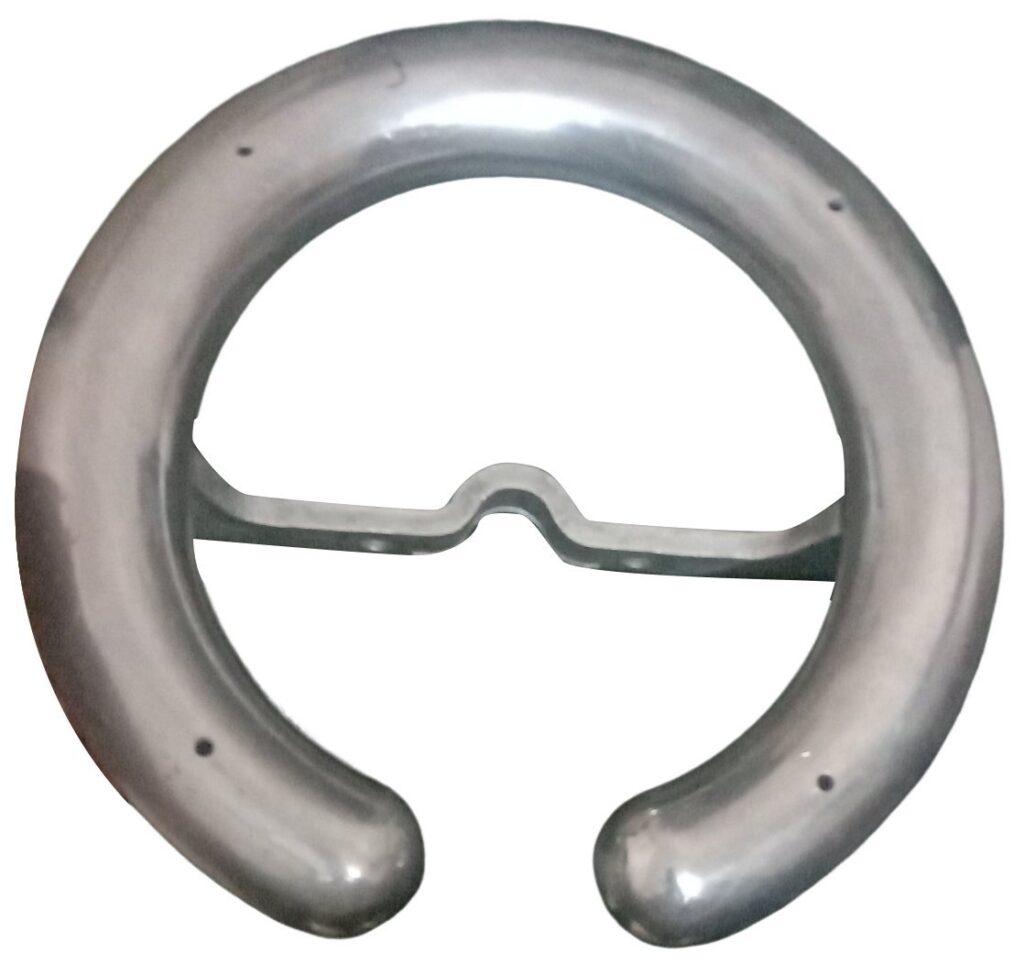
    Peru is also investing in green hydrogen, grid modernization, energy storage, transmission infrastructure improvements, distributed generation, and rooftop solar. Investors’ success will be dependent on their understanding of local social dynamics, strategic relationships, and managing the regulatory framework. The use of corona rings ensures the dependability, efficiency, and safety of transmission lines and substations that transport clean energy from new solar and wind farms. In high-voltage systems, the electrical potential can reach such a high level that it ionizes the air around a sharp conductive component. This is a corona discharge, which produces ozone gas that corrodes and destroys insulation, hardware, and conductors. The corona ring spreads the electrical field gradient around the component. It is used in transmission lines that carry electricity generated by renewable energy sources. Using corona rings helps Peru build the high-voltage grid necessary to realize its clean energy future.

    Impacts of Corona Rings on Peru’s Energy Transition

    Corona rings, also referred to as grading rings, are toroidal conductors installed at high-voltage stress locations. They are frequently installed at the line end of insulator strings, substation bushings, terminations, and equipment connectors. They reconfigure the electric field to keep it from being concentrated enough at any one place to ionize the air and cause a corona discharge. Corona rings function in transmission lines, renewable collector systems, substations, HVDC, and FACTS. Here are the primary roles of corona rings in Peru’s energy transition infrastructure.

    Corona ring reducing electric fields
    1. Reduce electric-field hotspots—the rings lower peak E-field on suspension hardware, post insulators, wall bushings, and cable terminations. It is crucial on 220/500 kV interties crossing the Andes, where lower air density promotes corona.
    2. Suppress corona discharge and power loss—corona converts energy into heat, light, ozone, and sound. Rings keep operating gradients below corona inception, cutting no-load losses. This is crucial for long spans feeding remote mines and hybrid renewables in Peru.
    3. Reduce audible noise—rings limit cracking and hissing in fog, drizzle, and salt spray along the wind farms and 500 kV yards.
    4. Protect insulators and hardware from aging—persistent corona erodes polymer sheds and pits metal. Corona rings help extend service life, especially where access is hard, such as high-altitude structures above 3,500 m.
    5. Enhance insulation coordination and overvoltage behavior—the rings help equipment withstand switching surges and lightning. They complement surge arresters on solar and wind substations.

    Infrastructure supporting the energy transition in Peru with rising investments

    Increased investment in Peru’s energy transition promotes renewable project integration, supply mining, electricity generation, and global trading capacity. The infrastructure used includes the following:

    • Power transmission—the IFC and Acciona are leading the upgrades to the grid through transmission projects. These lines will bolster capacity to integrate solar and wind energy to improve grid stability and reduce reliance on fossil fuels.
    • Utility-scale renewables—this includes the use of solar power to power mining operations in Peru. It includes the new San Martin solar park and Babilonia solar.
    • Distributed and rural-scale solar—this includes civil society-driven initiatives electrifying remote areas and enabling services.
    • Grid diversification—Peru’s electrical grid remains reliant on hydro and natural gas thermal plants. The IFC underscores the need for battery storage systems and hybrid mini-grids to help integrate renewables and stabilize the grid.
    • Export-scale infrastructure—the Chancay Megaport is a strategic infrastructure addition on Peru’s coast aiming to bolster export capacity and regional connectivity. It is crucial in supporting the broader economic shift tied to energy transition.
  • Strain clamps power IFC fund’s boost to Peru renewables

    Solar energy supporting energy transition

    With Peru’s rising acceptance of renewable energy, the International Finance Corporation (IFC) is giving a $600 million loan to help the country shift to cleaner energy. This investment is aimed at three different sorts of initiatives. It will help expand the 51.7 MW Intipampa solar project, the 36.8 MW Duna and Huambos wind farms, and the 26.5 MW Chilca BESS facility. The IFC grant will help Peru reduce its reliance on hydropower and natural gas. Peru will also develop a more resilient and diverse energy system that can survive climate change and variations in global fossil fuel prices. The Chilca BESS project will assist store energy generated by intermittent solar and wind sources. BESS provides services such as frequency regulation and helps maintain the grid’s stability and prevents blackouts. Strain clamps provide the physical integrity and reliability for the new infrastructure under construction.

    Renewable energy capacity growth strengthens the grid’s ability to handle a larger renewables penetration in the future. A strain clamp is interchangeable with dead-end clamps and tension clamps. Strain clamps are required when constructing new transmission lines to connect faraway solar and wind farms. They are also critical for strengthening the existing grid to accommodate the new and fluctuating power flow from solar, wind, and BESS. The IFC-funded projects provide critical demand infrastructure enhancements for connecting to solar and wind energy. The increasing power flow necessitates changes to current transmission and distribution networks. Strain clamps are used at all points where the conductor cable must be terminated or fastened under full mechanical tension. They serve at each transmission tower to secure the conductor to the tower structures. They also function at connection points to connect the conductor to other hardware on a tower.

    The role of strain clamps in increasing renewable energy capacity in Peru

    The IFC’s investment in renewable energy projects necessitates strong infrastructure connected by high-quality power line hardware. A strain clamp is a hardware fitting used in power transmission lines to anchor and secure conductors under mechanical tension. Strain clamps are connections that ensure the safe and efficient transfer of electricity produced by renewable projects. The strain clamp serves the following roles in renewable energy infrastructure.

    Strain clamps preventing conductor splippage
    1. Anchoring conductors in high-tension zones—strain clamps secure the ends of conductors where lines end, turn, or span long distances. The clamps prevent conductors from slipping under heavy tension.
    2. Withstanding harsh mechanical stress—renewable energy projects face high wind loads that increase line tension and high heat and UV stress. Strain clamps absorb these mechanical loads to protect the conductor and reduce the risk of line breakage.
    3. Maintaining electrical reliability—high-quality strain clamps ensure low electrical resistance at connection points. They reduce energy losses during transmission from renewable generation sites to demand centers.
    4. BESS integration—strain clamps help anchor the transmission lines linking the storage system to the grid. Strain clamps keep connections mechanically secure and electrically stable when large amounts of energy flow in short bursts.
    5. Supporting grid expansion for renewables—IFC’s projects need new and upgraded transmission lines to send renewable energy. Strain clamps boost renewable capacity by ensuring Peru’s infrastructure can handle the growing clean generation.

    Potential of the IFC’s money to expand renewable energy in Peru

    The IFC fund is critical as the country works to diversify its energy mix, cut carbon emissions, and strengthen resilience to market and climate threats. The fund has the ability to revolutionize Peru’s renewable energy environment by strategically investing in solar, wind, and battery storage initiatives. The potential is as addressed below.

    • Expanding solar power capacity—IFC’s financing of the Central Expansion solar Intipampa facility shows how solar projects can play a bigger role in Peru’s grid. Similar projects could unlock gigawatts of solar potential, supplying both urban demand centers and remote communities.
    • Strengthening wind energy development—IFC’s support ensures the financial stability of the wind projects while proving that wind energy is viable in Peru. It helps expand wind capacity that will diversify generation, which makes Peru less dependent on hydropower.
    • Infrastructure and grid expansion—IFC’s investment strengthens confidence in grid-enhancing technologies. These technologies include smart substations and transmission upgrades, energy infrastructure components like strain clamps, and hybrid plant designs.
    • Battery energy storage systems (BESS) can balance intermittent renewables, reduce curtailment, and provide backup during peak demand.