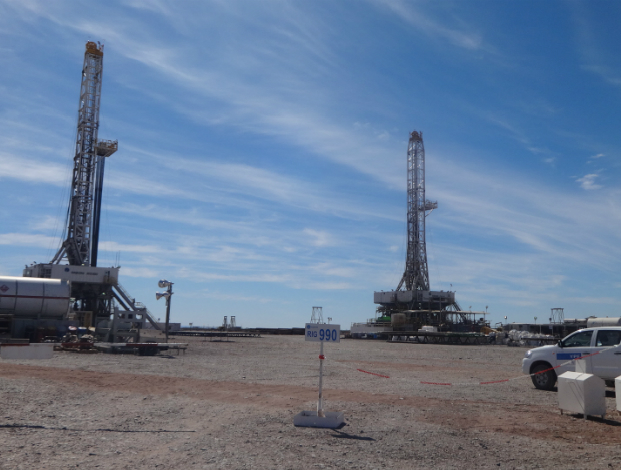
Argentina’s Vaca Muerta shale formation is expected to contain 16 billion barrels of shale oil and 308 trillion cubic feet of shale gas. The resource’s development is being driven by developments in horizontal drilling and hydraulic fracturing technology. Vaca Muerta has helped Argentina meet natural gas self-sufficiency. Argentina no longer need LNG imports and has begun exporting gas via pipeline to Chile and Brazil. Furthermore, shale oil lessens the demand for imported crude oil and processed goods. Argentina’s YPF formed joint ventures with major multinational energy corporations including Chevron, Shell, TotalEnergies, and Equinor. These collaborations are critical for providing the technical skills required for complex shale operations in the region. The development will also need the construction of new pipelines, LNG export facilities, and refining and petrochemicals. It will also need upgraded transmission lines supported by Y-clevis eyes. The Y-clevis eye ensures the safe handling and installation of heavy equipment.
The lifting and rigging components are critical throughout the drilling, completion, and production stages. Unlike a single-point connection, the Y-clevis eye provides stability and prevents slings from slipping. Y-clevises connect lifting slings to the wellheads’ specialized lifting points. Their design ensures that the lift remains balanced and secure during installation and maintenance operations. Y-clevises connect lugs to the crane’s rigging, enabling safe and controlled lifting. Blowout preventer stacks have valves put on top of the wellhead during drilling to control pressure and prevent blowouts. The Y-clevis eye is necessary for the rig’s lifting system to connect to the blowout preventer. This ensures a safe and steady lift during installation and removal. Y-clevises act as primary, high-strength connectors that enable the safe, stable, and efficient lifting of the equipment that drives the production process.
Functions of the Y-clevis eye in Vaca Muerta’s energy infrastructure
A Y-clevis eye is a forged steel hardware fitting found in transmission and distribution lines. It links insulators, conductors, and line hardware while also supporting mechanical and electrical loads. Y-clevis eyes are critical components in Vaca Muerta shale oil and gas operations because they ensure reliable energy transmission. The Y-clevis eye serves several functions in Argentina’s oil and gas production.
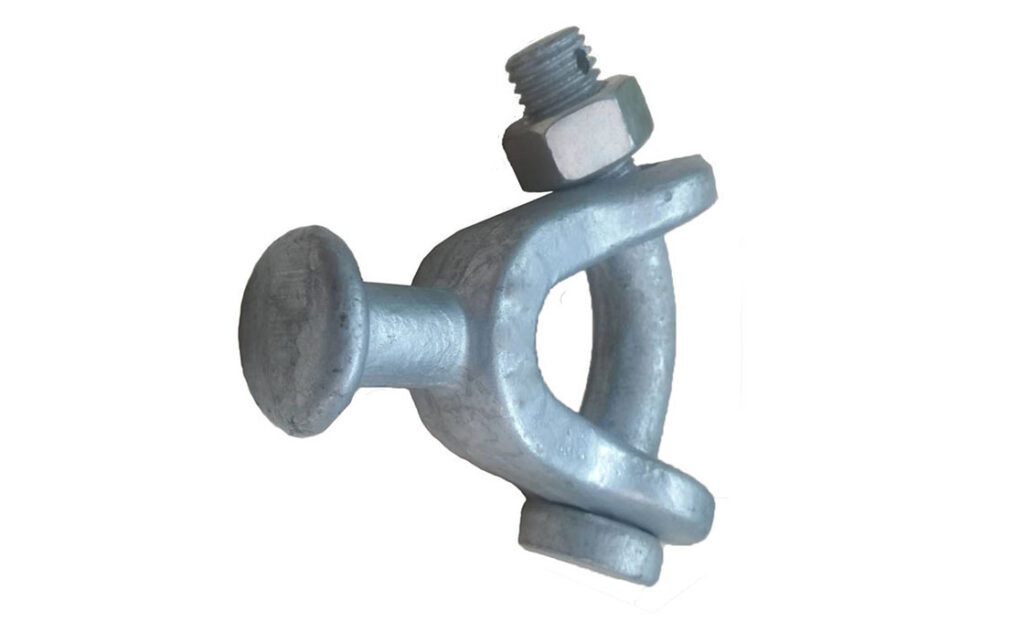
- Mechanical connection in high-voltage lines—Y-clevis eye links suspension or strain insulators to other fittings like clevis sockets or yoke plates. These connections are crucial in delivering electricity to drilling rigs, pumping stations, compressor units, and processing facilities.
- Load distribution and stress resistance—oil and gas fields need resilient transmission systems to endure harsh conditions. A Y-clevis eye distributes mechanical tension across the line to reduce stress on insulators and prevent equipment failure. This ensures continuous supply for energy-intensive processes like hydraulic fracturing.
- Flexibility in transmission design—shale infrastructure needs extensive temporary and permanent power setups. Y-clevis eyes allow engineers to configure different line designs efficiently.
- Durability in harsh environments—the clevises consist of galvanized steel that provides corrosion resistance and high tensile strength. This ensures long service life in outdoor installations like the Vaca Muerta region.
- Safety and reliability—the Y-clevis eye provides secure, low-failure connections to reduce the risk of conductor drops. This enhances worker safety and protects expensive equipment from electrical faults.
Renewable energy integration into the Vaca Muerta shale deposit in Argentina
Integrating renewable energy into the Vaca shale formation is critical for sustainability, efficiency, and global competitiveness. Renewable energy helps to meet increased energy demand, cut fossil fuel consumption, and meet investor expectations. Transmission expansion, energy storage, hybrid power plants, and regulatory incentives will all be required to complete integration. Renewable energy reduces the Vaca Muerta shale formation’s carbon footprint, increases operational resilience, boosts economic competitiveness, and improves reputation and market access. This development ensures that renewables and shale may work together in Argentina’s energy market. Supporting renewables includes:
- Wind power—wind farms feed into regional transmission lines to power shale infrastructure. The Patagonia region has a capacity exceeding 50%.
- Solar power—energy from solar farms—provides energy sustainability and complements wind generation. Northern Patagonia and western Argentina receive high solar irradiation.
- Hybrid systems—combining solar, wind, and storage—can deliver a stable supply of electricity to shale operations. This reduces reliance on diesel generators and gas-fired plants.
- Distributed renewable solutions—on-site microgrids using solar PV and battery storage can power remote well pads and clamps to reduce fuel transportation needs.