Tag: Argentina

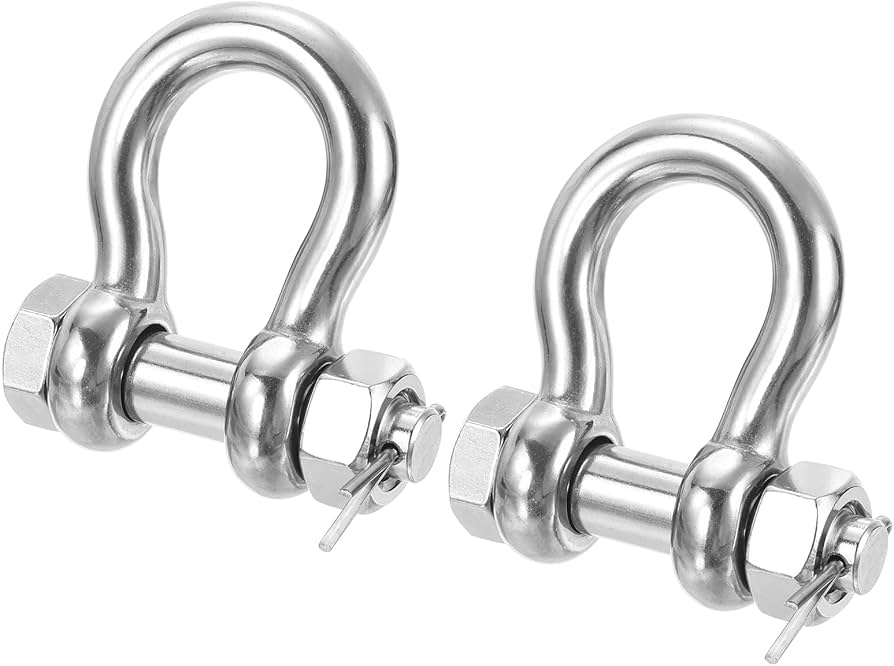
  • Stainless Steel Buckles in Shale Energy Projects

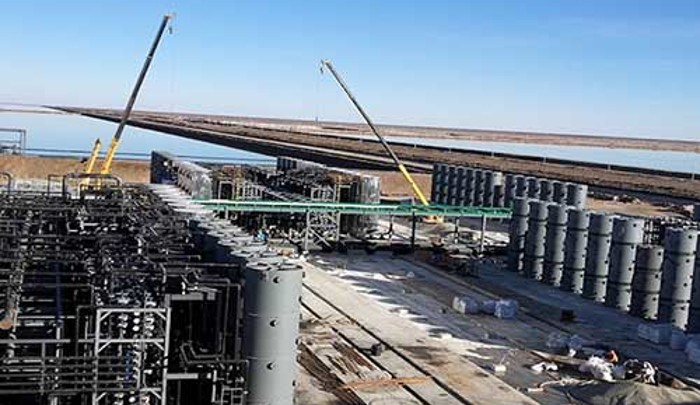
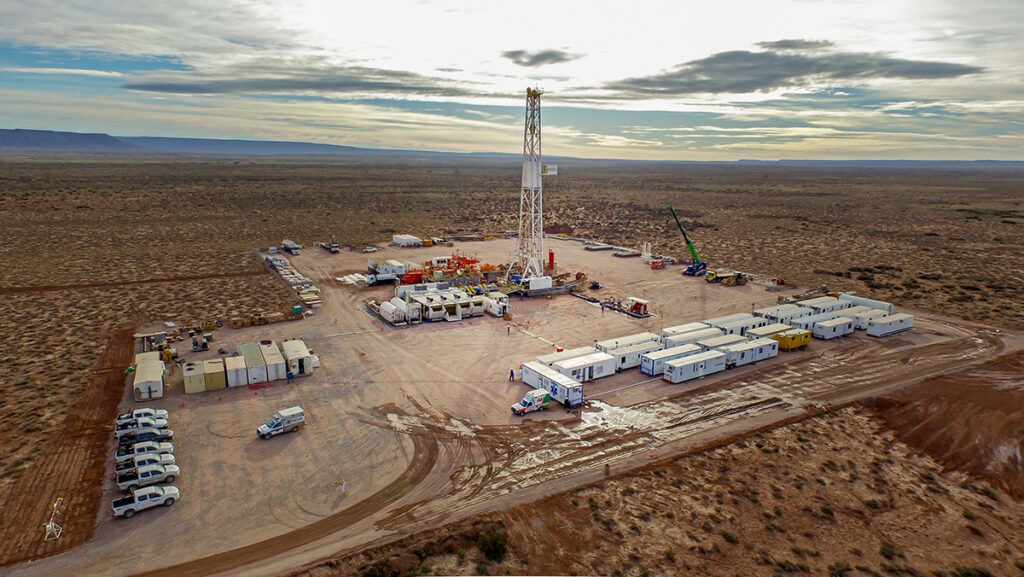
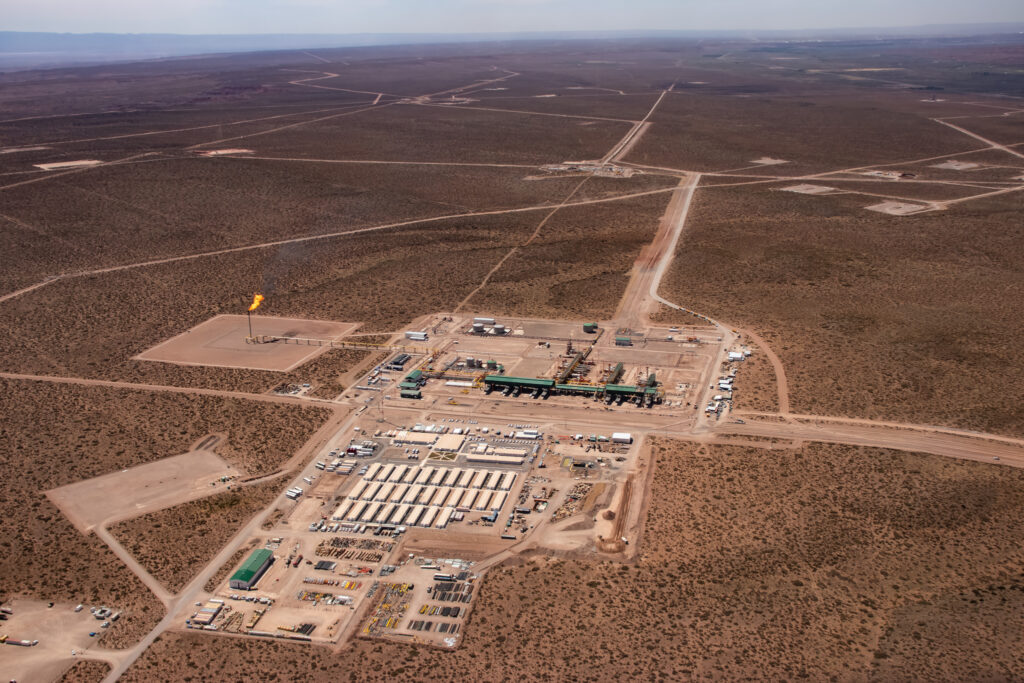
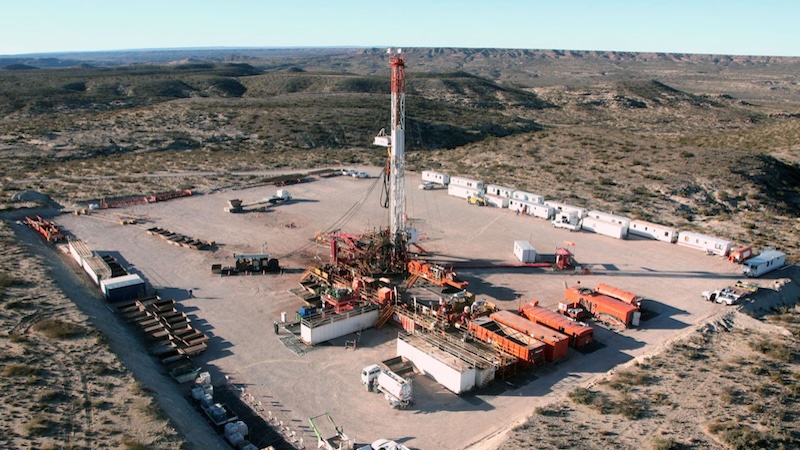
    Oil and gas extraction and processing facility

    As Vaca Muerta grows, it has the potential to change Argentina’s economy by transforming it into an energy exporter. Vaca Muerta offers Argentina a strategic opportunity to produce large foreign currency, boost its trade balance, stabilize the peso, and improve fiscal sustainability. The country frequently experiences foreign currency shortages, which lead to inflation, exchange rate instability, and periodic debt problems. Export earnings supply the US dollar required to finance imports, service foreign debt, and sustain public trust in the national currency. Vaca Muerta might earn $50 billion in export revenue by 2031. Achieving these targets, however, requires the ongoing construction of key infrastructure. The country should invest in high-capacity oil and gas pipelines, LNG liquefaction and export terminals, and electricity transmission networks, and compressor stations. These developments depend on robust hardware such as stainless steel buckles to provide reliable and secure fastening methods for the infrastructure.

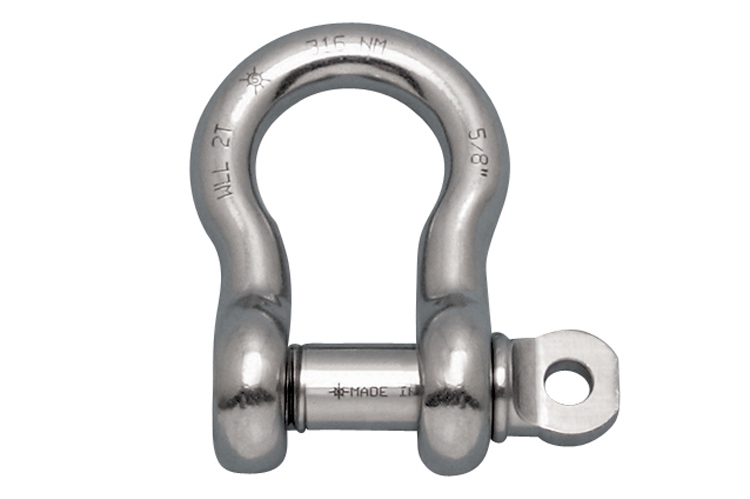
    Stainless steel buckles are used to secure pole fittings, anchor clamps, and suspension fittings in overhead power and telecommunications cables. They are also used in cable cleats that protect cables from high short-circuit fault currents in tough settings. They are resistant to corrosion, making them suitable for use in offshore facilities and other infrastructure. Their corrosion resistance makes them suitable for securing pipes, hoses, and cables in harsh environments. They are also used to clamp poles, hoses, and pipelines in outdoor settings. Stainless steel buckles are used in Vaca Muerta’s oil and gas infrastructure to fasten electrical, communication, grounding, and identification systems. Using the buckles helps to maintain infrastructure integrity, decrease maintenance requirements, and improve operational safety.

    Quality assurance for stainless steel buckles used in the oil and gas infrastructure

    Quality assurance ensures that the buckles meet demanding mechanical, material, and dimensional criteria. The buckles hold stainless steel bands for cable management, pipeline identification, instrumentation, telecommunications, grounding conductors, and support systems. High-quality stainless steel buckles can tolerate significant temperature variations, corrosive conditions, vibration, and high mechanical loads. QA contributes to consistent product performance, compliance with worldwide industry standards, greater operational safety, and increased asset reliability.
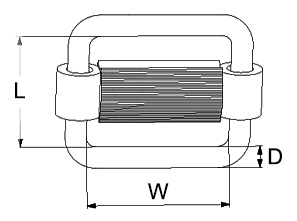
    Quality assurance for the steel buckles

    Reliable fastening systems prevent buckle failure, which can lead to loose instrumentation cables, faulty communication systems, or detachable identifying marks. The process includes material verification, mechanical performance testing, corrosion resistance evaluation, dimensional accuracy, surface finish inspection, and manufacturing process control. High-performance stainless steel buckles contribute to safer operations, lower maintenance costs, improved infrastructure reliability, and enhanced resilience of electrical, instrumentation, and pipeline support systems.

    Stainless steel buckles in Vaca Muerta’s oil and gas infrastructure

    Oil and gas facilities use stainless steel buckles to secure cables, pipes, identifying tags, conduits, and support systems. They ensure the integrity, safety, and dependability of drilling, production, processing, and transportation equipment. Here are the essential responsibilities they play in Vaca Muerta’s oil and gas infrastructure.
    Stainless stainless buckles secure cables to power poles
    • Securing electrical and instrumentation cables – stainless steel buckles fasten stainless steel bands that organize and secure electrical power cables, instrumentation cables, and control wiring. Cable fastening is crucial in drilling rigs, compressor stations, substations, and processing plants.
    • Supporting pipeline identification systems—the buckles secure pipeline identification markers, safety warning signs, flow direction indicators, and inspection labels.
    • Fastening telecommunication infrastructure—the buckles secure fiber optic cables, communication conduits, wireless communication equipment, and network cable bundles.
    • Supporting grounding and earthing systems – stainless steel buckles secure stainless steel bands for ground conductor attachment, bonding conductors, earthing cable routing, and protective grounding systems.
    • Maintaining mechanical stability – properly installed buckles prevent loosening, maintain consistent clamping forces, secure attached components, and improve infrastructure stability.

    The significance of investments in the Vaca Muerta shale deposit

    Investments are fueling the development of Argentina’s Vaca Muerta shale resource for oil and gas exports. Hydrocarbon extraction from shale necessitates specialized drilling methods, considerable infrastructure, and significant capital investment. Here’s how investments have reshaped Vaca Muerta’s strategy in Argentina.
    1. Increased oil and gas production—capital investment enables operators to develop new wells, expand drilling programs, and adopt advanced extraction technologies.
    2. Expanding critical energy infrastructure investment finances the construction and modernization of oil and gas pipelines, compressor stations, gathering systems, processing plants, and storage terminals.
    3. Increasing export capacity – greater export capacity helps generate foreign exchange earnings, improve the trade balance, and diversify export revenues.
    4. Attracting foreign direct investments – foreign direct investment (FDI) brings advanced drilling technologies, engineering expertise, operational best practices, and digital monitoring systems.
  • Double clamp brackets Strengthen Argentina’s BESS

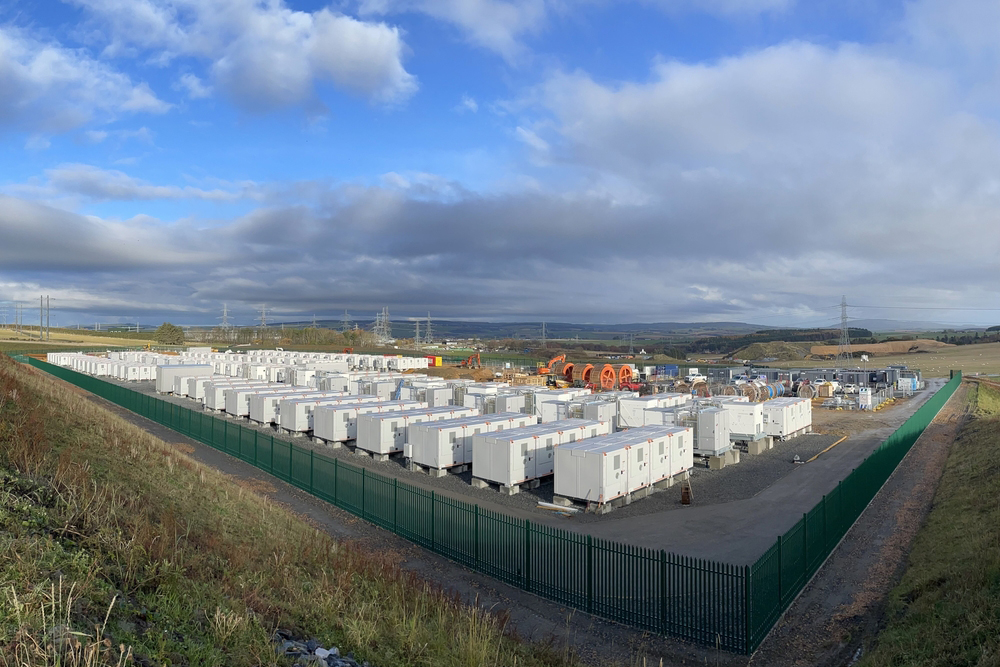
    Large-scale BESS projects expansion

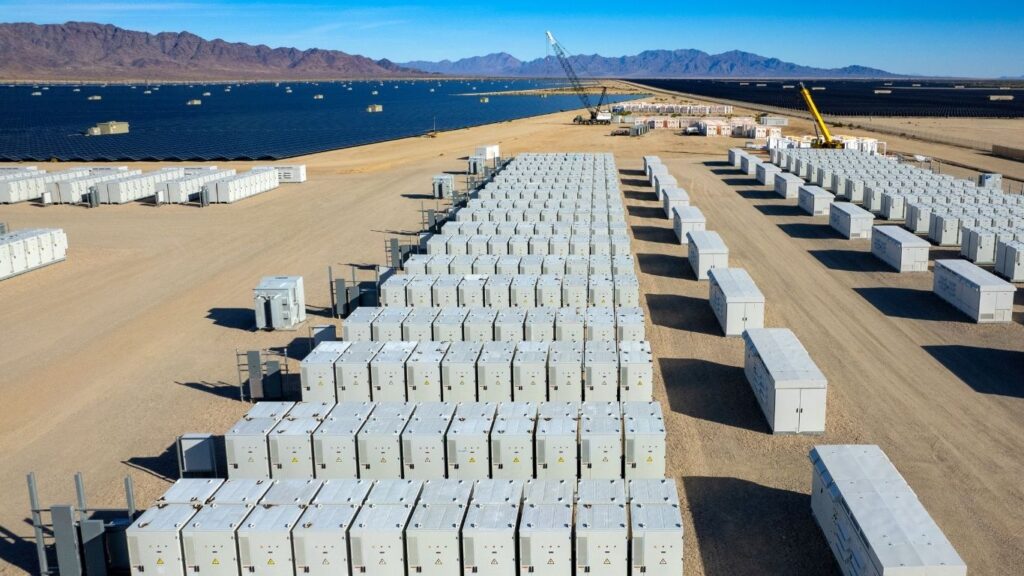
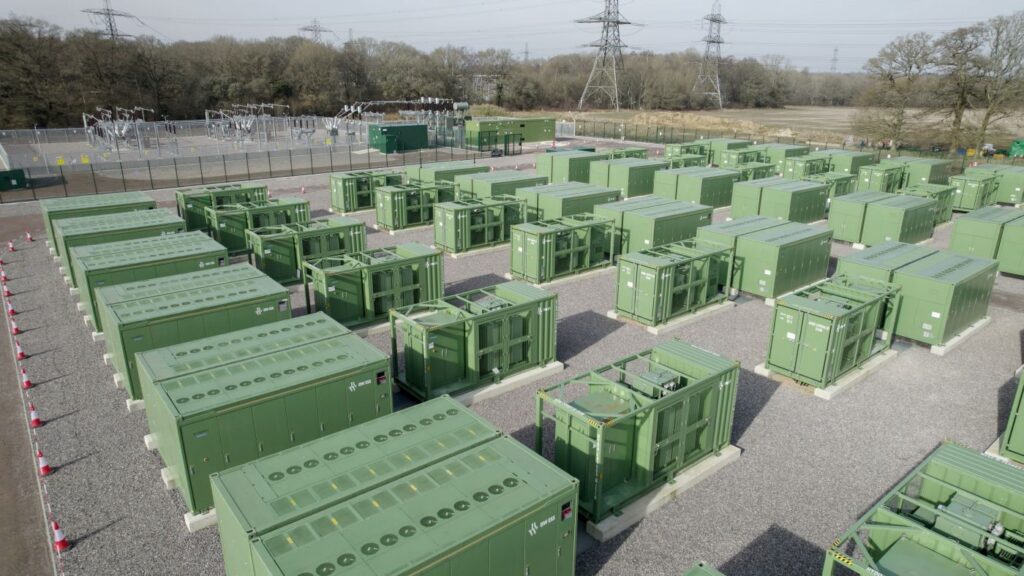
    Argentina’s Buenos Aires province intends to invest 31 billion in massive batteries to prevent blackouts. The project will have a 25 MW/125 MWh battery energy storage system. This initiative will assist reduce the region’s reliability issues. The province is deploying energy storage in strategic spots where the grid is stressed during demand peaks. During these peak demand periods, substations and transmission cables become overburdened. BESS will provide and supply electricity precisely where and when it is required, avoiding lengthy grid expansion procedures. BESS also improves the incorporation of renewable energy resources. This is accomplished by storing excess solar generation, transferring renewable energy to nighttime demand periods, smoothing out swings in renewable output, and decreasing renewable energy curtailment. These projects rely on robust hardware such as double clamp brackets to fasten terminals of energy storage components such as batteries and capacitors.

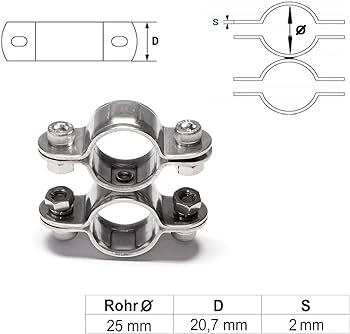
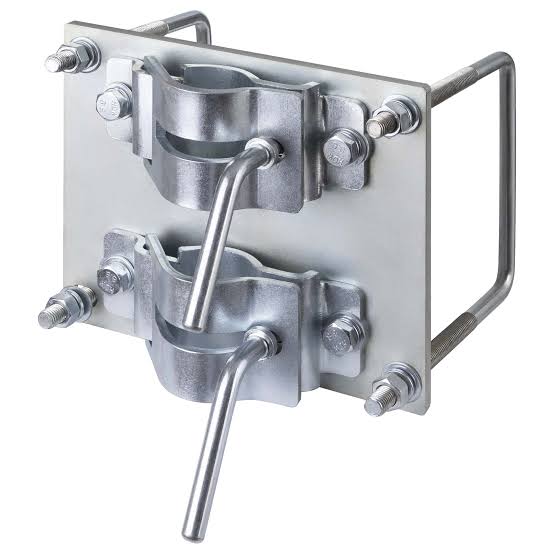
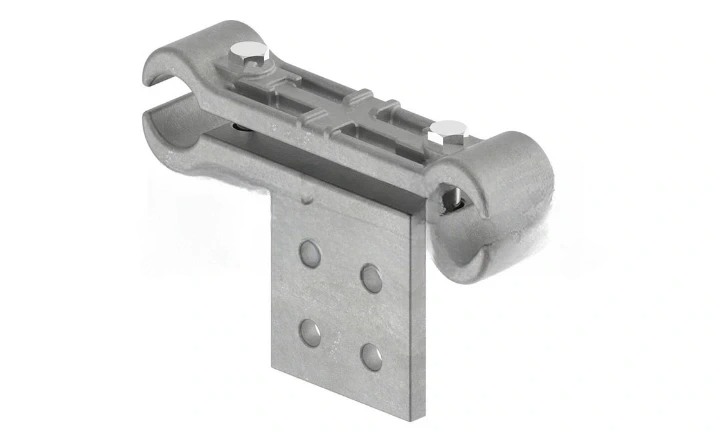
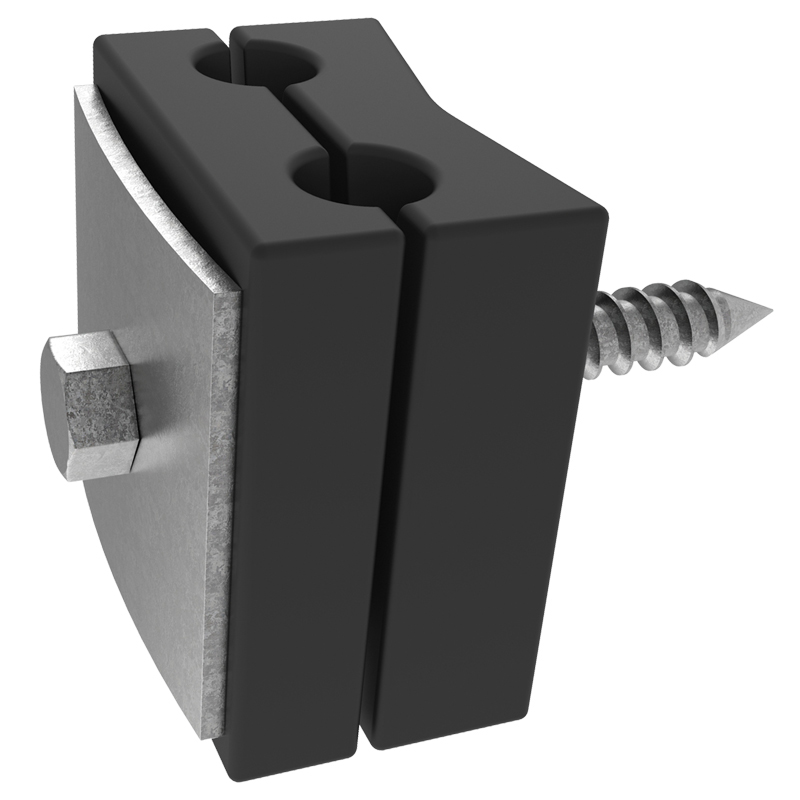
    Double clamp brackets secure two cables, conduits, grounding conductors, busbars, or structural parts to frames, mounting rails, poles, or equipment enclosures. They use a dual-clamping system, which gives greater stability than single-clamp devices. The clamps provide a direct electrical connection between BESS components, allowing current to flow from one terminal to another. The clamp eliminates the need for extra busbars and minimizes the module’s electrical resistance. Double clamp brackets also provide a connecting point for voltage monitoring or charge-balancing circuits. The clamp holds the battery modules in place and provides a dependable electrical connection for power and signal transfer. In addition, they serve in BESS systems for electrical support structures, grounding assemblies, inverter stations, transformer yards, and auxiliary equipment installations.

    Quality assurance of double clamp brackets in BESS projects

    Quality assured-double clamp brackets

    BESS projects rely on dependable mechanical and electrical infrastructure to run safely and efficiently. Double clamp brackets are used to secure cables, conduits, busbars, mounting rails, grounding wires, and auxiliary equipment. They ensure structural integrity and best alignment. Quality assurance for clamps ensures that each bracket satisfies design specifications, industry standards, and project needs. Double clamp bracket quality assurance entails a systematic procedure of verifying materials, manufacturing methods, dimensional accuracy, protective coatings, and mechanical performance. High-quality brackets increase the reliability of BESS installations by eliminating premature failures that could jeopardize safety. Quality assurance assures that each bracket has consistent mechanical strength, corrosion resistance, perfect fitting, and long-term durability even in difficult working situations.

    Functions of double clamp brackets in BESS projects in Argentina

    Argentina is increasing its battery energy storage capacity to improve grid stability, incorporate renewable energy, and ease transmission restrictions. Double clamp brackets serve crucial structural and cable management responsibilities, ensuring that BESS facilities operate safely and efficiently. Double clamp brackets are made of hot-dip galvanized steel, stainless steel, or corrosion-resistant aluminum alloy. These materials assure its longevity even in harsh environmental conditions. Here are their primary responsibilities in BESS projects.

    double clamp brackets hold grounding conductors in position
    1. Secure cable management – double-clamp brackets organize and secure power, communication, and fiber-optic cables. They prevent movement caused by vibration or thermal expansion.
    2. Supporting high-power electrical infrastructure – the clamps provide stable support for heavy-duty conductors, cable trays, conduits, and busbar systems.
    3. Maintaining mechanical stability – the brackets distribute loads across support structures to help prevent loosening, deformation, or structural fatigue.
    4. Protecting grounding systems—double clamp brackets hold grounding conductors in position. They ensure the grounding network remains intact throughout the operational life.
    5. Simplifying installation – the clamps reduce the number of individual fittings needed during construction. They help improve installation efficiency, cable routing consistency, and construction timelines.

    BESS reduces outages in Argentina

    Argentina is investing in battery energy storage devices to increase the dependability of its power grid as renewable energy output grows. BESS projects offer a quick and adaptable solution by storing electricity when supply exceeds demand. Here’s how BESS reduces blackouts in Argentina.

    • Addressing peak electricity demand—BESS reduces demand stresses by discharging stored electricity during high demands and reducing loads on substations and transformers.
    • Relieving transmission congestion – BESS does this by storing excess electricity near renewable generation sites and improving grid flexibility.
    • Stabilizing grid frequency—the projects respond to blackouts by injecting power when frequency drops, providing fast frequency regulation, and supporting grid stability.
    • Reliable renewable energy integration—BESS improves the integration by storing excess solar generation, capturing surplus wind energy, and delivering stored electricity.
  • Parallel groove connectors in Distributed Solar Grids

    Distributed generation capacity growth

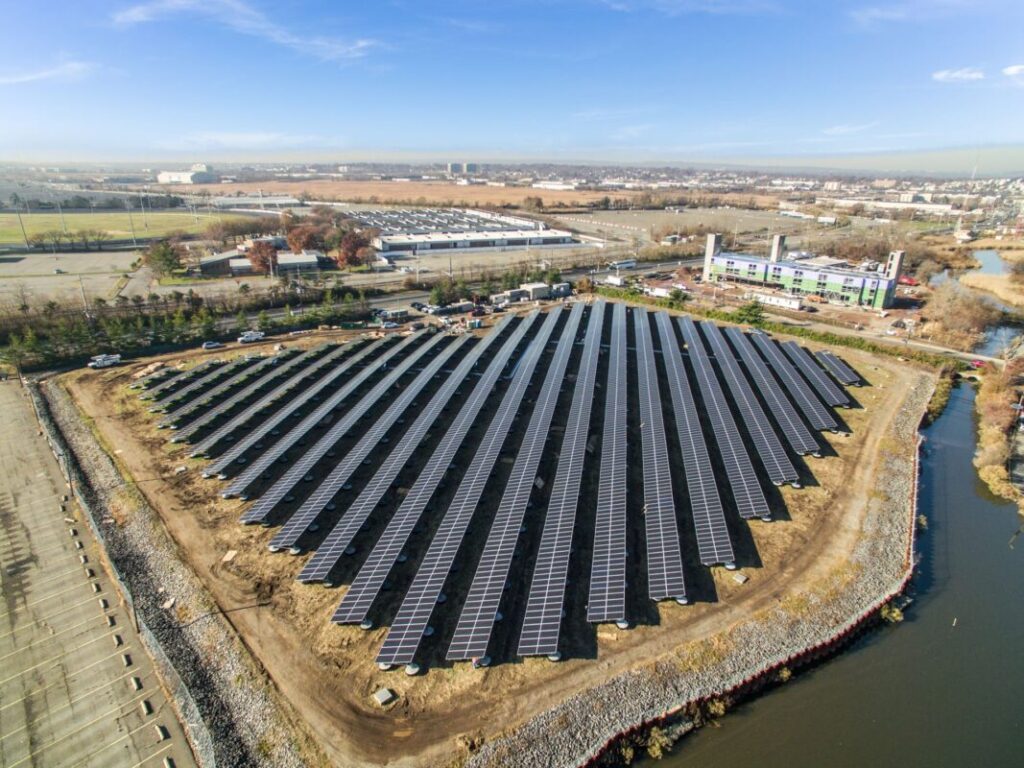
    Argentina’s distributed solar capacity increased from 118.6 megawatts at the end of 2025 to 159.5 megawatts in June. The country added 40.9 MW to its distributed generation capacity in the first half of 2026. This development reflects the growing importance of distributed renewable energy, such as solar PV systems. Distributed generating minimizes reliance on centralized power plants, which relieves demand on transmission and distribution networks. Distributed generation can supplement utility-scale solar and wind capacity by diversifying electricity supply and allowing users to actively participate in the energy market. This development also adds new technological requirements to Argentina’s electrical networks. It increases need for dependable infrastructure, such as distribution transformers, protection and control systems, surge protection, grid connection hardware, and parallel groove connectors. The groove connectors create reliable and low-resistance connections between the grounding conductor and the metal frames of solar panels.

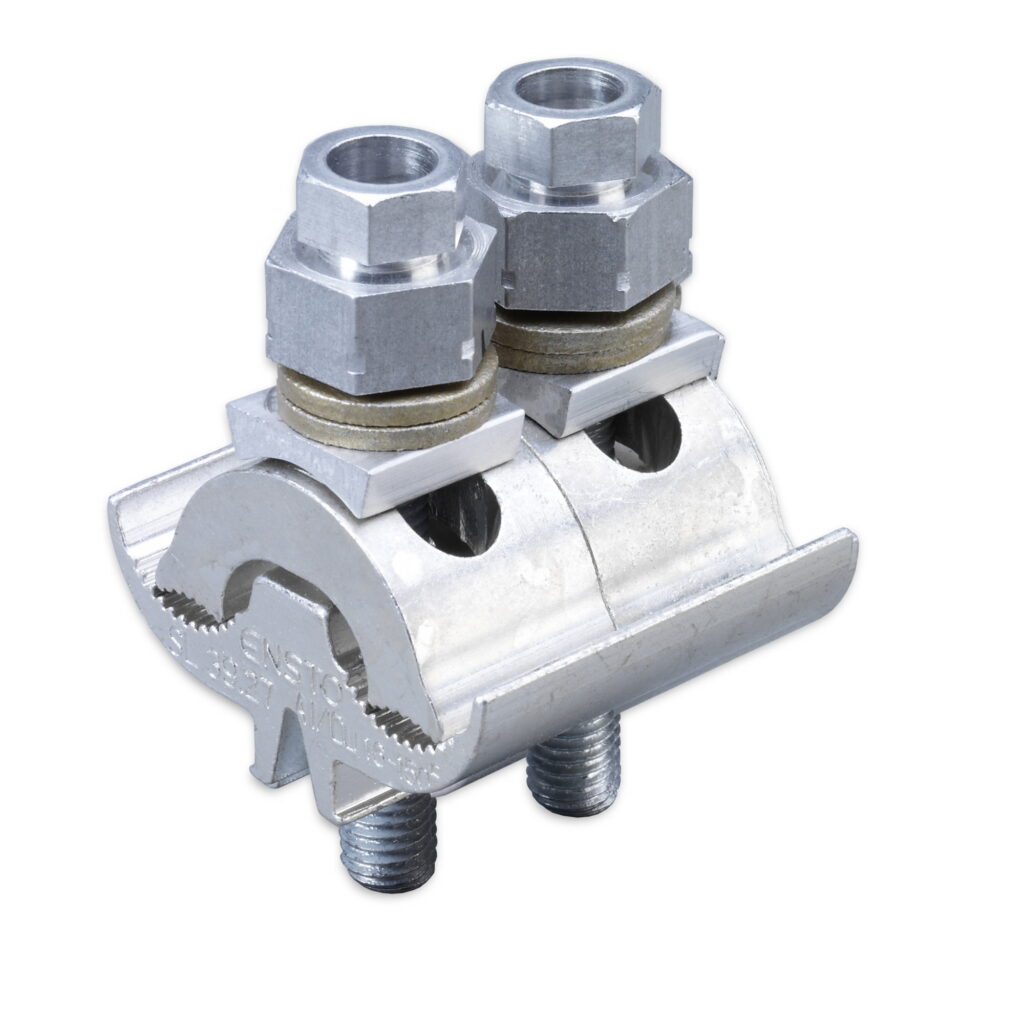
    Parallel groove connectors carry fault currents and protect equipment from lightning strikes. Some connectors have serrated surfaces that can bite through the anodized coating on aluminum PV module frames. They offer a strong electrical connection without requiring extensive surface preparation. The connections are used on the AC distribution side to splice or tap into higher gauge aluminum. They provide a safe and efficient connection that can handle heavy currents. Parallel groove connectors can withstand high current loads while providing minimum electrical resistance. This is critical for high-current DC circuits from solar arrays and AC power delivery. They establish a secure connection between conductors, reducing the possibility of arcing, overheating, and system failure.

    Quality control for parallel groove connectors utilized in Argentina’s distributed solar infrastructure

    Parallel groove connectors provide dependable electrical connections between conductors in PV installations, distribution networks, grounding systems, and electrical infrastructure. These connectors need consistent quality assurance because they are subjected to electrical, mechanical, and environmental pressures. QA enables them to ensure long-term system dependability in solar infrastructure.

    Quality assurance for parallel groove connectors

    Quality assurance helps to avoid failures that result in high resistance, localized overheating, power losses, or an open circuit that disrupts energy flow. Parallel groove connectors’ quality assurance includes material selection, dimensional inspection, electrical performance testing, mechanical strength testing, corrosion resistance, and installation quality assurance. High-quality connectors improve the electrical dependability, safety, maintainability, and service life of distributed solar systems. This also helps Argentina shift to a more decentralized energy grid.

    The significance of parallel groove connections in distributed solar infrastructure

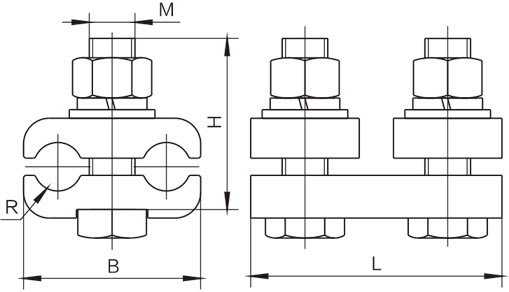
    Parallel groove connectors provide dependable electrical connections throughout decentralized solar arrays. These connections connect conductors of similar or compatible diameters, making them essential in PV systems, low-voltage distribution networks, and grounding configurations. Here are the functions of connections in solar infrastructure.

    Parallel groove connectors create secure electrical connections
    • Establishing reliable conductor connections – the parallel groove connector creates a secure electrical connection between two conductors. This involves connecting conductors within collection circuits, distribution networks, grounding systems, or grid interconnection points.
    • Supporting solar system interconnections—PGCs support solar interconnections by joining conductors in a compact and mechanically secure arrangement. They connect solar PV arrays to distribution conductors, branch conductors to main lines, and grounding conductors.
    • Improving electrical continuity—highquality PGCs maintain electrical continuity throughout the system. They reduce poor connections that can produce increased contact resistance and localized heating. They reduce the risk of voltage drops, energy losses, and conductor damage.
    • Supporting grounding and protection systems—the groove connectors contribute to the grounding and bonding infrastructure of distributed solar installations. They connect grounding conductors to equipment, support structures, or other sections of the grounding network.

    Significance of Investments and Energy Transition in Argentina

    Investment is critical for increasing renewable energy, creating distributed generation, updating transmission networks, and ensuring energy security. These improvements help to diversify the energy system and ease the transition to lower-carbon electricity. Here is the significance of investments in Argentina’s energy transition.

    1. Renewable energy deployment—investment enables the development of solar, wind, hydropower, battery storage, and other low-carbon energy technologies.
    2. Strengthening energy security—energy investment can reduce Argentina’s dependence on imported fuels and improve the reliability of the domestic energy supply. Investment in renewable generation provides extra electricity capacity.
    3. Modernizing electricity infrastructure—a modern electricity system accommodates increasing renewable generation, battery energy storage, electric vehicles, and digital monitoring systems.
    4. Supporting distributed generation—investments help transform electricity consumers into prosumer-generators. This model reduces pressure on centralized generation, improves energy resilience, and reduces electricity losses.
  • Shackle helical anchors: Powering Argentina’s Lithium Future

    Lithium extraction and processing facility

    Argentina recently finished second in the FIFA World Cup 2026, winning a $33 million award from FIFA. This is an impressive figure, but it pales in comparison to the mining sector’s financial flows. Total mining exports reached a record $3.2 billion in the first four months of 2026. While the Argentine footballers were on the field, the country’s lithium business was shattering records, producing millions in export revenue. Argentina is accelerating the building of a pipeline that includes 56 projects at various degrees of completion. Lithium is a significant mineral in the energy sector, with applications including energy transition, energy storage, and electric car manufacture. The projects have nearly $15 billion in investments directed toward new operations and the expansion of existing projects This investment will assist processing plants, logistics networks, power transmission infrastructure, telecommunication network, and power distribution and shackle helical anchors for grounding.

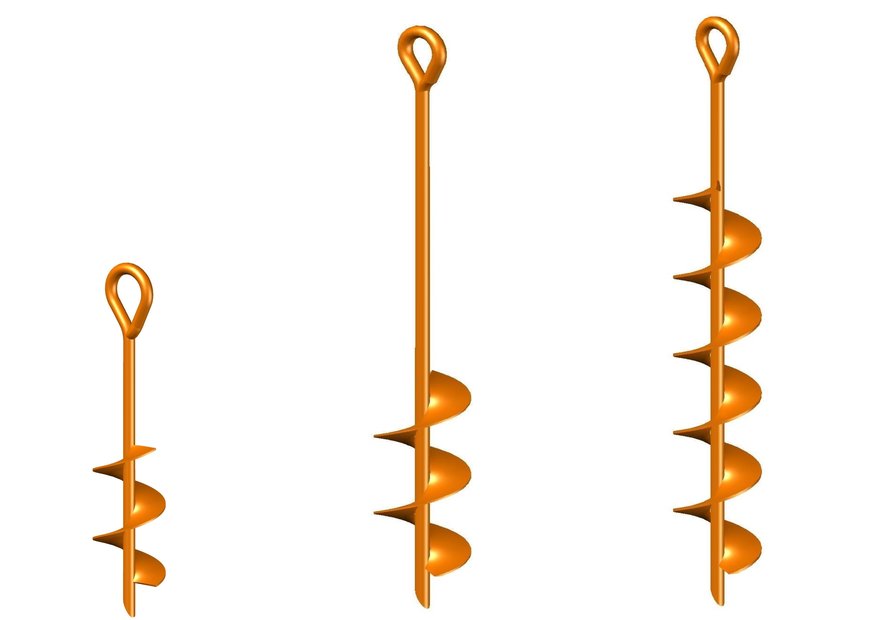
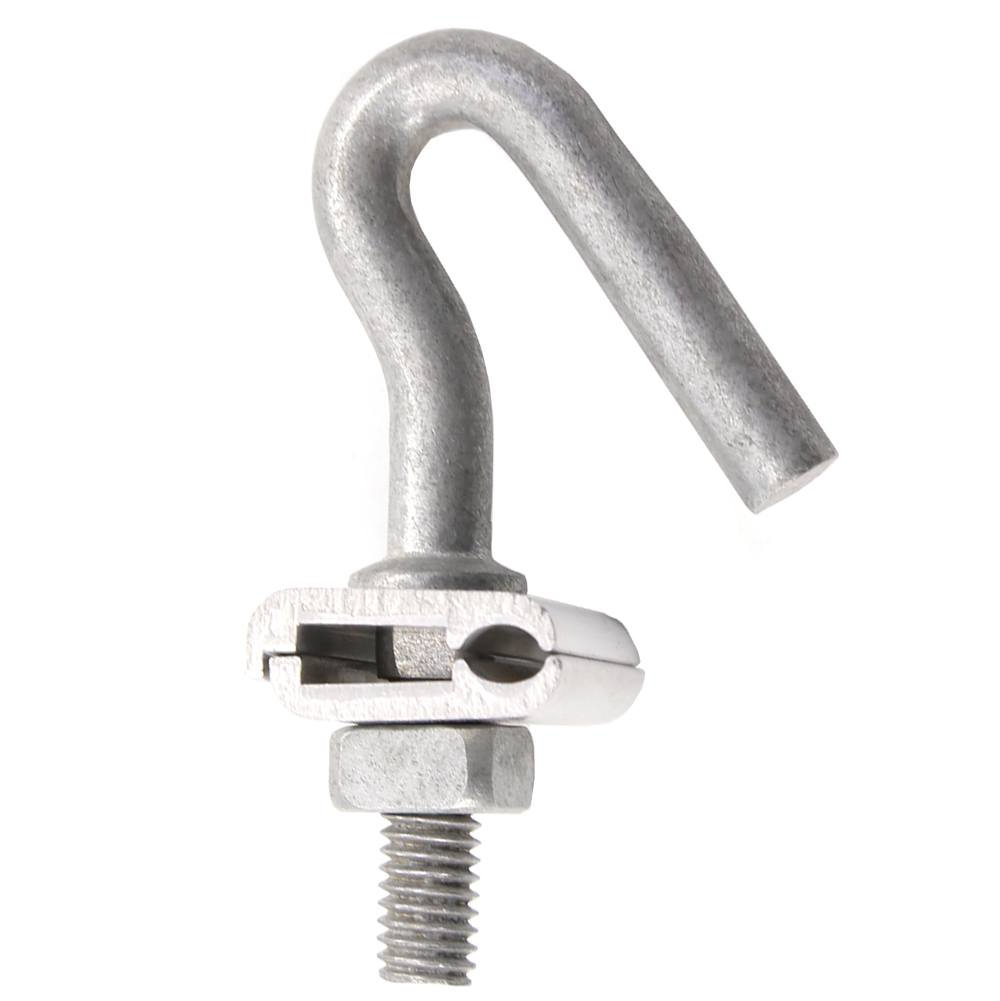
    Helical anchors provide solid and safe connections between lithium mining installations. Heavy gear such as crushers, conveyors, and drilling rigs rely on solid anchors to keep them stable. Helical anchors improve load-bearing capability when deep foundations are not feasible. Shackle anchors are also used to support tailings dams and water containment projects. They offer structural stability against hydrostatic pressure and seismic activity. Shackle helical anchors are used with cable systems to secure brine evaporation lines in perimeter trenches. The shackle connection creates a sturdy, dependable loop that connects cables to ground anchors. Shackle helical anchors work with clevis eye connectors to provide a secure loop that allows for minor pivoting movement.

    Quality assurance for shackle helical anchors used in Argentina’s lithium mining

    Specifications for helical anchors

    Shackle helical anchors support guy wires, poles, cables, and other structural components that need secure anchorage. The performance of the anchors is dependent on tight quality control throughout material selection, production, testing, and installation. Quality assurance ensures that the helical anchors meet the mechanical, dimensional, material, and corrosion-resistant specifications. Quality assurance for lithium mining anchors includes raw material inspection, manufacturing process control, dimensional verification, mechanical load testing, and surface treatment. It also addresses weld inspection, traceability, and documentation. This is to make certain that each anchor can endure the loads and weather conditions. QA increases structural reliability, decreases infrastructure failures, promotes project standardization, and enhances worker safety. Quality-assured helical shackle anchors improve the stability of power, telecommunications, and other mining infrastructure.

    The importance of shackle helical anchors in lithium mining infrastructure

    Shackle helical anchors are the foundation of dependable infrastructure that supports extraction, processing, power distribution, and communications. The anchors protect guyed structures and supporting infrastructure in remote mining sites where severe wind loads and uneven terrain might compromise structural stability. The anchors play several important roles in lithium mining.

    shackle helical anchors stabilize guyed poles
    • Stabilizing power distribution structures—shackle helical anchors help stabilize guyed poles and support structures used in power distribution networks. They reduce excessive movement and structural instability in mining power networks.
    • Supporting telecommunications infrastructure—shackle anchors secure communication poles, antenna masts, guyed towers, and data transmission structures.
    • Providing reliable ground anchorage – helical plates transfer tensile loads into the surrounding soil to provide a stable foundation for structures.
    • Supporting construction infrastructure—lithium mine development involves extensive construction before permanent facilities become operational. Shackle helical anchors provide anchoring solutions for many temporary installations.
    • Enhancing infrastructure safety – the anchors contribute to the structural safety of mining infrastructure by providing secure ground anchorage.

    The significance of infrastructural reliability in Argentina’s lithium mining business

    The success of Argentina’s lithium business depends on the durability of its infrastructure. Projects in Jujuy, Salta, and Catamarca are transitioning from discovery to construction and commercial production. This will make mining operations reliant on dependable electricity, water, transportation, telecommunications, and industrial infrastructure. This requires dependable infrastructure for the following:

    1. Ensuring continuous mining and processing operations—lithium extraction and processing depend on interconnected systems. These include pumping equipment, processing plants, control systems, and material-handling infrastructure.
    2. Providing a dependable electricity supply—electricity powers pumps, processing equipment, laboratories, lighting, communications, and control systems. Reliable power infrastructure depends on transmission lines, distribution networks, substations, transformers, cables, and grounding systems.
    3. Improving telecommunications and digital connectivity—reliable telecommunication infrastructure allows mining companies to maintain communication between processing plants, control rooms, extraction sites, and remote monitoring centers.
    4. Protecting investment in lithium projects—infrastructure failure can reduce the return on investments by increasing repair costs, production losses, and project delays.
  • Shackle helical anchors: Wind Grid Support Guide

    Wind turbines integration with solar PVs

    AES Argentina is to invest $150 million to expand its Vientos Bonaerenses wind farm in Buenos Aires. This project will add 16 new wind turbines, totaling 102.4 MW to the grid. The development will treble the wind farm’s existing renewable energy output. Once operational, the wind turbines will supply clean, dependable, and secure electricity to industrial and commercial users. It will also assist meet the country’s expanding energy needs. Renewable energy initiatives will help Argentina reduce its dependency on fossil fuels and become carbon neutral. The project will install 16 new utility-scale wind turbines capable of producing an extra 102.4 megawatts. The wind turbines will have rotor diameters exceeding 150 meters, hub heights between 100 and 120 meters, advanced blade pitch control systems, and digital monitoring and predictive maintenance systems. The project will integrate with transmission infrastructure supported by helical shackle anchors.

    The shackle helical anchor in wind projects provides a dependable and high-capacity foundation for guy wires that stabilize towers and support structures. The shackle provides a secure and adaptable connection point for guy wires, whereas the helical plates embed into the soil. Helical plates on the anchor press into the soil, providing a high pullout capability to counteract stresses and keep structures stable. Helical anchors screw into the ground using torque, reducing the requirement for large-scale excavation and concrete pouring. Shackle helical anchors are easy to install with little soil disturbance. The anchors are adjustable to a variety of soil conditions and can be used for onshore wind turbines as well as guyed towers on transmission lines that link to the grid.

    Quality assurance for shackle helical anchors used in Argentine wind projects

    Shackle helical anchors enable secure guying and anchoring for transmission and distribution systems subjected to significant mechanical loads. Quality assurance for helical anchors guarantees that they operate securely throughout their service lives. QA discovers a variety of flaws that could jeopardize the transmission line’s integrity. Defects may potentially result in costly outages, structural damage, or safety issues. Prior to installation, QA validates that each anchor meets the prescribed mechanical, material, and dimensional requirements.

    Helical anchor specifications

    The procedure consists of material quality verification, mechanical strength testing, weld quality inspection, and corrosion protection. It also covers manufacturing process control, installation quality assurance, and load performance validation.Quality-assured shackle helical anchors on wind projects help resist continuous conductor tension, wind-induced lateral loads, dynamic vibration, and uneven terrain forces.

    Importance of shackle helical anchors in wind projects linked into Argentina’s grid

    Argentina is boosting its renewable energy portfolio with large-scale farms. This growth will necessitate the connecting of reliable transmission infrastructure to supply generated electricity to the grid. Shackle helical anchors provide a strong foundation for guyed poles, transmission structures, and utility installations. They provide the mechanical stability required to safely and efficiently carry power from wind farms to consumers. Here are their primary responsibilities in infrastructure.

    Shackle helical anchors secure guy wires for tall structures
    1. Stabilizing guyed transmission structures – shackle helical anchors secure guy wires that stabilize transmission poles to towers. They prevent pole movement, maintain structural alignment, and improve foundation stability.
    2. Resisting high tensile loads—shackle helical anchors transfer tensile forces into the soil and prevent structural failure.
    3. Providing foundation support—helical anchors provide load-bearing capacity after installation. They distribute loads through helices, improve load transfer into stable soils, and maintain foundation integrity.
    4. Securing utility poles and equipment – the anchors stabilize distribution poles, communication poles, switching equipment, and fiber optic support structures.

    Technical aspects of AES’s wind farm development in Argentina

    The development of AES Argentina’s Vientos Bonaerenses wind farm combines cutting-edge wind generation technology with upgraded transmission networks. This is to increase renewable energy integration into Argentina’s interconnectivity infrastructure. The project will include the installation of 16 new wind turbines, as well as improvements to the electrical infrastructure, communication systems, and substation. Technical aspects include:

    • Wind turbine technology—this includes the installation of the 16 utility-scale wind turbines with a combined installed capacity of 100-102.4 MW.
    • Electrical collection system – each turbine generates medium-voltage electricity collected through an underground network before being transmitted to the substation. The collection system includes 33 kV underground cables, medium-voltage switchgear, fiber optic communication cables, and protection relays.
    • Substation expansion – the upgrades include new circuit breakers, disconnect switches, and busbar extensions.
    • Grid integration – modern wind turbines use power electronic converters that enable stable integration with the grid. This includes grid synchronization, power quality monitoring, frequency support, and support from shackle helical anchors.
  • Secondary Clevis in Argentina’s EV Network Growth

    Electric vehicle charging infrastructure

    YPF, Argentina’s state-owned energy company, stated that it has signed a letter of intent with Tesla to collaborate on fast-charging infrastructure, battery energy storage, and other technologies. This demonstrates Argentina’s expansion and decarbonization objectives. Despite the agreement’s non-binding nature, it provides a framework for evaluating projects that have the potential to transform the electric transportation ecosystem. Argentina also presents a unique opportunity for Tesla, with its large lithium reserves supporting rising electricity demand. Tesla can use its knowledge in charging infrastructure and energy storage technologies. This will allow the company to develop supporting infrastructure before large-scale vehicle adoption. The construction and extension will employ dependable power line items such as secondary clevis. YPF already has a network of 1,660 service stations that account for over 30% of Argentina’s retail fuel market. This makes it easy to convert selected stations into EV charging hubs to reduce deployment costs.

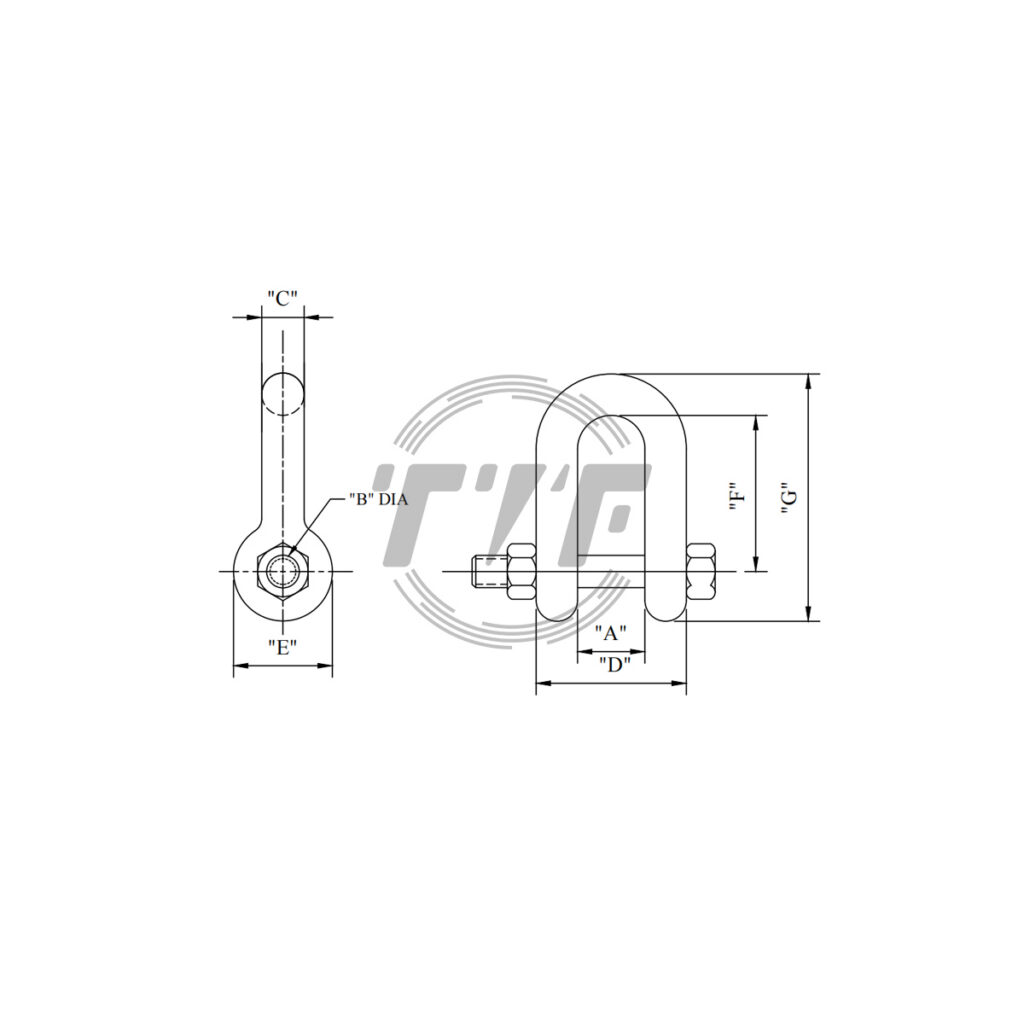
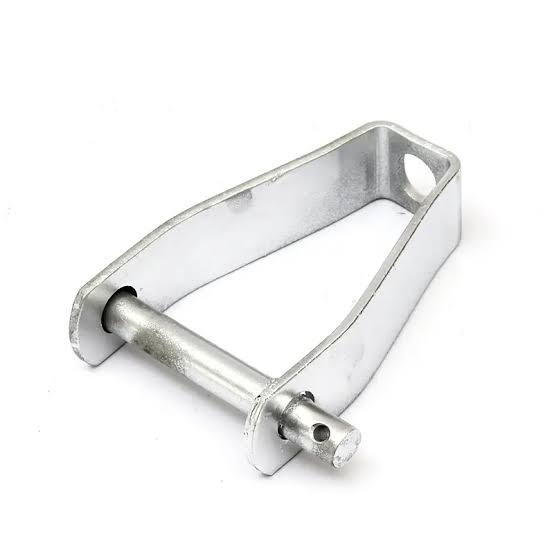
    The secondary clevis in a deadend clevis is a D-shaped galvanized steel bracket with a pin or bolt. It attaches low-voltage distribution lines, spool insulators, and guy wires to utility poles. The clevis is used on utility poles outside the charging station to secure conductors leading from the distribution transformer to the station’s service entrance. Secondary clevises absorb the physical tension of the lines at corners or dead ends, preventing cable sag. In addition, the clevis is employed in the BESS alongside EV charging points to reduce peak power consumption. It attaches to the low-voltage side of the local transformer. Secondary clevises safeguard open-wire circuits or insulated aerial wires that carry electricity between the grid, the storage enclosure, and the chargers.

    Quality assurance for secondary clevis used in electric car infrastructure.

    Quality-assured clevis

    As Argentina builds up its electric car networks, BESs, and renewable energy integration, it is critical to improve transmission and distribution hardware dependability. A secondary clevis is a mechanical connection component in overhead distribution networks that deliver energy to charging stations, substations, and BESS facilities. Quality assurance assures that the clevis can withstand mechanical, electrical, and environmental loads over its service life. QA prevents secondary clevis failures, which might endanger distribution lines feeding charging hubs, resulting in service outages and decreased network dependability. Material verification, precision production, mechanical testing, and compliance with standards are all part of the quality assurance process. Quality-assured clevises help to build resilient grids, decrease maintenance costs, and ensure reliable power supply in Argentina’s clean energy ecosystem.

    Functions of the Secondary Clevis in Argentina’s Electric Vehicle Infrastructure

    The deadend clevis makes solid mechanical connections between insulators and other line hardware, ensuring safe power supply. It is an essential component of the distribution networks that supply electricity to EV charging stations, substations, and energy storage sites. The clevis has several important roles in infrastructure.

    The secondary clevis provides secure connections
    1. Connecting insulators to distribution line hardware – the secondary clevis provides a secure connection between insulators supporting crossarms, yoke plates, and suspension clamps. It supports distribution lines delivering electricity from substations to charging hubs and fleet charging depots.
    2. Supporting mechanical loads – the clevises transfer mechanical loads generated by conductors and related hardware. Reliable mechanical load transfer helps maintain stable overhead distribution lines supplying power to EV infrastructure.
    3. Maintaining proper insulator alignment – insulators should be aligned to provide enough electrical clearance and insulation. Secondary clevises keep insulator strings vertical, maintain conductor spacing, and prevent twisting of hardware assemblies.
    4. Enhancing distribution network reliability – EV charging infrastructure needs stable electricity supplies with minimal interruptions. The clevises prevent hardware separation, maintain secure conductor support, and preserve the integrity of overhead line assemblies.

    Innovations promoting electric vehicle network development in Argentina

    Argentina is growing its electric vehicle ecosystem by investing in charging infrastructure, renewable energy, and BESS systems. These advances lay the groundwork for EV adoption while also enhancing grid dependability. Common advances for this development are:

    • Expansion of charging infrastructure – modern charging technologies offer high-power chargers, smart charging management systems, remote monitoring, and dynamic load balancing. The collaboration between Tesla and YPF shows how Argentina is leveraging its existing fuel station networks.
    • Smart grid technologies: These innovations include advanced metering infrastructure, automated distribution management systems, real-time grid monitoring, and digital substations.
    • Vehicle-to-grid technology (V2G) enables EVs to return electricity to the grid, provide emergency backup power, and improve grid stability.
    • Internet of Things connectivity – modern EV charging stations connect through IoT technologies. This allows operators to monitor equipment remotely, diagnose faults, and optimize charger availability.
  • Earth Anchors for Vaca Muerta Oil Infrastructure

    Oil extraction from the Vaca Muerta shale formation

    Argentina’s Vaca Muerta shale formation is one of the most major energy transitions. It is remaking Argentina as a regional gas supplier with export ambitions based on unconventional hydrocarbon production. This combination has allowed Argentina to lessen its dependency on imported liquefied natural gas during peak demand periods. Vaca Muerta has resulted in advances such as increasing shale gas extraction, the replacement of LNG imports with domestic production, and greater pipeline use. The infrastructure and interconnections rely on earth anchors to support physical systems that allow for drilling, production, and transportation.

    Grounding systems protect onshore infrastructure such as pipelines and processing plants while anchoring offshore export terminals. Ground anchors at onshore terminals help to stabilize and secure ground-level industrial structures such as pipe racks, compression stations, storage tanks, and flare stacks. Monobouys, underwater pipelines, and single-mooring systems are all used to anchor floating platforms to the seabed at offshore facilities. Vaca Muerta’s development requires considerable surface infrastructure, including as pipelines, processing plants, and storage facilities.

    Vaca Muerta’s impact on Argentina’s energy sector

    Argentina’s Vaca Muerta project has transformed energy from a chronic fiscal liability to a viable export powerhouse. It has resulted in economic benefits such as lower energy import bills, a better trade balance due to increased hydrocarbon exports, foreign investment in upstream shale development, and job creation in the drilling, services, and logistics sectors. Argentina’s goal is to turn surplus gas into exportable LNG. This will necessitate large-scale liquefaction facilities, consistent long-term regulatory frameworks, integration with global LNG markets, and collaboration with international energy companies.

    Vaca Muerta's shale formation development

    However, these improvements will boost the demand for earth anchors for pipe racks, storage tank support structures, cable trays, and pump and compressor foundations. Anchors are also required for tall, heavy structures such as fractionation columns and flare stacks. When utilized in soft and loose soils, earth anchors provide tensile and lateral resistance, which helps to keep structures stable. They help secure slopes and structures constructed on leveled pads to prevent slipping.

    The role of earth anchors in Vaca Muerta’s shale formation infrastructure

    Earth anchors in shale developments carry weights from surface infrastructure to deeper, more stable soil strata. They enable components that keep high-load energy systems running under dynamic settings. The following are their primary infrastructural functions.

    Earth auger anchors resist lateral movement
    • Structural load transfer and stabilization – in Vaca Muerta’s sedimentary soils, earth anchors resist uplift, overturning, and lateral movement. They transfer tensile and shear loads from surface equipment into subsurface soils and provide resistance against wind loads.
    • Anchorage for drilling and wellsite systems – shale-drilling operations depend on heavy, mobile, and vibration-intensive equipment. Earth anchors secure drilling rig masts and substructures, mud circulation and separation systems, and temporary well pad infrastructure.
    • Pipeline restraint and axial force management – earth anchors in shale operations control pipeline movement. They resist axial thrust in high-pressure gas pipelines, control thermal expansion and contraction forces, and prevent pipeline creep into soft soils.
    • Temporary and modular infrastructure fixing – shale development require frequent installation, relocation, and expansion. Ground anchors provide fastening for portable power generation units, mobile workshops, and securing perimeter control systems.

    Quality assurance for earth anchors used in the Vaca Muerta shale formation infrastructure

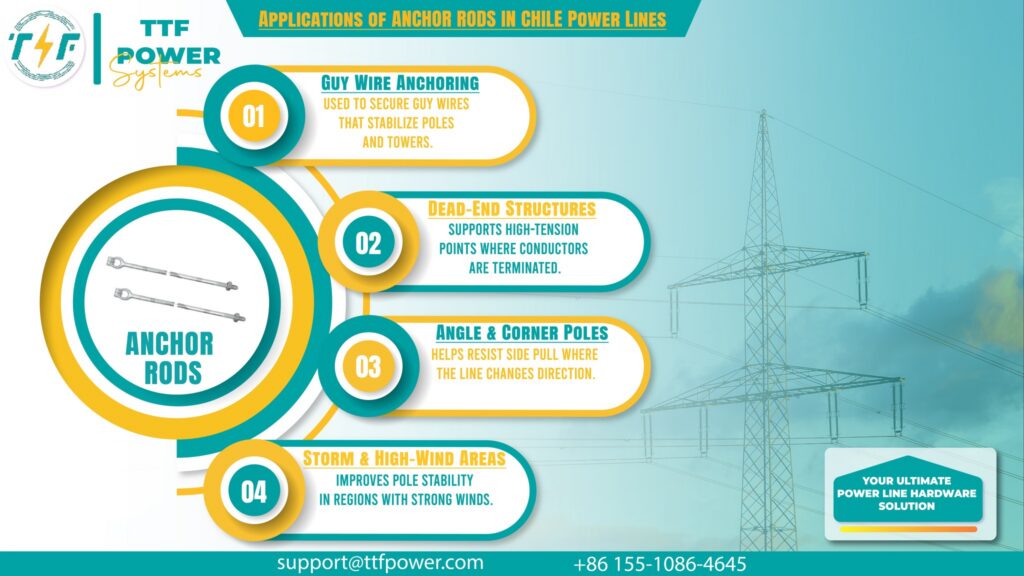
    Anchor rods quality assurance

    Material verification, manufacturing controls, mechanical testing, and field validation are used to ensure the quality of earth anchors in shale development. QA is critical because the anchors are used in drilling pads, pipelines, and modular facilities. Material verification, dimensions and manufacturing tolerances, corrosion protection, mechanical load testing, and joint integrity inspection are all part of the process. A properly assured anchor has paperwork demonstrating compliance with API, ASTM, or ISO structural steel standards. It also includes load rating certifications, manufacturer QA/QC inspection reports, and traceability logs that connect design specifications to production batches. Quality assurance should verify that shale oil and gas operations provide consistent load-bearing capability in dynamic, high vibration, and geotechnical changeable situations.

    Materials used for earth anchors utilized in the Vaca Muerta shale deposit infrastructure

    When selecting earth anchors for usage in the Vaca Muerta shale formation, consider tensile strength, corrosion resistance, fatigue performance, and soil contact behavior. The materials used vary depending on whether the anchor is intended for drilling pads, pipelines, compression stations, or temporary modular infrastructure. Earth anchors are made of materials such as high-strength carbon steel, alloy steels, galvanized steel, stainless steel, forged steel components, coated and composite-protected steel systems, and concrete-embedded steel systems. Vaca Muerta’s material selection is determined by soil variability, high dynamic loads, corrosion exposure, and modularity requirements.

  • Aluminum cable spacers in Argentina energy storage boom

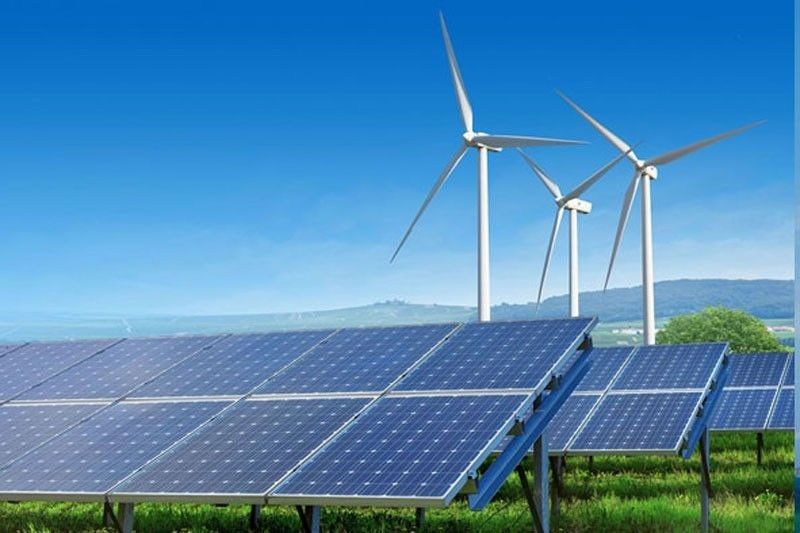
    Renewable energy integration with BESS

    Argentina has plenty of resources to support its growing renewable energy sector. Authorities awarded 713 MW to projects in Buenos Aires, providing a significant boost. The AlmaSADI auction is also ongoing, with offers for 700 MW sought for Buenos Aires and neighboring provinces. In addition, Genneia, Argentina’s largest sustainable energy generator by installed capacity, has requested permission to construct storage systems at two wind farms and a thermoelectric complex. One project entails constructing a 100MW/400MWh energy storage system and related power line at the 38MW Vientos de Necochea wind farm in Buenos Aires region. The other wind project includes adding 100 MW/400 MWh of storage capacity and a power line to the existing 52 MW Villalonga Park. Genneia has a 60MW/300MWh energy storage earmarked for Bragado. Aluminum cable spacers ensure the safety, reliability, and longevity of BESS.

    High-strength aluminum spacers constrain cables, keep them spaced apart, and avoid dangerous movement under fault situations. The spacers create a particular air gap between the wires, allowing for passive convective cooling and preventing heat buildup. They separate the cables without crushing them, ensuring that they work within their thermal limits. Cable spacers create a secure, fixed path that absorbs mechanical strain and prevents cable fatigue. Aluminum cable spacers separate various types of cables and phases. BESS systems use high voltages to enhance efficiency, and spacers lock in the exact separation distance required by electrical standards to prevent current from jumping across the gap. Aluminum cable spacers ensure that the BESS plant can survive electrical outages, handle heat efficiently, and work reliably alongside solar or wind farms.

    Quality verification of aluminum cable spacers used in BESS infrastructure in Argentina

    Conducting quality assurance for cable spacers

    Quality assurance for aluminum cable spacers is critical as Argentina grows its utility-scale storage, renewable hybrid projects, and transmission reinforcement programs. The spacers contribute to electrical stability, conductor alignment, vibration reduction, and mechanical reliability. Aluminum cable spacers aid in maintaining conductor geometry and electrical clearances during dynamic operation. Quality assurance guarantees that spacers can bear mechanical loading, maintain bundle spacing, resist corrosion, and protect conductors. Poor-quality spacers can cause conductor clashing, vibration fatigue, corona discharge, overheating, and forced outages. The method consists of raw material verification, mechanical strength testing, dimensional accuracy and fit verification, clamp pressure testing, and fatigue resistance testing. During installation, quality assurance checks the right spacer positioning. proper conductor alignment, torque application, and spacing consistency. Incorrect installation may cause conductor abrasion, uneven load distribution, or premature hardware failure.

    The functions of aluminum cable spacers in BESS infrastructure and integration in Argentina

    Aluminum cable spacers are mechanical devices that are put between bundled conductors to ensure a consistent spacing, stabilize conductor orientation, and reduce mechanical movement. They help to ensure safe and steady power transfer between battery systems, substations, renewable production facilities, and transmission networks. Here are their respective roles in Argentina’s BESS infrastructure.

    Aluminum cable spacers maintaining spacing between conductors
    • Maintaining conductor spacing—aluminum cable spacers maintain uniform spacing between bundled conductors. They offer electrical clearance, electric field control, corona reduction, and operational stability.
    • Reducing conductor vibration—cable cleats help reduce aeolian vibration, subspan oscillation, and conductor galloping. They protect overhead lines, interconnection hardware, and substation infrastructure.
    • Supporting renewable energy and BESS integration—using the cable spacers to support the integration by maintaining bundled conductor geometry, stabilizing transmission lines, and protecting high-capacity interconnections.
    • Enhancing grid reliability – the cable cleats help maintain conductor alignment, stable line impedance, and uninterrupted power flow. This improves the operational reliability of utility substations, renewable interconnections, and battery dispatch systems.

    Opportunities for BESS systems in Argentina’s energy sector

    Battery energy storage systems are opening up new prospects in Argentina’s energy industry as the country modernizes its power infrastructure, increases renewable energy generation, and addresses long-standing grid stability issues. BESS promotes renewable energy integration, urban grid stabilization, transmission congestion reduction, and renewable-plus-storage projects. Renewable growth, utility modernization, industrial energy demand, and transmission constraints are propelling the BESS industry into a rapid expansion. However, the industry may encounter structural issues that present chances for BESS. BESS can enable localized storage support, energy shifting, peak shaving, frequency management, renewable integration, and microgrid development. Opportunities may arise in utility-scale peak shaving systems, renewable hybridization, supplementary services, and industrial microgrids.

  • Downlead clamps benefits YPF Luz solar Argentina grid

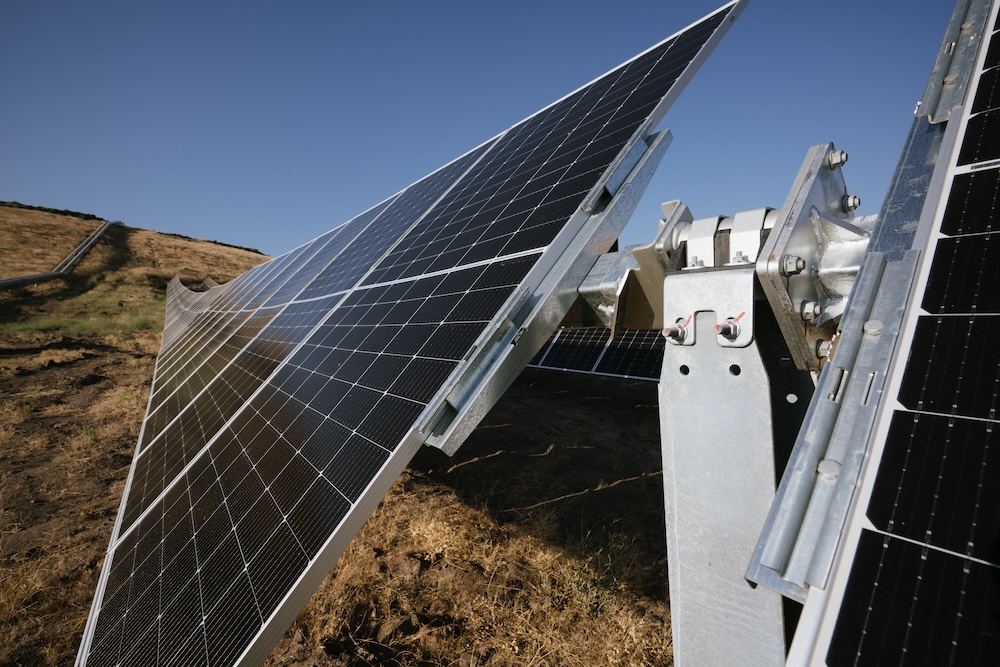
    Single axis solar tracker systems

    The El Quemado solar farm by YPF Luz is a big step forward in Argentina’s renewable energy expansion. It has a capacity of 305 MW and establishes Mendoza Province as a significant solar generation hub while accelerating the transition to utility-scale renewable energy infrastructure. The project combines large-scale photovoltaic generation with modern solar tracking and grid integration technology to increase efficiency and energy output. This project will consist of 511,000 bifacial photovoltaic modules, 5,800 solar trackers, 1,170 inverters, and 40 transformer stations. Bifacial solar modules generate power from both sides of the panel, increasing energy yield over monofacial systems. The project adds to Argentina’s renewable generation portfolio and helps meet the country’s clean energy ambitions. It also helps to diversify Argentina’s electrical mix and reduce exposure to fuel price volatility. The integration of these systems relies on robust hardware components such as downlead clamps.

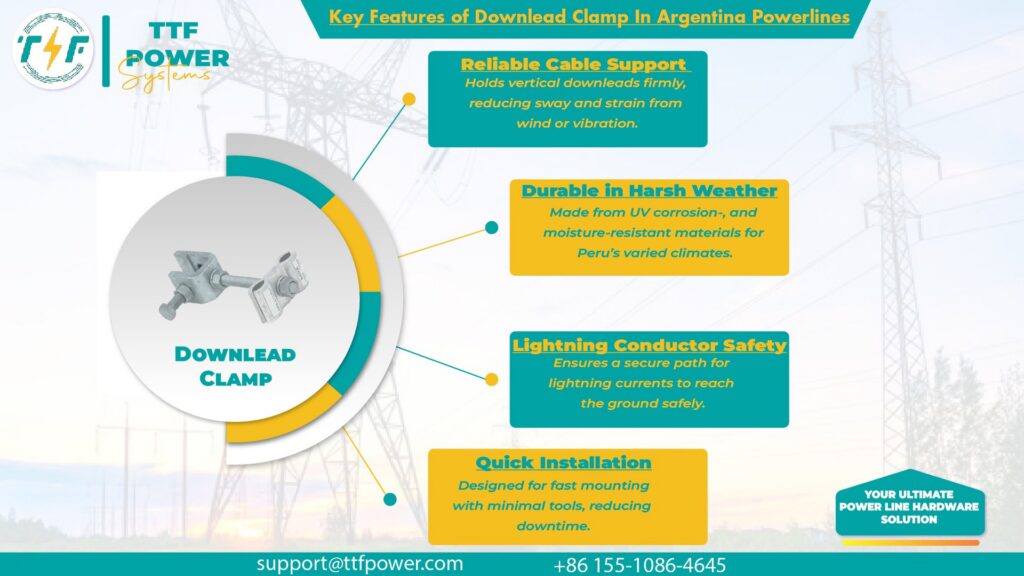
    Downlead clamps hold and protect vertical or inclined cables on transmission towers and other structures. They ensure the safety, dependability, and longevity of the electrical and communication infrastructure. The clamps secure grounding conductors, forming a low-resistance channel for fault currents and lightning strikes to dissipate safely into the ground. They safeguard sensitive solar equipment from damage under a variety of environmental situations. The clamps secure wires to buildings, preventing excessive movement, swinging, and whipping. This prevents mechanical strain and damage to wires caused by continual vibration and thermal expansion. Downlead clamps provide a safety buffer between cables and the sharp edges of steel towers. This reduces abrasion and ensures the proper bending radius. In addition, they manage intricate cable systems in large-scale projects. They allow the integration of battery storage systems and the national grid.

    Quality verification of downlead clamps used in solar farms in Argentina

    Quality assurance for downlead clamps enhances operational reliability and project economics. It enhances cable protection, lowers maintenance costs, improves electrical dependability, and extends infrastructure lifetime. Effective QA enables developers to maintain performance commitments while reducing operational downtime. Material testing, corrosion protection verification, dimensional inspections, mechanical load analysis, and installation control are all part of the Quality Assurance process. This enables solar producers to ensure longevity and operational stability in tough settings.

    Features of the downlead clamp

    Poor-quality clamps can cause cable movement, insulation damage, corrosion, grounding failures, and operational hazards. Downlead clamps must be appropriately integrated with tracker and racking systems. The clamp is tested for compatibility by measuring the mounting interface dimensions, structural load compatibility, galvanic corrosion avoidance, and thermal expansion matching. QA programs for solar hardware ensure the clamps comply with industry standards.

    The functions of downlead clamps in Argentina’s solar farms

    Downlead clamps provide cable management, protection, and structural support for Argentina’s utility-scale solar farms. They ensure electrical reliability, mechanical stability, and operational safety across the solar infrastructure. The clamps are used on solar tracker structures, mounting frames, transmission poles, substation supports, and inverter/transformer platforms. Here are the functions of downlead clamps in solar farms:

    Downlead clamps secure grounding conductors
    • Cable securing and stabilization – downlead clamps hold cables firmly against support structures to prevent uncontrolled motion. This is because solar farms contain excessive cable networks exposed to environmental forces.
    • Protection against mechanical damage – the clamps protect cables from rubbing against metallic structures. Most clamps have rubber inserts, polymer cushioning, smooth contact surfaces, and anti-friction linings.
    • Supporting grounding and earthing systems – the clamps secure grounding conductors and bonding cables throughout solar facilities. They maintain grounding continuity, stabilize earth conductors, and protect grounding cable insulation.
    • Supporting solar tracker systems—tracker systems involve moving mechanical assemblies that need flexible cable support. Downlead clamps secure moving cables, prevent cable entanglement, and reduce mechanical wear.

    Advantages of YPF Luz’s solar farm deployment in Argentina’s energy sector

    The El Quemado 305MW solar farm near Mendoza provides structural, economic, and systemic benefits to Argentina’s energy sector. These advantages extend beyond generation capacity, influencing grid stability, investment flows, and the renewable transition trajectory. The solar farm improves grid dependability, lowers electricity generation costs, and accelerates investment and finance for energy infrastructure. To maximize efficiency, the project combines sophisticated photovoltaic and grid technology. These include bifacial solar modules, single-axis tracking systems, smart inverters with grid support capabilities, and high-voltage substation equipment. Solar farm deployment improves Argentina’s grid dependability, lowers energy costs, accelerates investment flow, and modernizes infrastructure.

  • C-span clamps in Genneia Thermal Grid Plans

    BESS facility integration with thermal plants

    Genneia, Argentina’s largest clean energy generator, is planning the future of its 118 MW Bragado thermoelectric project. Bragado and the 245 MW Cruz Alta facility in Tucuman province comprise the company’s 363 MW portfolio of fossil fuel-powered power facilities. Nonetheless, gas peaker plants continue to provide grid support functions that intermittent renewable power cannot fully replace. These assets enable speedy starting, frequency stability, reserve power during renewable variability, and backup generation in the event of transmission congestion. Thermal power plants assist in connecting fossil fuel generation with a renewable grid that relies more on storage. The connection and integration of these facilities with the grid and renewable energy sources depend on C-span clamps

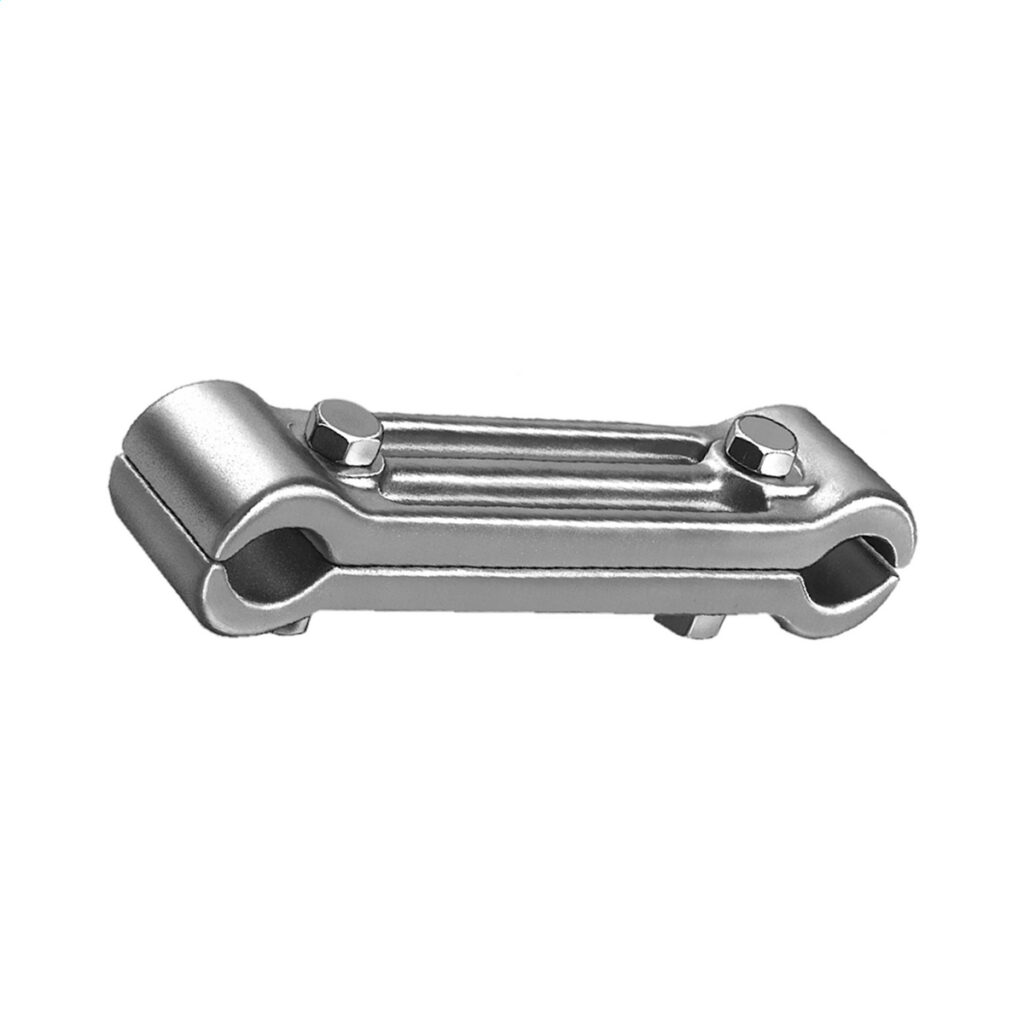
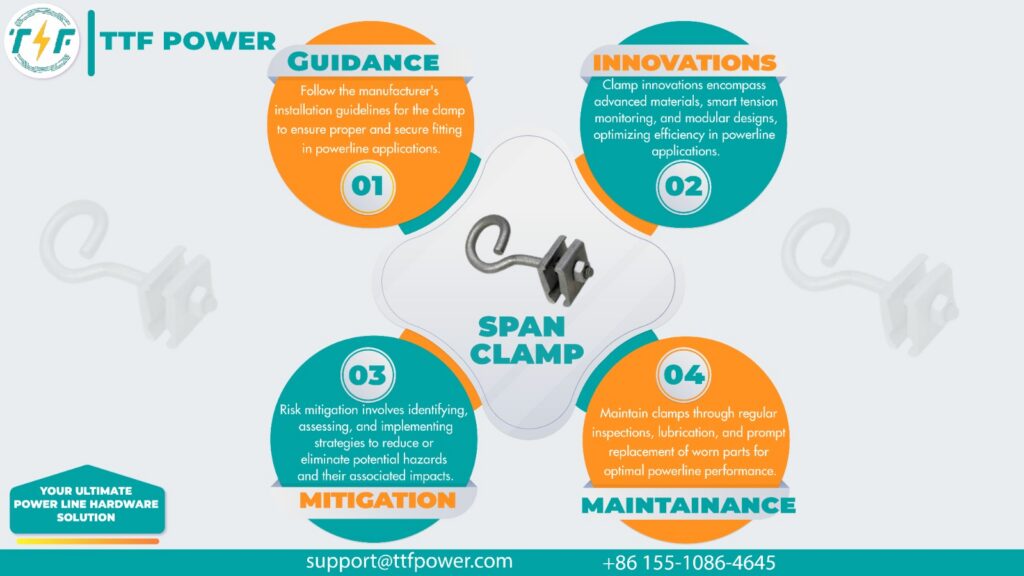
    Span clamps are used to securely connect and install cables in solar farms and battery energy storage systems. They manage the enormous wiring that connects battery racks, inverters, solar arrays, and grid connection points. They form a low-resistance electrical junction at the connection sites. This is critical for efficiently transferring large DC currents between battery modules and the power conversion system. C-span clamps prevent vibration and thermal expansion-induced loosening. This helps keep conductors aligned under temperature stress, ensuring long-term stability. The clamps help to keep signals intact during hybrid overhead and underground cable transitions.

    Quality control for C-span clamps used in thermal plants and integrated infrastructure

    Best practices for C-span clamps

    Quality assurance for C-span clamps guarantees secure conductors, mechanical stability, and dependable electrical transmission systems. QA helps to prevent failures that cause conductor displacement, line instability, mechanical fatigue damage, and power outages. Bolt loosening, structural cracking, corrosion deterioration, conductor sliding, and lower load-bearing capacity are all common problems with low-quality clamps. These clamps will be critical for Argentina’s renewable integration and expansion of battery energy storage systems. The procedure entails raw material verification, manufacturing inspection, mechanical strength testing, corrosion resistance, and thermal performance evaluation. Utilities and infrastructure developers can lower operating risks and increase grid resilience. High-performance C-span clamp systems play an important role in ensuring the security and durability of power infrastructure.

    C-span clamps function in thermal plants and integrated infrastructure in Argentina

    C-span clamps serve in thermal power plants, transmission lines, and energy integration infrastructure. They protect conductors and structural components while also ensuring the mechanical stability and operational reliability of electrical networks. Here are its primary tasks in the infrastructure.

    C-span clamps provide mechanical support for conductors
    • Mechanical support of conductors—C-span clamps provide mechanical support for overhead conductors. They secure conductors to support structures, maintain conductor positioning, and stabilize transmission spans.
    • Conductor retention and stability—the clamps hold conductors under dynamic operating conditions. They prevent conductor slippage, span misalignment, and mechanical loosening.
    • Support for thermal plant power evacuation—C-span clamps serve in switchyard structures and plant interconnection lines. They secure conductor attachment under high electrical loads, thermal cycling, and mechanical stress caused by sustained generation dispatch.
    • Integration of renewable and hybrid energy infrastructure—C-span clamps support these projects by stabilizing conductors. They secure renewable collection networks, transmission expansion lines, and storage interconnection systems.
    • Maintenance of conductor spacing and clearance—proper conductor spacing prevents electrical flashovers, grounding incidents, and arc faults. C-span clamps maintain safe conductor clearance, structural alignment, and electrical separation distances. This is important in medium-voltage networks, substation interconnection, and industrial power systems.

    Genneia’s initiatives to incorporate thermal power stations and reduce fossil fuel generation

    Genneia is implementing a dual-transition approach in Argentina’s energy sector to secure selective thermoelectric generation capacity and grid stability. This occurs as renewable infrastructure expands to reduce dependency on fossil-fuel power generation. The initiatives are as mentioned below:

    1. Growth of renewable energy capability – Genneia has significant investments in wind farms, solar energy facilities, renewable transmission networks, and innovative energy storage solutions.
    2. Combining thermal and renewable energy infrastructure—the Bragado thermal plant and the Cruz Alta thermal plant serve as peaker generation assets and support grid stabilization. This enables Argentina to increase renewable production without jeopardizing system reliability.
    3. Minimizing reliance on traditional fossil fuel generation—the company has initiated decarbonization strategies that encompass wind and solar implementation, gradual phasing out of outdated thermal facilities, and decreased dependence on inefficient fossil-fuel energy sources.
    4. Investment in energy storage and transmission – the firm is progressing initiatives related to BESS, expansion of transmission, infrastructure for renewable energy evacuation, and hybrid energy systems.