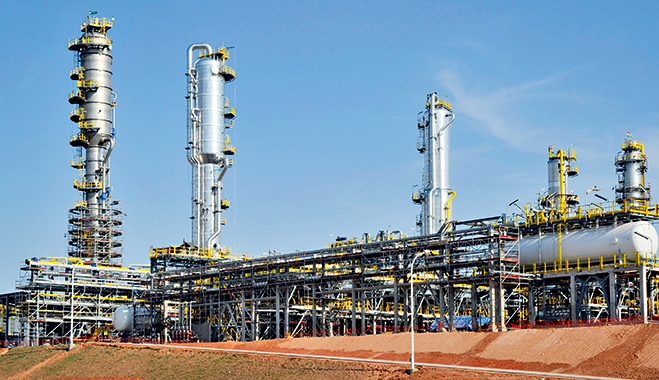
Bolivia’s crude oil production plummeted to 8.6 million barrels, while liquid hydrocarbons have been steadily declining. Natural gas has likewise steadily declined since 2014. This reduction is due to natural depletion of established fields and underinvestment in exploration and development. Bolivia has used a variety of improvements and remedies to ease fuel shortages. Recent developments include upstream reactivation, import incentives, and the importation of fuel. Fuel shortages influence both the social and economic sectors of the country. It has an impact on electricity generation, industrial applications, and local refining. The administration is implementing a variety of measures to combat the growing gasoline crisis. This is accomplished by providing incentives for fuel imports, the use of alternative payment channels, fuel conservation, and demand reduction measures. Parallel groove clamps (PGC) ensure the electrical grid powering the entire fuel supply chain is reliable and resilient.
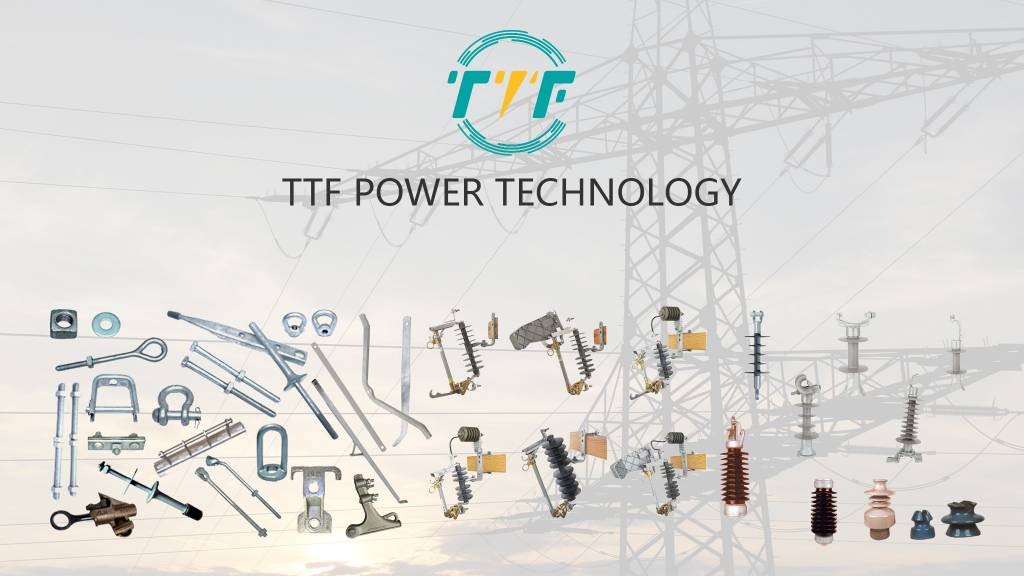
Parallel clamps provide a dependable electrical and mechanical connection between two parallel wires. They transfer electrical power from a primary line to secondary lines without cutting the main conductor. They are critical components of Bolivia’s strategy, which includes energy infrastructure such as refineries, pump stations, and import terminals. These facilities rely on a consistent and uninterrupted electrical supply. Parallel groove clamps connect electrical substations and distribution lines for industrial enterprises in Bolivia. Using high-quality PGCs helps to prevent outages that can disrupt refineries. The clamps form strong, corrosion-resistant connections in the overhead lines that supply important stations. High-quality clamps enable efficient branching and durable connections. This guarantees that storage tanks, lighting, and loading equipment receive consistent electricity.
Parallel groove clamps support infrastructure related to fuel constraints
Weak and crumbling infrastructure frequently leads to fuel shortages, affecting Bolivia’s energy sector. The infrastructure requires electrical, monitoring, safety, and control systems for refining, transportation, and storage. Proper usage of PGCs helps ensure dependable connections, lowering the danger of shutdowns caused by electrical failures. Parallel groove clamps are suitable for use in gas pipeline networks, lightning-prone areas, and import, distribution, and transportation infrastructure. Here are the roles of parallel groove clamps in helping infrastructure to reduce fuel shortages.
- Pumping stations—these need reliable electrical grounding, bonding, and connections for instrumentation, controls, and protection against lightning. PGCs help maintain low-resistance paths and stable connections.
- Pipeline monitoring and safety systems—sensors and leak detection, pressure sensors, and SCADA systems—need conductor connections. Parallel groove clamps secure the connections and ensure signal integrity and reduce failure risk.
- Storage tanks’ electrical systems—parallel groove clamps are crucial in linking ground wires or bonding wires between tanks and piping.
- Power transmission and distribution to fuel infrastructure—most of the gas and oil fields, refineries, and fuel depots are in remote areas, which demand reliable electricity. PGCs in overhead lines or ground wire connections help ensure electrical reliability.
- Cathodic protection and corrosion prevention—PGCs may connect leads and sacrificial anodes to ensure continuous circuits. They are crucial for pipeline cathodic protection systems using the anodes.
Major challenges for Bolivia amid fuel shortages
Fuel shortages have an impact on Bolivia’s economy, politics, infrastructure, and society. Bolivia requires enough foreign currency to purchase fuel and pay for shipment, which cuts revenue when gas exports fall. These difficulties put more pressure on the government to provide answers to the gasoline shortages. Key barriers confronting the country include:
- Declining domestic oil and gas production—the drop in local production of oil and gas leads to increased reliance on imports to meet demand.
- Inadequate infrastructure and distribution issues—fuel shortages affect transport, storage, and distribution systems. It also affects agricultural zones due to a lack of harvesting equipment.
- High dependency on fuel imports—international price fluctuations, foreign exchange constraints, and shipping costs affect supply and affordability.
- Subsidy strains and fiscal burden—the government has been subsidizing fuel to keep domestic prices low. Maintaining subsidies during reduced state revenues puts pressure on public finances.
- Inflation and rising costs—the fuel crisis leads to higher costs for transport, agriculture, and food. People may pay more or suffer from reduced access.
- Socio-political pressure and unrest—fuel shortages affect farmers, transport operators, and public transit sectors, leading to protests. There may be public dissatisfaction due to long queues, lack of fuel, and disruptions to daily life.