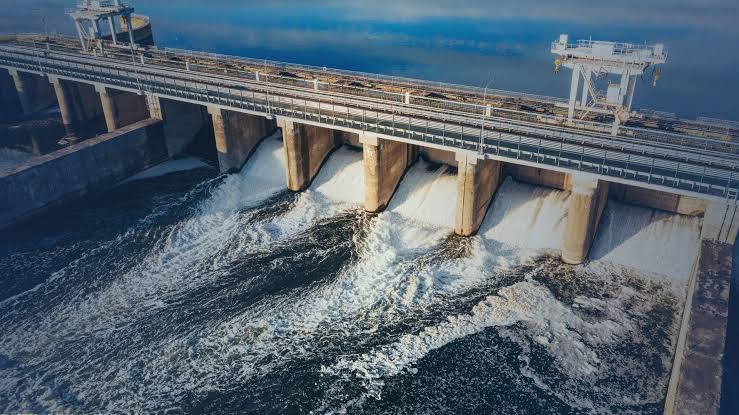
PEOT recently approved ClearPower Global’s plans to create renewable hydropower from Peru’s Tinajones water system. The project demonstrates how to convert current irrigation infrastructure into an energy-generating asset. It also intends to develop 20 MW of hydroelectric capacity, equivalent to 184 GWh of energy, and invest US$35 million. The ClearPower project employs modular turbines that run within existing gravity-fed and pressurized water infrastructure, harnessing energy from appropriate elevation drops and water pressure. In addition, the project aims to convert some of Peru’s available hydraulic energy into electricity. The estimated yearly output of up to 184 GWh demonstrates how dispersed generation from existing infrastructure contributes to electricity production without relying on major greenfield hydropower projects. ClearPower’s current technology portfolio includes modular configurations designed for different combinations of head, flow, and conduit conditions. This development will depend on electrical components such as conductors, connectors, ground rod clamps, insulators, and protection equipment.
Ground rod clamps hold the grounding conductor to the grounding electrode in hydropower and turbine systems. The connection generates a low resistance, dissipating fault currents and lightning surges into the ground while protecting equipment and personnel. Hydropower facilities have grounding networks that run throughout the powerhouse, switchyard, and nearby areas. Ground rod clamps connect the grounding conductor to the ground rod. It maintains a low-resistance connection to divert fault currents away from important turbine generators, transformers, and control systems. The turbines and hydroelectric infrastructure link to the grid to transfer the power generated. Ground rod clamps are used to safeguard this infrastructure from lightning strikes and other hazards. It prevents hydro plant failures that could result in equipment damage.
Quality assurance of ground rod clamps used in hydropower and turbine infrastructure
Conducting quality assurance on ground rod clamps allows them to provide a reliable low-impedance channel for fault current, lightning currents, and electrical energy transients. QA eliminates flaws that could jeopardize the continuity of the grounding network in turbine housing, substations, generators, and control systems. The QA process includes material quality, dimensional and mechanical inspection, electrical conductivity testing, connection integrity, corrosion and environmental testing, as well as casting, forging, and machining quality.
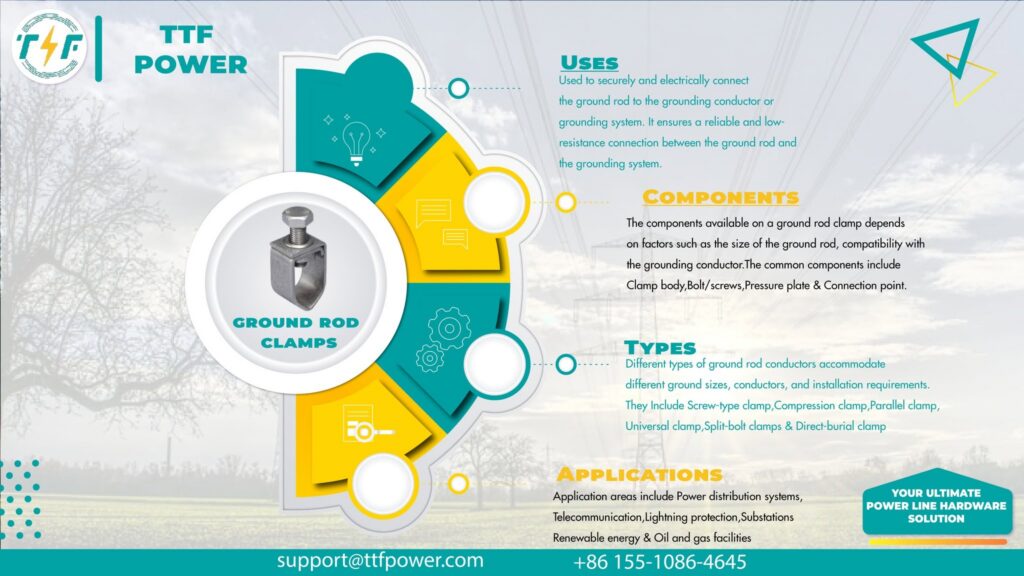
Grounding in hydropower facilities protects generators, turbines, and control panels. They are part of a bigger grounding and bonding system. These connections help to mitigate the risk of fault currents, lightning strikes, electrical transients, and undesirable potential differences.Reliable grounding hardware supports the integrity of electrical and turbine installations in Peru’s hydropower infrastructure. A quality-assured clamp provides a durable, low-resistance, and mechanically secure connection under electrical and environmental conditions.
The functions of ground rod clamps in hydropower and turbine equipment in Peru
Ground rod clamps ensure a stable connection between grounding conductors and electrodes. They provide a continuous channel for faults and transient currents. They help to ensure the continuity and dependability of grounding systems for turbines, generators, transformers, substations, and control systems. Here are their primary responsibilities in infrastructure.
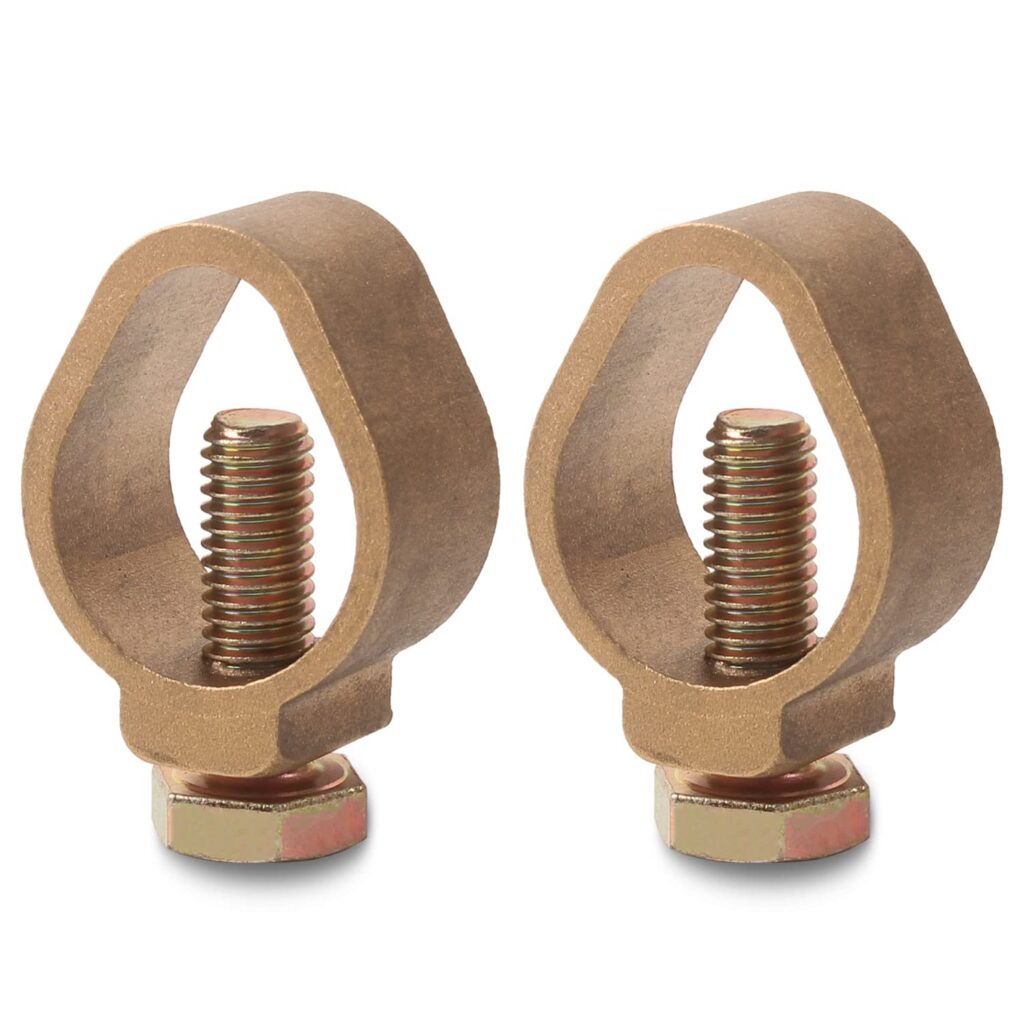
- Connecting grounding conductors to ground electrodes—the clamps mechanically and electrically connect a grounding conductor to a ground rod. This connection forms part of the grounding network serving generators, turbine equipment, transformers, and switchgear.
- Supporting generator and turbine grounding—the metallic structures and electrical equipment in hydropower turbines and generators need effective bonding and grounding to control electrical potentials. Ground rod clamps connect conductors to electrodes that dissipate electrical energy into the ground.
- Providing a path for fault currents—the grounding system uses ground rod clamps that provide a conductive path from grounded equipment toward the grounding electrode system.
- Supporting lightning protection—ground rod clamps connect grounding conductors to electrodes that help disperse lightning current into the earth.
The impact of ClearPower’s technology on Peru’s hydropower networks
ClearPower Global’s proposed deployment in Peru takes a unique approach to hydropower generation. It features modular turbines that are intended to recover energy from existing gravity-fed pressurized water infrastructure. The effects include:
- Greater use of existing water infrastructure—the modular turbines could provide Peru with a pathway for developing hydropower without the need for new generation projects.
- Expansion of distributed hydropower generation—the use of ClearPower technologies creates the possibility of smaller, distributed generation points along water networks.
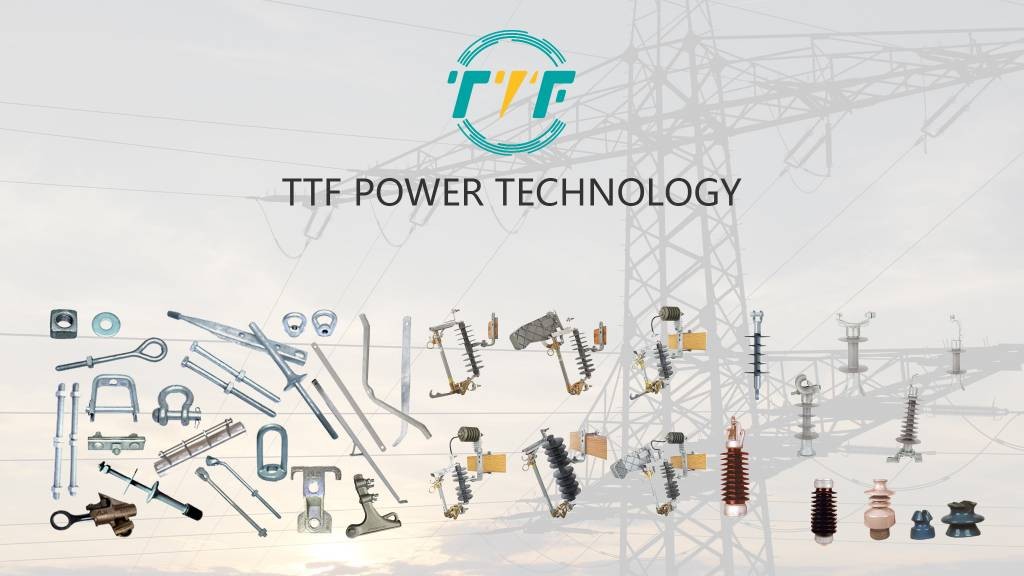
- Supporting local grid infrastructure—electricity generated by the turbines creates the need for infrastructure. This is including transformers, switchgear, protection systems, conductors, grounding systems, and surge protection.
- The potential for scaling across Peru—the Tinajones project shows whether modular turbine technology can coexist with an operating irrigation network.