Tag: grounding systems

  • No Wrench Screw Anchors in Chile’s Marine Energy

    Tidal and ocean current technology development

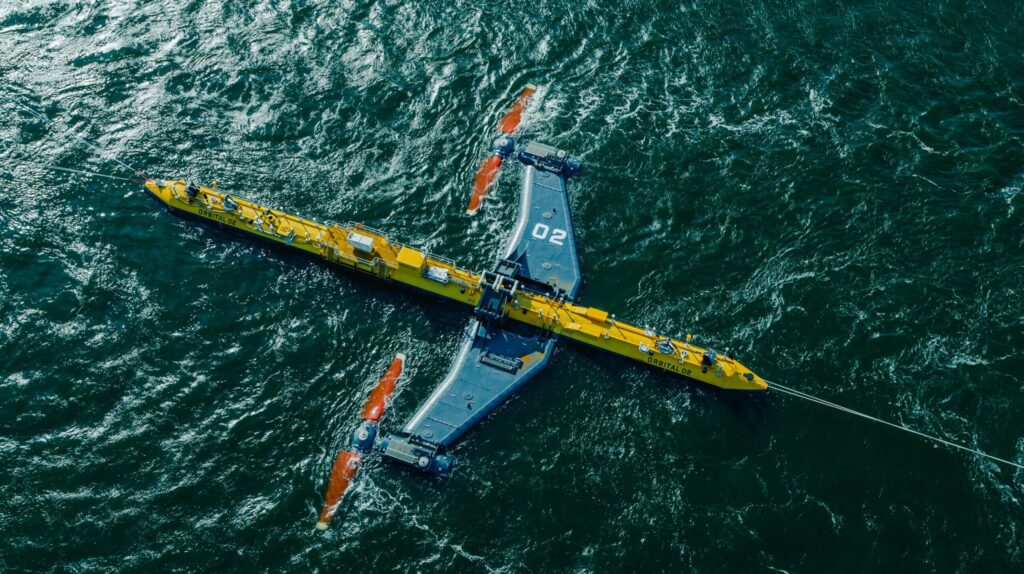
    Minesto, an ocean energy developer, has signed a memorandum of understanding with Trayen Power, a Chilean project developer, to work together on tidal and ocean current energy projects. Chile offers world-class tidal and ocean current resources. The agreement provides a platform for Minesto and Trayen Power to explore commercial potential for Minesto’s Dragon Class technology in Chile. The goal is to create tidal and ocean current energy production, which will provide sustainable electricity to the grid. It could also help Chile harness its vast maritime energy potential to supplement solar, wind, and hydropower energy. It also helps develop renewable electricity projects for utility grids and local industrial energy users. These connections will depend on robust hardware components such as grounding components, cable termination hardware, and transmission fittings. No wrench screw anchors act as grounding anchors for mooring floating marine energy devices.

    No wrench screw anchors in marine renewable energy enable a secure mooring for floating wind turbines, wave energy converters, and tidal turbines. The anchoring methods keep the gadgets in place during operation and storms. The mooring lines are held in place by no wrench screw anchors despite the complicated vertical and lateral strains generated by the floating gadget. It screws into the soil, producing little noise and vibration. This is less disturbing to marine mammals than driving big monopiles. Furthermore, the anchors provide stability for grid technologies and infrastructure that support tidal technologies. The mooring system ensures the floating turbine stays in the optimal position relative to the tidal stream to generate consistent power.

    Quality assurance for no wrench screw anchors used in tidal and ocean technologies

    No wrench screw anchors are used in tidal and ocean energy infrastructure to secure equipment and supporting structures under harsh sea conditions. Properly specified and validated anchoring solutions improve installation efficiency, structural stability, and operational dependability. No wrench or screw anchors give a secure attachment that does not need a typical tool to install. The anchors provide support for constructions, equipment mounting, cable management, and auxiliary uses.
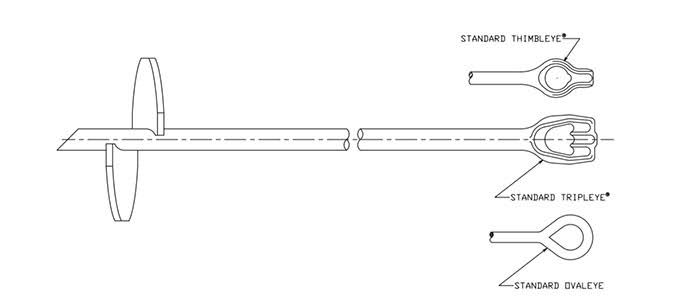
    Specifications for the no wrench screw anchors

    Their performance in marine energy projects is determined by the exact anchor design, substrate, loading circumstances, and corrosion prevention system. Quality assurance for anchors includes material quality verification, dimensional accuracy, corrosion protection, mechanical load testing, and thread integrity. Quality assurance for manufacturing processes covers incoming material inspection, process control, and inspection and testing. QA for the anchors reduces the risk of failure in equipment mounting and auxiliary support systems.

    No wrench screw anchors in tidal and ocean current technologies in Chile

    Chile’s maritime energy provides chances to develop tidal and ocean current technologies to supplement traditional renewable electricity generating. Screw anchors without a wrench are useful for equipment mounting, auxiliary constructions, and specific fastening applications. Here are their primary responsibilities in tidal and ocean current technologies.
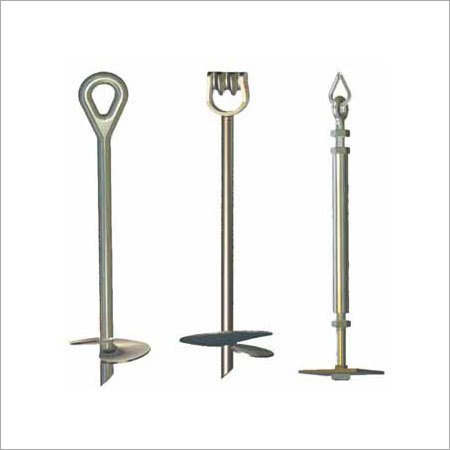
    No wrench screw anchors support tidal and ocean current energy installations
    • Securing auxiliary equipment and support structures—no wrench screw anchors secure auxiliary equipment and support tidal and ocean current energy installations. They offer mechanical stability, installation consistency, reduced installation effort, and equipment protection.
    • Supporting cable management and electrical infrastructure—tidal and ocean current energy systems need electrical cables, monitoring equipment, and connections between underwater generation units. The screw anchors provide cable-support stability, protection of electrical connections, and organized installations.
    • Providing reliable fastening in harsh marine conditions—no wrench screw anchors in these technologies ensure corrosion resistance, mechanical integrity, and operation reliability.
    • Supporting maintenance and lifecycle cost management—the screw anchors provide reliable fastening and convenient access for compatible maintenance tasks. This ensures less repair work, easier inspection, reduced downtime, and better maintenance planning.

    Infrastructure to construct ocean energy projects in Chile

    The adoption of Dragon Class technology will need integrated marine, electrical, grid, and monitoring infrastructure that can operate reliably in Chile’s coastal environment. The infrastructure includes the following:
    1. Marine energy conversion systems—this system converts the kinetic energy of moving seawater into electricity. The technologies include tidal-stream turbines, ocean-current turbines, and Minesto’s Dragon Class underwater kite system.
    2. Marine surveys and site-assessment infrastructure—this includes acoustic Doppler current profilers, bathymetric survey systems for mapping the seabed, and wave, tide, and meteorological monitoring instruments.
    3. Subsea cables and electrical transmission infrastructure—generated electricity is transferred safely and efficiently to the point of consumption. The electrical infrastructure will include submarine power cables, cable protection systems, protection equipment, and no wrench or screw anchors.
  • Ground rod clamps: Securing Peru’s Hydropower Systems

    Hydropower generating electricity

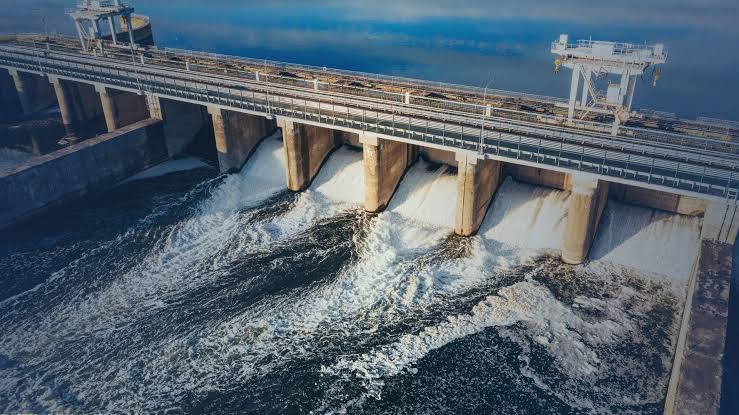
    PEOT recently approved ClearPower Global’s plans to create renewable hydropower from Peru’s Tinajones water system. The project demonstrates how to convert current irrigation infrastructure into an energy-generating asset. It also intends to develop 20 MW of hydroelectric capacity, equivalent to 184 GWh of energy, and invest US$35 million. The ClearPower project employs modular turbines that run within existing gravity-fed and pressurized water infrastructure, harnessing energy from appropriate elevation drops and water pressure. In addition, the project aims to convert some of Peru’s available hydraulic energy into electricity. The estimated yearly output of up to 184 GWh demonstrates how dispersed generation from existing infrastructure contributes to electricity production without relying on major greenfield hydropower projects. ClearPower’s current technology portfolio includes modular configurations designed for different combinations of head, flow, and conduit conditions. This development will depend on electrical components such as conductors, connectors, ground rod clamps, insulators, and protection equipment.

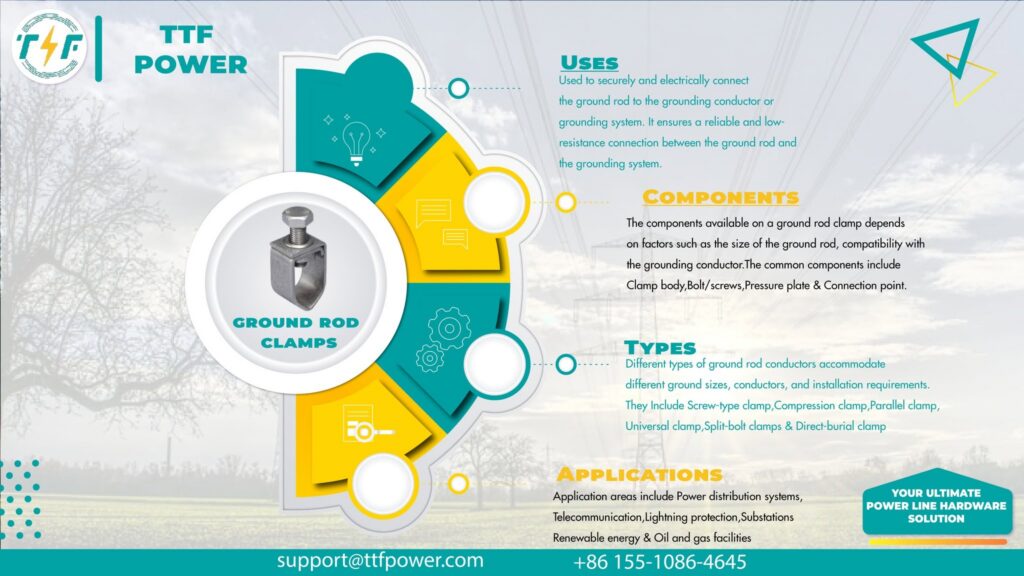
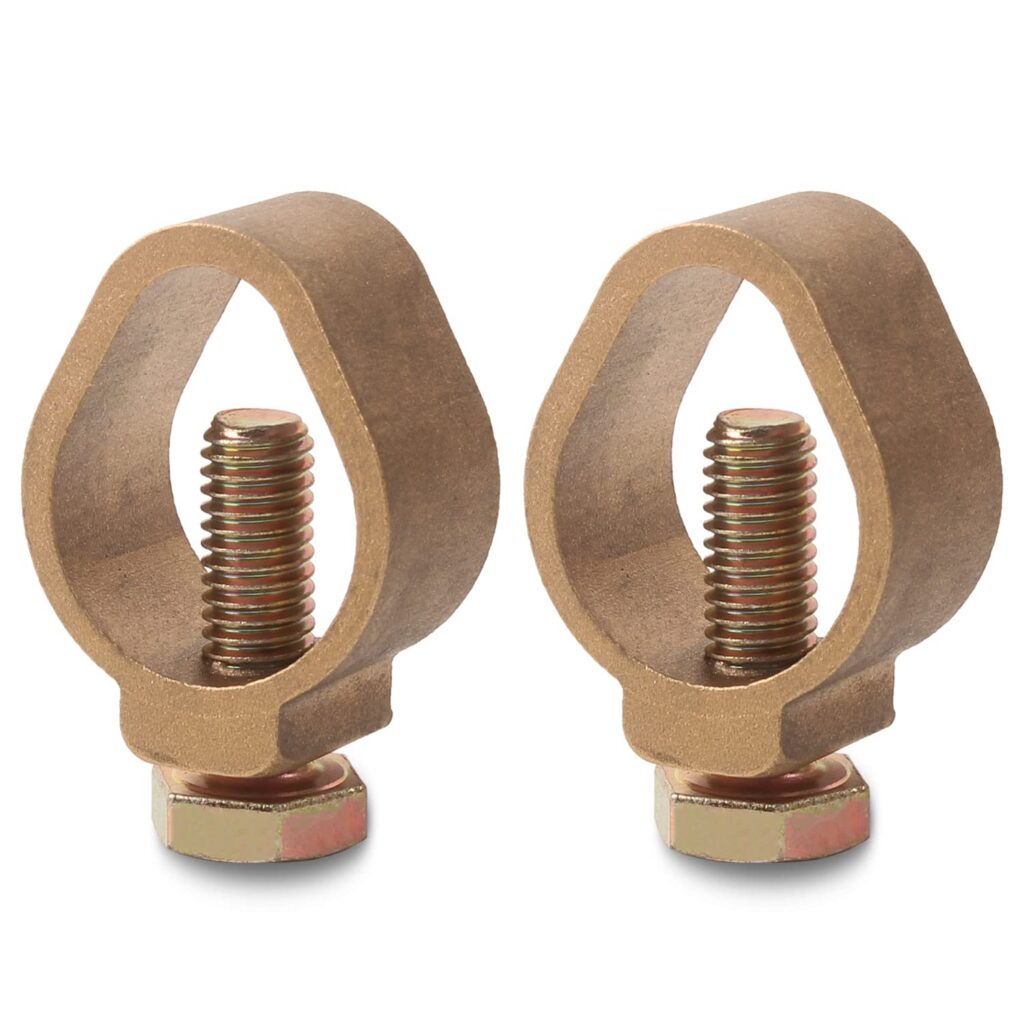
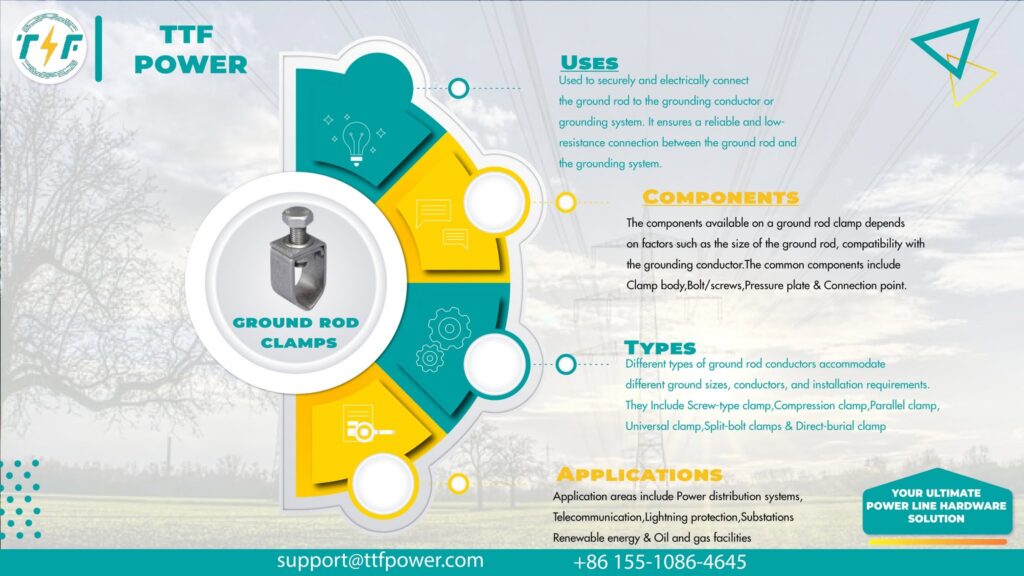
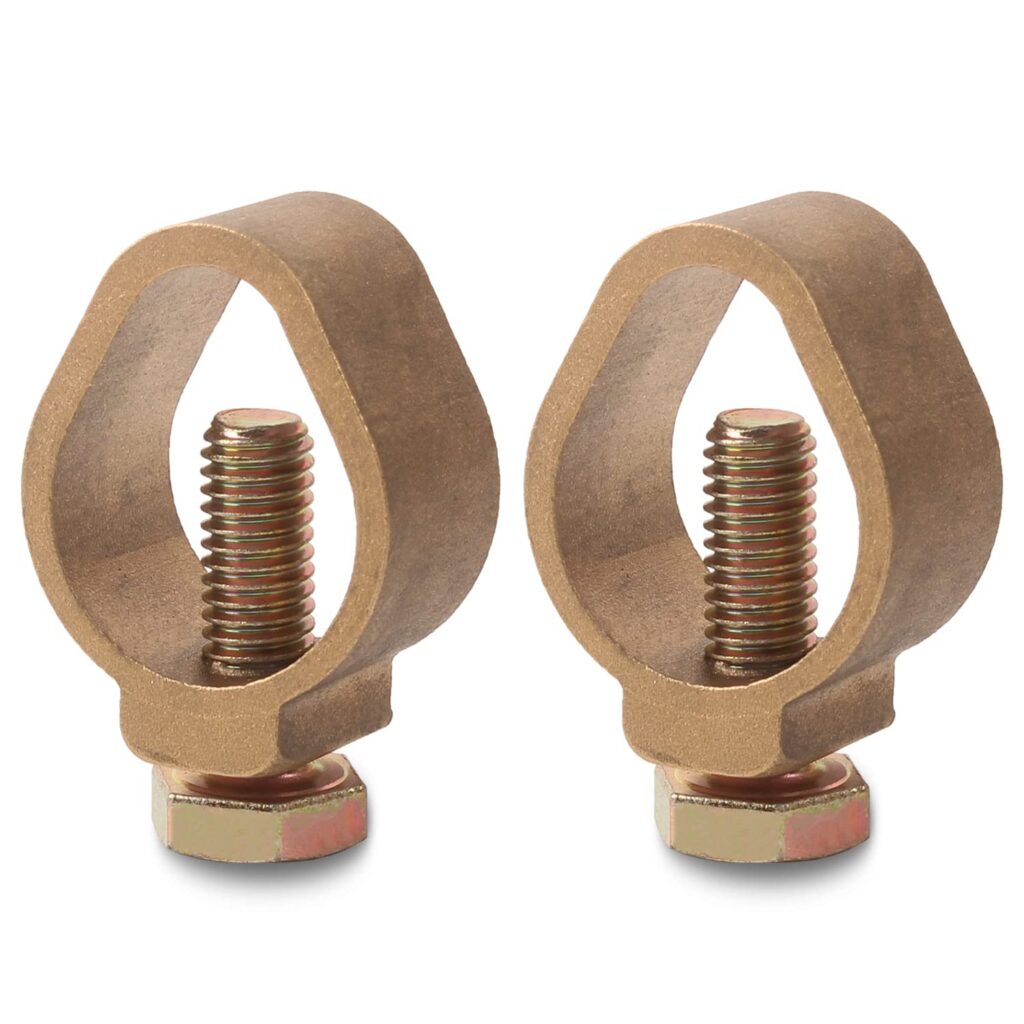
    Ground rod clamps hold the grounding conductor to the grounding electrode in hydropower and turbine systems. The connection generates a low resistance, dissipating fault currents and lightning surges into the ground while protecting equipment and personnel. Hydropower facilities have grounding networks that run throughout the powerhouse, switchyard, and nearby areas. Ground rod clamps connect the grounding conductor to the ground rod. It maintains a low-resistance connection to divert fault currents away from important turbine generators, transformers, and control systems. The turbines and hydroelectric infrastructure link to the grid to transfer the power generated. Ground rod clamps are used to safeguard this infrastructure from lightning strikes and other hazards. It prevents hydro plant failures that could result in equipment damage.

    Quality assurance of ground rod clamps used in hydropower and turbine infrastructure

    Conducting quality assurance on ground rod clamps allows them to provide a reliable low-impedance channel for fault current, lightning currents, and electrical energy transients. QA eliminates flaws that could jeopardize the continuity of the grounding network in turbine housing, substations, generators, and control systems. The QA process includes material quality, dimensional and mechanical inspection, electrical conductivity testing, connection integrity, corrosion and environmental testing, as well as casting, forging, and machining quality.

    Types and applications of ground rod clamps

    Grounding in hydropower facilities protects generators, turbines, and control panels. They are part of a bigger grounding and bonding system. These connections help to mitigate the risk of fault currents, lightning strikes, electrical transients, and undesirable potential differences.Reliable grounding hardware supports the integrity of electrical and turbine installations in Peru’s hydropower infrastructure. A quality-assured clamp provides a durable, low-resistance, and mechanically secure connection under electrical and environmental conditions.

    The functions of ground rod clamps in hydropower and turbine equipment in Peru

    Ground rod clamps ensure a stable connection between grounding conductors and electrodes. They provide a continuous channel for faults and transient currents. They help to ensure the continuity and dependability of grounding systems for turbines, generators, transformers, substations, and control systems. Here are their primary responsibilities in infrastructure.

    Ground rod clamps connect generators and turbine equipment
    • Connecting grounding conductors to ground electrodes—the clamps mechanically and electrically connect a grounding conductor to a ground rod. This connection forms part of the grounding network serving generators, turbine equipment, transformers, and switchgear.
    • Supporting generator and turbine grounding—the metallic structures and electrical equipment in hydropower turbines and generators need effective bonding and grounding to control electrical potentials. Ground rod clamps connect conductors to electrodes that dissipate electrical energy into the ground.
    • Providing a path for fault currents—the grounding system uses ground rod clamps that provide a conductive path from grounded equipment toward the grounding electrode system.
    • Supporting lightning protection—ground rod clamps connect grounding conductors to electrodes that help disperse lightning current into the earth.

    The impact of ClearPower’s technology on Peru’s hydropower networks

    ClearPower Global’s proposed deployment in Peru takes a unique approach to hydropower generation. It features modular turbines that are intended to recover energy from existing gravity-fed pressurized water infrastructure. The effects include:

    1. Greater use of existing water infrastructure—the modular turbines could provide Peru with a pathway for developing hydropower without the need for new generation projects.
    2. Expansion of distributed hydropower generation—the use of ClearPower technologies creates the possibility of smaller, distributed generation points along water networks.
    3. Supporting local grid infrastructure—electricity generated by the turbines creates the need for infrastructure. This is including transformers, switchgear, protection systems, conductors, grounding systems, and surge protection.
    4. The potential for scaling across Peru—the Tinajones project shows whether modular turbine technology can coexist with an operating irrigation network.
  • Ground rod clamps for Peru’s Sustainable Energy Growth

    Electrical infrastructure upgrades

    Peru intends to authorize over US$20 billion in key projects via notable environmental certification. This aims to align economic growth with the safeguarding of the environment. This project encompasses mining, infrastructure, agriculture, and transportation. The investment has the potential to boost Peru’s economic growth by facilitating new infrastructure, increasing productive capacity, and generating demand for engineering, construction, energy, and various other services. Mining ventures need dependable power systems that rely on components like insulators, ground rod clamps, and connectors. Ground rod clamps provide a low-resistance link between grounding electrodes and conductors. The certification will also maintain a balance between investment and environmental stewardship.

    Ground rod clamps establish a link that safeguards equipment and personnel against fault currents and lightning strikes. It firmly attaches the grounding conductor to the grounding rod. Ground rod clamps guarantee that fault current from equipment frames is directed to the electrode system. They avert shock risks in high-energy settings. They guarantee that induced overvoltages are safely released and safeguard the electronic components of transport networks. Ground rod clamps maintain connections on distribution lines to avoid hazardous neutral displacement and provide lightning protection for isolated agricultural sites. The clamps ensure that the electrical connection have low resistance throughout mining, transportation, agriculture, and general infrastructure initiatives.

    Quality control for ground rod clamps used in Peru’s electrical system

    Ground rod clamps attach a grounding wire to a ground rod. The quality of the clamps influences grounding continuity, protects equipment, and electrical safety in mining, power generation, transmission, distribution, and rural electrification. Performing quality checks on the clamp avoids loose connections, corrosion, conductivity issues, or mechanical breakdowns. These can elevate grounding resistance and lessen the protection provided to electrical equipment and individuals.

    Understanding ground rod clamps

    Ground rod clamps enhance electrical safety, ensure reliable grounding, protect equipment, lower maintenance needs, and extend the lifespan of infrastructure. The QA process evaluates material quality, electrical conductivity, corrosion resistance, dimensional precision, mechanical testing, and fastener quality along with torque control. Proper grounding establishes a regulated route for fault current and aids in safeguarding both personnel and equipment. High-quality clamps ensure the reliability of grounding connections throughout mining operations.

    The function of ground rod clamps in Peru’s electrical systems

    Ground rod clamps establish both the mechanical and electrical link between a grounding electrode. They play a vital role in Peru’s mining, infrastructure, transportation, agriculture, and electrification initiatives. The clamps provide protection for equipment, ensure electrical safety, manage fault currents, safeguard against surges, and enhance network reliability. Here are their primary functions in electrical infrastructure.

    Ground rod clamps connect grounding conductors to ground rods
    • Establishing reliable grounding connections—the ground rod clamps connect the grounding conductor to the ground electrode. It provides a low-impedance path for fault and surge currents to dissipate into the earth.
    • Supporting Peru’s mining sector—the clamps serve in grounding systems for mining substations, transformers, electrical panels, and machinery. A grounding connection helps provide a path for fault currents and supports protection systems to disconnect faulty circuits.
    • Protecting electrical infrastructure—ground rod clamps connect grounding conductors to electrodes installed around power plants and substations. The ground is the grid and electrode system that protects equipment and improves electrical safety.
    • Supporting transportation systems—the clamps establish grounding connections for electrical distribution equipment, control systems, metallic structures, and communication equipment.

    Environmental certificates are generating prospects for Peru’s energy and mining industries

    Environmental certification is essential for linking investment, ecological conservation, and sustainable industrial growth. Peru is concentrating on boosting sustainable investment in key projects and environmental evaluations that generate opportunities for the mining and energy industries. This is achieved by enhancing project planning, boosting investor trust, and increasing access to infrastructure. Environmental certification offers an official method for significant projects to show that environmental risks have been recognized and suitable management strategies are devised.

    This can allow investments in areas like mining and mineral processing, solar and wind energy, hydropower, transmission and distribution, energy infrastructure, and transport infrastructure. It likewise promotes the responsible growth of new mining sites and expansion initiatives by mandating that developers examine factors like water consumption, biodiversity, waste handling, and emissions. Moreover, the nation possesses solar, wind, and hydropower assets that create chances to enhance electricity production while broadening the energy portfolio.

  • Earth Anchors for Vaca Muerta Oil Infrastructure

    Oil extraction from the Vaca Muerta shale formation

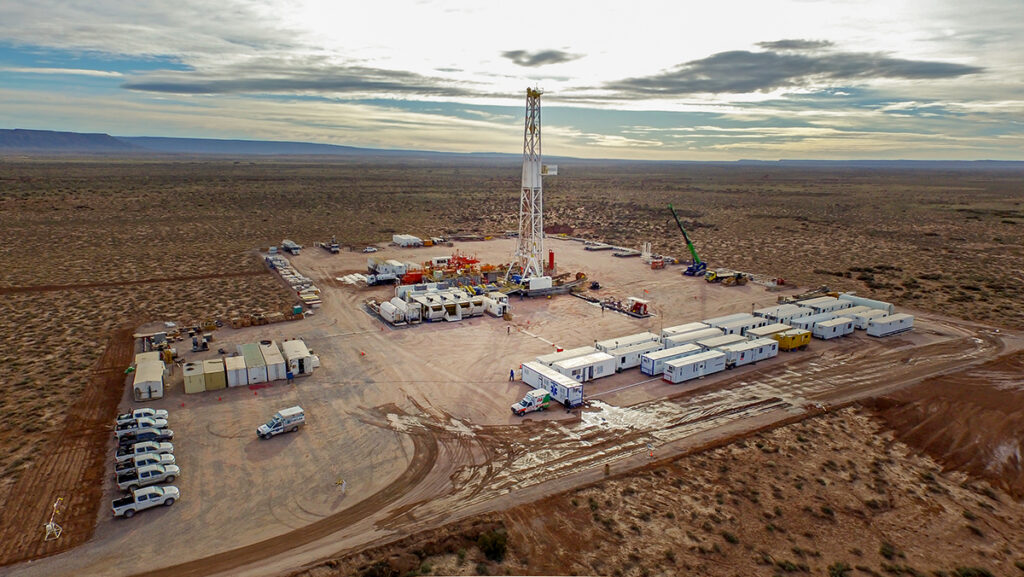
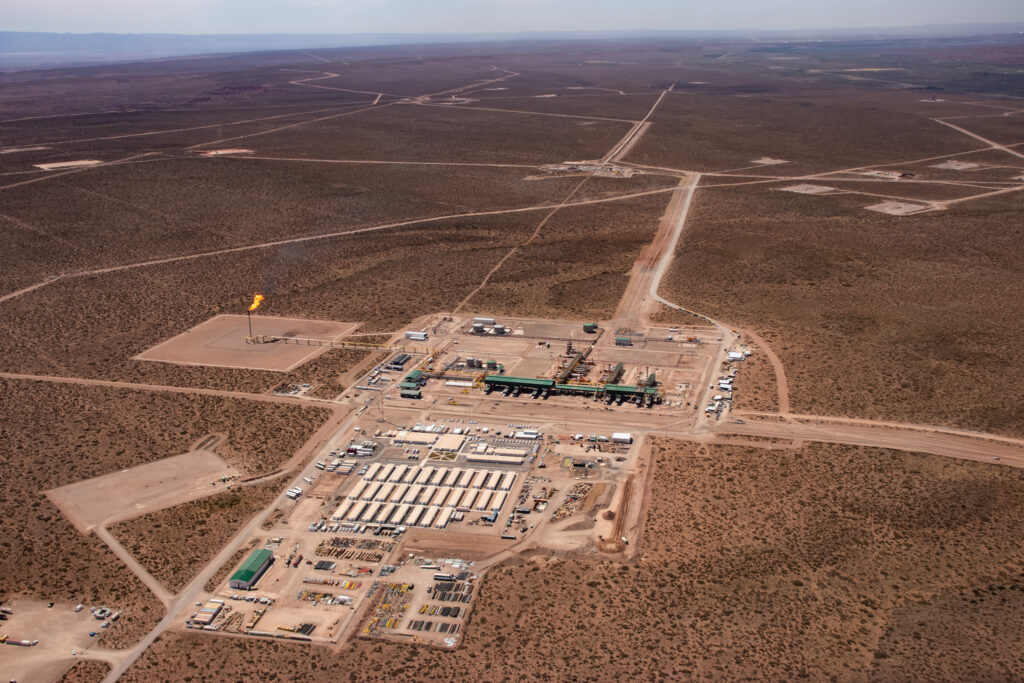
    Argentina’s Vaca Muerta shale formation is one of the most major energy transitions. It is remaking Argentina as a regional gas supplier with export ambitions based on unconventional hydrocarbon production. This combination has allowed Argentina to lessen its dependency on imported liquefied natural gas during peak demand periods. Vaca Muerta has resulted in advances such as increasing shale gas extraction, the replacement of LNG imports with domestic production, and greater pipeline use. The infrastructure and interconnections rely on earth anchors to support physical systems that allow for drilling, production, and transportation.

    Grounding systems protect onshore infrastructure such as pipelines and processing plants while anchoring offshore export terminals. Ground anchors at onshore terminals help to stabilize and secure ground-level industrial structures such as pipe racks, compression stations, storage tanks, and flare stacks. Monobouys, underwater pipelines, and single-mooring systems are all used to anchor floating platforms to the seabed at offshore facilities. Vaca Muerta’s development requires considerable surface infrastructure, including as pipelines, processing plants, and storage facilities.

    Vaca Muerta’s impact on Argentina’s energy sector

    Argentina’s Vaca Muerta project has transformed energy from a chronic fiscal liability to a viable export powerhouse. It has resulted in economic benefits such as lower energy import bills, a better trade balance due to increased hydrocarbon exports, foreign investment in upstream shale development, and job creation in the drilling, services, and logistics sectors. Argentina’s goal is to turn surplus gas into exportable LNG. This will necessitate large-scale liquefaction facilities, consistent long-term regulatory frameworks, integration with global LNG markets, and collaboration with international energy companies.

    Vaca Muerta's shale formation development

    However, these improvements will boost the demand for earth anchors for pipe racks, storage tank support structures, cable trays, and pump and compressor foundations. Anchors are also required for tall, heavy structures such as fractionation columns and flare stacks. When utilized in soft and loose soils, earth anchors provide tensile and lateral resistance, which helps to keep structures stable. They help secure slopes and structures constructed on leveled pads to prevent slipping.

    The role of earth anchors in Vaca Muerta’s shale formation infrastructure

    Earth anchors in shale developments carry weights from surface infrastructure to deeper, more stable soil strata. They enable components that keep high-load energy systems running under dynamic settings. The following are their primary infrastructural functions.

    Earth auger anchors resist lateral movement
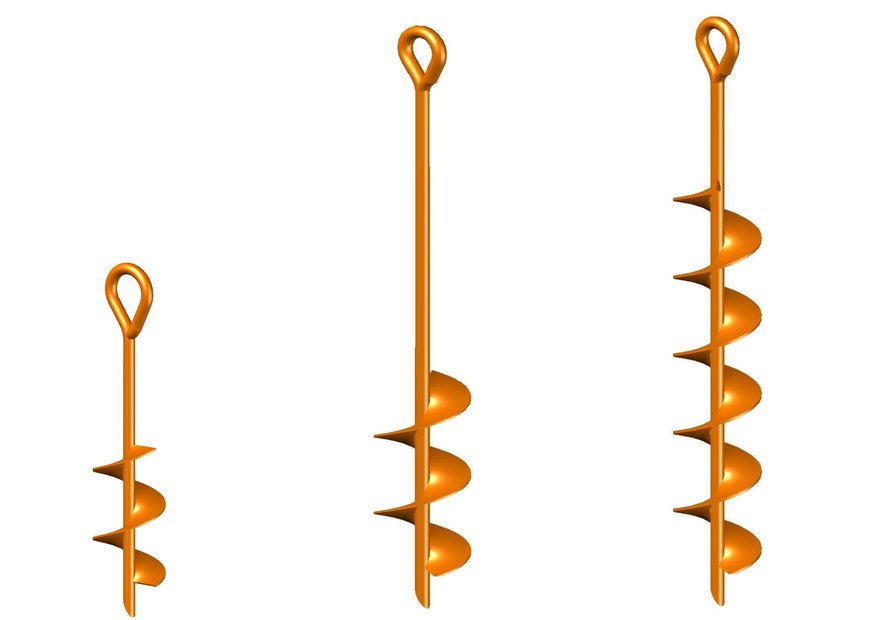
    • Structural load transfer and stabilization – in Vaca Muerta’s sedimentary soils, earth anchors resist uplift, overturning, and lateral movement. They transfer tensile and shear loads from surface equipment into subsurface soils and provide resistance against wind loads.
    • Anchorage for drilling and wellsite systems – shale-drilling operations depend on heavy, mobile, and vibration-intensive equipment. Earth anchors secure drilling rig masts and substructures, mud circulation and separation systems, and temporary well pad infrastructure.
    • Pipeline restraint and axial force management – earth anchors in shale operations control pipeline movement. They resist axial thrust in high-pressure gas pipelines, control thermal expansion and contraction forces, and prevent pipeline creep into soft soils.
    • Temporary and modular infrastructure fixing – shale development require frequent installation, relocation, and expansion. Ground anchors provide fastening for portable power generation units, mobile workshops, and securing perimeter control systems.

    Quality assurance for earth anchors used in the Vaca Muerta shale formation infrastructure

    Anchor rods quality assurance

    Material verification, manufacturing controls, mechanical testing, and field validation are used to ensure the quality of earth anchors in shale development. QA is critical because the anchors are used in drilling pads, pipelines, and modular facilities. Material verification, dimensions and manufacturing tolerances, corrosion protection, mechanical load testing, and joint integrity inspection are all part of the process. A properly assured anchor has paperwork demonstrating compliance with API, ASTM, or ISO structural steel standards. It also includes load rating certifications, manufacturer QA/QC inspection reports, and traceability logs that connect design specifications to production batches. Quality assurance should verify that shale oil and gas operations provide consistent load-bearing capability in dynamic, high vibration, and geotechnical changeable situations.

    Materials used for earth anchors utilized in the Vaca Muerta shale deposit infrastructure

    When selecting earth anchors for usage in the Vaca Muerta shale formation, consider tensile strength, corrosion resistance, fatigue performance, and soil contact behavior. The materials used vary depending on whether the anchor is intended for drilling pads, pipelines, compression stations, or temporary modular infrastructure. Earth anchors are made of materials such as high-strength carbon steel, alloy steels, galvanized steel, stainless steel, forged steel components, coated and composite-protected steel systems, and concrete-embedded steel systems. Vaca Muerta’s material selection is determined by soil variability, high dynamic loads, corrosion exposure, and modularity requirements.

  • Plate rod anchors protect power lines from floods

    Power line infrastructure affected by floods and storms

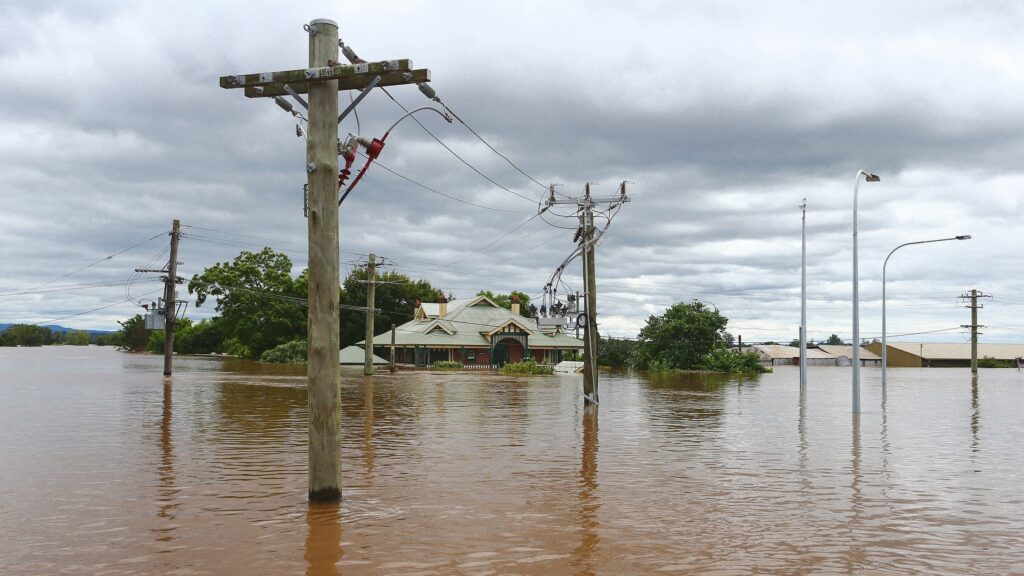
    Heavy rainfall from tropical waves 8 and 9 has caused serious flooding and landslides throughout Venezuela. The Andean states of Mérida, Trujillo, and Táchira were among the hardest hit. Storms and floods have an impact on the country’s power transmission and distribution systems. This exacerbates a power crisis in a country that already has structural vulnerabilities in its energy infrastructure. Strong winds and lightning during storms can snap conductors, topple towers, and destroy insulators. Floodwaters can erode the foundations of pylons and poles, causing structural instability and collapse. For example, landslides in the Andes and central-western regions isolate transmission routes, cutting off significant areas from the national grid. Floods also pose severe risks to the electrical substations and distribution networks that deliver electricity to homes and businesses. Using plate rod anchors helps stabilize structures, including power grids, transmission towers, and flood barriers, during storms and floods.

    Earth anchors are embedded deep in the ground and connected to structures by cables and rods. The anchors can withstand uplift forces caused by strong winds as well as lateral forces caused by floodwaters or erosion. Strong winds can destabilize power transmission towers or poles. The plate rod anchor acts as a counterweight, preventing them from being uprooted. The anchor holds the structure together by transferring loads to deeper soil layers. Floods can sweep away loose soil, weakening the basis of grid infrastructure. Plate rod anchors extend deep enough to keep the grid in place even when the surface soil erodes. Plate anchors can be used in some flood defense systems to secure sandbags, barriers, or geotextile tubes and prevent them from shifting under underwater pressure.

    High-quality plate rod anchors for electricity infrastructure stability

    These anchors help to stabilize Venezuela’s electrical grid during storms and floods. An anchor is consists of a steel rod with a connected plate or helix that is buried below. When stress is applied, the plate prevents movement by pressing on the surrounding dirt. Plate rod anchors have applications in power transmission towers, utility poles, flood walls, and retaining walls. Rod anchors improve essential infrastructure resilience by resisting uplift and sliding. This is critical for ensuring stability during storms and floods. Here are the roles of plate rod anchors in power infrastructure stability.

    Plate rod anchor stabilizing towers and poles
    • Structural stability—plate rod anchors embed deep into the ground and connect to utility poles, flood walls, or retaining systems through cables or rods. They are able to resist uplift forces from high winds and lateral forces from floodwaters or soil erosion. Plate rod anchors distribute the load, provide deep anchorage in unstable soils, and prevent foundation failure.
    • Preventing tilting—strong winds can destabilize power transmission towers or poles. The anchors hold the structure in place by transferring loads to deeper and stable soil layers.
    • Reducing soil erosion impacts—floods can wash away loose soils, weakening the foundation of grid infrastructure. The anchors extend deep enough to maintain grip even if the surface is eroded. The anchors remain anchored into subsoil layers and provide long-term anchorage in areas prone to flooding.
    • Support during emergency grid recovery—rapid restoration of power lines is crucial after floods. Using plate rod anchors allows for quick installation using minimal machinery, enables temporary or permanent stabilization of emergency poles, and reduces downtime by securing rebuilt lines.
    • Lower maintenance—plate rod anchors are from galvanized steel to resist corrosion and ensure a long service life.

    The impact of floods and storms on Venezuela’s power infrastructure

    Storms and floods pose serious hazards to Venezuela’s power transmission and distribution systems. These occurrences can cause widespread blackouts, physical damage, and lengthy recovery times in areas with antiquated or poorly maintained grid components. To reduce these effects, Venezuela requires flood-resistant substation architecture, improved anchorage systems, decentralized energy networks, and early warning systems. These impacts include:

    1. Power outages—floods and storms result in transmission lines collapsing, flooded substations, and short-circuited transformers, causing cascading failures.
    2. Structural damage to grid infrastructure—these weather events compromise components of the poles such as power poles, guy wires, and substations.
    3. Increased grid instability—frequent exposure to weather extremes weakens the reliability of the power grid.
    4. Delayed maintenance and emergency response—floods worsen existing logical and operational weaknesses. This results in blocked roads, limited spare parts and fuel shortages, and understaffed repair crews.
    5. Socioeconomic impacts—power disruptions from storms and floods ripple into daily life and economic activity. This impacts hospitals and clinics, businesses, and households.