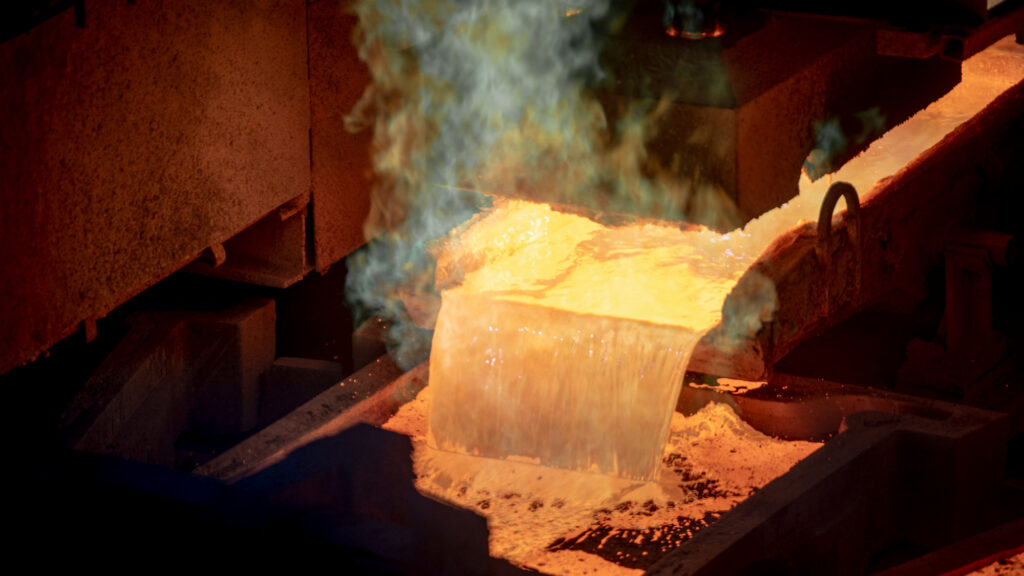
The rise of artificial intelligence is driving demand for power and industrial raw resources. Data centers need dependable power supply to run servers, cooling systems, storage devices, and networking equipment. This causes technology businesses to grow their computer capacity, raising demand for electricity, transmission networks, and materials used to construct energy infrastructure. Chile has abundant copper resources for electrical distribution systems, transformers, switchgear, backup power equipment, and grid connections. Copper conductors are required for both transmission and distribution networks. Chile’s copper resources attract investment in exploration and mining development. Chile must now expand transmission networks and improve electricity distribution to accommodate the new projects. This increase will necessitate transmission infrastructure to connect mining activities and renewable generation to electricity consumers.. This expansion creates demand for grounding systems, cable racks, and insulators to connect this infrastructure.
Cable racks are heavy-duty infrastructure that can tolerate dust, moisture, and physical stress while safeguarding power and control lines during operation. Mining cable racks firmly attach cables, preventing them from moving or being damaged by heavy gear. The racks have buffer pads and protective covers to protect them from falling debris. Cable racks aid in managing the high power demands of GPUs and the massive volumes of data being processed. Data centers use high-density routes, such as wire basket trays, to support sensitive fiber optic and high-speed copper data cables. The racks ensure that the wires have adequate bend radii, preventing signal loss or cable damage. Data centers use cable trays to separate high-voltage power cables from low-voltage data cables. This prevents electrical noise from corrupting data signals and reduces fire risks by keeping potential ignition sources organized.
Quality assurance for cable racks used in Chile’s copper mines and data centers
Cable racks enable large cable networks to distribute electricity, manage equipment, and send data. They keep cables organized, secure them along certain pathways, and separate different cable networks. In copper mines, the racks face dust, vibration, mechanical stress, temperature variations, and corrosive substances. Data centers put a strain on cable networks due to high cable density, constant equipment operation, cooling requirements, and stringent fire safety regulations. Quality assurance helps to ensure that the cable racks meet the mechanical, material, dimensional, and performance specifications of each installation.
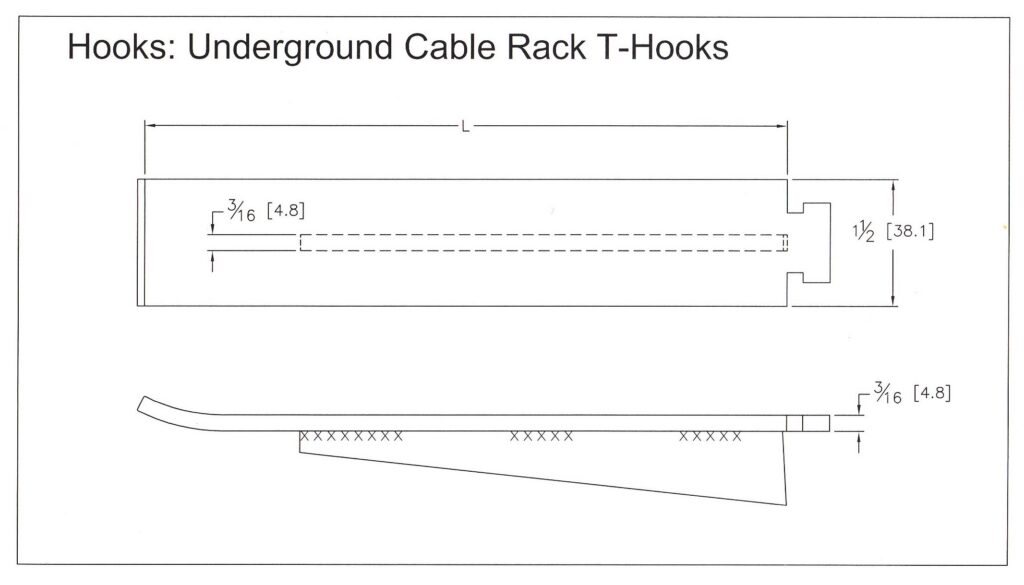
It also assists mining firms, electrical contractors, and data center operators in minimizing installation flaws, preventing cable damage, and maintaining dependable infrastructure. The procedure includes material inspection, structural strength and load capacity testing, corrosion protection, and dimensional correctness inspection. In copper mines, installation teams should verify that the cable racks have enough support, correct mounting arrangements, and enough clearance from moving machinery.
The importance of cable racks in Chile’s copper mines for artificial intelligence research
Artificial intelligence is transforming the way mining corporations explore mineral resources, run processing plants, and control industrial equipment. Mining businesses in Chile are using digital technologies to boost efficiency, monitor equipment performance, and manage complex operations. Cable racks support these technologies by:
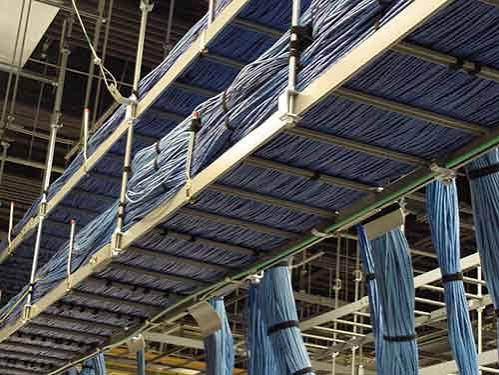
- Supporting communication and data transmission: AI systems need continuous access to operations information. Mining facilities collect data from sensors, programmable logic controllers, industrial computers, and communication equipment. Cable racks organize these connections and provide suitable support along designated routes.
- Maintaining reliable automated mining operations: copper concentrator plants have crushers, conveyor belts, grinding mills, flotation systems, pumps, and electrical motors. Cable racks in these systems help reduce risks when engineers select the correct support system.
- Supporting electrical infrastructure for AI: AI applications need computing equipment, network infrastructure, and reliable electricity. Cable racks help organize the low-voltage and control cabling within the installations.
- Cable organization: cable racks keep power, control, and communication cables arranged along approved routes. They help reduce interference risks and make it easier for technicians to identify individual circuits.
Importance of Chile’s copper mining in artificial intelligence and data center development
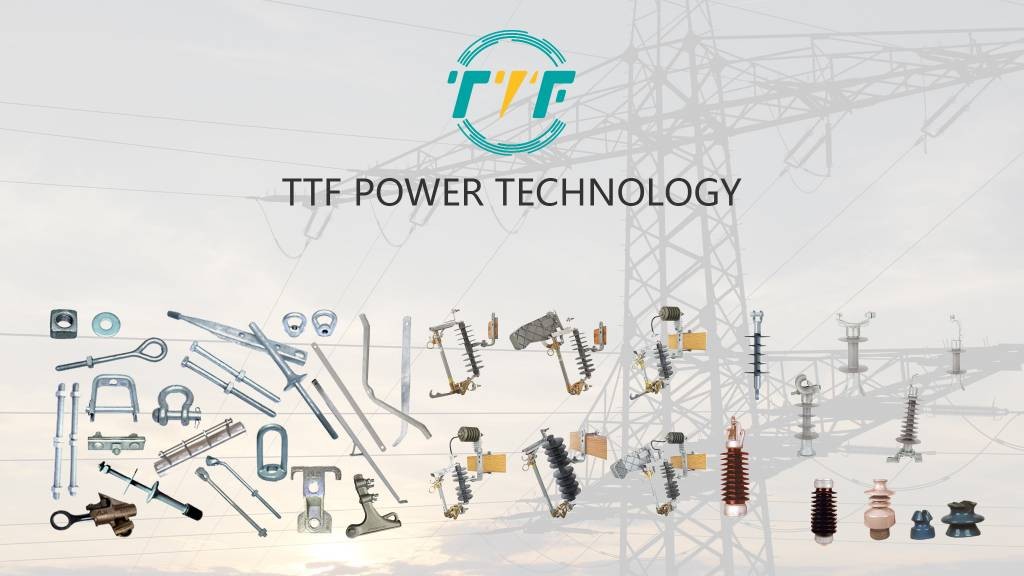
Artificial intelligence drives up demand for computing infrastructure, electricity, and the raw materials required to create digital technology. Data centers need sophisticated electrical systems to run servers, cooling equipment, backup generators, and communication networks. The facilities also need reliable transmission and distribution networks to deliver electricity. Copper has excellent electrical conductivity, durability, and the capacity to transport electricity effectively. It is utilized in data center electrical distribution, transformers, cables, motors, cooling systems, and grid connections. Copper contributes to the development of AI infrastructure, while mining businesses use AI technology to increase mineral exploration, processing, equipment maintenance, and production efficiency.