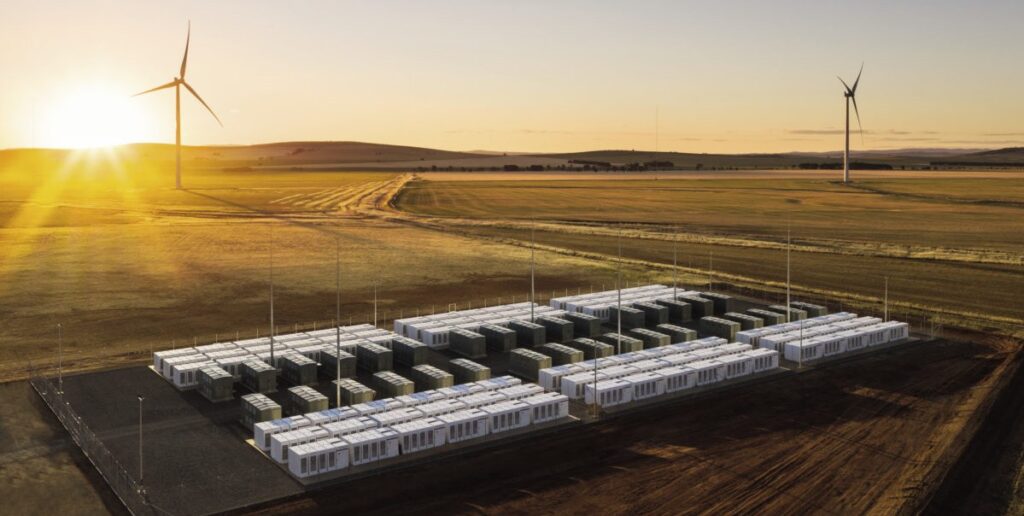
Chile is entering the era of grid-forming technology as it transitions to significant proportions of solar, wind, and battery storage. Employing grid-forming inverters (GFM) enables renewable and storage resources to function more similarly to traditional synchronous machines, enhancing grid stability. Grid-forming inverters provide inertia, aiding the grid in managing abrupt disruptions. Higher solar output lessens fossil fuel consumption, thus decreasing inertia. The grid technologies allow BESS and renewables to control frequency instead of merely responding to it. This aids in preserving stability during swift shifts in load or generation. Power line hardware elements such as aluminum cable spacers assist in preserving the system’s electrical integrity.
Grid-forming inverters improve operational flexibility to allow the grid to accept more renewable variables. It does so by offering voltage regulation, black-start capability, and fast frequency response. This increases renewable use and improves investment returns for solar and wind developers. Cable spacers allow grid-forming technologies to perform effectively across the complex network. They do so by ensuring line stability, efficiency, and reliability. They function in high-voltage overhead transmission lines and bundled conductor configurations.
Grid-forming inverters in BESS, solar, and wind plants create their own stable voltage and frequency waveform. This provides inertia and stability in grids with high renewable penetration in Chile. Aluminum cable spacers have damping features to protect the conductors from low-amplitude oscillations. This helps prevent conductor fatigue and failure. The spacers change the mechanical dynamics and help control oscillations. This helps GFM inverters to work efficiently and reliably.
Grid-forming Technologies decarbonizing the energy network in Chile
Grid-forming technologies allow the nation to incorporate larger amounts of renewable energy without sacrificing reliability. The sophisticated inverter-based features address structural issues arising from decommissioning thermal plants and enhance variable renewable energy production. Implementing grid-forming technologies lowers carbon emissions while maintaining system security.
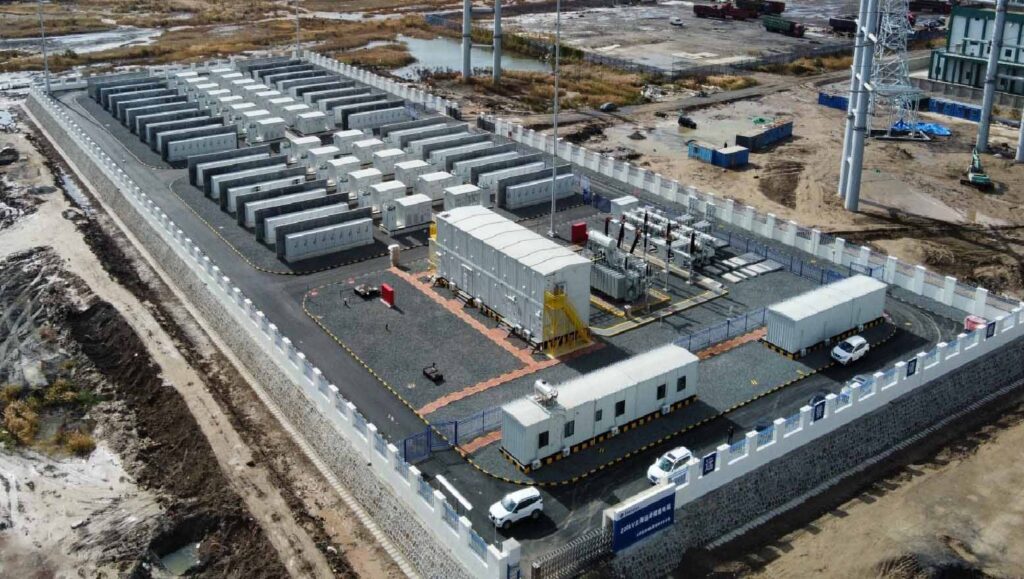
These technologies enhance power flow stability, reduce oscillations, assist weak-grid areas, and decrease congestion on 500 kV lines. This guarantees the distribution of renewable energy throughout the nation, accelerating the transition away from fossil fuels. Grid-forming technologies ease stable microgrids with high renewable energy, replace diesel generators, and provide dependable power for off-grid mining locations.
Functions of aluminum cable spacers in Chile’s grid-forming technologies
Aluminum cable spacers maintain the stability, safety, and performance of overhead conductor bundles. This is crucial for lines feeding renewable plants, storage systems, and GFM-enabled codes. Grid-forming technologies include advanced inverters and control systems that provide synthetic inertia, fast frequency response, and stable voltage regulation. Aluminum cable spacers provide the reliability to this equipment. Here are the functions of the aluminum cable spacers in Chile’s grid advancements.
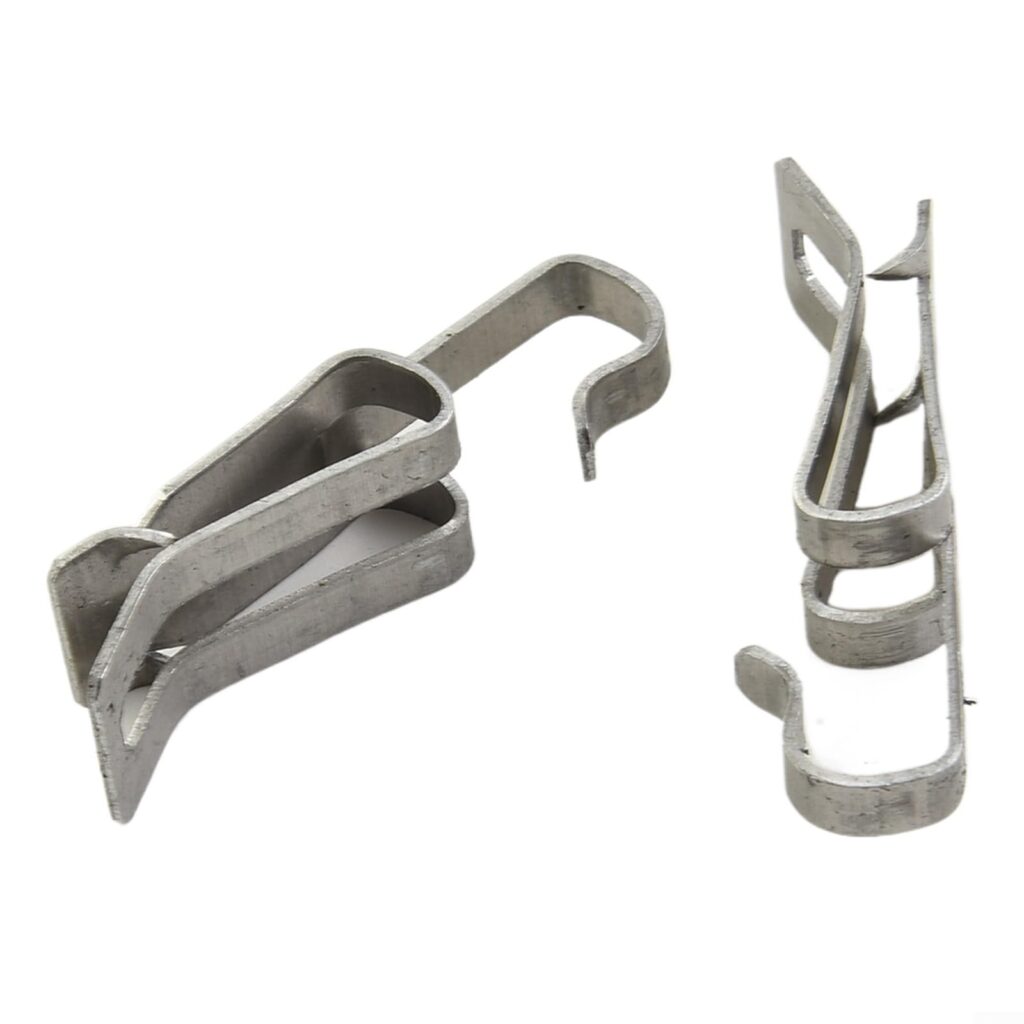
- Maintain conductor separation for stable power flow—aluminum cable spacers ensure each conductor in a bundle remains spaced. This prevents imbalance, reduces circulating currents, and supports the voltage waveform control needed for grid-forming inverters to operate at high performance.
- Prevent conductor clashing—cable spacers reduce cable clashing that causes arcing and outages. They keep conductors at fixed distances to prevent contact during wind events, seismic activity, or sudden load changes.
- Reduce aeolian vibrations—aluminum cable spacers absorb and dampen vibrations to reduce fatigue on conductor strands. This protects circuits feeding solar, wind, and BESS facilities.
- Ensure thermal performance—aluminum cable spacers maintain consistent spacing that improves heat dissipation across conductor bundles.
- Enhance safety and line integrity—cable spacers provide high corrosion resistance and durability in extreme environments.
Grid-forming technologies implemented in Chile’s power grid.
Implementing grid-forming technologies in Chile bolsters its electrical system as the nation moves towards increased renewable integration. These technologies are being utilized in extensive solar power plants, wind energy farms, energy storage battery systems, and upgraded substations. The technologies need high-quality power line equipment such as aluminum cable spacers. These advancements consist of:
- Grid-forming battery energy storage systems—grid-forming inverter controls allow the battery to deliver quick inertia, uphold voltage stability, and aid in grid recovery following faults.
- Modern solar PV installations and wind farms in Chile use advanced grid-forming inverters. These assist in stabilizing the grid when traditional generators are decommissioned.
- Hybrid solar and storage facilities featuring GFM controls—these hybrid locations use GFM-capable control frameworks that combine PV inverter management, storage inverter management, and onsite protection.
- Microgrid and grid-forming systems in the mining sector—mining operations are progressively utilizing GFM technologies in isolated areas. These applications ease decarbonization in the mining industry while improving energy reliability.