Tag: Chile

  • Compression deadends in Chile wind farms

    Wind power infrastructure for energy generation

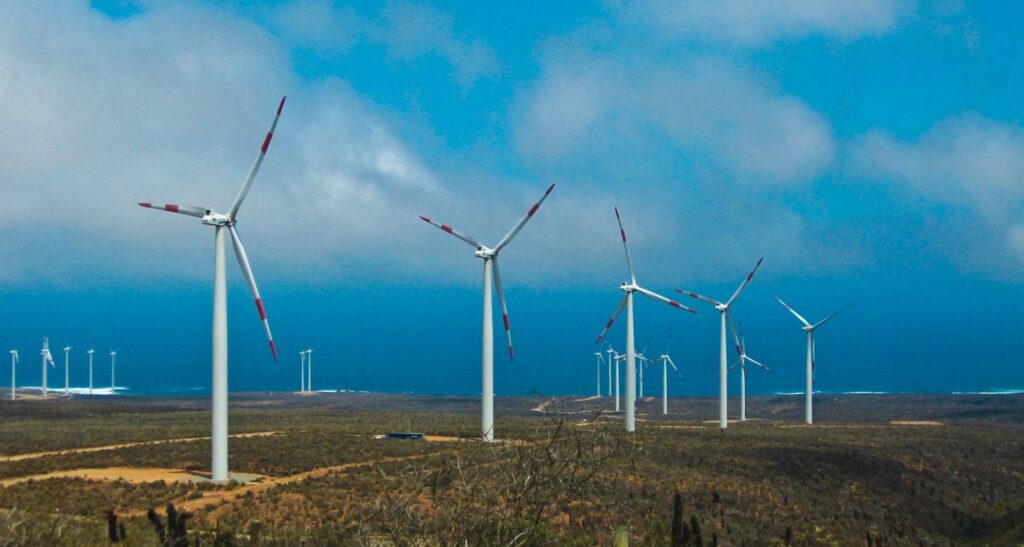
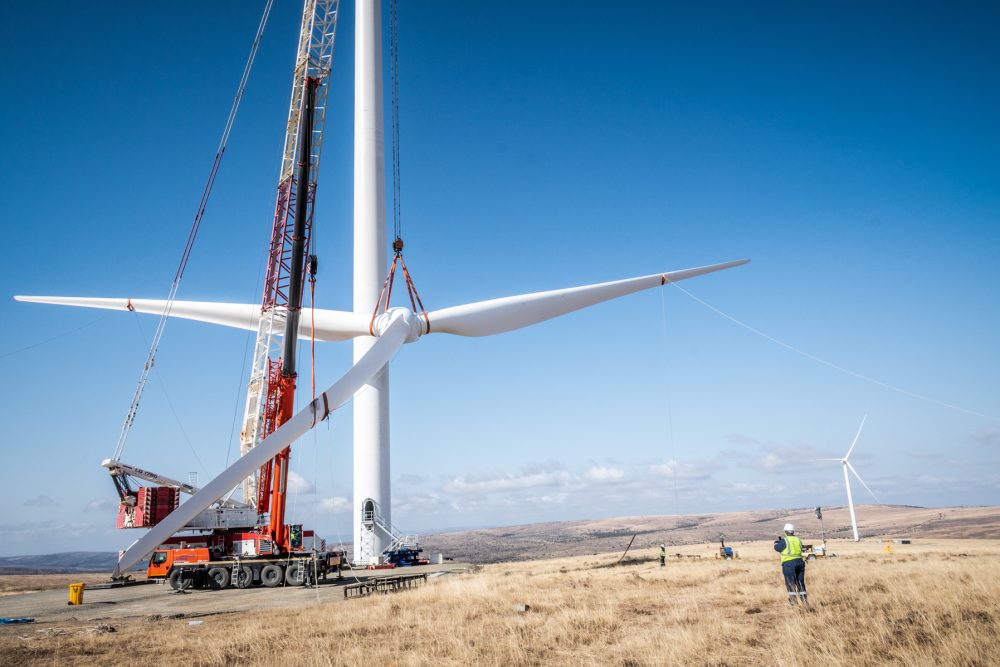
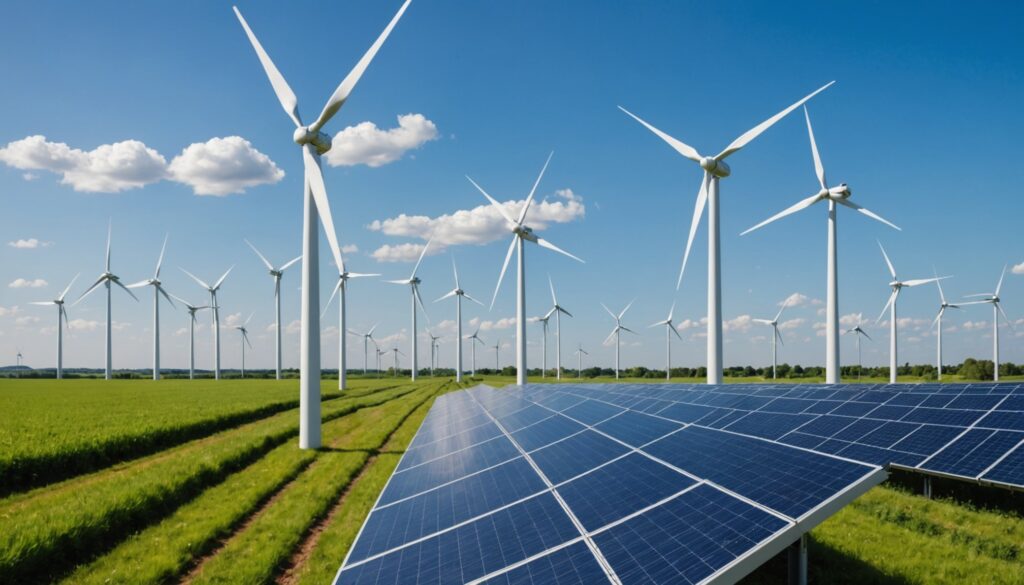
    Engie Chile has obtained environmental permission for its 171.6 MW El Rosal wind power project. The power utility intends to deploy 26 turbines with 6.6 MW each and a battery energy storage system. The project’s budget is estimated at $230 million. A new step-up substation will connect Engie Chile’s wind farm to the company’s current El Rosal substation. The business aims to begin construction in the fourth quarter of 2026 and have the wind farm operational by the fourth quarter of 2028. Chile has an abundance of wind and solar resources, which increase the renewable proportion of the National Electric System and replace fossil-based marginal power. Engie improves energy shifting from low-demand to peak-demand periods, frequency regulation, and supplementary services, and reduces forced wind curtailment. Compression deadends are high-strength fittings used to terminate and anchor wind energy infrastructure.

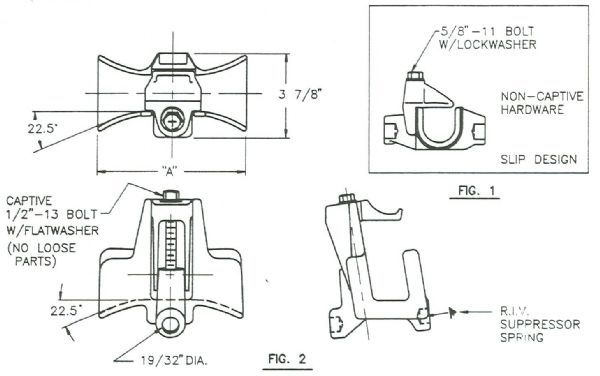
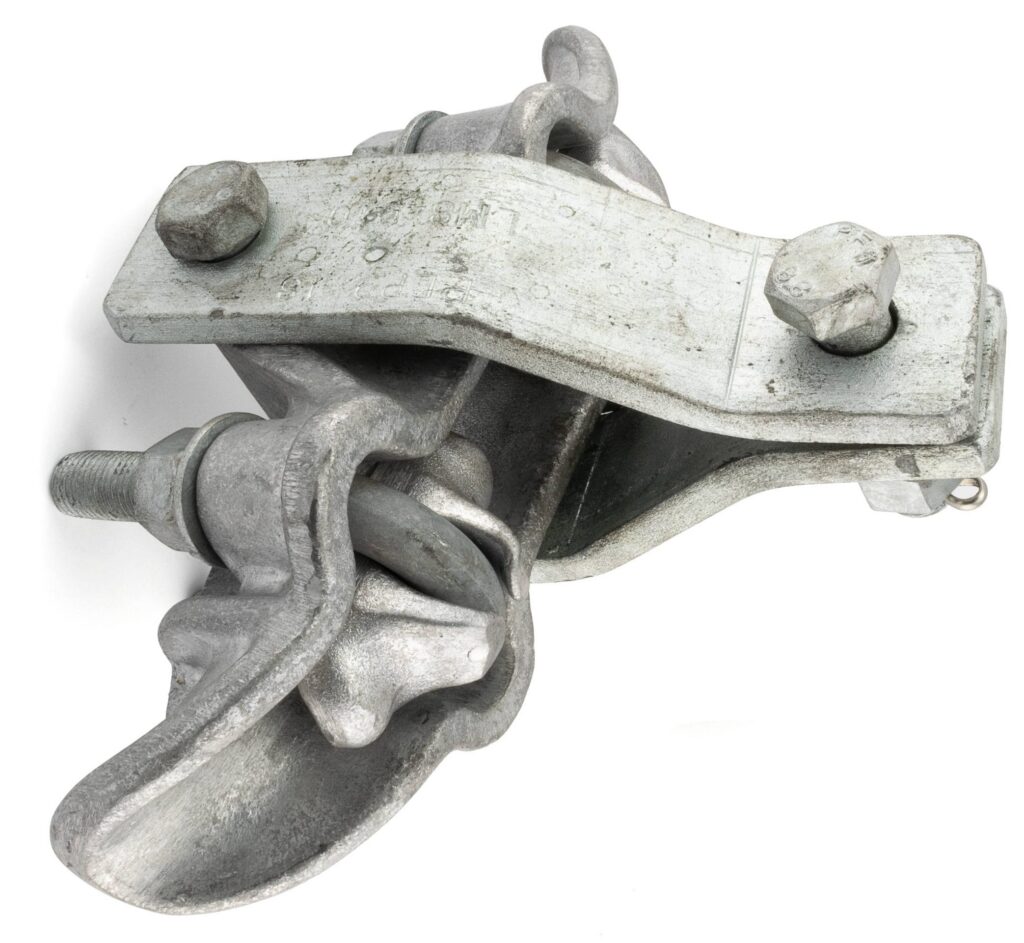
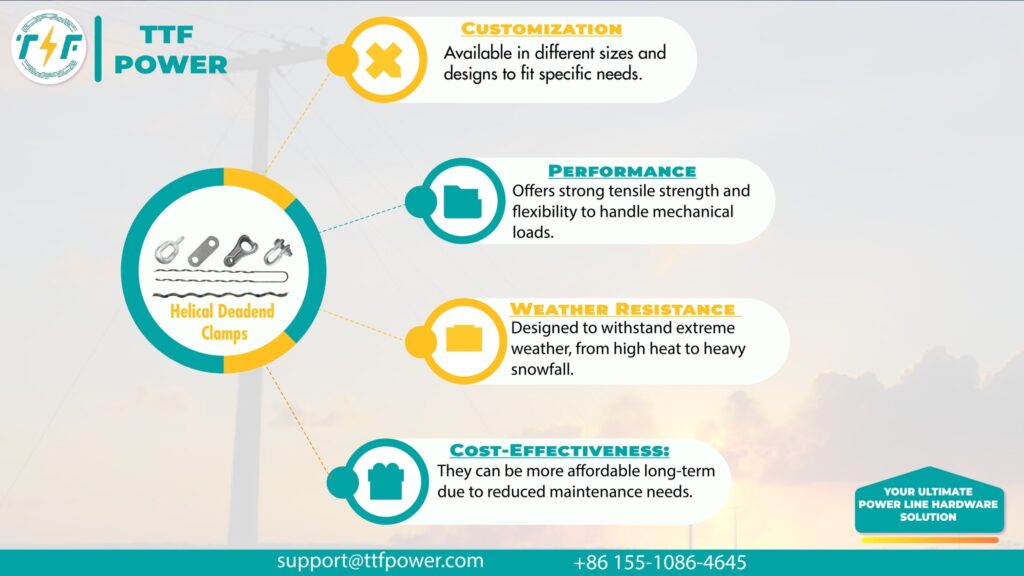
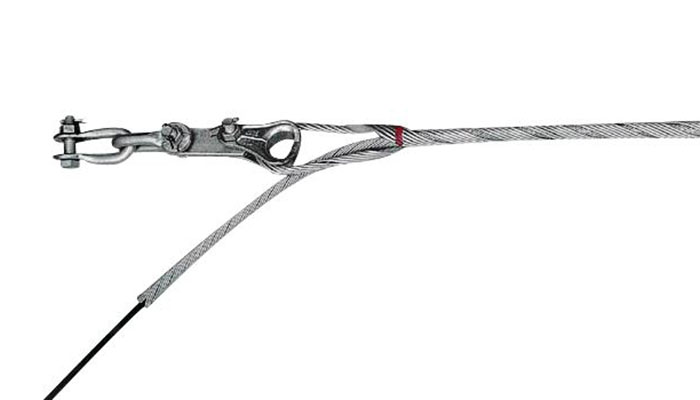
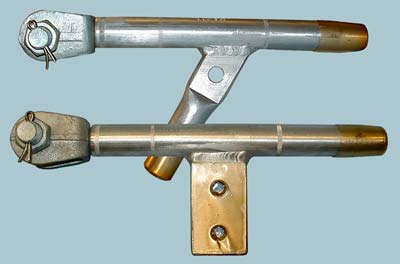
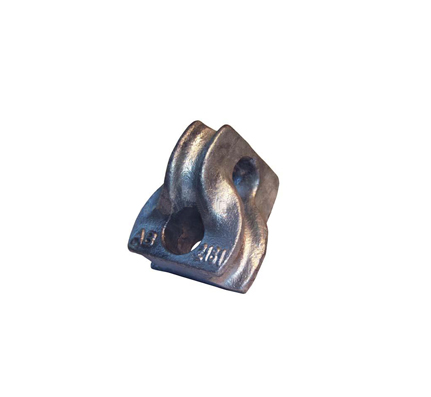
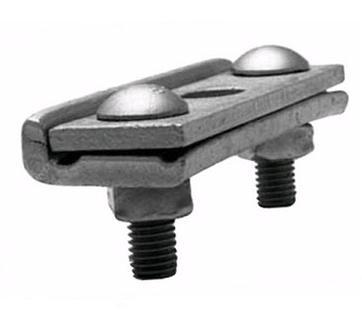
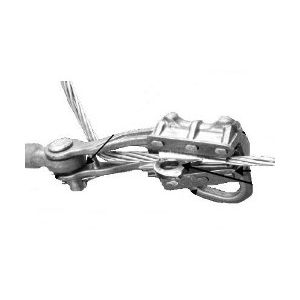
    Compression deadends are heavy-duty fittings used to terminate and anchor overhead electrical cables at their ends. They maintain mechanical stability and electrical reliability in wind farms. Deadends connect wires to transmission towers, substation structures, and terminating points. They can resist the conductor’s full tensile strength rating. This serves to protect the line from physical stress from its own weight, heavy winds, and extreme weather. Compression deadends provide a low-resistance electrical connection at the termination point. This provides consistent and efficient power flow by lowering contact resistance and limiting heating, which could lead to equipment failure.

    Quality assurance for compression deadends in Chile’s wind projects

    compression deadends support wind power infrastructure

    Compression deadends secure wires in overhead collector systems and transmission interconnections with wind farms. The majority of wind farms are located in high-wind, coastal, and seismic zones. Quality assurance for compression deadends affects mechanical reliability, conductor integrity, and grid compliance. Quality assurance ensures long-term tensile strength and electrical conductivity with no slippage. QA is in charge of verifying the grade of aluminum alloy, testing mechanical properties, evaluating corrosion resistance, and tracking heat numbers. This prevents material mismatches, which can lead to galvanic corrosion or decreased mechanical performance. The QA process also includes dimensional accuracy and conductor compatibility, compression process control, mechanical load testing, electrical performance verification, and corrosion testing. Quality assurance ensures mechanical anchoring reliability, electrical continuity, and long-term grid stability.

    The role of compression deadends in wind farm deployment in Chile

    Compression deadends terminate and secure overhead cables in line hardware components. The dead ends provide structural and electrical roles in both collector and transmission systems. The dead ends are mechanical and electrical performance, which assure stability and investment security. The following are the purposes of compression deadends in wind farm infrastructure.

    Compression deadends distribute tensile strength and dynamic loads
    1. Mechanical termination of overhead conductors—compression deadends anchor ACSR conductors at strain structures and terminate lines at substation entry points. They transfer tensile forces from the conductor to the tower structure.
    2. Load transfer and structural stability—the deadends distribute tensile and dynamic loads from conductors into tower crossarms and insulator assemblies.
    3. Reliability in hybrid wind and storage projects—collector systems linking turbines to substations and storage units use dead-end connections. Compression deadends maintain stable voltage conditions, support frequency regulation operations, and enable efficient energy dispatch.
    4. Electrical continuity and conductivity—the deadend ensures low-resistance electrical termination, stable current transfer, and minimal heat buildup. This helps ensure reliable power delivery from wind turbines to the grid.
    5. Integration with insulator and substation hardware—deadends connect conductors to strain insulator strings, gantry structures, and step-up transformer yard terminals.

    Engie Chile’s wind energy project development brings benefits to Chile’s energy sector

    Wind energy expansion by Engie Chile provides structural, economic, and technical benefits to Chile’s electricity market. Large-scale wind energy investments improve system resilience and decarbonization outcomes. These benefits include:

    • Acceleration of decarbonization—utility-scale wind projects displace fossil fuel-based marginal generation, reduce greenhouse gas emissions, and support climate commitments.
    • Diversification of generation mix—wind development adds complementary generation profiles, greater geographic distribution of renewable assets, and reduces dependency on a single resource.
    • Grid stability through hybridization—Engie’s wind projects incorporate battery energy storage systems. This enables energy shifting to peak demand hours, frequency and voltage regulation services, and curtailment regulation.
    • Reduction in renewable curtailment—transmission congestion and supply-demand mismatches lead to renewable curtailment. Wind projects improve regional supply-demand balance, increase infrastructure use, and reduce wasted renewable generation.
    • Support for electrification and future energy demand—wind projects expand the clean energy supply base. This is necessary to meet transport electrification, industrial decarbonization, and green hydrogen production.
  • Terminal bolts in Chile’s lithium expansion

    Lithium production and extraction infrastructure

    Chile has announced an ambitious national lithium strategy that seeks to treble yearly lithium output by 2034. Lithium production is critical as global demand for battery metals develops in tandem with the expansion of electric vehicles and energy storage. This entails drafting two new direct-award contracts for submission. Chile is also modifying and advancing significant contracts, such as new CEOL terms at Salar de Maricunga with Chile’s state miner and partners. The development represents a multifaceted effort to increase supply capacity and diversify project platforms. These contracts would support new production zones outside of traditional basins like Atacama. This helps to increase volume and diversify production by geography. Chile’s lithium demand contributes to increased supply, battery manufacture, pipelines, and helps to reduce supply imbalances. Lithium production relies on brine extraction equipment, evaporation ponds, pipeline networks, and chemical conversion plants. These networks depend on terminal bolts to ensure safety and efficiency.
    High-quality bolts ensure the stability of large-scale lithium-ion batteries, which are used to store solar energy for lithium manufacturing. Terminal bolts connect conductors to battery module terminals, DC busbars, string combiners, inverter DC inputs, and grounding bars. They assure low-resistance connections, cut micro-gaps, and limit the likelihood of heat hotspots and arcing. The bolts provide mechanical stability, which improves the structural stability of battery racks, secures inter-module linkages, and reduces vibration. The bolts can survive temperature cycling, keep preload during expansion, and provide integrity in seismic zones. Furthermore, terminal bolts provide mechanical support for fault current channels and maintain adequate grounding continuity.

    Quality assurance of terminal bolts used in lithium infrastructure

    Terminal bolts secure lithium infrastructure

    Terminal bolts are structural fasteners that secure the connections between equipment bases, columns, and retaining parts. Providing quality assurance for terminal bolts is critical for safety and long-term performance. It also prevents failures that cause structural damage, vibration amplification in spinning machinery, and loss of containment in tanks or modules. The quality assurance process involves material verification, dimensional and visual inspections, mechanical testing, corrosion protection verification, torque control, and installation quality assurance. Quality assurance for terminal bolts assures joint integrity under operational loads, protects high-value processing equipment, lowers lifecycle costs, and promotes regulatory confidence. This ensures that the bolts function reliably as the core elements of lithium infrastructure.

    The application of terminal bolts in Chile’s lithium infrastructure

    Terminal bolts fasten structural, mechanical, and safety-critical components of Chile’s lithium extraction and processing infrastructure. The bolts are designed as load-transfer components that assure structural integrity, operational continuity, and regulatory compliance. Terminal bolts offer the following functions in lithium operations.

    Terminal bolts provide tensile resistance
    • Foundation anchorage for processing plants—terminal bolts secure equipment baseplates and structural columns to reinforced concrete foundations. They resist tensile uplift forces, transferring shear loads and controlling overturning moments.
    • Seismic load resistance—lithium facilities must remain operational after moderate seismic events. Terminal bolts provide ductile tensile resistance, maintain load path continuity between equipment and foundations, and prevent sliding of tanks.
    • Structural frame and steel connection integrity—terminal bolts connect beams, columns, gusset plates, and bracing members. The bolts ensure shear transfer across joints, maintain alignment under loads, and enable controlled structural flexibility.
    • Tank and containment stabilization—terminal bolts anchor bank bases to concrete pads to prevent sliding. They also prevents uplift during dynamic events and misalignment that could compromise piping systems.

    Lithium meets global demand in Chile’s energy sector

    Lithium is an important substance in current energy systems because it allows for high-density, rechargeable energy storage on a large scale. It is critical for electrification in the transportation, power production, and industrial sectors to ease the transition from fossil fuels. Here’s how lithium meets world energy demands.

    1. Lithium in electric vehicle batteries—lithium-ion batteries offer high energy density, long cycle life, high charge-discharge efficiency, and favorable weight-to-power ratios. This makes it essential for passenger EVs, electric buses, and commercial fleets.
    2. Grid-scale energy storage systems—lithium-ion battery energy storage systems stabilize grids for electricity delivery. This is by shifting energy from peak generation, provide frequency regulation, and support voltage stability.
    3. Renewable energy integration—lithium storage complements wind and solar systems integrated into lithium production. This is by reducing intermittency constraints, increasing renewable penetration, and improving dispatchability.
    4. Industrial electrification and backup power—lithium batteries support data center backup systems and telecommunications infrastructure. They also support industrial microgrids and remote operations.
  • B-strand connectors and Chile energy limits

    Power line infrastructure expansion

    According to the Chilean Renewable Energy and Storage Association (ACERA), Chile has consolidated its renewable electricity mix. It now confronts structural constraints due to grid congestion, curtailment, and increased flexibility requirements. In 2025, the National Electric System produced 87 TWh, with renewables representing for 63.3% of the total output. Other renewable energy contributed for 42.4% of generating, with energy storage accounting for 65.5% of total supply. Expanding high-voltage transmission, using modern grid management technologies, and integrating flexible demand are all necessary to address grid congestion. Long-term grid expansion seeks to address structural bottlenecks through battery storage integration, hydrogen development, and dynamic transmission planning. B-strand connectors contribute to the expansion of the transmission grid to handle increased renewable capacity. The connectors ensure the safety, reliability, and mechanical integrity of the power lines transmitting electricity from new renewable energy sources.

    B-strand connections connect the steel support strand to the grounding system of a utility pole or transmission structure. They provide a dependable path to ground, allowing for the quick and regulated dissipation of fault currents. This helps to protect equipment and enables protection systems to function properly. B-strand connections act as a bonding point, redirecting lightning strikes and transients away from the structure and into the ground. They are critical to lowering the danger of flashovers and equipment damage. The connectors provide a secure mechanical engagement that ensures contact integrity under stress. They offer reliable grounding, allowing protective relays and control systems to operate accurately. This is critical for a modernized grid with a large percentage of variable renewable output.

    Quality assurance of B-strand connectors in Chile’s transmission grid expansion

    Power line transmission expansion

    B-strand connectors are mechanical components that connect stranded conductors in overhead transmission networks. They are used in 220 and 500 kV overhead lines, substation interconnections, dead-end assemblies, and splice applications for conductor extensions. The connectors ensure low-resistance electrical continuity, can bear mechanical tensile loads, and retain conductor integrity throughout heat cycling. B strand connections should meet international and national requirements. Connector quality verification contributes to the reinforcement of high-voltage lines, reducing renewable congestion and integrating new solar and wind capacity. The assurance process includes raw material verification, dimensional accuracy, tensile strength testing, fatigue testing, and electrical resistance testing. Ensuring quality assurance for B-strand connectors supports transmission capacity reliability, renewable integration stability, reduced maintenance costs, and extended asset lifecycle.

    B-strand connectors play significant roles in Chile’s transmission system growth

    B strand connectors provide structural and electrical continuity for Chile’s transmission grid expansion. The connectors are used on the new 220 kV and 500 kV lines that were built to reduce renewable congestion. They also aid with the transmission of solar power from northern generation zones to central demand areas. Here are the functions of B-strand connectors in transmission line expansion.

    B-strand connectors transfer full conductor tensile loads without slippage
    1. Electrical continuity and low-resistance conduction—the B-strand connector establishes a stable, low-resistance electrical path between stranded conductors. Proper conductor installation reduces contact resistance to prevent energy losses and thermal runaway.
    2. Mechanical load transfer and tensile integrity—B-strand connectors transfer full conductor tensile loads without slippage. They maintain rated tensile strength, prevent strand deformation, and distribute stress across compression zones.
    3. Thermal expansion accommodation—the strand connectors withstand cyclical thermal expansion, maintain compression integrity, and prevent micro-movement between strands.
    4. Reliability support for renewable integration—B-strand connectors ensure stable bulk power transfer, support grid reinforcement projects, and reduce outage risk in congested grids.

    Common causes of grid and energy curtailments in Chile

    Grid and energy curtailment in Chile are caused by renewable power capacity growing faster than transmission, flexibility, and demand-side response. This forces system operators to reduce output from existing facilities. This helps to ensure frequency stability, voltage restrictions, and transmission security margins. These causes include:

    • Transmission congestion—this arises from increased generation when transmission lines reach capacity. This leads to 500 kV backbone reinforcement delays, substation upgrade bottlenecks, and prolonged environmental permitting.
    • Rapid renewable capacity growth—with expanded solar and wind capacity in Chile, supply exceeds demand, marginal prices collapse, and solar dispatch is curtailed.
    • Limited energy storage deployment—BESS may help absorb midday surpluses and shift them to evening peak demand. Storage helps reduce renewable energy curtailment and dispatchable generation flexibility.
    • Grid stability and operational constraints—operational security requirements can cause voltage control limits, frequency regulation margins, and reactive power imbalances.
  • Cable suspension clamps: Essential roles in Chilean BESS

    BESS project supporting renewable energy in Chile

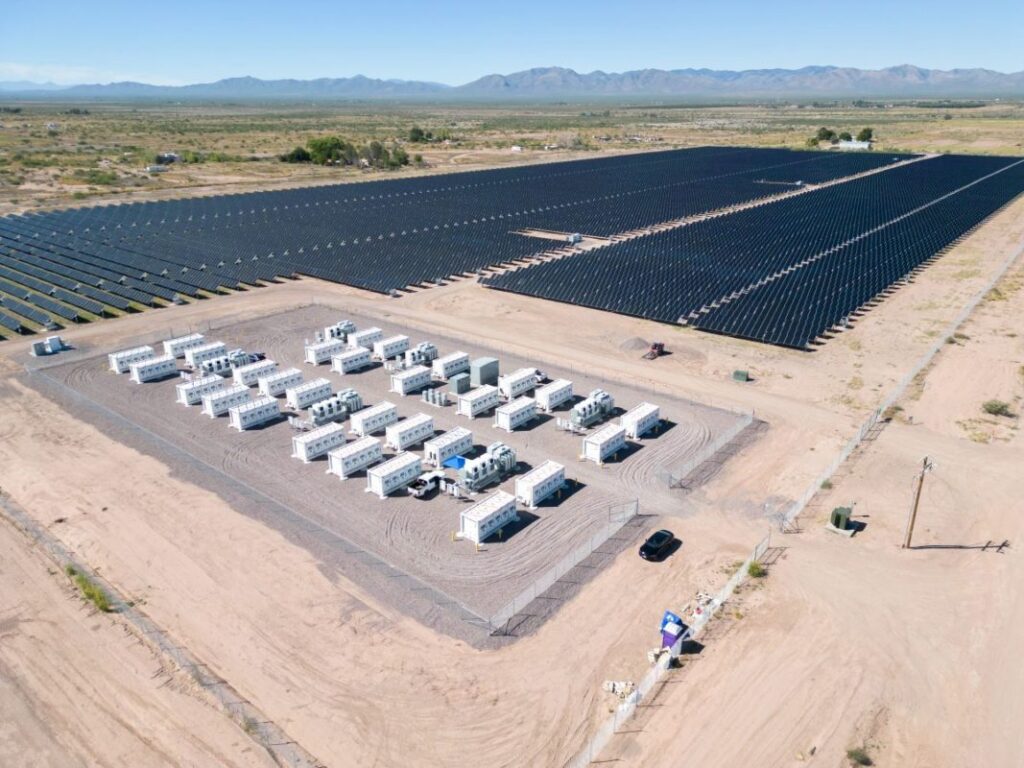
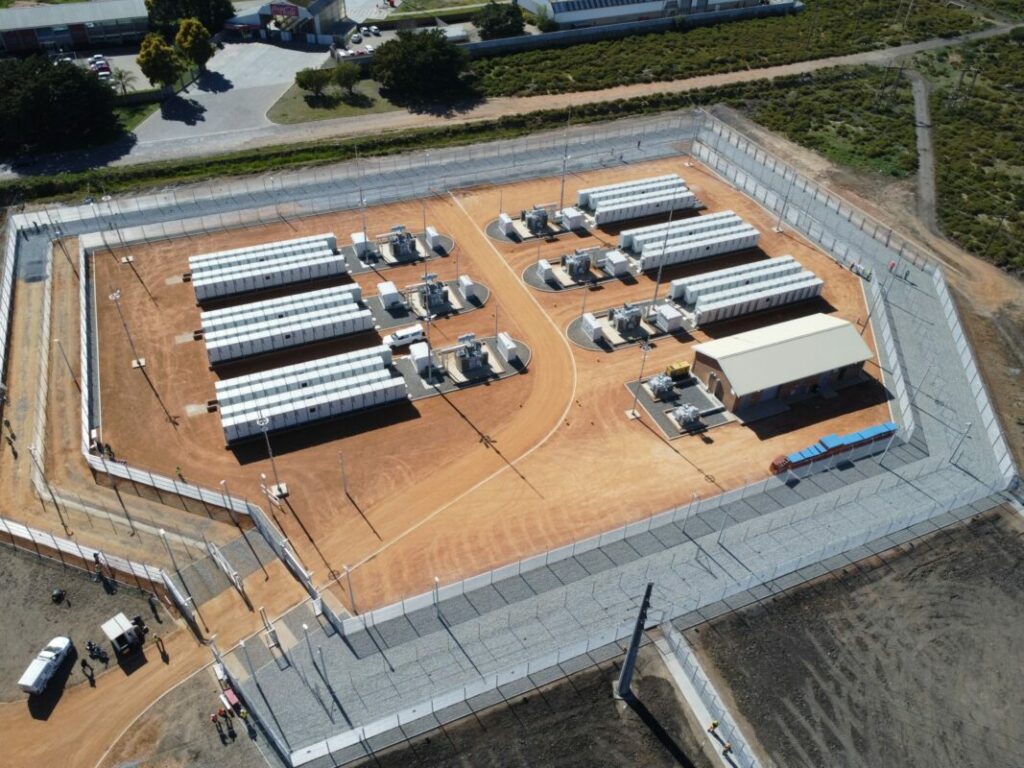
    Korkia, a Finnish renewable energy investor, and its Chilean development partner, Solar Ray, have received environmental certification for a 150/750 MWh BESS project in Chile. The Paicavi BESS was approved by the regional environmental permit authority. The project is close to an existing substation and is intended to draw and store excess electricity before feeding it back into the grid. Paicavi BESS operations are anticipated to start in September 2028 and terminate in November 2058. Also, the alliance is working on solar and storage projects, as well as stand-alone BESS projects in Chile. This plan will also feature the installation of 150 containerized 5MWh battery units and a 33/110kV step-up substation to connect to the national grid. It also combines 280 MW of utility-scale solar PV with a 1.24 GWh BESS. These developments depend on robust hardware such as cable suspension clamps.

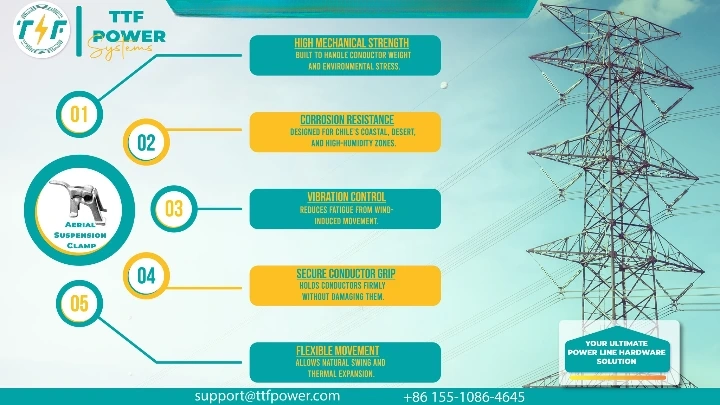
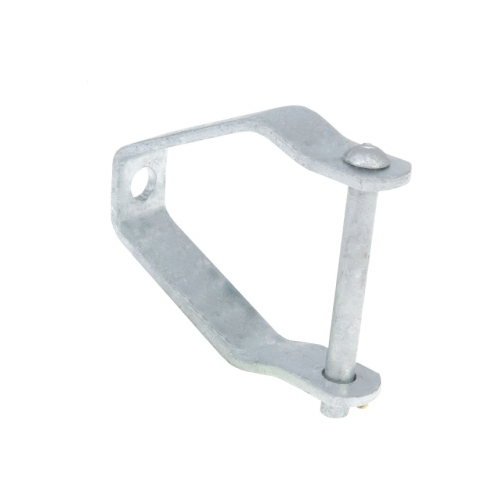
    Cable suspension clamps provide the safety, dependability, and lifespan of the electrical infrastructure. The cable clamps serve as mechanical support for electricity cables, electrical protection, and grid integration. Suspension clamps provide mechanical support for power lines connecting battery storage units, inverters, and transformers. They support the weight of the conductors, preventing excessive drooping and short circuits. Wind, seismic activity, and operational forces all generate vibrations, which suspension clamps absorb and dissipate. Cable suspension clamps use insulated bushings to provide electrical separation. They ensure a safe gap between conductive and structural components. This protects against inadvertent contact, ground faults, and flashovers.

    Quality assurance of cable suspension clamps used in Chile’s BESS projects

    Get to know more about cable suspension clamps

    Cable suspension clamps secure and support hefty power cables, assisting with thermal and mechanical loads. The quality assurance program for cable suspension clamps consists of specification and design review, supplier qualification, inspection, testing, traceability, installation quality assurance, and maintenance protocols. Without quality assurance, suspension clamps may fail due to material non-conformance, welding, corrosion failure, dimensional non-conformance, thread defects, or incorrect clamp selection. During installation, quality assurance comprises using the correct clamp type per design, applying the proper tension to bolts, doing alignment checks, verifying cable seating, and providing documentation with images. TTF-certified cable suspension clamps ensure mechanical integrity, operational reliability, and regulatory compliance for Chile’s high-value BESS infrastructure.

    Cable suspension clamps play crucial roles in Chile’s BESS project installation

    Cable suspension clamps ensure that BESS facilities’ cabling is safe, reliable, and orderly. They ensure that the BESS system performs structurally, operationally, and safely. The cable suspension clamps play the following tasks in the Chilean BESS project installation.

    Cable suspension clamps bear weight of the cables
    1. Supporting cable weight—cable suspension clamps bear the weight of power, control, and communication cables. They prevent sagging, maintain alignment, and reduce stress on cable insulation and termination points.
    2. Maintaining proper alignment—the clamps ensure that cables remain routed along trays, racks, or overhead supports. They also ensure the cables remain spaced to avoid mechanical interference. They also ensure the cables remain at the necessary clearance from equipment, walls, or grounding structures.
    3. Reducing mechanical stress—suspension clamps help distribute mechanical loads and mitigate stresses caused by cable tension. The clamps reduce the risk of insulation damage, fatigue, and cable failure.
    4. Ensuring electrical safety— suspension clamps hold cables to prevent unintended contact with grounded structures, reduce the risk of abrasion, insulation wear, and short circuits. They also maintain proper separation between high-voltage and low-voltage cables.

    Market and system implications of Chile’s BESS project development

    The development of battery energy storage systems in Chile has a disruptive impact on both energy markets and the operational power system. BESS increases renewable penetration, minimizes curtailment, and lowers volatility. These impacts include:

    • Enhanced grid flexibility and renewable integration—BESS projects enable energy time-shifting by storing excess generation during low-demand periods. They reduce renewable curtailment and increase the economic value of PV and wind projects.
    • Price volatility mitigation—large-scale storage mitigates short-term price spikes by injecting stored energy when spot market prices are high and absorbing excess generation when prices are negative.
    • Improved grid reliability and resilience—BESS projects strengthen system reliability by providing dispatch to balance load and generation. They also maintain continuity during transmission congestion or line outages.
    • Delay of transmission and distribution investment—BESS can reduce load on existing substations and reduce congestion costs. This results in economic and environmental benefits in regions with constrained grid infrastructure.
  • Aluminum wedge deadends: Mining transmission insights

    Chile's copper mining infrastructure

    The Vicuna Project, which includes the Josemaria deposit in San Juan Province and the Filo del Sol in the Antofagasta region, has the greatest copper-focused mining investments in South America. The project has received investments that will have an impact on its structural, operational, and strategic dimensions. Chilean mining corporations are targeting 100% renewable PPAs to meet their ESG requirements. Vicuna’s demand profile enhances the long-term viability of renewable projects, BESS growth, and grid flexibility investments. The project has the potential to speed up the expansion of Argentina and Chile’s Sistema Electrico Nacional (SEN), which coordinates power across borders. It also strengthens Chile’s connectivity lines. It also results in infrastructure expenditures that improve regional grid dependability for mining uses. The growth of this infrastructure relies on aluminum wedge deadends.

    Wedge deadends anchor and secure overhead cables at endpoints on drill rigs, camps, and processing plants. They provide stable and reliable power to remote and energy-intensive mining operations. The dead ends retain conductors under high tension to endure loads from wind, ice, and temperature fluctuations. This helps keep wires from drooping, preventing power outages and safety problems. Aluminum wedge deadends provide secure connections between solar panels and distribution networks. They promote the use of sustainable energy and work to reduce the carbon footprint of mining activities. They also provide reliable power distribution to geophysical instruments, drilling equipment, and temporary site infrastructure.

    Quality control for aluminum wedge deadends used in Chile’s mining infrastructure

    Copper production and supply infrastructure

    Quality assurance for aluminum wedge deadends contributes to meeting extreme environmental conditions, high mechanical loads, electrical reliability requirements, and lengthy asset life cycles. Mining operations place tremendous demands on workers due to excessive UV exposure, temperature fluctuations, dust contamination, seismic activity, and corrosive atmospheres. The housing and wedge components are from high-strength aluminum alloys. The QA checks for tensile strength, controlled elongation, set hardness parameters, and resistance to stress corrosion cracking. The wedge deadends rely on exact design to provide uniform gripping force, even stress distribution on the conductor, and strand protection. The deadends’ quality assurance method includes CNC dimensions verification, surface roughness inspection, and statistical process control during batch production. A structured QA framework ensures mechanical retention integrity, electrical reliability, personnel safety, and long-term operational continuity in high-capital mining environments.

    Chile’s mining infrastructure using aluminum wedge deadends

    Aluminum wedge deadends provide mechanical and electrical termination in Chile’s mining infrastructure. Deadends ensure conductor stability, electrical continuity, and operational reliability throughout power distribution networks. The mining infrastructure’s wedge dead ends provide the following functions.

    Aluminum wedge deadends clamps
    • Conductor termination and tension retention—the aluminum wedge deadends terminate overhead conductors, maintain mechanical tension, and anchor conductors at poles and substation structures.
    • Load transfer to support structures—the deadends transfer mechanical loads from the conductor. It transfers the loads to steel poles, lattice towers, substation gantries, and structural frames in processing plants. They withstand thermal expansion and contraction and seismic movement.
    • Electrical continuity and system integrity—wedge deadends maintain electrical conductivity, ensure stable current flow, and prevent localized resistance increases. Poor termination creates high-resistance joints. These leads to overheating, energy losses, and conductor degradation.
    • Support of medium- and high-voltage distribution—the deadends serve in poles, angle structures, substation entry points, and temporary power rerouting. They secure conductors in permanent and semi-permanent installations.

    Copper’s role in Chile’s mining infrastructure and grid expansion

    Copper mining contributes to transmission and grid expansion in Chile’s mining infrastructure. It meets new electrical infrastructure need for material input, allowing grid development. Transmission expansion allows for mining growth, whereas mining demand justifies and sustains grid upgrading. Here’s how copper mining impacts transmission and grid expansion.

    • Anchor demand for transmission expansion—copper mining acts as a base-load industrial anchor that justifies transmission investments. It helps in the construction of new high-voltage transmission lines and substation expansions. It also helps reinforce long-distance corridors linking renewable generation zones to mining centers.
    • Renewable integration into the grid—transmission expansion is helps evacuate solar generation and stabilize variable output. Copper mining stabilizes the grid by absorbing large volumes of renewable power.
    • Electrification of mining operations – electrification increases peak demand and needs higher-capacity substations, reinforced distribution feeders, and improved reactive power compensation systems.
  • Line surge arresters powering AI energy

    Green technology development integration with AI

    Chile’s energy system is being transformed by increased renewable penetration, infrastructure expansion, storage deployment, and green hydrogen development. The country is expanding the development and integration of artificial intelligence into the energy sector. This enhances sustainability indicators, grid dependability, and asset performance along the value chain. Chile has increased solar and wind generation in the Atacama Desert and the northern regions. AI integration in Chile’s electricity grid improves wind speed and ramp forecasts. It also helps with curtailment reduction algorithms and satellite-based solar irradiance prediction. The country is also developing transmission networks to connect northern renewable resources to demand centers. The AI integration enables real-time congestion management, automated defect detection, and dynamic voltage and frequency regulation. Machine learning algorithms analyze SCADA and IoT sensor data. They help to increase response speed and reduce human error in grid operations. These integrations use robust power line hardware such as line surge arresters.

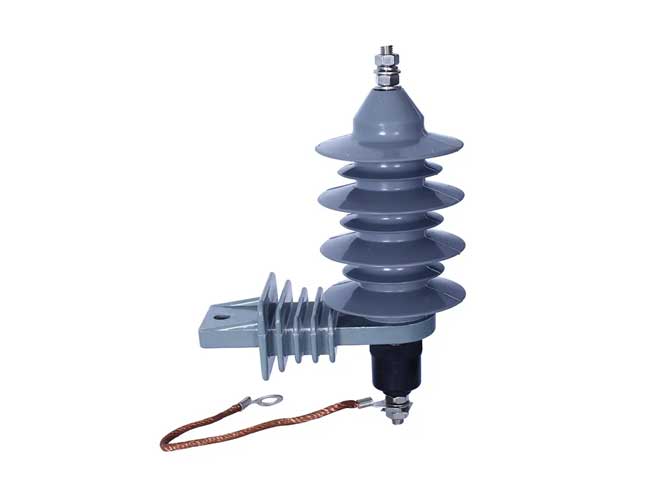
    Line surge arrestors preserve and stabilize Chile’s energy system. They protect expensive and sensitive equipment from voltage spikes while also ensuring the country’s power supply is reliable. The arresters deflect harmful high-voltage surges to the ground, protecting lines, transformers, and substations. This secures infrastructure throughout Chile’s diverse and rugged terrain. The arresters reduce voltage fluctuations, which can lead to grid instability. This is crucial for variable renewable energy sources. They help to avert larger system disruptions and blackouts by maintaining power quality. Voltage spikes are avoided by the arresters, which protect sensitive solar and wind farm components such as inverters and control systems.

    Quality assurance for line surge arresters for use in Chile’s energy systems, backed by AI

    AI-integration with renewable energy

    Quality assurance for line surge arresters in Chile’s AI-integrated energy systems is critical to reliability. Surge protection devices perform with great precision under varying loads, seismic exposure, and extreme climatic conditions. Quality assurance ensures electrical integrity, mechanical robustness, and long-term predictability. Line surge arresters go through many tests, including the residual voltage test, the lightning impulse withstand test, the switching impulse current test, the temporary overvoltage performance test, and the energy absorption capability test. Quality assurance must check the energy rating of the ZnO block, the quality of the porcelain or polymeric housing, the seal’s integrity against moisture ingress, and the corrosion resistance for coastal or desert environments. AI-supported infrastructure aspires for high availability and predictive maintenance. Surge arresters must show long-term durability through aging tests, salt fog testing, UV resistance testing, and thermal cycling. These tests confirm that performance parameters remain stable over operational life.

    Chile’s AI-integrated energy systems and infrastructure include line surge arresters

    Line surge arresters in Chile’s AI-integrated energy systems serve to ensure asset integrity, data dependability, and operational continuity. The arresters prevent transient overvoltages, protect sensitive digital equipment, reduce outage risks, and allow for renewable-heavy grid stability. They ensure that the physical layer of the grid is resilient to electrical stress events. The key functions include:

    Line surge arresters reduce insulator flashovers
    • Overvoltage protection in renewable-dense networks—line surge arresters limit transient overvoltages. They divert surge current to ground, clamping voltage to safe residual levels, and preventing flashover across insulators.
    • Protection of AI-controlled grid infrastructure—surge arresters protect sensitive digital equipment from impulse events that could damage control electronics, corrupt sensor data, and trigger false AI-based fault diagnostics.
    • Reducing outage frequency—the arresters reduce insulator flashovers, transmission line trips, and cascading faults. They support AI-based grid optimization systems that depend on predictable infrastructure availability.
    • Enhancing renewable integration stability—surge arresters protect inverter transformers, shield converter stations, and prevent DC-side transient damage.

    AI models support Chile’s energy systems and infrastructure

    The growth of AI-powered energy systems in Chile is dependent on artificial intelligence models designed for forecasting, optimization, and data-driven decision support. The models range from locally built machine learning algorithms to sophisticated forecasting systems used by global energy technology companies. The important AI models are:

    1. Renewable generation forecasting models—these include predictive generation models, machine-learning-based probabilistic forecasting of solar irradiance tailored to Chile’s conditions and hybrid forecasting research.
    2. Energy market and load forecasting engines—this model uses machine learning and regression-style pipelines. They help to generate accurate and interpretable forecasts that utilities and system operators can embed into planning.
    3. Grid planning and scenario simulations—grid planning tools with AI integration can integrate advanced forecasting models. They enable planners to simulate many infrastructure and generation growth scenarios. They also help analyze renewable integration constraints.
    4. Grid data analytics and monitoring agents—these include AI for transmission and network analytics that cleanse, structure, and interpret heterogeneous data streams.
  • Helix anchors in Chile’s e-fuel infrastructure

    E-fuel production resources and infrastructure

    Ineratec, a German cleantech business, worked with Arauco and Abastible to assess the progress of a power-to-liquids (PtL) e-fuel venture. The approach combines existing industrial frameworks with power-to-X technology to produce synthetic fuels from biogenic carbon dioxide and renewable hydrogen. The manufacturing process combines biogenic carbon dioxide derived from sustainable biomass sources. It also includes sustainable hydrogen generated through water electrolysis using renewable electricity from solar, wind, and hydro sources. Carbon dioxide collection using amine scrubbing and pressure swing adsorption, water electrolysis, and catalytic synthesis are all important technologies used in the production process. Renewable-powered synthetic fuels reduce emissions, convert intermittent renewable electricity into storable energy sources, and reduce the need for fossil fuel imports. The e-fuel production infrastructure employs helix anchors for security, safety, and dependability

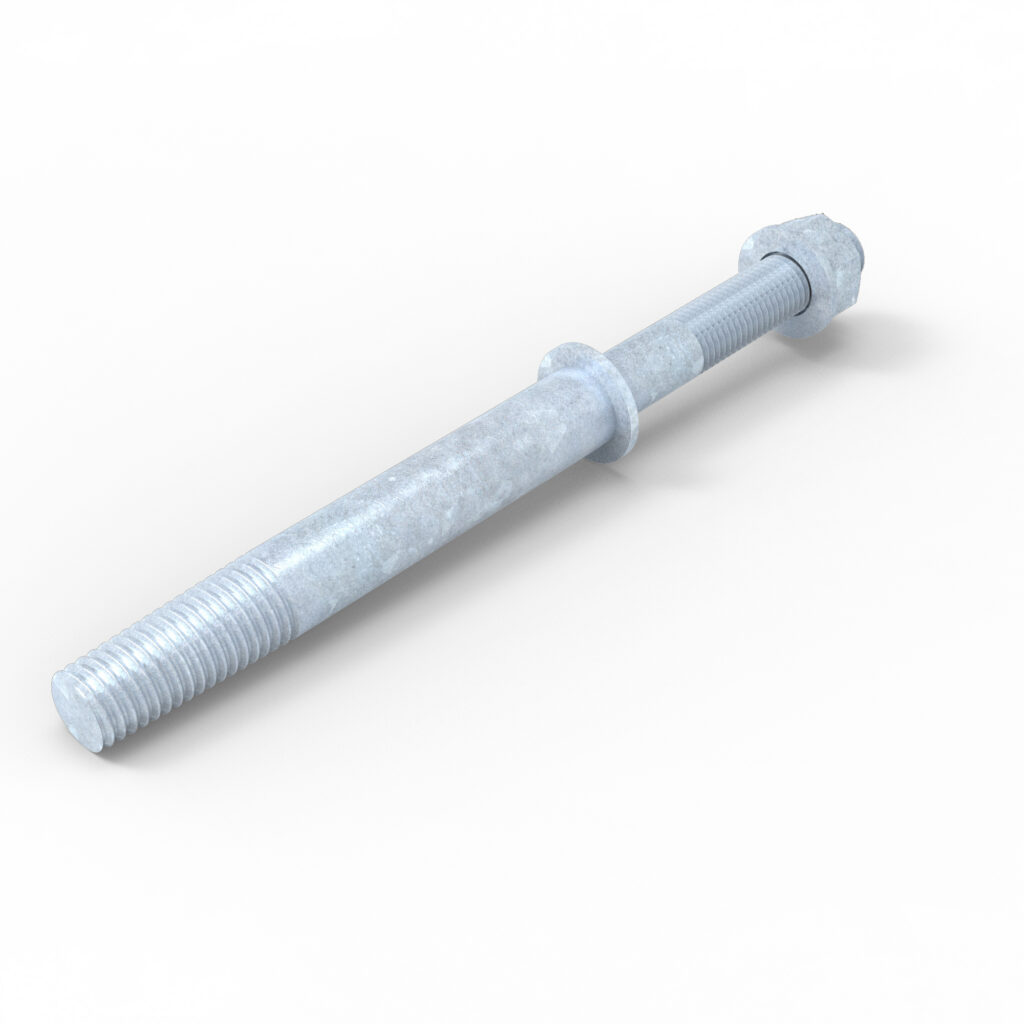
    E-fuel manufacturing is dependent on reliable wind turbine infrastructure to provide renewable electricity, electrolyzers, synthesis reactors, and storage tanks. Helix anchors provide sturdy and dependable foundations despite the country’s tough geographical and soil characteristics. The anchor secures pumping units and pipelines that deliver lithium-rich brine. They also protect evaporation pond liners from shifting winds. The anchors ensure that the plants that produce lithium for batteries operate safely and continuously. Helix anchors provide a solid basis for fixed-tilt systems and solar trackers. They mitigate wind-induced displacement, which could disrupt power generation. Helix anchors offer deep anchoring and lateral resistance to wind turbines, ensuring their structural integrity over time.

    Quality verification of helix anchors used in renewable and e-fuel infrastructure

    Applications and uses of helix anchors

    Quality assurance for Helix anchors contributes to deep foundation stability for equipment subjected to severe wind loads and corrosive conditions. Ensuring quality assurance improves structural capacity, corrosion resistance, installation control, and geotechnical performance. Helix anchor quality assurance begins with material verification, weld integrity, corrosion protection, and coating control. It also covers soil compatibility, installation torque monitoring, load and proof testing, and dimensional and manufacturing tolerances.

    Functions of helix anchors in renewable and e-fuel infrastructure

    Helix anchors transmit axial and lateral loads from surface structures to deeper, load-bearing soil strata. The anchors are used in utility-scale solar, wind, BESS, green hydrogen, and power-to-liquids installations. Helix anchors are critical to the long-term structural stability and operational continuity of the facilities. The anchors offer structural stability, wind and seismic resistance, settlement control, and rapid deployment capabilities. They maintain structural integrity, operational continuity, and asset performance in difficult conditions. The helix anchors in the infrastructure serve the following roles.

    Helix anchors support single-axis tracker systems
    1. Solar tracker and PV structure stabilization—helix anchors support single-axis tracker foundations, resist uplift forces from wind loads, and maintain alignment tolerances for panel orientation.
    2. BESS container and equipment anchoring—the anchors stabilize container platforms and resist uplift during wind events. Using these anchors helps control settlement under static loads and provide anchorage.
    3. Deep foundation support—Helix anchors allow helical plates to engage competent soil layers, distribute loads, and provide immediate load-bearing capacity.
    4. Modular construction support—helix anchors allow immediate load application after installation. They reduce curing time compared to concrete foundations and enable modular infrastructure expansion.
    5. Wind load resistance—the anchors counteract uplift forces on solar arrays and provide tension capacity.
    6. Support for green hydrogen and PtL infrastructure—helix anchors support pipe racks, electrolyzer platforms, storage tank foundations, cooling systems, and substation structures.

    Infrastructure supports the development of e-fuels in Chile

    Chile’s e-fuels industry is built on a cohesive infrastructure network that combines renewable energy, green hydrogen, a sustainable carbon dioxide supply, and fuel processing downstream. Arauco delivers biogenic CO2, and Abastible develops and oversees green hydrogen production. Essential infrastructure for the manufacturing of e-fuels in Chile includes:

    • Infrastructure for green hydrogen production—this encompasses electrolyzers, water treatment and desalination systems, hydrogen compression, storage, and safety mechanisms.
    • E-fuel production and processing plants—the PtL infrastructure encompasses synthesis reactors, systems for heat integration, and upgrading units to follow fuel standards for transportation and aviation.
    • Carbon capture, conditioning, and transportation systems—carbon capture mechanisms incorporate into forestry and pulp activities, alongside drying, purification, and compression devices to please synthesis-grade requirements.
    • Renewable energy infrastructure—renewable energy is essential for extensive electrolysis, carbon capture, compression, and conditioning, along with the synthesis and enhancement of synthetic fuels. Rock anchors fortify structures that provide renewable energy for e-fuel manufacturing processes.
    • Storage, distribution, and offtake integration—Infrastructure facilitates commercialization through e-fuel tanks, connection with current fuel logistics systems, and export-ready port facilities for global markets.
  • Aluminum wedge deadends: Boosting Chile’s BESS projects

    BESS project development in Chile

    Colbún’s hybridization of the 232 MW Diego de Almagro Sur PV project with a 228 MW, 912 MWh storage system is a significant technological and commercial accomplishment in Chile’s National Electric System. The project will improve grid resilience, reduce curtailments, and accelerate Chile’s transition to a high-renewable, low-carbon energy matrix. This project focuses on curtailment reduction, peak shifting and arbitrage, grid stability and auxiliary services, and transmission congestion relief. The project’s key technical components include advanced energy management systems, SCADA connectivity with the grid, grid-following inverter systems, and utility-scale lithium-ion battery technologies. The combination of these systems enables utilities to increase renewable energy supplies while also stabilizing Chile’s electrical system. These systems are interconnected using strong hardware such as aluminum wedge deadends.

    Aluminum wedge deadends are used in Chilean BESS projects to provide vibration-proof cable termination as well as structural support for aluminum conductors. Wedge deadends terminate aluminum-based cables at the BESS’s take-off sites, where they link to the collector substation. They give a helical grip, lowering stress concentration at the point of termination. This helps to prevent conductor fatigue due to aeolian vibration. When the transmission or distribution line snaps out due to a seismic event, the wedge shape holds the conductor without breaking the strands. Wedge clamps offer supplementary safety in tension settings. BESS projects make use of aluminum conductors that are steel reinforced or made entirely of aluminum alloys. Wedge deadends are composed of aluminum alloy to prevent galvanic corrosion. This is critical for coastal BESS projects that operate in salt-laden air. The aluminum-to-aluminum contact prevents the corrosion seen with galvanized steel strand hardware.

    Quality control for aluminum wedge deadends utilized in Chile’s BESS programs

    Uses of preformed deadend clamps

    Ensuring quality assurance for wedge deadends is critical to the reliable operation of Chile’s BESS installations. They are essential for battery storage facilities in conjunction with solar PV plants and medium-voltage collection systems. They serve as feeder extensions for substations and auxiliary overhead service lines on major project sites. Mechanical strength, electrical continuity, corrosion resistance, and long-term stability are all critical aspects of deadend quality assurance. The method must ensure that the wedge and body components fulfill the required aluminum alloy grades. Chemical composition analysis, verifying alloy conformance to ASTM or IEC standards, and validating mechanical properties are all common inspections. Mechanical performance testing, surface finish, and corrosion resistance are all part of the quality assurance methods.

    Aluminum wedge deadends in Chile’s BESS project development

    Aluminum wedge deadends serve as structural and electrical terminations in medium-voltage overhead interconnection equipment. They serve as the grid interface, connecting storage facilities to substations. Aluminum wedge deadends promote mechanical stability, electrical continuity, and system reliability. Here are the main uses of aluminum wedge deadends in BESS projects.

    Aluminum wedge deadends anchor aluminum conductors at terminals structures
    • Conductor termination—the wedge deadend anchors aluminum conductors at terminal structures, transfers full tensile load from the conductor to the insulator and poles, and maintains line geometry and sag control.
    • Mechanical load transfer—the dead ends transfer conductor tension to crossarms and insulator strings. They also withstand wind loading and thermal expansion forces.
    • Electrical continuity at termination points—aluminum wedge deadends maintain conductive contact between strands, prevent resistance increases at termination points, and support efficient power export.
    • Support for grid interconnection reliability—using the deadends in the infrastructure contributes to reliable power evacuation, reduced risk of conductor detachment, and compliance with interconnection standards.

    Commercial and market consequences for Chile’s BESS project development

    Chile’s large-scale battery energy storage system project is reshaping the power market structure, revenue patterns, and investment opportunities. Chile is shifting from rapid solar and wind development to system flexibility and dispatch optimization. BESS installations allow for energy arbitrage, involvement in ancillary service markets, and improved compliance with firm energy supply contracts. Chile’s Atacama region has some of the world’s greatest sun irradiation levels, resulting in an overstock during the day. Using BESS projects to store energy improves asset use rates, increases effective plant load factors, and boosts internal rates of return for hybrid projects. BESS project development minimizes reliance on thermal peaker units while also lowering system balancing expenses. This can reduce wholesale price volatility, improve system reliability metrics, and strengthen investor confidence. Enhancing grid reliability and stability influences costs and long-term contracts.

  • Compression deadends powering Chile’s solar & BESS grid

    Battery energy storage systems supporting solar energy production

    Pacific Hydro, an Australian power generator, recently received environmental certification for a 190.7 MWp solar project in Chile, which will include a 200 MW BESS. The Don Patricio solar farm consists of 257,000 solar modules designed for maximum yield and grid integration. It also includes the creation of a 200 MW BESS to offer energy storage and improve system responsiveness. The project also involves the development of a 33/220 kV Chile. Voltage levels are managed using a substation and 42 transformation centers. It also comprises 1.1 km of 220 kV high-voltage transmission cables that connect the substation to the grid. This facilitates the effective transfer of generated power into Chile’s National Electric System. The Don Patricio project will expand Chile’s renewable energy base and help the country achieve its aim of reducing reliance on fossil fuels. Key interconnections in these projects rely on components such as compression deadends.

    Compression deadends terminate, anchor, and link electrical cables at specific points throughout the system. They ensure a strong mechanical grasp and a dependable electrical path. Compression deadends secure the conductor and can resist its full rated tensile strength. They provide a low-resistance, high-current route between the conductor and the next component. They prevent conductor pull-out, cut hot spots, and reduce maintenance. Compression deadends secure these wires to strain structures at a change of direction or at the inverter pad. Deadends terminate conductors that connect circuit breakers, disconnect switches, and transformers to the main busbars. In addition, they terminate lines strung between substation structures. This helps to create a stiff and high-current route.

    Quality verification of compression dead ends used in solar and BESS applications

    Solar energy supporting the entire grid

    Quality assurance is crucial for compression deadends used in Chile’s solar photovoltaics and battery energy storage systems. Compression deadends are critical for electrical infrastructure that is subjected to strong mechanical stresses, harsh environmental conditions, and tight grid code compliance. Dead ends affect system dependability, safety, and asset longevity. Material control and verification are the first steps in ensuring the quality of compression dead ends. This enables utilities to associate each dead end with material certificates, production records, and test results. Compression deadends need precision cold-forming and machining procedures. QA for dead ends emphasizes on the compression barrel’s dimensional precision and homogeneous wall thickness to avoid stress concentration during crimping. Terminal deadends used in solar and BESS projects must go through tensile strength testing, slip and pull-out tests, and vibration and fatigue testing.

    Compression Deadends in Solar and BESS Project Development in Chile

    Compression dead ends improve system dependability, safety, and grid compliance for renewable energy and harsh environmental conditions. They contribute to electricity evacuation, collection, and grid connectivity infrastructure. The compression dead ends in solar and BESS project development in Chile serve the following functions.

    Compression deadends provide low-resistance electrical connections
    • Mechanical anchoring of conductors—compression deadends securely anchor conductors at termination points. They support conductors at the ends of overhead collection lines connecting PV fields and BESS facilities, tension points at angle structures, and line terminations at substations and grid interconnection points.
    • Ensuring structural stability in renewable evacuation lines—the deadends maintain consistent conductor tension, correct sag profiles, and structural stability at endpoints.
    • Electrical continuity and low-loss termination—compression deadends provide a low-resistance electrical path between the conductor and the supporting hardware. The dead ends ensure minimal contact resistance, reduced localized heating, and stable current flow under normal operation.
    • Support for grid fault—compression deadends can withstand short-circuit currents and fault-induced tension spikes. They also maintain mechanical integrity without conductor pull-out or barrel deformation.
    • Compatibility with modern conductors—the deadends match specific conductor types and sizes to ensure uniform load transfer, mechanical and electrical compatibility.

    The potential impact of solar and BESS project development in Chile’s energy sector

    The development of solar and BESS projects in Chile reshapes the energy sector on structural, operational, and financial levels. These trends have implications for grid stability, market dynamics, decarbonization, and investment behavior. The advancements contribute to Chile’s energy transition strategy by displacing coal and diesel generation. The combination lowers pollutants while ensuring system reliability. The connectivity with BESS systems aids in the absorption of excess solar energy during low-demand periods, as well as the provision of fast-response electricity and ancillary services such as frequency regulation and voltage support. Solar-plus-storage systems enhance grid resilience in Chile’s National Electric System as renewable variability grows. The projects also help to create a more self-sustaining and predictable energy system.

  • B strand connectors: Ensuring reliable Chilean grid expansion

    Electrical grid infrastructure in Chile

    The National Energy Commission of Chile (CNE) has begun the process of expanding the electricity grid for transmission and distribution by 2026. The procedure enhances long-term system planning and tackles structural limitations arising from swift renewable energy implementation. Chile has developed renewable energy markets featuring significant solar PV and wind power in many areas. Renewable energy production from these resources exceeds the improvements in transmission and distribution systems. The 2026 expansion initiative aims to tackle these challenges by synchronizing generation growth predictions with grid investment strategies and enhancing regulatory transparency. Moreover, the initiatives tackle intermittency and reverse power flows by introducing new high-voltage transmission lines. Creating a smart grid will enhance Chile’s clean energy goals for a safe and efficient power infrastructure. These advancements rely on greater use of power line hardware elements. This involves the use of B-strand connectors.

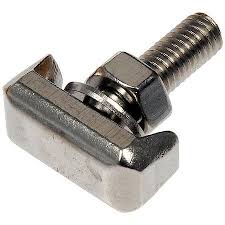
    B-strand connectors are compression connectors designed for joining and terminating strands. They serve as the structural messenger in overhead power distribution and communication lines. The connectors anchor the steel support strand to a pole, tower, or other structure. They also join two ends of steel strand together to create a continuous length. B strand connectors serve in every span to dead-end the strand on poles. It allows the attached insulated conductors to hang freely. B strand connectors replace or upgrade aging support hardware. They have a high-strength, corrosion-resistant design that ensures the structural integrity of the line under dynamic loads. Their use enables the smart grid infrastructure to manage a renewable-heavy grid to provide a data backbone for SCADA systems.

    Quality control for B-strand connectors utilized in power grid development initiatives

    Grid expansion infrastructure

    Quality assurance for B-strand connectors in power grid expansion initiatives guarantees that grounding components offer low-impedance electrical routes. They uphold mechanical integrity under pressure and operate safely in environmental conditions. These connectors assist in grounding overhead transmission structures to the earth, safeguarding equipment and personnel while facilitating coordinated protection systems. Material traceability for the strand connectors is maintained via certifications and documentation. It assists in confirming that raw materials conform to designated grades and treatments. Mechanical tests are performed on the connector, checking the tensile strength of the clamp and bolt, as well as torque tests, to ensure that the connectors remain securely attached to the B strands. It additionally undergoes tests for corrosion resistance and electrical continuity. The tests offer unbiased proof that hardware fulfills performance standards before installation.

    Functions of B-strand connectors in Chile’s power grid expansion projects

    B strand connectors perform grounding and bonding functions that support system safety, reliability, and regulatory compliance. The connectors ensure that expanded networks are electrically safe, mechanically secure, and resilient. They ensure stable grid operation during both normal conditions and fault events. Here are the key functions of B-strand connectors in Chile’s power grid expansion projects in Chile.

    B strand ground connectors bond strands to grounding conductors
    • Grounding of messenger and shield strands—B strand connectors bond B strands to grounding conductors, ground rods, or structure grounds.
    • Fault current dissipation—B-strand connectors enable rapid and controlled dissipation of fault currents into the grounding system. This helps reduce fault duration and magnitude to allow protection systems to operate and prevent damage to conductors.
    • Lightning and surge protection—the connectors provide a reliable bonding point that channels transient overvoltages away from the structure. They help reduce flashover risk and improve line resilience.
    • Mechanical stability of grounding connections—B-strand connectors provide mechanical attachment between strands and grounding conductors. They ensure contact integrity under wind-induced vibration, thermal cycling, and mechanical loading.
    • Support for protection and control systems – the strand connectors ensure accurate fault detection and relay operation. Stable grounding is critical for coordinated protection schemes in expanded grids with higher penetration of variable renewable generation.

    Expansion of power grid facilitating energy transition in Chile

    The expansion of the power grid influences grid planning and the energy transition as the deployment of renewable energy rises. Expanding the grid affects Chile’s ability to decarbonize its electricity sector while ensuring supply security. Grid expansion compels planners to embrace a more cohesive planning approach. This is marked by proactive investment that corresponds with renewable project pipelines and enhanced collaboration among transmission, distribution, and generation planning. The expansion allows Chile to evacuate renewable energy from areas abundant in resources, enhance system adaptability to handle intermittency, and decrease renewable energy curtailment