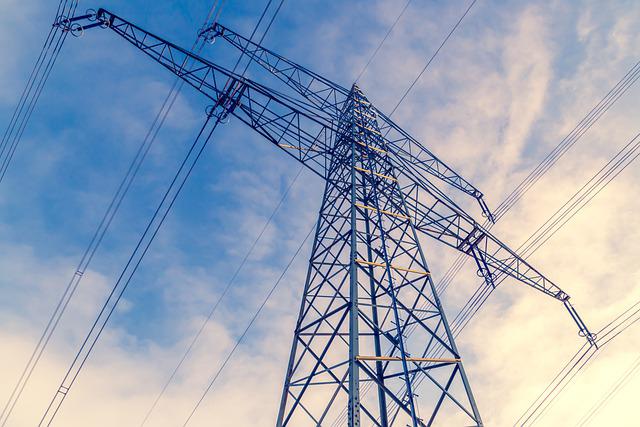
The grid interconnection between Bolivia and Brazil is one of South America’s most major energy cooperation endeavors. The interconnection intends to promote power interchange, energy reliability, and regional integration. This is mainly due to the construction of high-voltage electricity infrastructure connecting the two countries. The interconnection project includes the building and upgrade of transmission lines, the establishment of cross-border substations to stabilize voltage, and the incorporation of renewable energy sources. Using armor rods minimizes sharp flexing at a single location by functioning as a flexible splint, absorbing energy and protecting the conductor from itself.
An armor rod is a helically wound sleeve that is placed over a conductor or ground wire at certain locations of support. Aeolian vibration and subspan oscillation cause continual movement in the grid infrastructure. Constant movement causes bending stress at the suspension clamp’s edge. The armor rod resists sharp flexing at a particular location. It works as a flexible splint, absorbing energy while protecting the conductor from itself. Armor rods act at stress spots to ensure a seamless shift of stiffness away from the splice. The rods are necessary to protect the conductor from being crushed or damaged.by the immense pressure of the dead-end clamp.
Bolivia-Brazil interconnection projects face a unique geography that necessitates the usage of armor rods for stability. The interconnection links, such as the 600 km 500 kV lines, cross extremely remote places. Conductor failure in these areas may take a long time to locate and fix. The interruption would disrupt cross-border power trading and be exceedingly costly. The use of armor rods at all support points is a low-cost and very effective form of preventive maintenance for avoiding such breakdowns. Large daily temperature fluctuations cause conductors to expand and contract. This difference in tension causes movement at the clamps.
Efforts and measures to assist the grid connectivity between Bolivia and Brazil
The Bolivia-Brazil grid link aims to strengthen energy cooperation, improve regional power reliability, and encourage renewable energy interchange between the two countries. The countries have invested in technical and financial safeguards to assure the interconnection’s safety, efficiency, and sustainability. The efforts include cross-border transmission infrastructure development, renewable energy project integration, technical modernization, smart grid integration, as well as financial and investment activities. These activities are intended to improve regional energy security, increase renewable energy commerce, boost technological innovation, and promote economic and environmental sustainability. Bolivia has taken an important step toward becoming a key member in South America’s integrated power network.
The role of armor rods in the Bolivia-Brazil grid connecting infrastructure
The armor rod is an essential component of the grid connecting infrastructure, ensuring mechanical protection, electrical dependability, and the longevity of overhead power lines. This helps to transport electricity between the two countries. Armor rods are critical to ensuring the interconnected grid’s safety, efficiency, and durability. Here are the primary functions of armor rods in grid infrastructure.
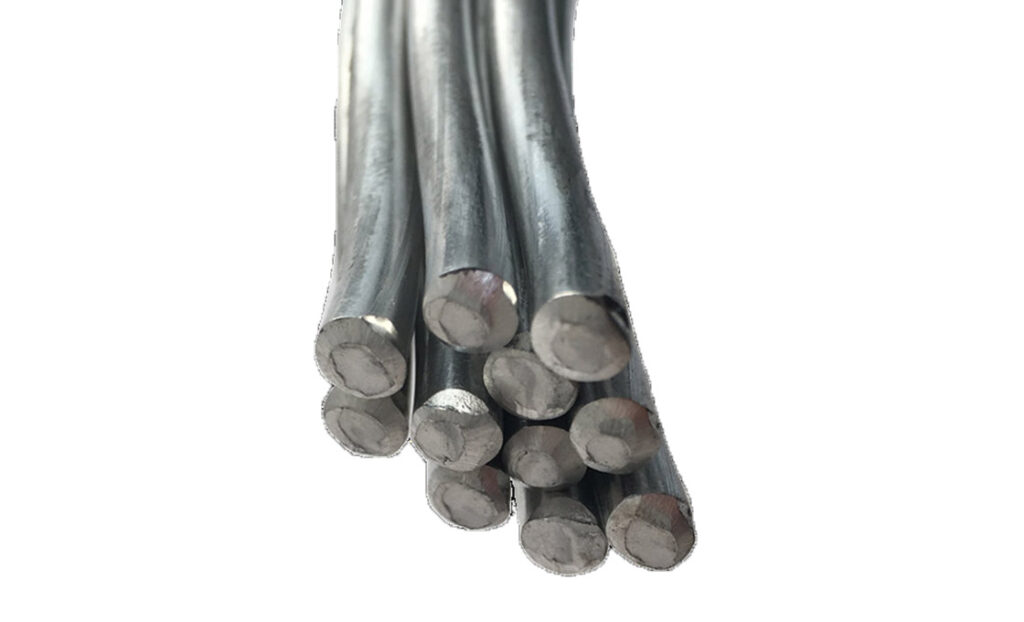
- Mechanical protection of conductors—armor rods protect conductors from mechanical stress and wear. They support clamps, suspension fittings, and dead-end assemblies. Armor rods prevent mechanical fatigue, strand breakage, and line damage.
- Electrical protection and corona reduction – armor rods contribute to the electrical stability of the transmission system. Armor rods help maintain power transmission efficiency and cut energy loss across the grid.
- Vibration control and fatigue reduction—armor rods function as vibration dampers that absorb and dissipate mechanical oscillations before they cause strand fatigue. They also function as protective sleeves at suspension points, preventing metal-on-metal contact between conductors and clamps.
- Prevention of conductor damage at hardware interfaces—the rods reinforce the conductor at the suspension points. They provide a smooth surface transition between the conductor and hardware.
Key hurdles to grid connectivity between Bolivia and Brazil
The grid interconnection project intends to improve regional power interchange, stimulate renewable energy consumption, and increase energy security. Despite its potential, the interconnection confronts many hurdles, including technical and infrastructure challenges, environmental and geographic limits. These challenges also include investment impediments, policy misalignment, energy balance and export dependency, technological barriers, and political challenges. To assure its success, the countries must invest in modern transmission infrastructure, conduct thorough environmental evaluations, and establish long-term funding structures.