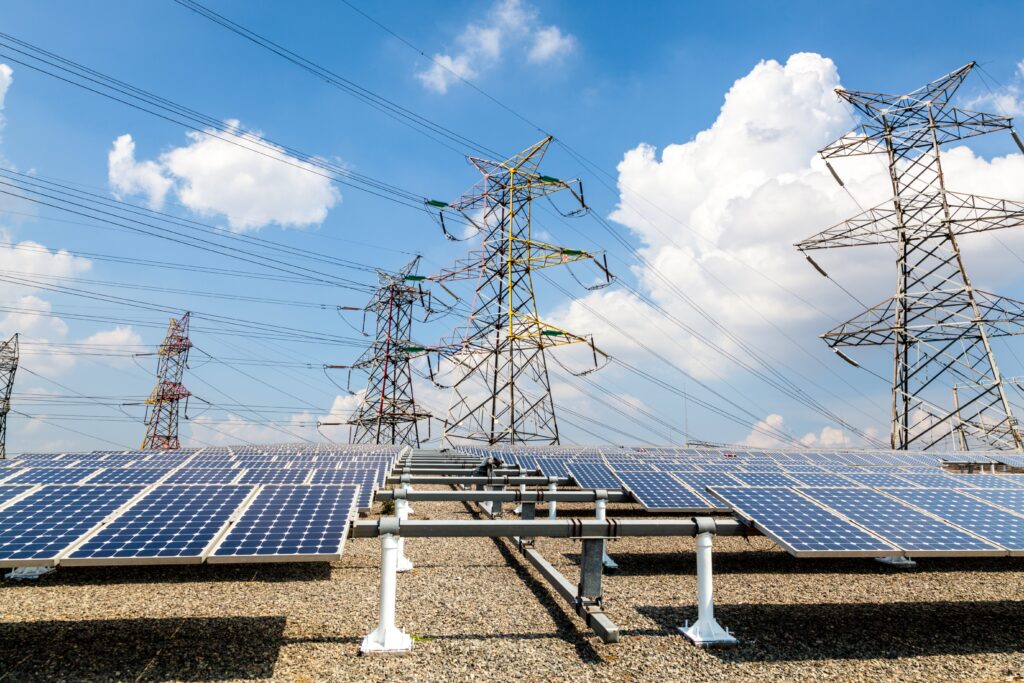
Argentina has significant potential and resources for solar energy generation, particularly in the Andes and Cauchari areas. Mundo Marino gets 80% of its electricity from renewable sources, including Mendoza’s El Quemado Solar Park. The solar park has an installed capacity of 305 MW and accounts for 11% of the country’s solar power. The contract provides for the supply of 2,400 MWh of renewable energy per year. The solar farm consists of photovoltaic modules, utility-scale string inverters, and step-up transformers. It also has grid connectivity and SCADA monitoring systems. These connectors use the socket eye clevis to connect the structural mounting systems for the solar panels to the high-voltage transmission and interconnection equipment. This is crucial because electricity generated at the Solar Park passes through several stages. The solar modules generate DC electricity, inverters convert DC to AC, step-up transformers raise voltage, and electricity enters the high-voltage transmission network.
The socket-eye clevis serves as a pivotal connection point for aluminum support rails and vertical steel posts in the ground. These connections carry mechanical loads such as the weight of solar panels, wind uplift forces, and shear stresses into the supporting structure. The clevis connects the rotating torque tube and a pin, forming a secure pivot point that allows for regulated rotational movement. The clevis design enables vertical and angular adjustment during installation. This is required for leveling lengthy rows of panels on uneven terrain and allowing thermal expansion and contraction. The socket-eye clevis is a strong and dependable mechanical link between the insulator strings and the transmission tower. It connects the conductors carrying the electricity from the solar farm’s substation to the electrical grid.
Quality assurance for socket eye clevises used in an Argentine solar park
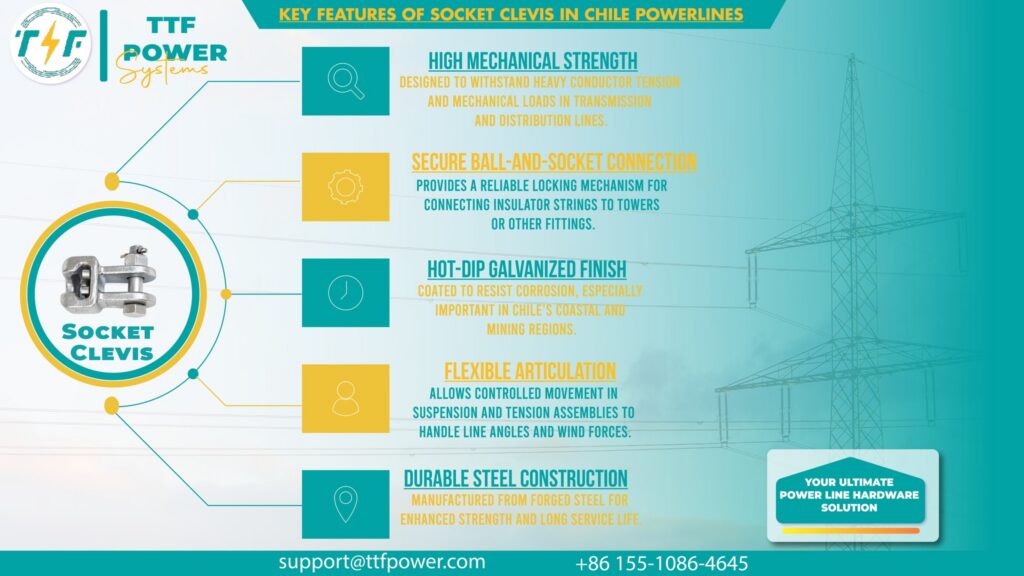
Socket eye clevises connect insulator strings, suspension hardware, and conductors in overhead transmission and substation networks. The clevis supports the transmission system that transports renewable energy from the solar park to the grid. Conducting quality assurance for the clevis aids in detecting mechanical faults that disrupt power transmission. QA confirms that all socket-eye clevises fulfill mechanical, dimensional, and corrosion resistance specifications. Quality assurance contributes to transmission line dependability, prevents premature hardware failures, and promotes uninterrupted renewable energy distribution. Manufacturers ensure quality through material verification and forging control, mechanical testing, corrosion protection, and traceability. This contributes to the delivery of clevises that ensure the safety and reliability of Argentina’s renewable energy transmission system.
The importance of socket eye clevis in solar park infrastructure in Argentina
Utility-scale solar generating in Argentina is dependent on dependable transmission infrastructure to transfer electricity from solar facilities to the grid. Socket eye clevises provide safe mechanical support for electrified conductors in a variety of environmental circumstances. Here are the functions of the socket eye clevis in solar park infrastructure.
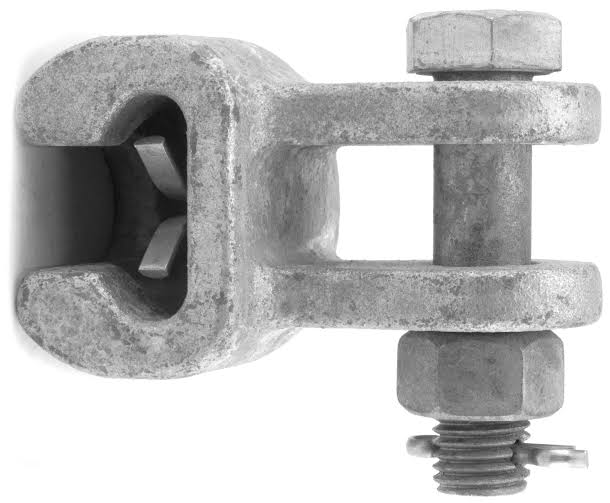
- Connecting insulator strings – the socket clevis connects insulator strings within transmission line assemblies. It provides a secure mechanical connection between suspension insulators, tension insulators, yoke plates, and tower attachment hardware.
- Supporting mechanical loads—the clevis withstands conductor tension, insulator string weight, hardware loads, and dynamic wind forces.
- Allowing controlled articulation—the socket eye clevis allows limited rotational movement to allow insulator strings to align under load.
- Maintaining electrical clearances – the clevis maintains conductor positioning for transmission system reliability. This reduces the likelihood of flashovers and insulation failures.
- Supporting high-voltage power evacuation—socket eye clevises help support the overhead line infrastructure transmitting solar electricity to the grid.
Technical characteristics of the solar farm that supplies electricity
El Quemado Solar Park is one of Argentina’s largest photovoltaic power facilities, having a total installed capacity of 305 MW. The plant generates 2,400 MWh of renewable electricity annually for the country. The technological features of the facility include:
- Utility-scale PV generation – the El Quemado solar power station converts solar irradiance into electrical energy through the PV effect.
- High-efficiency bifacial solar modules—these panels generate electricity from the front and rear surfaces by capturing reflected sunlight from the ground.
- Inverter system – the inverter system provides DC-to-AC conversion, voltage regulation, frequency synchronization, and reactive power control.
- Grid integration with SADI—the solar plant connects to the SADI to enable renewable electricity delivery to consumers.
- High-voltage substation—the solar park includes a 220/33 kV substation that steps up the generated electricity for long-distance transmission.