Category: Blog

  • Vibration Damper Armor Rods Boost Chile’s Grid Upgrade

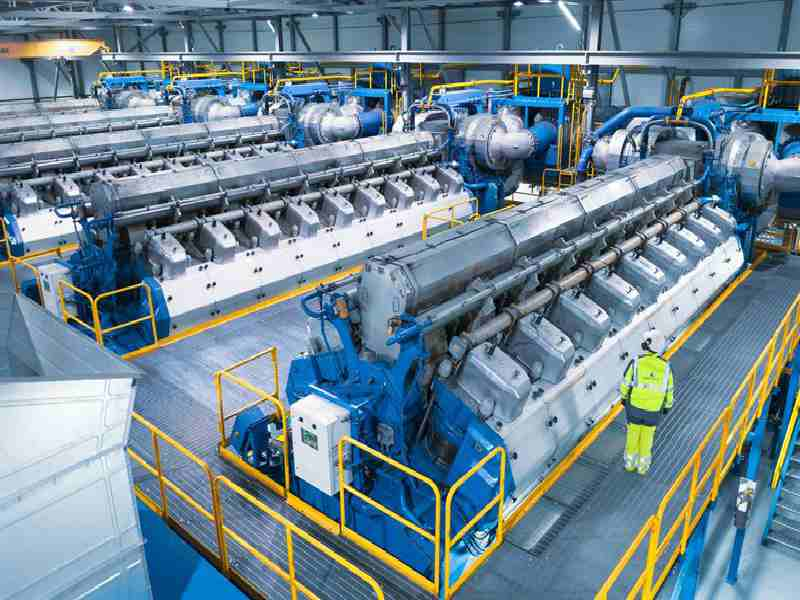
    converting diesel generators into renewable facilities

    Chile is making great strides toward transitioning its energy sector from fossil fuels to renewables. One of the main projects is to convert outdated diesel power plants into sustainable energy facilities. In most places, diesel power plants served as backup power supplies. They contribute to excessive greenhouse gas emissions, air pollution, and costly fuel imports. By transforming them into renewable energy plants, Chile may reduce emissions, lower energy prices, improve energy security, and improve system stability. Solar, wind, battery storage, and hydrogen projects can all contribute to convert diesel power plants into renewable energy sources. This is critical for Chile to meet its aim of generating 70% of its electricity from renewable sources by 2030. Vibration damper armor rods help ensure the durability and reliability of transmission lines carrying electricity for renewable energy sources.

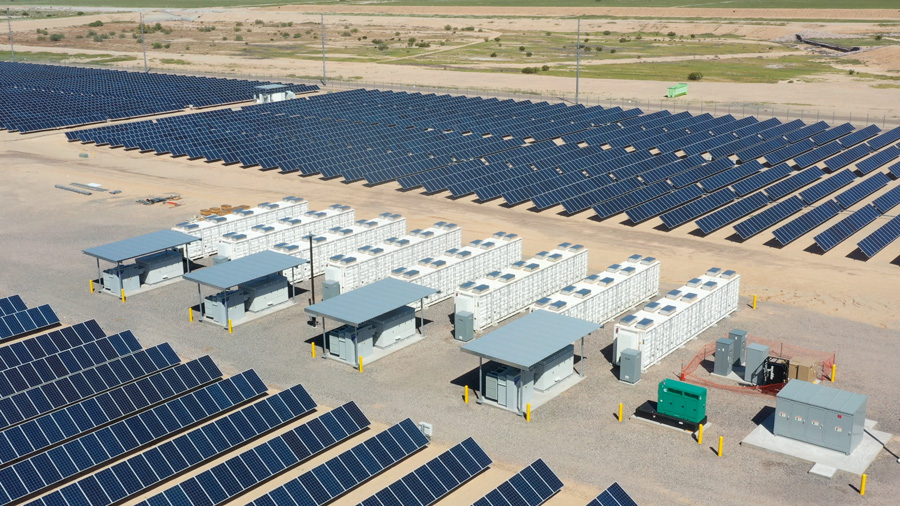
    The use of vibration damper armor rods minimizes wear and tear, lowering the danger of power outages and maintenance concerns. This is critical for integrating renewable energy into the system. Vibration damper armor rods guarantee the dependability of the transmission lines that connect hybrid systems to the grid. This facilitates an easier transition to renewables in Chile. For example, Engie, a French utility, has begun commercial operations at its 68 MW Tamaya battery energy storage system on the site of its former diesel-fired power station in Tocopilla in northern Chile. The conversion of fossil fuel-fired power plants is part of Chile’s decarbonization strategy to ensure a smooth energy transition. This will also generate new sustainable economic activities for communities.

    The importance of vibration damper armor rods in converting diesel plants to renewable energy.

    With the growing shift from diesel power plants to renewable energy sources, there is a greater demand for reliable transmission and distribution infrastructure. Vibration damper armor rods make electricity lines more reliable and long-lasting. These components reduce wear and tear, increase grid stability, and reduce mechanical stress. Vibration damper armor rods have use in solar projects, wind farms, and hybrid microgrids. Their main roles include:
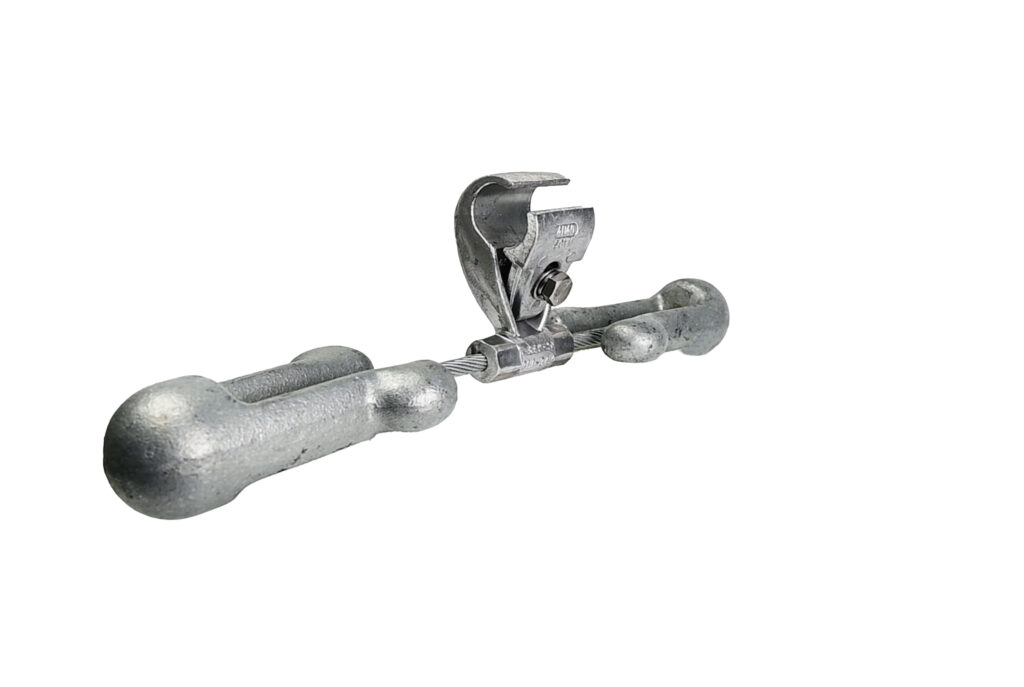
    vibration damper armor rods reduce mechanical stress
    1. Protecting transmission lines—many projects are in high-wind zones such as the Atacama Desert and Patagonia. Vibration damper armor rods help reduce stress on transmission lines to prevent early failure and costly maintenance.
    2. Enhancing grid stability—transmission networks should be able to handle more dynamic and variable loads. Vibration damper armor rods reinforce conductors to prevent damage from frequent mechanical stresses. This is crucial to ensure long-term reliability in high-demand areas.
    3. Reducing maintenance costs—converting diesel power plants to renewables needs reinforcing existing transmission lines. Vibration damper armor rods reduce wear and tear, thereby reducing maintenance costs.
    4. Supporting hybrid systems—diesel plants are converted into hybrid systems that combine diesel generators with renewable energy sources and energy storage. Vibration damper armor rods ensure the reliability of the transmission lines connecting the hybrid systems to the grid.

    Conversion Strategies and Projects in Chile

    Chile is transitioning from fossil fuels to renewable energy as part of its goal of becoming carbon neutral by 2050. The primary approach for the transition is to convert existing diesel power plants into renewable energy facilities. The conversion can help reduce emissions, increase energy security, and slash electricity prices. Innovative hybrid microgrids, large-scale energy storage projects, and renewable integration in the mining and industrial sectors are critical to Chile’s shift. Chile’s key conversion initiatives include the AES Andes renewable transformation, the Patagonia hybrid microgrid projects, Chile’s northern mining districts, and Engie’s renewable conversion plan. The main conversion tactics are:
    • Solar and wind repowering—many diesel plants are being retrofitted with solar PV and wind turbines to replace fossil fuel generation. These plants have grid connections that make it easier to integrate renewable energy into the system.
    • Hybrid microgrids—the systems combine solar, wind, and battery storage with existing diesel generators to reduce diesel consumption. The goal is to phase out diesel completely as battery storage and renewables improve.
    • Battery energy storage systems (BESS)—dieselpower plants provide backup power to ensure grid stability. Advancements in lithium-ion storage technologies are replacing diesel for backup power. Large-scale battery projects being developed help store excess renewable energy for use when demand is high.
    • Green hydrogen integration—some diesel plants are under study for conversion into hydrogen-based energy hubs. This will allow hydrogen fuel cells or turbines to generate clean electricity.
  • Guy Clamps & Hydrogen Tech: Innovations in Chile

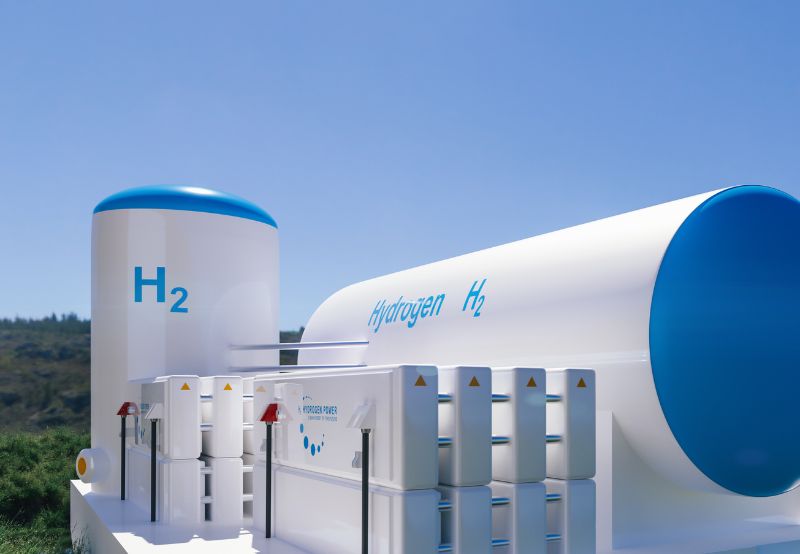
    green hydrogen plays a crucial role in enhancing energy reliability

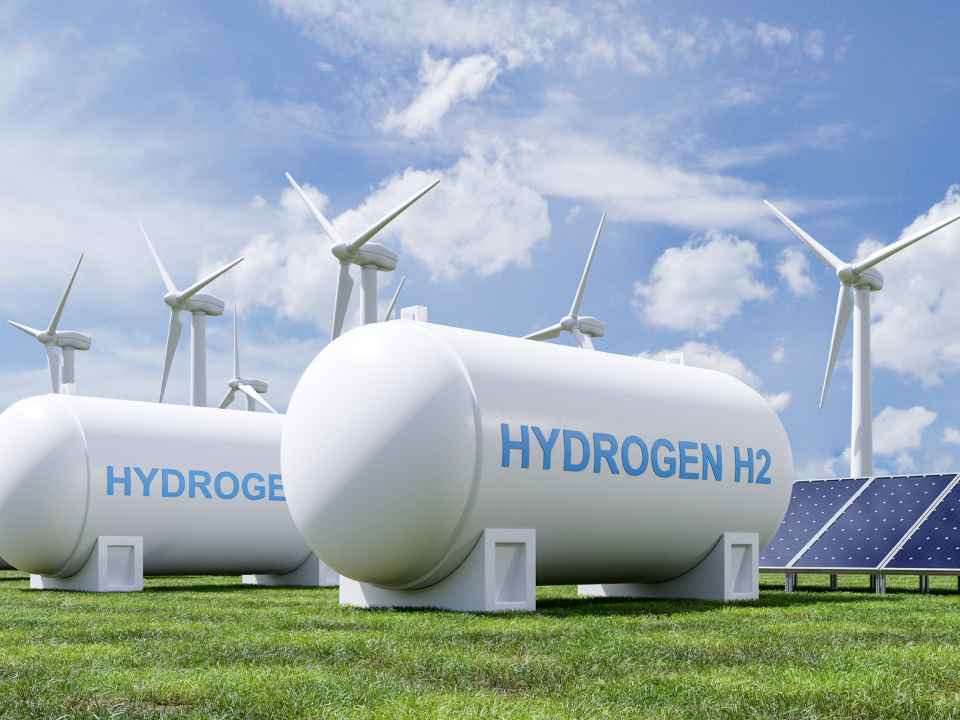
    Chile aspires to establish itself as a worldwide frontrunner in green hydrogen production by utilizing its plentiful renewable energy assets, encouraging government regulations, and helpful geographic placements. Green hydrogen is generated by the electrolysis of water powered by renewable energy sources. Chile possesses abundant natural resources that are perfect for generating solar and wind energy, particularly in regions such as the Atacama Desert and Magallanes. It also seeks to establish Chile as one of the leading three exporters of green hydrogen by 2040. It has also pledged to meet carbon neutrality by 2050, with green hydrogen being vital to decarbonization initiatives. Ongoing investment in innovation, infrastructure, and collaboration can assist Chile in reaching its ambitious targets for green hydrogen. Projects for green hydrogen production need strong power transmission and distribution networks backed by guy clamps.

    A guy clamp is crucial hardware used in securing and tensoning guy wires. Guy wires stabilize utility poles, transmission structures, and industrial infrastructure. The use of guy clamps ensures the stability of power and support structures in Chile’s green hydrogen sector. They also ensure stable and resilient power transmission, industrial structures, and hydrogen infrastructure. Guy clamps secure guy wires that stabilize poles and towers to prevent swaying or collapse under high wind conditions. The electrolyzers for green hydrogen also use guy clamps to support cooling towers, hydrogen storage tanks, and compressor stations.

    Functions of guy clamps in green hydrogen production in Chile

    Guy clamps are crucial components used in the construction and stabilization of structures. They provide support to utility poles, towers, and other installations to withstand external forces. Guy clamps are crucial for supporting the infrastructure necessary for green hydrogen projects. They play a crucial role in supporting renewable energy generation, electricity transmission, and hydrogen distribution networks. Additionally, the clamps stabilize power lines for electrolyzers, infrastructure for hydrogen transport, grid expansion, and ensure safety and reliability.

    Innovations in technology employed for hydrogen generation in Chile

    Several technological innovations are applied to enhance green hydrogen production in Chile. They enhance efficiency, reduce costs, and improve scalability. The application of cutting-edge technologies aids in tackling significant challenges and creating new possibilities. Chile has the potential to strengthen its role as a worldwide leader in green hydrogen production, aiding the global energy transition. Here are the technological innovations supporting green hydrogen production in Chile.

    Guy clamp support infrastructure for green hydrogen projects
    • Innovative electrolyzer technologies—significant advancements include high-efficiency electrolyzers designed to manage the fluctuating output of renewable energy sources.
    • The integration of renewable energy—producing green hydrogen is incorporating innovations in energy integration to make the most of solar and wind resources. Other advancements include hybrid renewable systems, direct coupling, and intelligent grid technologies.
    • Energy storage systems—capturing surplus renewable energy for use when generation is low is essential for producing green hydrogen. The advancements encompass battery storage, hydrogen storage, and ammonia used as a storage medium.
    • Carbon capture and utilization (CCU) – CCU technologies enhance hydrogen production by lowering emissions in associated sectors. Carbon capture and methanation represent the primary advancements in green hydrogen.

    Main obstacles to green hydrogen production in Chile

    Chile’s energy industry needs to tackle many challenges to fully seize the potential for producing green hydrogen. The difficulties may stem from technical, economic, logistical, and regulatory areas. Addressing these obstacles via innovation, funding, and teamwork can assist Chile in realizing the complete potential of its green hydrogen sector. Outlined below are the main obstacles confronting green hydrogen production within Chile’s energy industry.

    1. Significant upfront capital expenses—particular issues involve the costs of electrolyzers, the infrastructure for renewable energy, and the facilities for storage and transportation.
    2. Infrastructure development – Chile does not have the required infrastructure to ease extensive green hydrogen production, storage, and export. Obstacles consist of hydrogen pipelines, export port facilities, and renewable energy sources in distant areas.
    3. Technological advancement—this encompasses electrolyzer efficiency to cut energy losses, resilience against environmental factors, and hydrogen storage capabilities.
    4. Market demand – the worldwide green hydrogen market is still emerging, and the demand for green hydrogen remains unpredictable. Challenges stem from the absence of an offtake agreement, rivalry with gray hydrogen, and the progression of the export market.
  • Compression Splices & BESS: Chile’s Big Investments

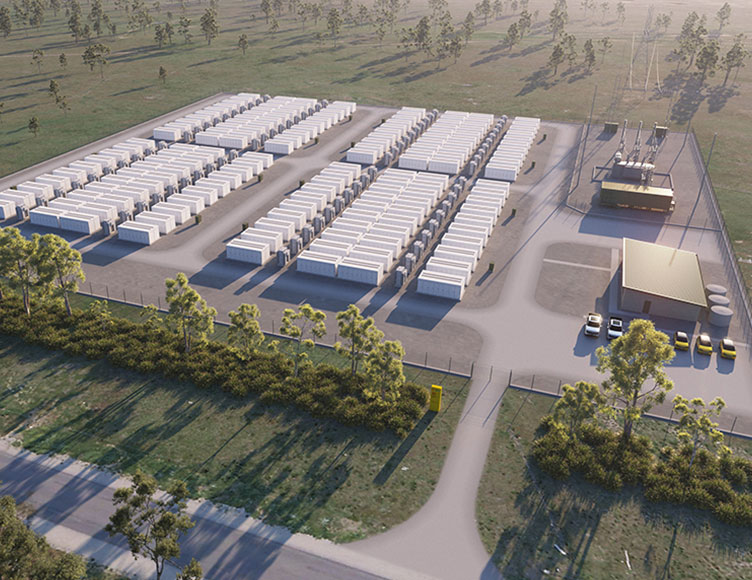
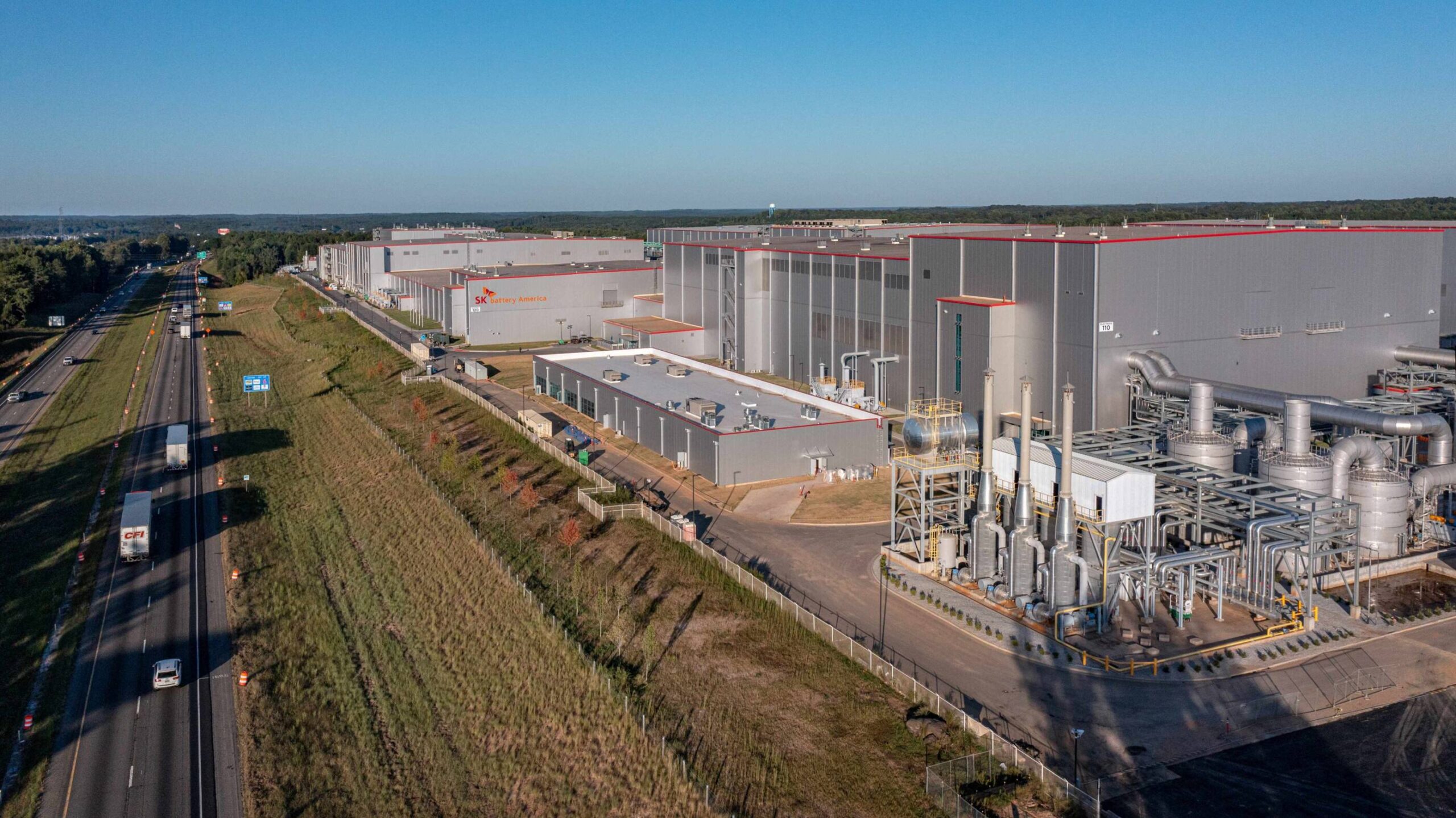
    Battery energy storage facility for energy security

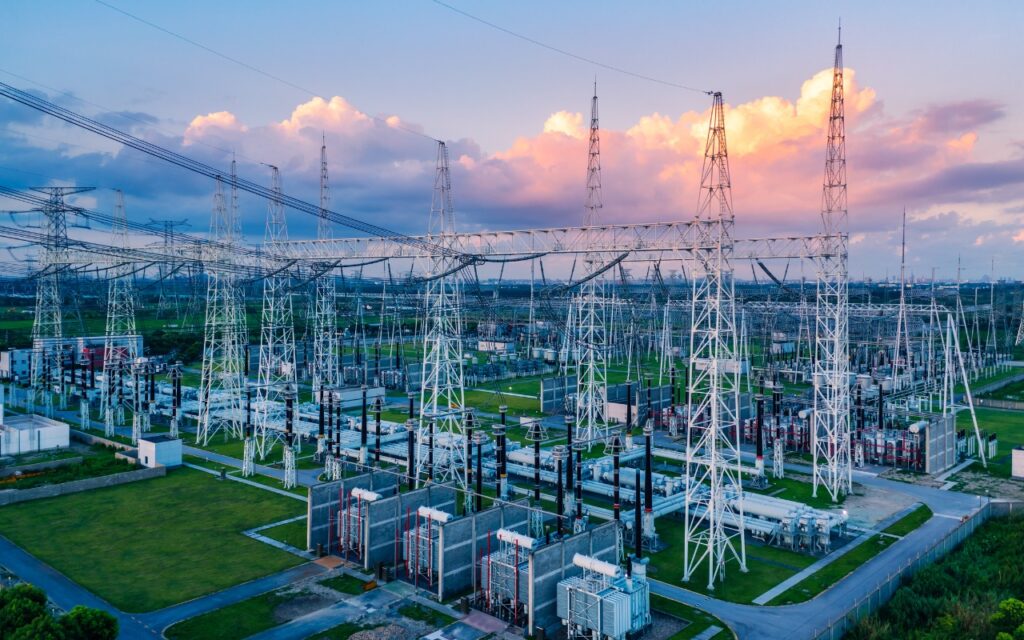
    Battery energy storage systems (BESS) play an important part in Chile’s energy landscape, utilizing the country’s massive resources. The Atacama Desert has abundant solar resources and wind possibilities. Chile has risen to the top of South America’s renewable energy adoption rankings. Most renewable energy sources are intermittent, necessitating significant energy storage technologies to maintain grid stability and reliability. BESS offers rapid grid stabilization services such as frequency regulation and voltage management. They contribute to grid reliability and lessen the need for fossil-fuel-powered peaking facilities. BESS allows for energy shifting, storing energy during off-peak hours and releasing it when demand is high. The use of compression splices in BESS ensures that electrical connections are reliable throughout the infrastructure. This is crucial for the efficient and safe operation of the energy storage systems.

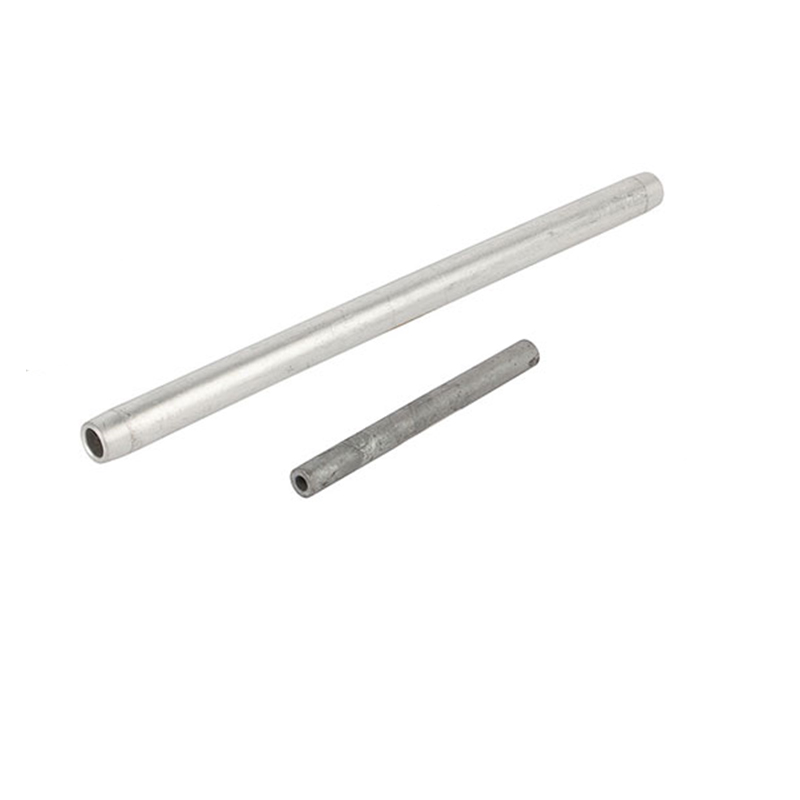
    A compression splice is an electrical connector that joins two or more conductors. It compresses the wires together with a mechanical tool to form a low-resistance, high-reliability connection. Compression splices help to increase renewable energy production and ensure the reliability of Chile’s electrical infrastructure. This is accomplished by facilitating scalability, lowering maintenance requirements, and increasing system efficiency. However, the splices must be able to survive adverse environmental conditions such as excessive temperatures, dust, and humidity.

    The role of compression splices in BESS development in Chile

    Compression splices are critical components of Chile’s electrical infrastructure for battery energy storage systems. Splices join, lengthen, and reinforce electrical lines, ensuring that energy is transmitted efficiently and safely. Metlen & Metals Energy BESS may also employ compression splices to enable efficient power transfer from batteries to the grid, dependable and long-lasting connections, and smooth integration with Chile’s renewable energy network. Here are the functions of compression splices in BESS.

    compression splices help maintain consistent enegy flow and reduce power loss
    • Ensuring secure electrical connections—compression splices join two conductors together by applying mechanical pressure. This creates a permanent and low-resistance connection. The connections help maintain consistent energy flow and reduce power loss.
    • Improving electrical conductivity—compression splices provide tight, high-conductivity connections and reduce resistance.
    • Enhancing mechanical strength—BESS facilities need high-performance electrical infrastructure that can withstand harsh environmental conditions. Compression splices reinforce and protect cable joints from mechanical stress, vibrations, and thermal expansion.
    • Ease of grid integration & expansion—new energy storage facilities must be integrated with existing grid infrastructure. Compression splices enable seamless extension of power lines to help connect storage systems to solar farms, wind farms, and substations.
    • Supporting high-voltage & high-capacity energy transfer—Chile’s large-scale BESS projects involve high-voltage transmission. This needs reliable and robust electrical joints. Compression splices are able to handle high current loads to ensure the system can deliver power efficiently.
    • Reducing maintenance & repair costs—compression splices form a permanent bond, which necessitates less maintenance over time. This is crucial in remote BESS locations where maintenance can be costly.

    Significant investments in expanding Chile’s BESS.

    Chile’s energy sector is experiencing tremendous growth in battery energy storage systems due to various investments. The investments are intended to improve renewable energy integration and grid stability in Chile. Investments also show Chile’s commitment to extending BESS infrastructure to support a more sustainable and resilient energy industry. The investments in BESS development in Chile are as follows.

    1. Utility-scale BESS projects—this includes the Coya BESS developed by Enel with a capacity of over 400 MWh. It supports the integration of renewable energy into Chile’s grid. It also includes the Andes Solar BESS with a large-scale BES to store excess solar energy and provide grid stability.
    2. Hybrid solar-plus-storage projects—various projects combine solar PV with BESs to ensure a stable energy supply. For instance, the Cerro Dominador solar project includes a 110 MW solar PV plant and a 17.5 MW BESS.
    3. International and domestic investment—companies such as AES Corporation, Enel, and Fluence have invested in Chile’s BESS market. The investments play a crucial role in bringing global expertise and technology.
    4. Green hydrogen and BESS synergy—Chile’s green hydrogen aims to position the country as a global leader in green hydrogen production. Investments in BESS can provide the stable and reliable energy supply needed for electrolysis.
    5. Public and private sector collaboration—the Chilean government collaborates with private sector players to promote BESS investments. Public-private partnerships are crucial in advancing BESS technology and deployment in Chile.
  • Armor Rods: Key to Chile’s Renewable Energy Growth

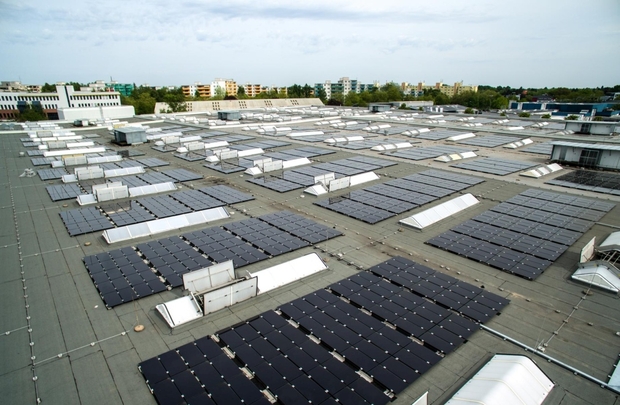
    solar PV and solar storage project in Chile

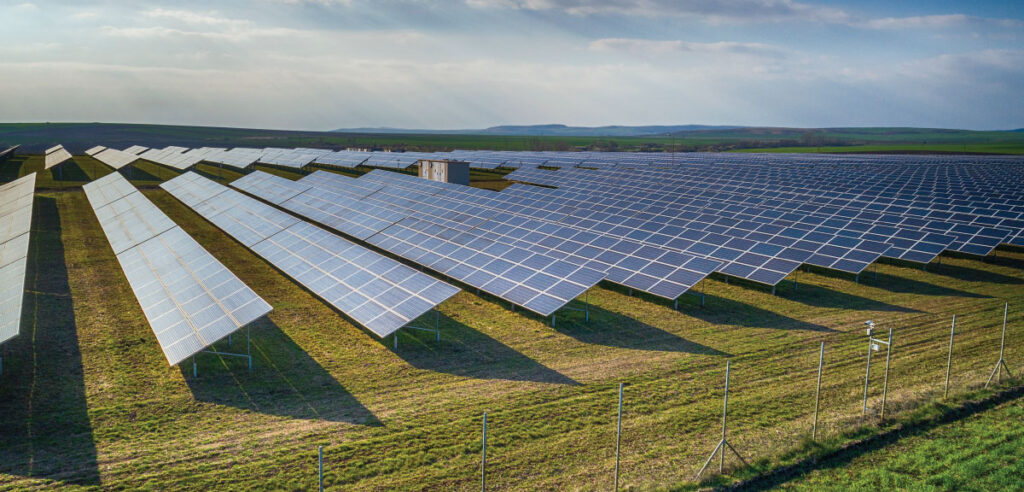
    Chile is a global leader in renewable energy, with significant solar resources in areas such as the Atacama Desert. Chile’s energy transition relies heavily on the development of solar PV and solar-storage hybrid projects. Chile also has favorable legislation and investments in storage systems, which are propelling renewable energy to a larger percentage of the electrical mix. Given Chile’s very high sun irradiation, solar PV accounts for 25-30% of the electricity supply. The implementation of energy storage projects helps to address grid stability and intermittency issues. Solar PV and solar-storage hybrid projects need considerable transmission infrastructure to connect to the grid. Armor rods assist to protect conductors from a variety of environmental conditions.

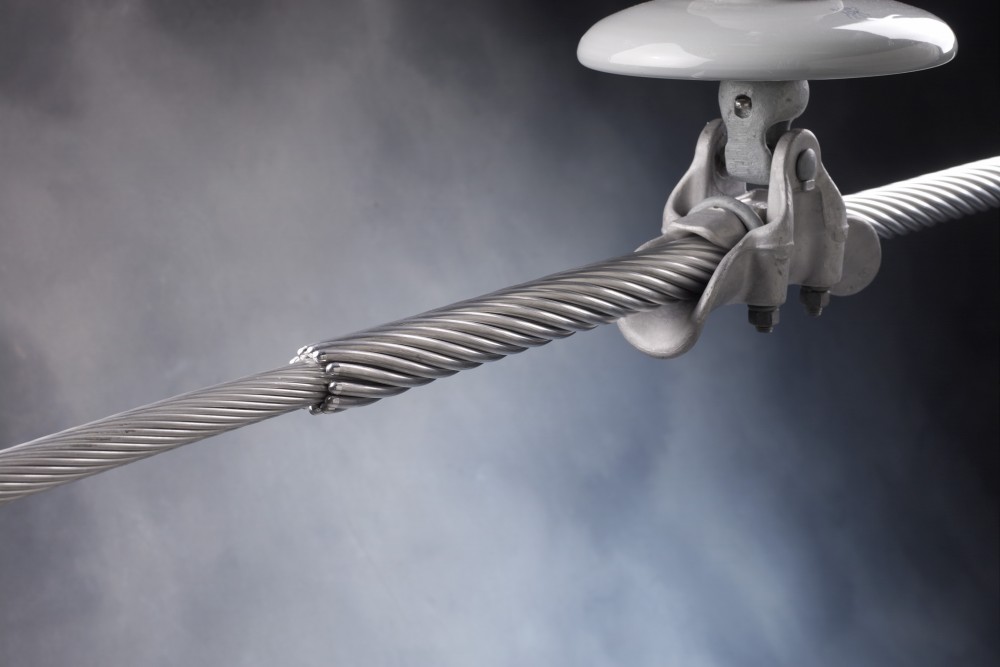
    Chile’s notable solar PV projects include Cerro Dominador (110 MW CSP and 100 MW PV), Sol de Lila (161 MW), and Tamarugal Solar Project (150 MW). There are solar and storage projects, such as Andes Solar and Cerro Dominador Thermal Storage. Armor rods are essential for ensuring the electrical grid’s reliability, durability, and efficiency. The rods wrap around the wires, providing mechanical support and protection. They also reinforce conductors at the areas where they connect to insulators. Armor rods protect transmission lines from wear and tear, allowing for more efficient power transfer.

    Technological advances are boosting renewable energy growth in Chile.

    Chile is on track to become a global leader in renewable energy, focusing on solar PV, wind, and energy storage. Chile’s technological advances improve efficiency, cut prices, and ensure grid stability. Continued investment in these advances, as well as government help, might help Chile establish itself as a global leader in renewable energy. The technological advances that are fueling the expansion of renewable energy are as discussed here.

    armor rods ensure the reliability and efficiency of electrical gridsd
    • Advanced solar PV technologies—these include bifacial solar panels, floating solar PV, and solar tracking systems. These technologies enhance the efficiency and reliability of energy production in Chile.
    • Energy storage innovations—The integration of battery energy storage systems helps stabilize the grid. This is by addressing the intermittency of solar and wind energy. Technologies such as flow batteries and pumped hydro energy storage provide efficient energy backup.
    • Grid modernization and smart energy solutions—this includes technologies such as high-voltage direct current transmission, AI & predictive analytics, and virtual power plants. They help reduce power losses and improve grid reliability in Chile.
    • Hybrid energy systems—Chile is developing green hydrogen hubs using solar and wind power to produce renewable hydrogen. The projects integrate solar, wind, and battery storage for enhanced reliability.

    Armor rods’ involvement in improving Chile’s renewable energy share

    An armor rod is a critical component of overhead transmission and distribution lines. The armor rod ensures that solar PV and solar storage hybrid projects are reliable, durable, and efficient. The rods help to safeguard conductors, improve grid dependability, lower maintenance costs, and support the country’s ambitious renewable energy targets. Here are the common functions.

    1. Supporting grid reliability and stability—solar and storage hybrid projects rely on a stable and reliable grid to store excess energy. Armor rods help maintain the integrity of the transmission lines connecting the projects to the grid. This is crucial for integrating intermittent renewable energy sources like solar PV.
    2. Ease of long-distance power transmission—solar PV farms and solar and storage projects are mostly in remote areas. Armor rods are crucial for constructing long-distance transmission lines carrying electricity from remote areas to urban areas.
    3. Supporting Chile’s renewable energy goals—armor rods are crucial components in expanding and modernizing Chile’s grid. They help ensure the transmission lines supporting the projects are durable and reliable.
    4. Enhancing durability—Chile’s solar PV projects are in regions like the Atacama Desert, which face challenging environmental conditions. Armor rods help ensure the transmission lines remain operational and reliable to reduce maintenance costs and downtime.

    Key challenges for boosting renewable energy share in Chile

    Chile has made considerable strides toward increasing its renewable energy contribution through solar PV and solar-storage projects. The country, however, confronts difficulties that may stymie renewable energy growth. Chile must overcome these difficulties to meet its ambitious renewable energy ambitions. Grid congestion, intermittency and grid stability, high upfront costs, permitting restrictions, and resource competitiveness are among the most significant challenges. The country may address these issues by investing in grid infrastructure, energy storage, and workforce development. These efforts will serve as significant lessons for other countries pursuing a clean energy transition.

  • Cross Plate Anchors & PVH: Advancing Solar in Chile

    Solar farm development aids grid integration

    PV Hardware (PVH), a manufacturer of solar racking solutions based in Spain, will provide its trackers for a solar project in Chile with a capacity of 109.76 MW. The firm has been chosen to provide its AxoneDuo Infinity trackers for the Alcones initiative in Chile. The solar initiative also encompasses the construction of a 33/110 kV substation along with a 9KM transmission line. PVH’s trackers aim to enhance solar plant efficiency, offering flexibility for varying terrains and circumstances. Their internal pre-assembly procedure minimizes on-site parts by more than 70%, resulting in a 40% reduction in installation time. The solar farm will produce enough electricity to supply power to over 86,000 households when it becomes operational. In solar farm construction, cross plate anchors fasten structures such as solar trackers to the earth. They provide stability and strength against environmental forces.

    Cross plate anchors feature a central rod with steel plates at the base that are arranged perpendicularly, creating a cross formation. This aids in offering improved retention ability when instilled in soil. Employing cross plate anchors in the installation of solar farms enhances the overall reliability and efficiency of the energy production system. This is achieved by keeping solar panels oriented during difficult weather situations. Solar farms require strong bases to sustain photovoltaic panels and solar trackers. The plate anchors additionally guarantee the longevity of solar tracking systems, particularly in extensive solar projects.

    Roles of cross plate anchors in Chile’s solar power facility

    Cross plate anchors provide stability and longevity for the structures that mount solar panels. The incorporation of cross plate anchors in the development of solar farms in Chile highlights the significance of stability and efficiency for large-scale solar initiatives. This can enhance energy production while guaranteeing lasting reliability and sustainability in Chile’s renewable energy industry. Here are the roles of the cross plate anchors in the solar farm of Chile.

    cross plate anchors offer solid base for solar panels
    1. Structural integrity – cross plate anchors fasten the mounting frameworks into the earth. They offer a solid base and stop the solar panels from moving. They are essential to guarantee the system can endure seismic forces that are susceptible to earthquakes.
    2. Load distribution – the anchors aid in distributing the weight of the solar panels and mounting systems over the ground. This is crucial in regions with unstable or loose ground to avoid sinking or leaning.
    3. Resistance to environmental stress – Chile experiences diverse climatic conditions that can expose the solar farm to severe weather events. The cross plate anchor guarantees the system stays stable during strong winds, temperature fluctuations, and various other conditions.
    4. Corrosion resistance – the anchors are made from galvanized steel or materials that resist corrosion, which is essential in environments with high salinity.
    5. Simplicity of setup – cross plate anchors provide rapid and effective installation, which is essential for extensive solar initiatives.
    6. Durability – cross plate anchors enhance the longevity of the solar setup by offering a strong and stable base. This aids in lowering maintenance expenses and guarantees steady energy generation.

    Technological advancements adopted by PVH solar farms in Chile

    PV Hardware has launched various technological advancements besides trackers in its solar farm projects in Chile. These advancements improve efficiency, flexibility, and sustainability. They assist in advancing the nation’s renewable energy objectives and establishing new benchmarks in solar technology deployment. TTF Power supports the development and construction of solar farms in Chile. This is by providing products like overhead line hardware, transmission hardware, distribution hardware, conductors, insulators, cutout switches, anchoring and grounding products. The upcoming technological advancements aiding solar farm growth in Chile are as follows.

    • Solar trackers – PVH’s AxoneDuo Infinity trackers are engineered to enhance energy output by tracing the sun’s trajectory over the course of the day. The trackers provide enhanced flexibility for different terrains and weather conditions. Solar trackers ensure ideal panel positioning and enhance the effectiveness of solar systems.
    • In-house pre-assembly procedure – PVH has established a groundbreaking in-house pre-assembly procedure to cut labor on-site. This contributes to reducing the number of required components on-site by more than 70%, resulting in a 40% decrease in installation time.
    • Sophisticated control systems – PVH incorporates intelligent controllers and cutting-edge SCADA software into their solar tracking solutions. The technologies ease immediate monitoring and accurate management of the trackers. They also permit adaptive reactions to changes in the environment.
    • Change to agrivoltaics – PVH has modified its trackers to ease agrivoltaics applications, acknowledging the increasing trend of merging agriculture with PV systems. This flexibility encourages sustainable land stewardship methods and optimizes land usage.
  • Insulator Ties Key to Exxon & SLB’s Lithium Expansion

    Chile's lithium energy sector contributes to the clean energy shift

     Exxon Mobil and SLB are now investing in Chile’s lithium sector, representing a significant shift in the worldwide lithium supply chain. The companies specialize in resource extraction, fluid separation, and large-scale industrial processes. Their alliance represents a significant shift in the lithium business for the global energy transition. Exxon Mobil and SLB’s investment in Chile’s lithium business has a variety of implications. It improves lithium extraction efficiency, promotes sustainable and ESG-friendly lithium production, and may grow into refining and battery manufacture. Furthermore, the agreement may promote competition by lowering prices and compelling existing firms to innovate. It could also inspire more joint ventures with state-owned enterprises like Codelco, reshaping the extraction structure. These companies could promote lower-impact extraction methods to meet environmental, social, and governance ESG expectations. Insulator ties ensure a stable and sustainable energy supply for mining operations.

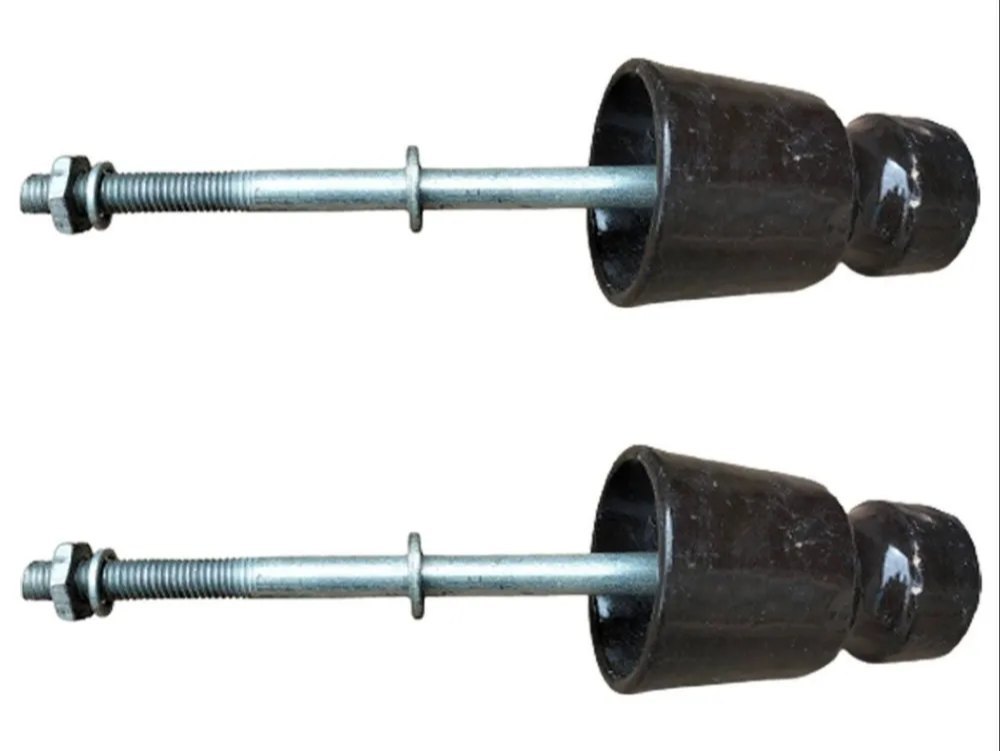
    High-performance insulator ties hold high-voltage power lines to insulators, preventing sagging and disconnection. They also help to maintain consistent electrical conductivity, which reduces power outages in mining operations. Insulator ties can also survive extreme environmental conditions like sandstorms and temperature swings. To continue output, lithium extraction requires energy-intensive procedures that provide reliable power delivery. An insulator tie supports high-voltage transmission lines that carry electricity from renewable sources to lithium extraction locations. An insulator tie offer consistent electricity distribution, promote renewable energy use, and improve safety.

    Insulator ties in Chile’s lithium extraction contribute to energy sustainability

    Insulator ties are fastening devices that connect electrical cables to insulators on utility poles and transmission towers. They are critical to ensuring the stability and efficiency of overhead power lines. This is by keeping the conductor from shifting or sagging. Insulator ties function in power transmission, renewable energy networks, and industrial and mining applications. They contribute to safe, efficient, and dependable power transmission. The following are the insulation-related contributions to lithium extraction and energy sustainability in Chile.

    insulator ties connect electrical cables to utility poles
    1. Ensuring reliable power supply—insulator ties secure insulators to utility poles or towers that support power lines. Proper installation helps maintain the integrity of the electrical grid and reduce the risk of power outages.
    2. Enhancing energy efficiency—efficient power transmission is crucial for reducing energy losses and maximizing the sustainability of lithium extraction processes. Insulator ties help maintain proper alignment and tension of power lines.
    3. Durability—most regions in Chile face extreme temperatures, high UV radiation, and corrosive salt flats. Insulator ties are able to withstand harsh conditions, ensure long-term reliability, and reduce the need for frequent maintenance or replacements. This contributes to the sustainability of the energy infrastructure supporting lithium extraction.
    4. Advanced extraction technologies—the use of DLE processes needs continuous and precise power supply. This is crucial for operations like adsorption, ion exchange, or electrochemical separation. Insulator ties play a crucial role in maintaining the stability of the power lines delivering electricity to advanced systems.

    Exxon Mobil and SLB are increasing lithium production in Chile

    Exxon Mobil and SLB have the technical knowledge, financial resources, and operational experience to increase lithium production in Chile. This is by utilizing innovative extraction methods, strategic collaborations, and infrastructure development. They can help boost lithium production, enhance efficiency, and reduce environmental impact. Here are the many ways that corporations could increase lithium production in Chile.

    • Deploying advanced lithium extraction technologies—the companies could introduce DLE technology. This technology extracts lithium directly from brine without evaporation. This could cut processing time to hours or days while increasing lithium recovery rates.
    • Expanding infrastructure—Exxon and SLB could invest in battery-grade lithium hydroxide and carbonate production plants in Chile. This would shorten the lithium supply chain and increase Chile’s role in the global EV battery industry. They could also leverage renewable energy sources to power lithium facilities, reducing reliance on fossil fuels.
    • Increased global lithium supply for EV markets—the companies could create a stronger lithium supply chain. They could also establish long-term lithium supply agreements, ensure stable demand, and reduce price volatility.
    • Strengthening partnerships—Exxon Mobil and SLB could form joint ventures with Codelco to secure large-scale lithium projects. This would give them government-backed contracts and ensure long-term operational stability.
  • Double Arming Bolts: Strengthening Chile’s Power Grid

    Grid resilience ensures adaptable electrical infrastructure

    Chile possesses plenty of renewable energy resources from Patagonia and the Atacama Desert. Its energy industry is experiencing a change with a swift transition to renewable energy sources and greater dependence on solar and wind energy. The shift poses considerable challenges for grid stability, prioritizing grid resilience. Grid resilience guarantees a dependable, adaptable, and disaster-proof electricity infrastructure. It additionally supports the preservation of economic growth, energy security, and sustainability. Chile has adopted many strategies to guarantee grid resilience. This encompasses enhancing energy storage, improving transmission systems, implementing smart grid technology, and digitalization, along with support from policies and regulations. Tackling the different challenges is essential for guaranteeing a power grid that can withstand disasters. This can assist in resolving power problems during blackouts. Double arming bolts provide extra mechanical strength to reduce the risk of failures due to heavy electrical loads.

    Chile’s power grid includes overhead distribution and transmission lines in remote areas. This is to supply solar and wind energy to mining and industrial sectors. Doubel arming bolts reinforce crossarm connections to reduce the risk of ople failure during seismic activity. This helps prevent conductor sagging and misalignment, which can cause short circuits or power outages. Chile’s push for solar and wind energy needs a strong and flexible electrical grid. Doubel arming bolts allow for the addition of new crossarms, which helps accommodate increasing power demand.

    The role of double arming bolts in improving grid resilience in Chile

    Double arming bolts are specialized fasteners used in electrical transmission and distribution systems. They ensure the mechanical stability, reliability, and durability of the power grid infrastructure. Double arming bolts ensure structural integrity, resisting environmental stress, enhancing seismic resilience, and supporting grid modernization. This contributes to improving grid resilience in Chile. Here are the roles of double arming bolts in improving grid resilience in Chile.

    Double arming bolts ensures poles withstand heavy loads
    • Structural integrity and load distribution – double arming bolts fasten crossarms to utility poles. They distribute mechanical loads across the structure and ensure the poles withstand heavy loads. This reduces the risk of cascading failures during extreme events.
    • Resistance to environmental stress – double arming bolts are from high-strength, corrosion-resistant materials or stainless steel. They help ensure the long-term reliability of power distribution systems. This reduces the need for frequent maintenance and replacements.
    • Enhanced safety and reduced downtime—the bolts provide a secure and reliable connection between crossarms and poles. This helps reduce the risk of mechanical failures that could lead to accidents. They also help ensure continuous power supply in case of disruptions.
    • Support for grid configurations—the bolts provide the necessary strength and flexibility to accommodate changes in renewable energy integration. Double arming bolts contribute to a more flexible and resilient power system.

    Obstacles to enhancing grid resilience in Chile

    Considering the recent power outage in Chile that affected nearly the entire nation, it is crucial for the country to put in place strategies to maintain grid stability. Improving transmission lines and implementing renewable energy technologies may strengthen grid resilience. Nonetheless, guaranteeing the grid’s capacity to endure and bounce back from interruptions continues to be a challenge. TTF is a world-class global provider of high-quality overhead line hardware, transmission hardware, distribution hardware, conductors, insulators, cutout switches, anchoring and grounding products. These are crucial components are crucial in enhancing Chile’s mining. Outlined below are the primary challenges that Chile encounters in enhancing its energy infrastructure.

    1. Transmission and distribution issues – the majority of Chile’s renewable energy is produced near significant consumption hubs. Overcrowding in transmission lines results in limited energy availability. Constructing new high-transmission lines requires a significant amount of time because of regulatory approvals and environmental issues.
    2. The intermittency of renewable energy—solar and wind power is unpredictable and requires backup systems to maintain grid stability. Battery energy storage systems are still being developed, restricting the capacity to keep surplus renewable energy.
    3. Cybersecurity threats in a digitized grid – the incorporation of smart meters, automation, and digital oversight renders the grid susceptible to cyber intrusions. Many utilities do not have real-time threat detection systems, resulting in vulnerability to hacking attempts.
    4. Elevated expenses and investment hurdles – enhancing grid resilience requires funding for transmission upgrades, energy storage solutions, grid automation, and infrastructure that can withstand climate impacts. Investors might hesitate to finance long-term initiatives because of uncertainties in policy.
    5. Regulatory and policy shortcomings – energy initiatives encounter prolonged permitting procedures, while environmental impact evaluations hinder resilience enhancements. There are also shortcomings in policies on microgrid implementation, cybersecurity requirements, and the integration of distributed energy resources.
  • Guy Deadends: Key to KfW’s Green Hydrogen Push in Chile

    Green hydrogen production facility

    KfW, a German state-owned development bank, recently invested in green hydrogen projects in Chile. The bank will grant a $103 million promotional loan to help promote green hydrogen projects. The funds will be used to support projects such as hydrogen generation as well as extra processing, storage, and transportation infrastructure activities. Chile has many renewable energy sources, including solar and wind, that assist the green hydrogen market. KfW’s investment in Chile’s green hydrogen generation is part of a larger effort to promote the worldwide energy transition and reduce greenhouse gas emissions. Green hydrogen is produced by electrolysis with renewable energy. It is critical for decarbonizing industries including transportation, steel, and chemicals. Guy deadends ensure the stability, reliability, and safety of power line structures supporting green hydrogen production and distribution.

    The development of green hydrogen contributes to Chile’s economic development by providing jobs, attracting investments, and supporting renewable energy innovation. Guy deadends contribute to the economic transition in Chile’s energy and supply industries. They improve grid dependability, increase structural stability, and support the large-scale electrification required for a sustainable hydrogen economy. Green hydrogen projects rely on large-scale renewable energy sources to power electrolyzers. Guy deadends safeguard transmission towers to assure a consistent power supply to hydrogen facilities. They also help to prevent poles from tilting or collapsing in areas with severe weather and strong winds. High-quality guy deadends serve to distribute tension and prevent wear and tear on high-voltage transmission lines.

    Use of guy deadends in green hydrogen generation and development in Chile

    Guy deadends are structural components used to build and stabilize infrastructure for renewable energy systems. They assure the stability and endurance of the structures used in green hydrogen production. Guy dead-ends help to build the physical infrastructure required for green hydrogen production, which contributes to Chile’s energy transformation goals. Here are some examples of guy deadends in Chile’s green hydrogen production and development.

    Guy deadends stabilize electrical infrastructure for green hydrogen projects
    • Stabilizing renewable energy infrastructure—wind turbines need guy wires and deadends to anchor and stabilize the towers. This is especially in areas with high wind speeds or challenging terrain. Guy deadends also secure mounting structures for solar panels and ensure they remain stable and operational. Energy from solar and wind powers electrolyzers to produce green hydrogen.
    • Supporting transmission lines—guy deadends anchor transmission towers carrying electricity from renewable energy sites to electrolysis facilities. This ensures the reliable delivery of renewable energy for hydrogen production.
    • Anchoring electrolyzer facilities—these facilities need stable foundations and support structures. Guy deadends secure the facilities in areas prone to seismic activity or extreme weather. They also stabilize temporary or mobile structures used for pilot projects funded by KfW.
    • Hydrogen storage and export infrastructure—large storage tanks for hydrogen need secure anchoring to prevent movement or damage. The guy deadends secure tanks, cranes, pipelines, and storage units.
    • Environmental considerations—guy deadends ensure that renewable energy and hydrogen infrastructure can withstand harsh environmental conditions.
    • Supporting research and pilot projects—guy deadends stabilize small-scale electrolyzers, renewable energy installations, and testing equipment. This is crucial for supporting experimental setups to test new technologies and processes.

    Significance of KfW’s funding in Chile’s green hydrogen projects

    KfW’s support in Chile’s green hydrogen projects is beneficial to both Chile and the global energy transition. KfW is an important source of funding for programs that promote sustainable development. This is consistent with global climate goals and helps Chile’s goal of being a leader in the green hydrogen economy. Guy deadends maintain cable tension, preventing mechanical failures that could impair hydrogen distribution. TTF Power supports green hydrogen production in Chile by providing high-quality overhead line hardware. Our products are used in the construction, transportation, gas and water industries. Products include construction and switching products, tools, insulators, arresters, pole line hardware, and cable accessories. The following are the reasons why KfW’s investment is significant:

    1. Chile’s green hydrogen ambitions—the country aims to become one of the world’s lowest-cost producers of green hydrogen by 2030. KfW’s investments provide financial support to achieve these goals. This will enable Chile to prove the feasibility and economic viability of its green hydrogen sector.
    2. Renewable energy potential—Chile has plenty of renewable resources that make it cost-competitive for green hydrogen production. KfW’s investments help integrate renewable energy into green hydrogen production and ensure minimal carbon emissions.
    3. Global decarbonization—KfW’s investments help build the infrastructure needed for export, contributing to global decarbonization goals. Green hydrogen also helps to decarbonize industries such as heavy industry, shipping, and aviation.
    4. Technological innovation and knowledge transfer—KfW supports innovative projects that test new technologies and processes for green hydrogen production, storage, and transport. It also eases knowledge transfer between Germany and Chile to leverage its expertise in hydrogen technologies.
  • Insulator Pins: Key to Verano’s Renewable Energy Success in Chile

    Solar and storage systems enhace energy efficiency and reliability

    Verano Energy has recently entered into a 15-year power purchase agreement to back its 83 MW Domeyko solar project. The initiative will feature a 660 MWh battery storage facility in Chile. This initiative has the potential to establish Chile as a frontrunner in clean energy implementation in South America. The project integrates solar PV technology with energy storage solutions. Energy storage systems assist in balancing supply and demand, minimizing blackout risks, and enhancing grid reliability. The storage enables greater incorporation of solar energy into the grid and decreases greenhouse gas emissions. The initiative also acts as an example for other nations to improve their renewable energy capacity and meet climate objectives. Insulator pins assist in preserving electrical insulation and providing structural support in power transmission and distribution networks.

    Large-scale solar farms in Chile’s Atacama Desert face extreme weather conditions such as strong winds and temperature fluctuations. Insulator pins prevent current leakage between conductors and grounded structures. This ensures safe and efficient energy transmission in solar farms and storage facilities. They secure and support high-voltage power lines connecting solar plants and storage systems to the grid. The insulator pins help prevent power disruptions and increase the lifespan of transmission infrastructure in renewable energy projects.

    Barriers to using insulator pins in solar-storage projects

    The use of insulator pins in solar and storage projects in Chile faces various challenges. This is due to environmental, operational, and regulatory factors. These challenges include mechanical stress, electrical performance issues, supply chain, regulatory and quality standards, and maintenance challenges. To address these challenges, the projects need to select the right insulator materials, conduct regular maintenance, and optimize installation.

    Functions of insulator pins in solar and storage projects in Chile

    An insulator pin plays a crucial role in ensuring the safe and efficient operation of electrical systems. It provides mechanical support and electrical insulation for conductors. The insulator pins prevent electrical current from flowing into unintended paths. Chile has diverse geography and climate that may pose challenges for solar and storage projects. Proper selection of insulator pins helps ensure the reliability and longevity of the projects. The following are the key roles of insulator pins in solar and storage projects.

    Insulator pins ensure the safe and efficient operation of electrical systems
    • Electrical insulation—insulator pins are from materials with high dielectric strength. This helps prevent electrical leakage or short circuits.
    • Mechanical support—insulator pins provide structural support to hold conductors in place. They withstand mechanical stresses from wind, weight, and environmental conditions.
    • Environmental durability—insulator pins are designed to resist harsh environments in Chile. This helps to ensure the long-term reliability of the projects.
    • Safety—the pins prevent electrical faults and grounding issues to enhance the safety of workers and equipment. They also reduce the risk of electrical fires or equipment damage caused by short circuits.
    • System efficiency – proper insulation reduces energy losses by preventing leakage currents. This is crucial for maximizing the efficiency of solar power generation and storage systems.

    Significance of the Verano solar-plus-storage initiative in Chile’s renewable energy landscape

    This initiative is important in Chile and mirrors the wider movements towards clean energy globally. It aids in achieving clean energy transition objectives and tackles issues such as intermittency, grid stability, and energy security. TTF is a world-class global provider of high quality overhead line hardware, transmission hardware, distribution hardware, conductors, insulators, cutout switches, anchoring and grounding products. The following are the significance of solar-plus-storage initiatives within Chile’s energy sector.

    1. Promoting Chile’s renewable energy objectives—the nation strives to produce 70% of its electricity from renewable sources. The 83 MW of solar power combined with energy storage supports reaching carbon neutrality by 2050. This is achieved by raising the proportion of clean energy in the national grid.
    2. Minimizing dependence on fossil fuels—the Verano initiative diminishes the need for energy generation powered by fossil fuels. It further improves energy security and lowers greenhouse gas emissions.
    3. Addressing the industrial need for clean energy—many companies and sectors in Chile are dedicating themselves to sustainability objectives while pursuing clean energy options. The Verano project offers a dependable supply of renewable energy to fulfill its increasing needs.
    4. Showing the feasibility of solar-plus-storage—the initiative acts as a prototype for extra solar-plus-storage projects in the area. It emphasizes the possibility for analogous initiatives in the area with significant solar capability and insufficient grid infrastructure.
  • Armor Rods Impact on Renewable Energy Infrastructure

    Renewable energy supoprts energy transition goals

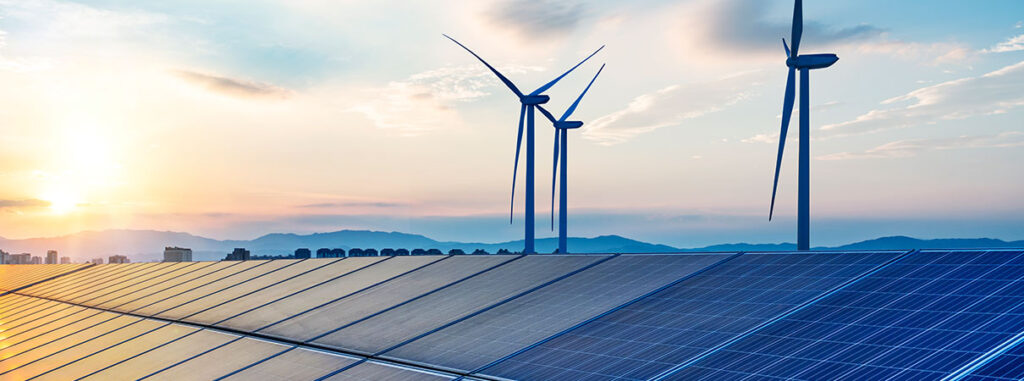
    As we shift to clean energy sources, 2025 is shaping up to be a watershed moment for the power sector. South America’s energy sector is undergoing much transitions as a result of technology improvements, governmental changes, and the quest for sustainability. The region has made strides in renewables, smart grids, and storage technologies. The push for decarbonization, decentralization, and digitalization is fueling investment and innovation. South America offers plenty of renewable energy sources that could help to increase clean energy output. For example, developments in solar PV technology and energy storage are making solar more feasible. This is especially true in nations like Brazil, Chile, and Argentina. There is also a rise in wind and hydroelectric generation. Furthermore, South American governments offer incentives for EV adoption in Argentina, Colombia, and Chile. Armor rods protect and maintain power transmission infrastructure.

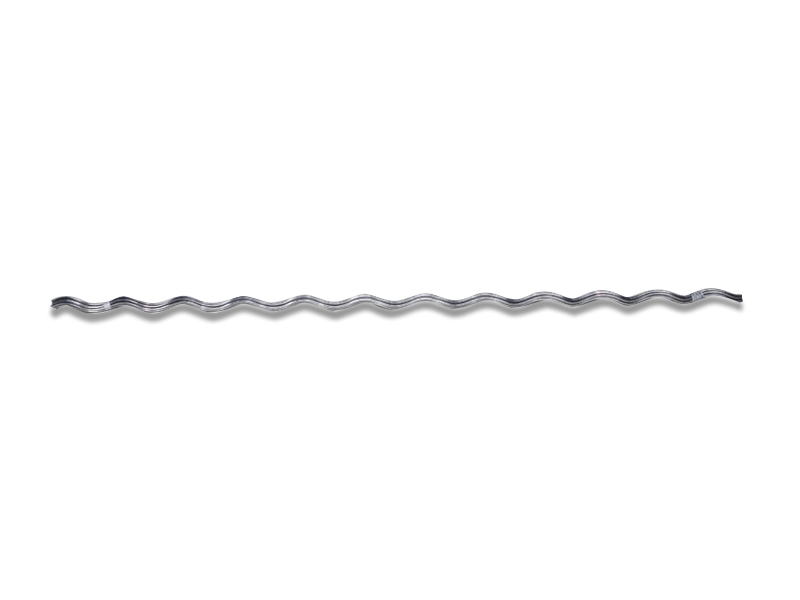
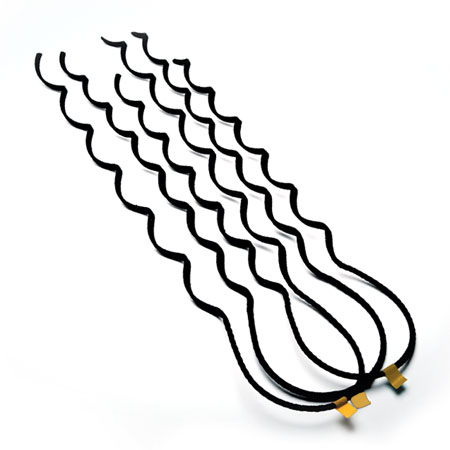
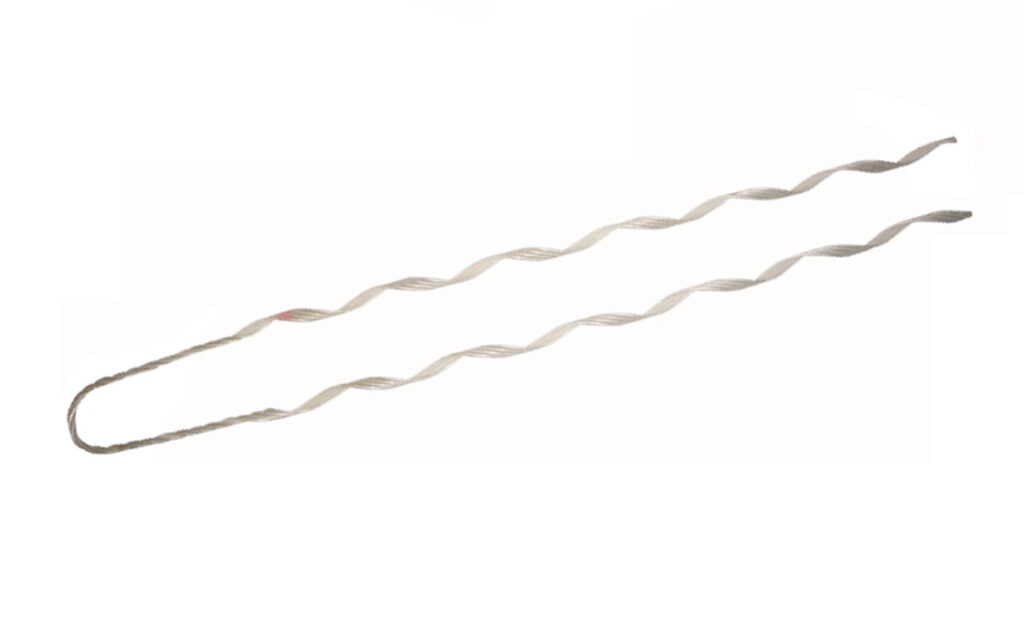
    An armor rod is a helical-shaped protection device used in power transmission and distribution lines to strengthen and protect conductors from mechanical stress. It is constructed of aluminum, steel, or other robust materials. The materials resist abrasion, lengthen the life of conductors, and improve the reliability of high-voltage power transmission systems. Power systems in Brazil, Chile, and Argentina must deal with greater swings caused by wind and solar energy installations. Armor rods safeguard high-voltage transmission cables from mechanical wear caused by dynamic loading situations. The rods also help to reduce conductor fatigue and increase the service life of the large transmission networks. This is consistent with initiatives in South America to improve grid efficiency and lower operational costs.

    The contribution of armor rods in power technology developments in energy transition.

    Armor rods reinforce and protect conductors from mechanical stress, wear, and environmental damage. Armor rods help to ensure the reliability and lifespan of power transmission and distribution systems. South America is modernizing its energy infrastructure to ease renewable energy integration and grid resilience. The usage of an armor rod increases the longevity, dependability, and efficiency of electricity lines in the area. The many functions of armor rods in South American power technology trends are as discussed in the following sections.

    an armor rod protects conductors from mechanical wear
    • Grid resilience – energy transition involves integrating large amounts of variable renewable energy from solar and wind farms. Armor rods reinforce conductors at suspension points and deadends to prevent damage. They extend the lifespan and reduce maintenance costs and downtime.
    • Grid expansion and modernization—this includes connecting renewable energy projects to improve electricity access. Armor rods help ensure the lines can withstand environmental stresses. This is to improve reliability and reduce the need for frequent repairs.
    • Renewable energy integration—renewable energy integration needs upgraded grids to handle increased loads and variable power flows. Armor rods strengthen existing conductors and enable them to carry higher loads.
    • Adapting to environmental challenges—armor rods help protect conductors from extreme temperature fluctuations and mechanical stress caused by wind and ice. They also provide resistance to corrosion caused by saltwater exposure.
    • Decentralized energy systems—the region is increasingly adopting microgrids and distributed generation. Armor rods help ensure the reliability of local distribution networks.

    Power technology developments are impacting South America’s energy transition.

    South America is making progress in its energy transition by implementing a variety of strategies and measures. The region is leveraging its abundant natural resources, technological breakthroughs, and governmental frameworks. The goal is to move to a more sustainable, resilient, and inclusive energy system. Advanced power technologies will define South America’s energy future, making it cleaner, more robust, and inclusive. Here are the technologies driving South America’s energy shift.

    1. Renewable energy growth—renewable energy will dominate South America’s energy transition with solar, wind, and hydropower leading the way. Countries like Chile, Brazil, Argentina, and Uruguay are producing massive energy from sources. These sources include wind, solar, and hydropower.
    2. Energy storage systems—this technology will help address the intermittency and grid stability challenges. This is through technologies such as battery storage, pumped hydro storage, and green hydrogen storage.
    3. Grid modernization—modernizing the grid will be crucial to handle the increasing share of renewables and improve energy efficiency. These technologies include smart grid technologies, digitalization, and cross-border interconnections.
    4. Decentralization and distributed energy resources—the shift toward decentralized energy systems will speed up with falling costs of solar panels and smart technologies.
    5. Transport electrification—Chile and Colombia will lead in electric bus fleets, while Brazil and Argentina might see growth in electric cars. This will also increase investments in EV charging networks.