Category: Blog

  • Cutout Fuse Impact on Brazil Wind Park Development

    Wind power enhances energy sustainability in Brazil

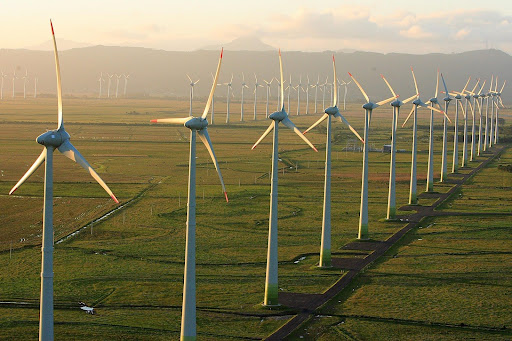
    Darby International Capital has launched the Kairos Wind Park in Brazil, which will enable energy sustainability. The wind park has a total capacity of 112.5 MW, generated by 25 wind turbines. This energy is enough to supply the city. All the turbines were built in Aquiraz, bolstering the local economy and establishing the region as a hub for wind power equipment production. The wind park helps Brazil achieve its renewable energy targets, economic growth, and environmental sustainability. The project takes advantage of Brazil’s tremendous wind resources to help the country transition to a more robust energy grid. The wind park also enhances Brazil’s installed wind energy capacity, helping to meet the country’s goal of growing renewable energy sources. This also supports Brazil’s commitment to the Paris Agreement and targets for reducing greenhouse gas emissions. A cutout fuse protects wind farms electrical infrastructure.

    Wind farms in Brazil need a reliable distribution network to transport electricity from turbines to substations. Transformers and overhead distribution lines are protected by cutout fuses, which isolate damaged parts. It assures safe operation, reduces equipment damage, and minimizes downtime in the event of an electrical malfunction. Cutout fuses assist keep the grid stable by disconnecting only the afflicted segment during a failure. This is critical in remote wind farms where timely repairs are difficult. Also, the fuses safeguard wind turbines and other electrical equipment from lightning-induced surges. Cutout fuses protect transformers, ensure grid dependability, and avoid lightning damage in Brazil’s wind farms.

    The significance of a cutout fuse in Brazil’s wind park construction

    A cutout fuse is a critical component in electrical systems, such as those employed in Brazil’s Kairos Wind Park. The fuse is a protective device that ensures the electrical infrastructure’s safety, dependability, and efficiency. They protect important equipment, improve grid stability, and help to integrate wind energy into the national system. They are affordable, long-lasting, and simple to maintain. Here’s why a cutout fuse is so important in Brazilian wind park development.
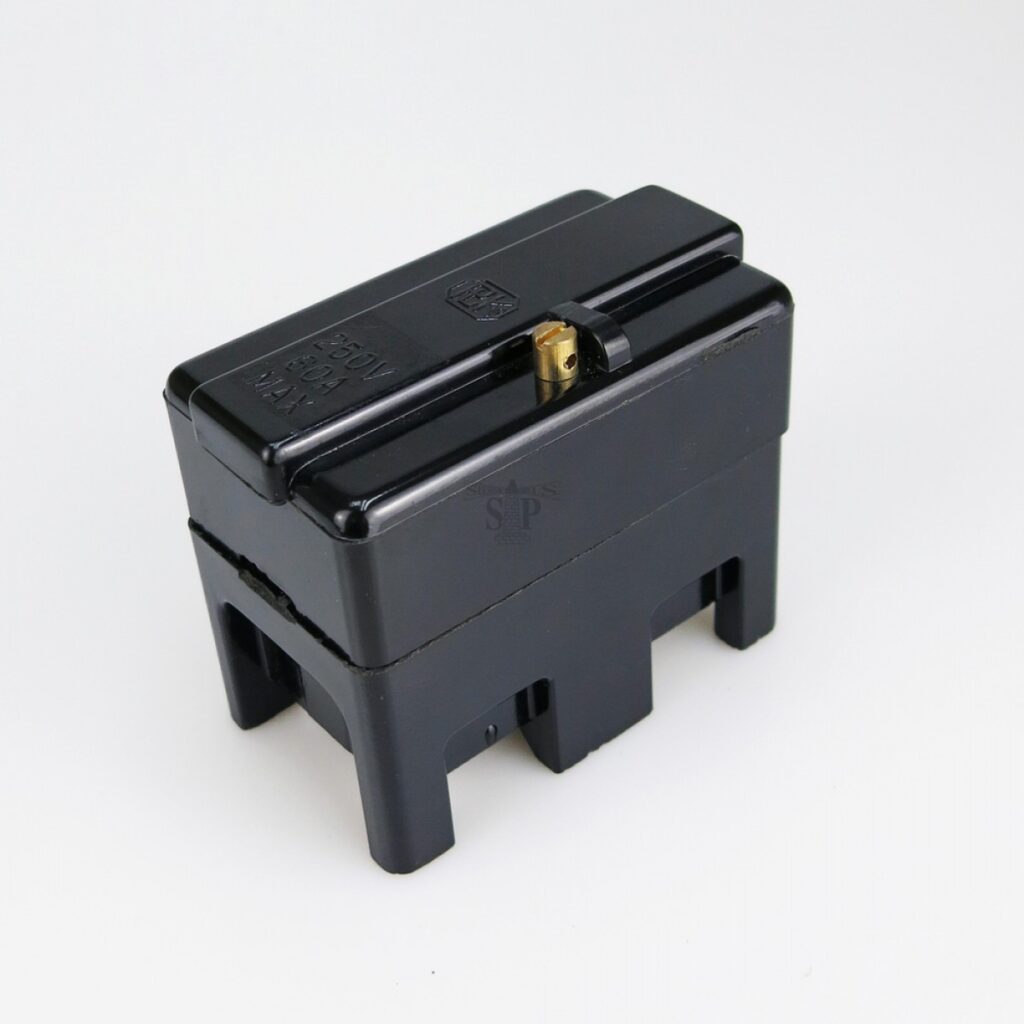
    A cutout fuse protects the electrical systems from overvoltages
    • Overcurrent protection—a cutout fuse is able to interrupt electrical circuits in the event of overcurrent. This prevents damage to transformers, cables, and other equipment in the wind park.
    • Transformer protection—cutout fuses are installed on the primary side of distribution transformers to protect them from overcurrent. This ensures the continuous operation of the wind park and prevents disruptions in power generation.
    • Grid stability and reliability—a cutout fuse helps maintain grid stability by isolating faults and preventing them from spreading to other parts of the electrical network.
    • Ease of maintenance and replacement—cutout fuses are simple to replace when they blow due to a fault. This reduces downtime and maintenance costs for the wind farms.
    • Renewable energy integration—integrating renewable energy into the grid—needs robust electrical protection systems. The cutout fuse plays a crucial role in ensuring the smooth integration of wind-generated electricity.
    • Reducing environmental impact—a cutout fuse helps reduce the environmental impact of wind park operations. This aligns with Brazil’s commitment to sustainable development and reducing the environmental footprint of its energy sector.

    Challenges encountered during the Kairos Wind Park development

    Darby International Capital’s building of the Kairos wind farm in Brazil may have encountered some problems. The problems may be financial, technical, regulatory, environmental, or social in nature. Overcoming these obstacles may have necessitated meticulous preparation, community engagement, and creative solutions. The following are some of the probable issues that may arise during the establishment of the wind park in Brazil.
    1. Permitting hurdles—obtaining the necessary permits and approvals from government agencies can be complex in Brazil. Working closely with local authorities and engaging legal authorities could help navigate the permitting process.
    2. Grid connection and infrastructure limitations—integrating a large-scale wind park into Brazil’s existing grid infrastructure can be challenging. Grid connection delays can hinder the project’s ability to deliver electricity to consumers.
    3. Climate and weather risks—Brazil faces extreme weather events like heavy rains and strong winds. These can disrupt the construction and operation of the wind farms.
    4. Supply chain—sourcing and transporting wind turbines, blades, and other equipment can be challenging. This can delay construction and increase costs.
    5. Operational and maintenance challenges—maintaining wind turbines in remote locations can be challenging and costly. High maintenance and operational costs can affect the project’s profitability.
  • Guy Deadends & Tech Easing Solar Line Upgrades

    Transmission lines upgrading for solar power  integration

    Colombia is increasing its solar energy capacity as part of a bigger drive toward renewable energy. The nation’s growing renewable share demands the installation of upgraded transmission lines to integrate solar electricity. Upgrading transmission lines will help to ensure efficient energy distribution, reduce losses, and integrate more renewable energy into the power system. Upgrading transmission lines would also help the country’s solar energy sector reach its full potential. This will assist the nation in improving energy reliability, lowering prices, and meeting its renewable energy ambitions. Colombia is investing in high-voltage transmission lines to connect its projects to the national grid. The transmission lines will also provide cross-border transmission links with Ecuador and Venezuela, improving grid dependability. Putting in place digital monitoring and automation in transmission networks can enhance efficiency. Guy deadends provide mechanical support and prevent excessive movement of transmission lines.

    Most of Colombia’s new solar projects are in rural areas with difficult terrain, such as La Guajira and Cesar. Guy deadends help to stabilize poles and towers, preventing them from tilting or collapsing owing to uneven ground conditions. High-quality guy deadends disperse mechanical stress and lessen the likelihood of structural failure. Proper placement of guy deadends lowers wear and tear on poles and towers, extending their life. This decreases the need for routine maintenance and lowers operating expenses for transmission providers. Colombia is developing high-voltage transmission upgrades to connect large-scale solar plants to the national grid. Colombia is well positioned to increase its renewable energy capacity and meet its energy transition targets.

    The role of guy deadends in Colombia’s transmission line upgrades

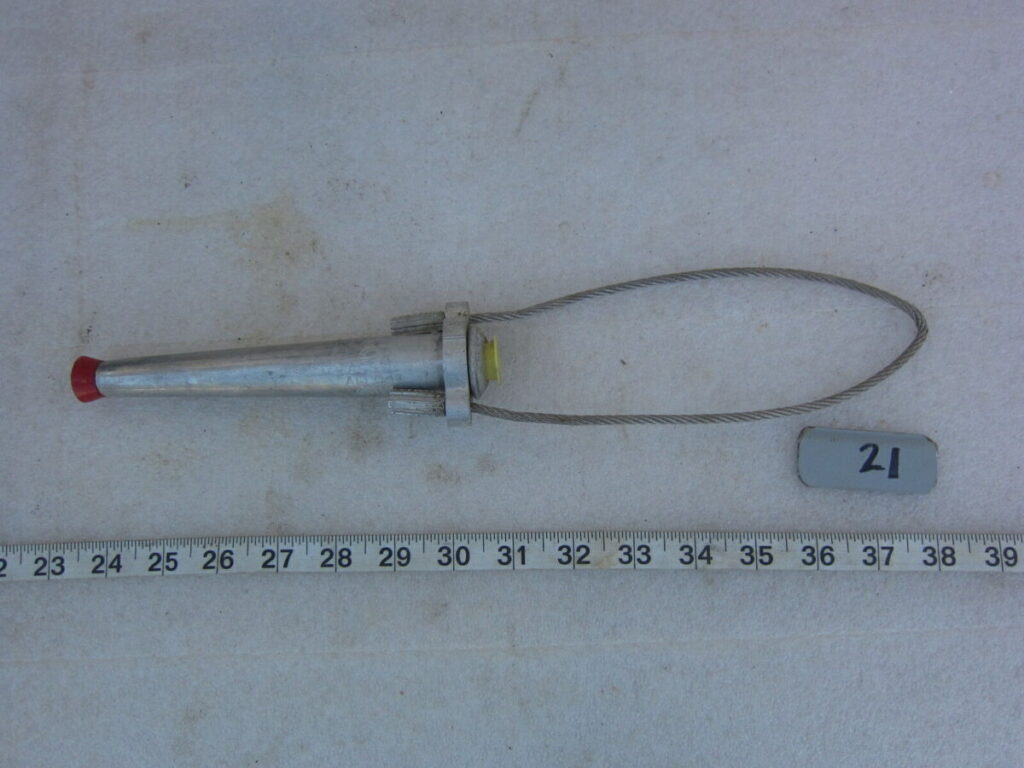
    A guy deadend is a structural component that stabilizes and supports transmission line structures. Colombia plans to modernize its transmission lines to include more renewable energy sources such as solar and wind. This requires the deployment of guy deadends to assure the grid’s reliability and safety. A guy deadend can help link renewable energy facilities to the grid, fortify the system, and improve line stability. The following are some common uses for guy dead ends in transmission line modifications.

    Guy deadend connects renewable energy facilities to the grid
    • Anchoring and stability—a guy deadends, anchors, and stabilizes transmission line structures at points where the line changes direction. It consists of guy wires anchored to the ground and attached to the structure. This provides lateral support to counter the tension forces exerted by conductors.
    • Handling mechanical loads—transmission lines face mechanical loads due to the weight of the conductors, wind forces, and temperature changes. Guy deadends distribute the loads and prevent the structure from leaning.
    • Supporting line terminations—guy dead ends absorb the forces and prevent the structure from being pulled over. This is crucial in Colombia’s grid upgrades, where the new solar plants may need new transmission lines.
    • Grid expansion—integration of more renewable energy into its grid in Colombia needs new transmission lines to connect the solar energy to the grid. Guy deadends secure the structures and ensure the lines can handle the increased capacity and load.
    • Safety and reliability—guy dead ends enhance the safety and reliability of the transmission network. and reduce the risk of structural failures leading to power outages.

    Technologies that could ease transmission line upgrades in Colombia

    Colombia has implemented a variety of innovative technologies and tactics to enhance its transmission lines. These devices help to accommodate the fluctuating nature of solar energy while boosting grid reliability. The technologies have the potential to assure a reliable, efficient, and sustainable energy system. This is critical as the country moves toward a cleaner energy future. The technology discussed below could make it easier to upgrade transmission lines in Colombia.

    1. Grid-forming inverters—these enable solar power systems to provide grid stability and support. They can enable the integration of large-scale plants into the grid.
    2. High-voltage direct current (HVDC) transmission—this serves in long-distance power transmission with minimal losses. These transmissions enable lower energy losses compared to alternating current (AC).
    3. Flexible alternating current transmission systems (FACTS)—these systems enhance grid stability and control voltage fluctuations. It increases grid flexibility and reliability when integrating variable renewable energy sources.
    4. Grid monitoring and control systems—real-time monitoring and control systems optimize grid performance. These include supervisory control and data acquisition (SCADA) and phasor measurement units (PMUs).
    5. Energy storage systems (ESS)—these systems store excess solar energy during peak generation periods and release it during low production. In Colombia, energy storage can balance the grid and provide backup power.
  • Socket Clevis Role in Ecuador’s Solar Power Potential

    Large-scale solar power plant

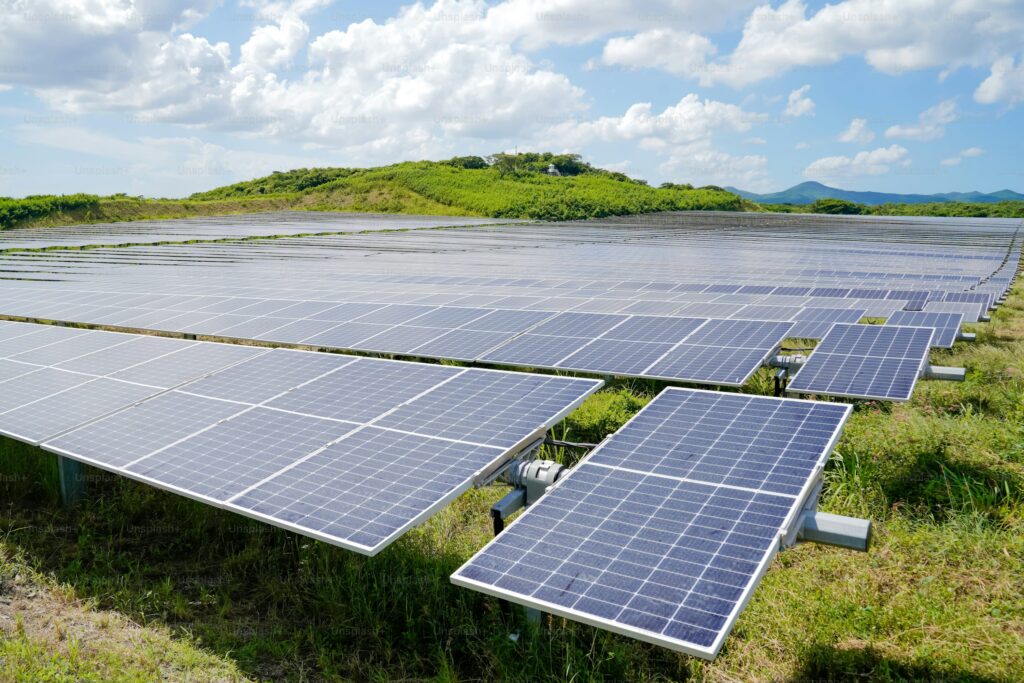
    Given its significant solar energy potential, Loja, Ecuador, has begun the process of developing a 200 MW solar plant. Because of its excellent climate, the location receives a lot of sunlight. Other minor projects try to bring electricity to isolated areas that are not connected to the national grid. Loja’s solar energy development helps to reduce greenhouse gas emissions, which is consistent with the Paris Agreement’s commitments. The building and operation of solar installations generates local job opportunities. It also minimizes reliance on imported fossil fuels, so improving energy security. The adoption of sophisticated solar technology, such as efficient photovoltaic panels and energy storage devices, increases the feasibility and impact of solar farms. A socket clevis serves in the construction and installation of solar power plants.

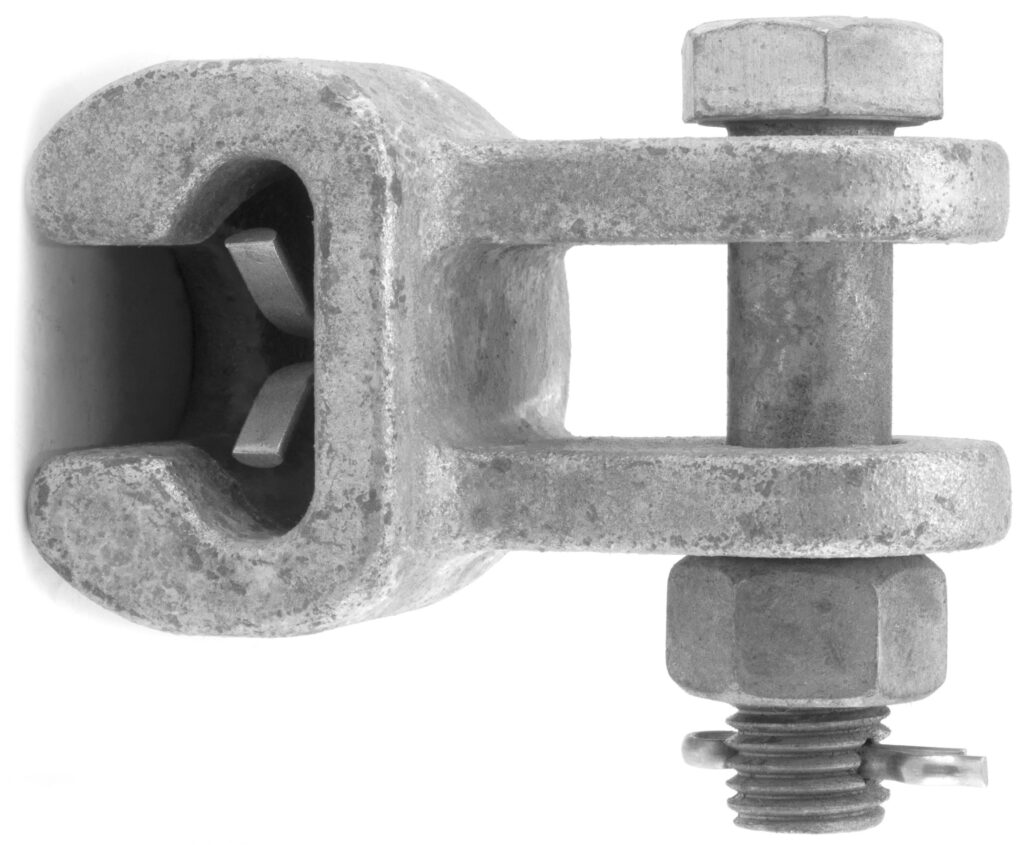
    A high-performance socket clevis secures the solar panels to the racking system. It is part of the mechanical construction that keeps the panels stable and at the proper angle for capturing sunlight. The clevis uses bolts and pins to connect various components of the frame that support the solar panels. This guarantees a strong connection between the panels and the supporting structure. Ecuador’s expanding emphasis on renewable energy and solar power relies on construction materials that are both efficient and long-lasting. Using socket clevises simplifies installation and enables for the connecting of the racking system. A socket clevis is a structural component that contributes to the success and stability of solar energy infrastructure.

    Potential for solar power in Ecuador’s energy sector

    Solar power development helps Ecuador achieve sustainable energy development, energy security, and climate change mitigation. The country has the potential to become a regional leader in the solar energy sector. This is due to abundant solar resources, favorable regulations, and increasing energy demand. Solar energy can benefit the energy sector, the economy, and the environment. The following represents Ecuador’s potential for solar power development.

    1. High solar radiation levels—Ecuador has high levels of solar radiation throughout the year being along the equator. This makes it ideal for solar energy generation in South America.
    2. Growing energy demand—Increased population growth, urbanization, and economic development lead to increased energy demand. Solar power can help meet this demand sustainably in areas with challenging grid expansion.
    3. Government support and policies—the government has put in place policies to promote renewable energy, including solar power. Incentives such as tax exemptions, subsidies, and favorable regulations help attract foreign investment in solar energy projects.
    4. International commitments—the development of solar plants helps reduce greenhouse gas emissions. It also increases the share of solar power in the energy mix to meet climate commitments.
    5. Technological advancements—advances in solar technology make solar power more cost-effective and reliable. These technologies include energy storage systems, smart grids, and efficient photovoltaic panels.

    Applications of a socket clevis in solar power production in Ecuador

    A socket clevis ensures structural integrity and functionality in solar panel mounting systems. It guarantees that solar panels are securely attached and positioned, allowing for maximum energy capture. The clevises improve the efficiency, longevity, and safety of solar arrays. Socket clevises are critical components in large-scale solar farms, off-grid solar systems, and hybrid systems. The following are the typical functions of a socket clevis in solar plant development in Ecuador.

    A socket clevis ensures proper attachment and positioning of the solar panels
    • Structural support and stability—a socket clevis connects and secures structural components of solar panel mounting systems. The clevises provide a strong and stable connection which ensures solar plants remain in place even under environmental stresses.
    • Flexibility in installations—the socket clevis allows for adjustable connections, which makes it easier to align solar panels at the optimal angle. The adjustable mounting systems ensure that solar panels can be installed efficiently on diverse landscapes.
    • Durability—solar power installations face environmental conditions like high humidity, intense sunlight, and heavy rainfall. A socket clevis ensures long-term durability and minimal maintenance.
    • Load distribution—socket clevises distribute the weight of solar panels and mounting structures across the foundation. Uneven load distribution could lead to structural failures or damage.
    • Safety and reliability—socket clevises ensure solar panels are securely fastened and reduce the risk of accidents caused by loose components. This is crucial for projects in remote or hard-to-access areas in Ecuador.