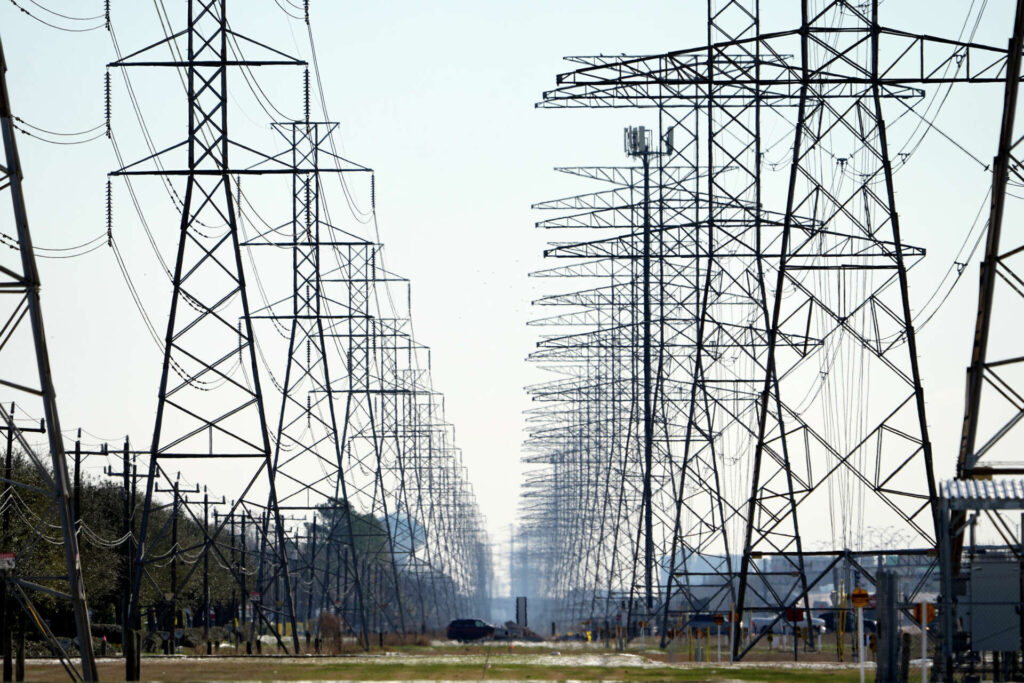
Argentina’s electrical grid might be stabilized by utilizing copious renewable energy sources and large oil and gas reserves. Natural gas, hydroelectric power, nuclear energy, renewables, and oil production are all used to power the infrastructure. Argentina’s grid infrastructure confronts issues such as aging infrastructure, regional disparities in power access, and subsidy pressures on the national budget. The country plans to diversify its energy mix, update and expand the system, attract foreign investment, and achieve energy self-sufficiency while balancing imports. A balanced grid could help to lower energy costs, increase energy security, and minimize dependency on imported fossil fuels. Modernizing the grid infrastructure positions the country as a potential leader in energy exports. It could also help meet climate goals and increase smart technology adoption. Cutout fuses are crucial in overcurrent protection for medium-voltage distribution networks.
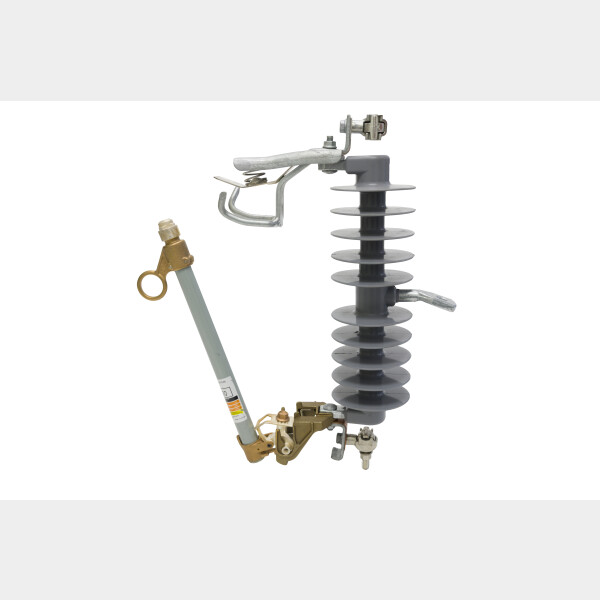
Drop-out fuses safeguard transformers, feeders, and other electrical equipment from overloads and short circuits. During an excessive current flow, the fuse element burns, disconnecting the damaged part and protecting downstream equipment. Cutout fuses work with reclosers and sectionalizers to achieve selective tripping. This isolates the defective segment while the rest of the network remains operational. Drop-out fuses guarantee the dependability and safety of urban and rural power supply elements. They are simple and efficient, which is critical for utilities.
Argentina’s grid infrastructure upgrade uses cutout fuses.
Cutout fuses are critical to the protection and stability of Argentina’s electric grid. A modernized system can handle more renewable energy and fulfill rising demand. Cutout fuses are an important defense device in the energy infrastructure. A cutoff fuse is a fuse combined with a switch that protects transformers and electrical lines from failures. They ensure that Argentina’s electrical grid is resilient, reliable, and safe. Composite cutoff fuses with improved insulation and lifespan are being deployed continuously. Here are the responsibilities that cutout fuses play in Argentina’s grid modernization.
- Supporting renewable energy expansion—cutout fuses protect the sensitive components of renewable installations. They also allow for safe isolation during maintenance or fault detection. This helps reduce fire hazards in dry, high-wind environments common to wind farms.
- Enabling grid resilience and maintenance—Argentina’s aging infrastructure faces challenges such as voltage fluctuations, lightning strikes, and heavy ice and wind loads. Cutout fuses act as automatic safety mechanisms, disconnecting problematic sections without the need for full shutdowns.
- Protection for rural distribution networks—installing cutout fuses on poles protects distribution transformers and branch circuits. The fuses reduce outage durations and help maintain grid stability in areas with limited maintenance access.
- Integration with smart grid technologies—modern cutout fuses have sensing and communication capabilities. This allows utilities to detect faults, analyze grid performance, and reduce the need for manual inspections.
Advantages of Modernizing Argentina’s Grid Infrastructure
Modernizing and improving Argentina’s grid infrastructure is critical to economic growth, energy security, and sustainability. The development of renewable energy is critical to Argentina’s status as a regional energy hub. It is also an important step in ensuring a robust, inclusive, and sustainable energy future. The following are the advantages of updating Argentina’s grid infrastructure.
- Seamless integration of renewable energy—the abundant natural resources in Argentina need a flexible, smart grid to balance variable generation. Modern infrastructure allows for real-time change to intermittent supply and decentralized power sources like rooftop solar.
- Enhanced energy efficiency and lower losses—a modernized grid can reduce technical losses through smart metering, optimize power flow, and detect theft. This means more energy reaches end-users by lowering costs.
- Improved reliability and fewer outages—an upgraded grid reduces blackouts and voltage drops during peak demand. Utilities can detect faults faster, isolate problem areas, and restore power more efficiently. This is with the use of advanced sensors, automation, and real-time monitoring.
- Economic growth and job creation—grid modernization creates job opportunities in electrical engineering, construction and infrastructure, and software for grid automation. It attracts foreign direct investment in sectors like renewables, electric vehicles, and energy storage.
- Energy security—new grid infrastructure enhances national security by reducing dependence on energy imports. This allows for greater control over energy flows and supports emergency power management.
- Enabling a smart energy future—digital tech like AI, blockchain, and IoT determine how electricity is generated, stored, and consumed. It enables real-time pricing models and integration of battery storage and EVs.