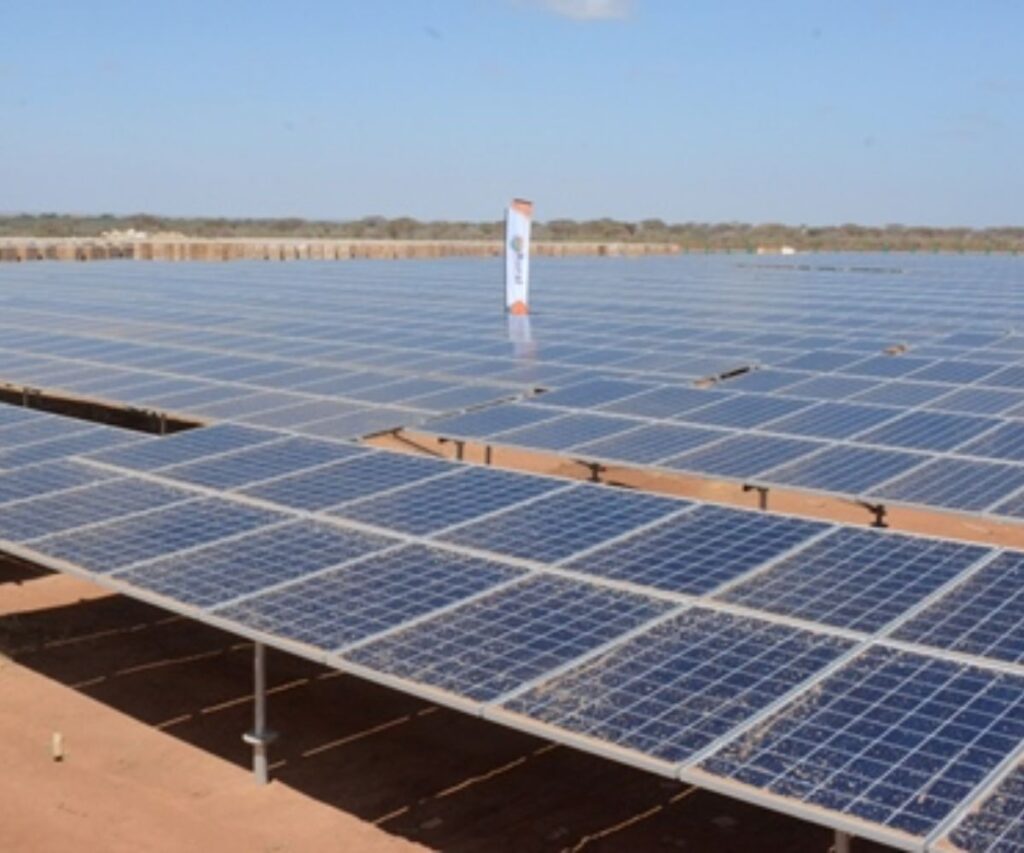
Genneia, an Argentina-based renewable energy firm, announced the start-up of 140 MW at the San Rafael solar power facility. It also plans a 180 MW connection to the national grid. Approximately 400,000 solar panels have been placed across 500 hectares in San Rafael. It also has a USD 180 million investment in the project, which brings Genneia’s total renewable assets in Mendoza to more than $400 million. The San Rafael facility helps to Argentina’s electricity grid by addressing outdated thermal infrastructure and fuel supply constraints. The expanded capacity minimizes reliance on foreign fuels for electricity generation and helps to protect the grid from supply shocks during peak demand. The San Rafael solar facility helps to promote grid diversity by regulating grid frequency and voltage levels. This is crucial when paired with modern inverters and grid-support functions. Disc insulators serve in the high-voltage transmission infrastructure connecting the plant to the grid.
The disc insulator bears the weight of the hefty high-voltage transmission line conductors from the transmission towers. After expanding the solar facility, the switchyard and transmission lines must be upgraded to handle the extra electricity flow. This results in new transmission towers and existing ones requiring extensive strings of disc insulators to suspend the cables. Solar energy shields Argentina from global fuel markets. This contributes to cheaper electricity rates and more consistent power pricing.
Disc insulators provide a high-resistance route, preventing high-voltage current in the circuit from passing to grounded transmission towers. They ensure that the greater power from the new plant is kept apart from the steel buildings. They help to protect the equipment and avoid ground faults. The set of discs provides a creepage distance, causing any electrical current to travel over the insulating surfaces.
Functions of disc insulators in solar plant expansion infrastructure
Disc insulators guarantee stability, grid compatibility, and long-term asset performance. They are critical components for utility-scale solar installations that connect to medium and high voltage networks. The discs offer consistent power transmission, which improves grid resilience and long-term system performance. Disc insulators convert large-scale solar investments into reliable, dispatchable electricity. Here are the primary purposes of the disc insulator in solar plant infrastructure.

- Electrical insulation for grid interconnection—disc insulators serve in overhead transmission and sub-transmission lines that evacuate power from large solar plants to substations. The insulators isolate live conductors from towers and crossarms to prevent flashovers.
- Support for high-voltage power evacuation—disc insulators in suspension or tension strings withstand elevated electrical stresses while maintaining mechanical strength. This is crucial for transmitting large volumes of solar power from remote and high-irradiance regions.
- Mechanical load management—disc insulators carry mechanical loads and support conductor weight, tension, and dynamic forces. The insulators help maintain line geometry and stability to contribute to transmission reliability.
- Grid stability and operational reliability—disc insulators reduce the risk of outages caused by electrical faults, flashovers, and mechanical failure. They support voltage stability and reduce the forced decrease of renewable generation.
Economic and industrial implications of solar capacity increase in Argentina
Solar capacity increase has economic and industrial implications in Argentina that go beyond energy generation. Solar energy is an important driver of investment, industrial competitiveness, and long-term economic stability. These impacts include:
- Capital investment and economic growth—large-scale solar projects attract domestic and foreign investments. The capital inflows stimulate regional economies through construction activity, engineering services, logistics, and supporting infrastructure.
- Enabling industrial decarbonization—solar capacity expansion supports industries aiming to decarbonize operations and follow international environmental standards. This is crucial for export-oriented sectors facing carbon disclosure needs and sustainability-linked financing conditions.
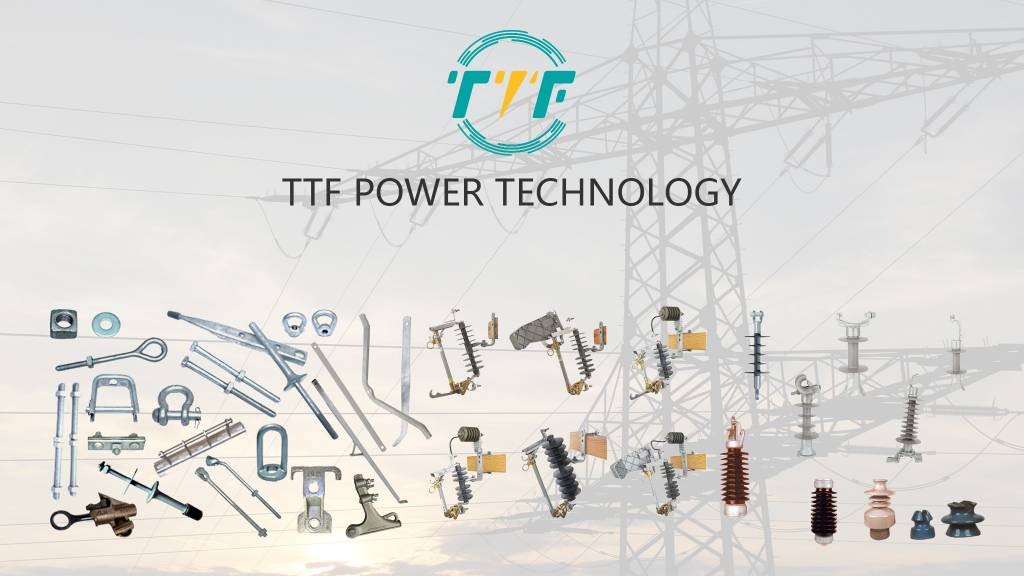
- Regional development and infrastructure modernization—solar projects lead to the development of new transmission lines, substations, and access roads. The infrastructure upgrades improve connectivity, attract investments, and promote balanced regional development. These upgrades rely on robust components such as disc insulators to protect the solar infrastructure and equipment.
- Reduced energy costs for industry—solar power’s low marginal costs help stabilize electricity prices for energy-intensive sectors. Key sectors include mining, agriculture, food processing, and manufacturing. Access to priced renewable power improves industrial planning, enhances export competitiveness, and reduces exposure to fuel price volatility.