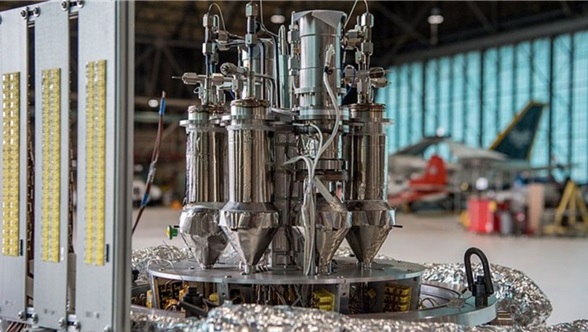
Peru is working on nuclear power development to lessen reliance on hydropower and natural gas while improving grid reliability. To ease the shift, the country is focused on policy, institutional capability, and modular technology. The move ensures baseload reliability regardless of weather conditions, energy security through fuel diversity, and low-carbon generation in line with climate obligations. To achieve success, Peru must upgrade its electrical infrastructure through the expansion of transmission networks, the reinforcement of grid stability systems, and the development of substations and distribution systems. This will enhance high-reliability interconnections for safety-related power systems. These connections rely on fiberglass secondary connectors.
Fiberglass secondary connectors provide electrical isolation and physical protection in conditions where normal materials would fail. They enable components in the nuclear facility to operate at constant high temperatures. Fiberglass secondary connections are suited for use in high temperature environments. The insulation enables them to be employed in reactor containment rooms and other high-temperature zones. Because there is no existing nuclear infrastructure, Peru is prioritizing small modular reactors (SMRs) as an entry point. SMRs offer faster construction timetables, modular deployment, and lower capital costs than big reactors. SMRs also correspond to Peru’s terrain, where energy consumption is spread over coastal, highland, and jungle areas.
Quality assurance of fiberglass secondary connectors used in nuclear facilities
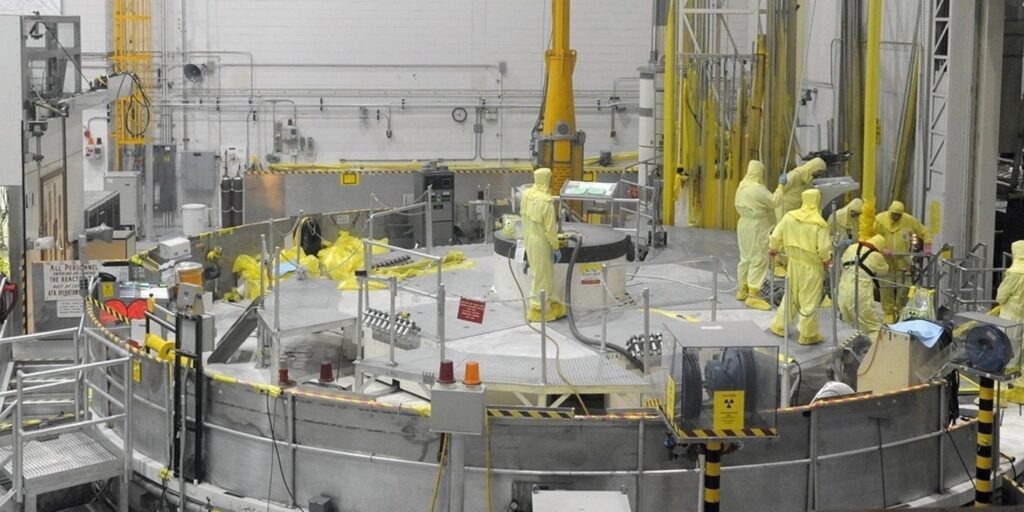
High-reliability engineering, nuclear-grade compliance, and traceability all contribute to fiberglass secondary connection quality assurance. The connectors must keep electrical insulation, mechanical integrity, and environmental resilience in a variety of situations. This is essential for usage in secondary distribution circuits, control wiring, and auxiliary systems. The QA program must be consistent with nuclear qualification frameworks to guarantee that the connectors function properly under regular service conditions, design-basis events, and post-accident conditions. Fiberglass connections need strict raw material verification, which includes fiber-resin bonding integrity, void content and porosity control, and moisture absorption restrictions. During production, quality assurance focuses on uniformity and defect prevention. This is accomplished by validating cure cycles, checking dimensional tolerances, and inspecting the surface polish. The fiberglass secondary connector undergoes electrical and mechanical testing, environmental and radiation qualification, fire retardancy performance, and installation quality control. This ensures dielectric performance, mechanical reliability, and resistance to radiation and fire.
The functions of fiberglass secondary connectors in nuclear power reactors
Fiberglass secondary connectors are used in nuclear power reactors to connect secondary distribution, control, and auxiliary electrical systems. They provide connectivity, electrical insulation, environmental resistance, and system safety. Fiberglass secondary connectors ensure that control and auxiliary circuits continue to operate even under extreme nuclear conditions. Connectors play the following tasks in nuclear plants.
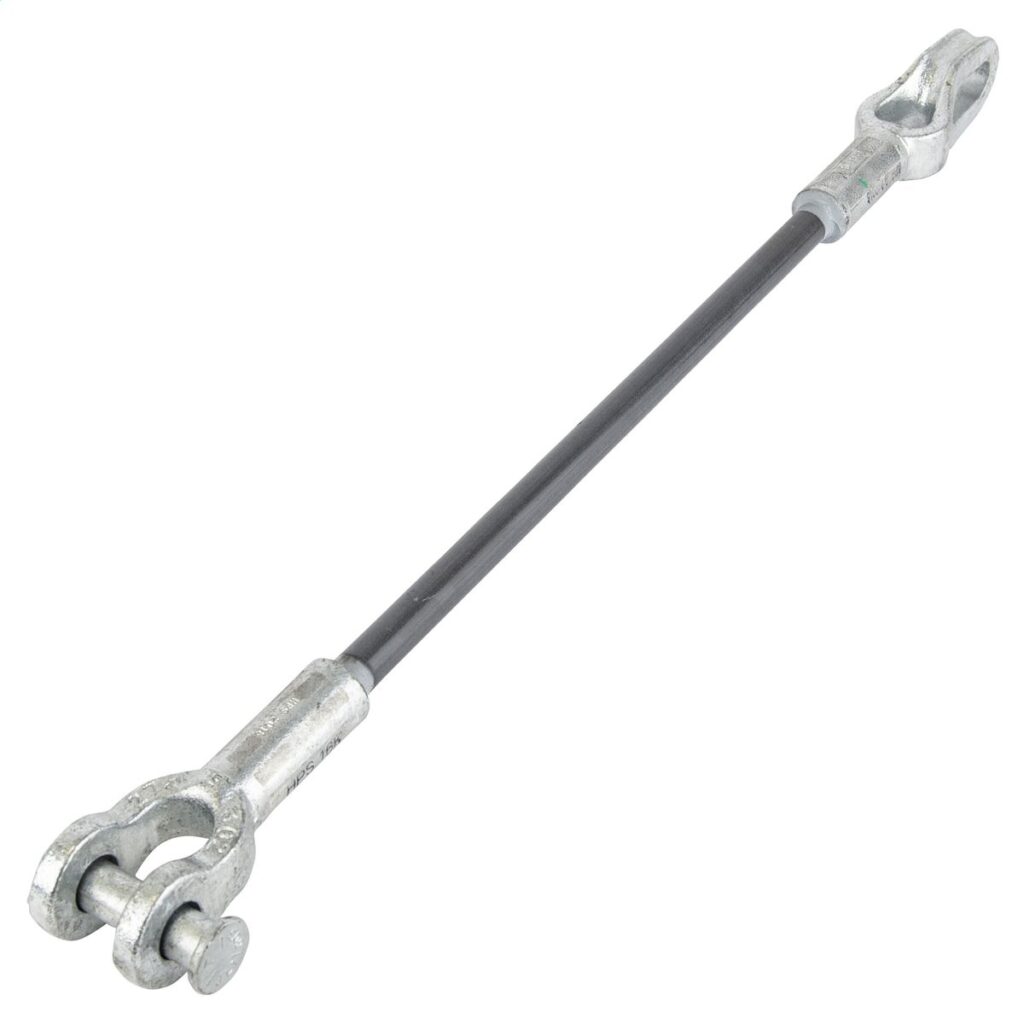
- Electrical insulation and signal integrity—the fiberglass secondary connectors provide electrical insulation between conductors and grounded structures. They prevent leakage currents and short circuits in control and instrumentation circuits.
- Secure electrical interconnection—the connectors ensure stable and continuous connections in the nuclear facility. They link secondary circuits such as relays, sensors, and control panels. They also reduce the risk of intermittent faults in critical systems.
- Mechanical strength and structural support—fiberglass secondary connectors provide mechanical safety. They prevent compressive stresses from cable loads, resist deformation under installation forces, and maintain alignment in electrical panels.
- Fire safety and flame resistance—fiberglass connectors have non-conductive and flame-resistant properties, low smoke and toxic gas emissions characteristics, and follow nuclear fire protection requirements.
Key obstacles to nuclear power development in Peru
The development of nuclear power in Peru has some problems, including economic, regulatory, technical, environmental, and social factors. These challenges explain why Peru is still in the pre-nuclear deployment stage, despite diversifying its energy mix. These barriers include:
- Lack of nuclear power program—nuclear activity is limited to research reactors and non-power applications. This delays investments, planning, and infrastructure development.
- High capital and financing constraints—nuclear power projects are capital-intensive projects. The development needs high upfront costs for plant construction, has financial risks, and has limited access to financing due to underdeveloped energy frameworks.
- Competition with renewable energy expansion—renewable energy sources overshadow nuclear development in Peru. This is because solar and wind projects have shorter timelines, lower upfront costs, and investor preference for renewables.
- Limited technical and industrial capacity—Peru lacks the domestic industrial ecosystem needed for nuclear deployment.