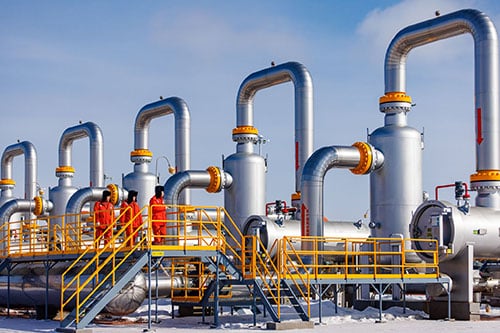
Recently, a gas pipeline in Peru collapsed, exposing a structural risk in the country’s gas-to-power value chain. The 730-kilometer duct transmits Camisea gas and natural gas liquids from the Amazon to Lima on the shore. This highlights the risks associated with reliance on the transportation infrastructure and strengthens arguments for new pipelines and the establishment of a regasification import project. The rupture emphasizes the importance of parallel pipelines, LNG import ports, and gas storage facilities. This increases the need to support solar and wind deployment, hybrid systems with battery storage, and decentralized generation models. It helps to lessen reliance on centralized gas transportation infrastructure. Supporting renewable energy creates a change in how the gas industry operates, invests, and manages risk. Increased renewable penetration needs turbine retrofits for capability and enhanced dispatch algorithms for hybrid systems. Using a clevis bracket in the infrastructure offers structural support, load transfer, and controlled movement.
The clevis is critical for preventing problems when combining gas pipes with renewable energy infrastructure. Clevis brackets suspend and support pipes, preventing sagging and excessive movement due to vibration. They ensure the pipeline’s integrity as it connects to new facilities. Forged clevises serve as wire rope termination devices. They move tensile pressures from support structures to ground anchors. They are critical for stabilizing infrastructure such as pipeline suspension bridges and guyed masts in renewable power lines. Clevis joints provide articulation and movement in coupled systems. This is critical for controlling pipeline expansion and contraction owing to temperature fluctuations. They also offer tie-down points to secure vertical assets and other tall equipment. The clevises assist brace the buildings against seismic activity and dynamic forces.
Quality verification of the clevis bracket used in pipeline and renewable infrastructure integration.
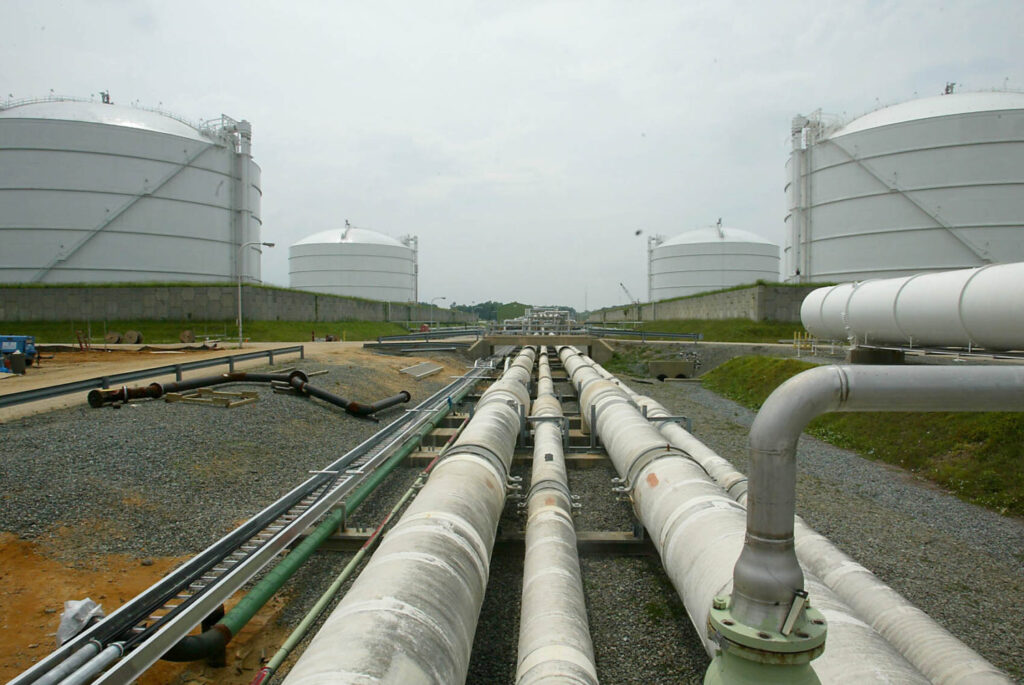
The clevis bracket meets stringent reliability requirements in a dynamic and risk-sensitive system. Quality assurance begins with mill tests, chemical composition analysis, and mechanical property testing to confirm material specifications. The clevis is forged with integrity during the production process to avoid internal voids, inclusions, or segregation. It also considers machining accuracy and welding quality. Other tests include corrosion control, mechanical and load testing, dimensional inspection, and documentation. Brackets that are resistant to fatigue and durability are required for integrating gas pipes and renewable energy sources. Energy systems include gas pipelines, solar and wind farms, and battery storage systems. Modern quality assurance supports integration of inspection data into digital asset management systems and use of sensors for stress and vibration monitoring.
Clevis brackets roles in integrating gas pipelines with Peru’s renewable infrastructure
Using clevis brackets in gas pipeline integration with renewables increases flexibility, robustness, and mechanical integrity under changing operating conditions. They maintain structural integrity, tolerate dynamic working circumstances, and enable adaptation. Clevis brackets help to shift to a more flexible, adaptable, and resilient energy system. The following are the duties of clevis brackets in Peru’s gas pipeline integration with renewables.
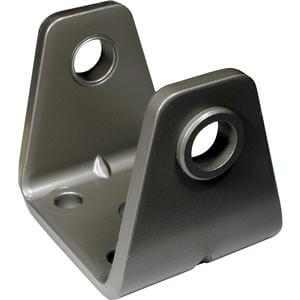
- Load transfer and support—clevis brackets connect pipelines to support structures and transfer tensile, shear, and dynamic loads safely. They ensure the pipelines remain supported even under elevation changes and soil instability.
- Thermal expansion and contraction—the clevis enables controlled movement at connection points and reduces stress concentrations along the pipeline. They help absorb expansions and contractions without inducing structural fatigue.
- Vibration and dynamic load management—the brackets dampen vibration transfer to structural supports and stabilize pipeline alignment under dynamic conditions.
- Alignment and positional stability—pipeline alignment maintains flow efficiency, prevents localized stress points, and ensures integrity of joints. Clevis brackets keep pipeline sections oriented and prevent sagging or lateral displacement.
Infrastructure used to link gas pipelines with renewable energy infrastructure
This integration in Peru requires a layered, hybrid system architecture that stresses resilience, redundancy, and longevity. Key infrastructure includes
- Core gas transport and reinforcement infrastructure—this includes high-pressure transmission pipelines and compressor and metering stations.
- Gas-fired power plants—this includes combined cycle gas turbine, open cycle gas turbine plants, and dual-fuel capability.
- Renewable energy infrastructure integration—gas pipelines integrate with solar PV, wind farms, and hybrid power plants. The infrastructure shares grid interconnection points and control systems for coordinated dispatch.
- Battery energy storage systems—these provide short-duration balancing for renewable intermittency and reduce reliance on gas for rapid response.
- Smart grid and digital control infrastructure—this includes supervisory control and data acquisition, advanced energy management systems, and predictive maintenance platforms.