Venezuela’s oil output has declined in recent years, contributing to lower carbon emissions in the nation. The decrease in carbon emissions results from economic, political, and environmental influences. Venezuela possesses some of the largest oil reserves globally, and the processes of extraction, refining, and flaring emit carbon and methane gases. Moreover, the ongoing utilization of gasoline and diesel vehicles driven by low fuel subsidies and deforestation heightens greenhouse gas emissions. The drop in oil output has greatly lowered carbon emission production. Decreased refining operations lower carbon and sulfur dioxide emissions. A decrease in oil tankers and trucks carrying crude also lowers emissions. The decline in the economic crisis has also reduced industrial operations that lower electricity consumption. This results in a decreased demand for oil-fueled thermoelectric plants. Employing line guards in power line systems offers upkeep and safeguards against harm.
High-quality guards help reduce energy losses during electricity distribution. Less energy waste means power plants done need to generate excess electricity, which reduces carbon emissions. A well-maintained grid prevents blackouts and inefficient backup power use. Venezuela faces frequent power outages that increase use of polluting generators. Line guards ensure efficient transmission of clean energy. It ensures the grid reliability to enable renewable energy integration. Line guards inspect and repair lines to prevent faulty power lines that spark wildfires. They ensure a stable electricity grid that can reduce gas flaring by cutting methane emissions. The use of a line guard helps lower its carbon footprint by reducing energy waste, preventing blackouts, and supporting cleaner energy use.
Line guards reducing carbon emissions in Venezuela
Hardware components like line guards help build efficient, low-emission infrastructure in Venezuela. Line guards protect the reliability and sustainability of transmission infrastructure supporting renewable energy. A line guard is a type of protective hardware used on overhead power lines. It consists of materials like aluminum and galvanized steel. Line guards prevent abrasion damage from conductors, protect conductors from wear and vibration. They reduce the likelihood of line faults due to bird activity. Line guards reduce dependence on carbon-intensive emergency power. Its functions include:
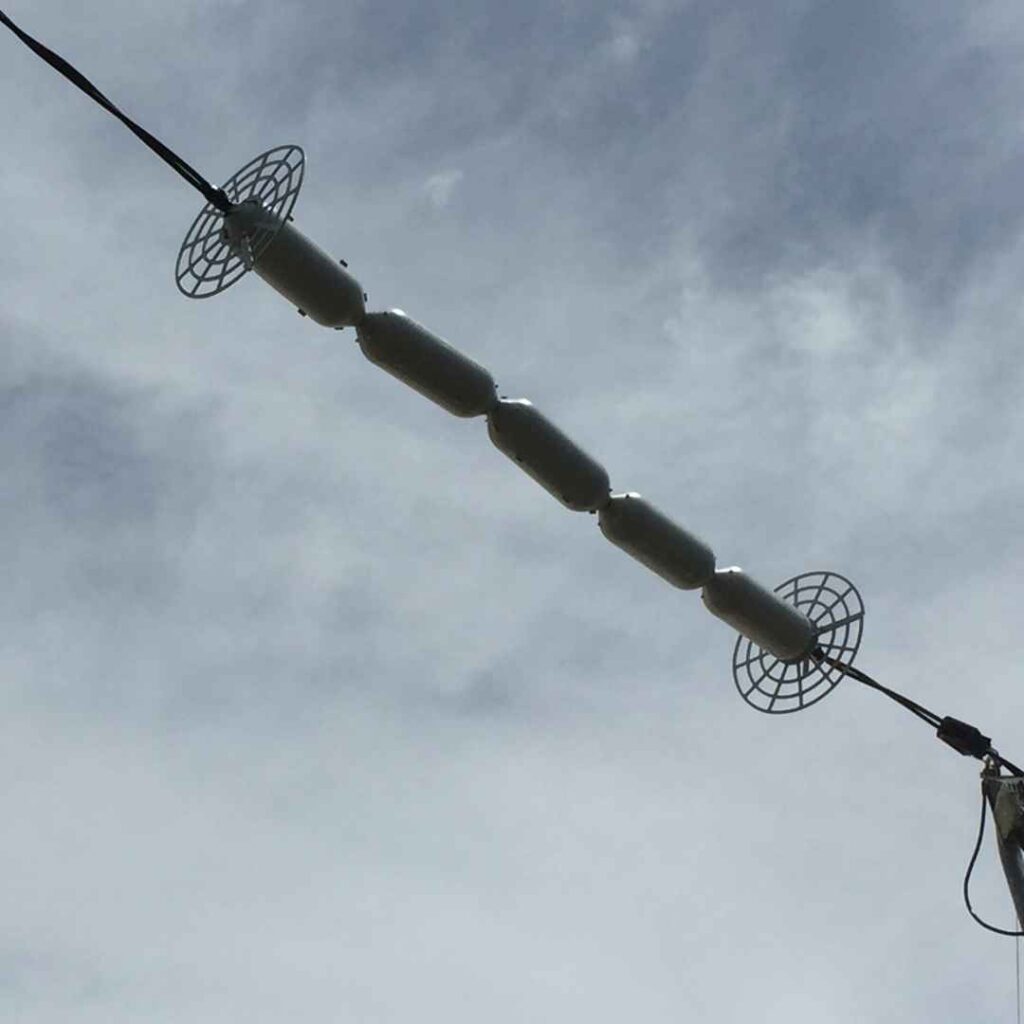
- Protecting renewable energy transmission – Venezuela is integrating solar, wind, and hydroelectric power into the grid. Line guards protect overhead conductors carrying clean energy from the sites to urban centers. They also reduce maintenance needs and ensure uninterrupted clean power delivery.
- Reducing outages and emissions – power outages lead to the use of backup diesel generators. Line guards prevent line faults caused by conductor damage and maintain continuous energy flow.
- Supporting smart grid infrastructure – modern grids aim for low-emission operations using fiber optic cables for real-time monitoring. Line guards shield the cables from mechanical damage. They ensure reliable communication essential for load balancing and energy efficiency.
- Extending infrastructure lifespan – durable infrastructure reduces the need for repairs and replacements. Line guards reduce friction and mechanical stress. By doing so, they extend the life of existing transmission lines and lower the carbon footprint of grid maintenance.
Infrastructure employed to lower carbon emissions in Venezuela
Venezuela must improve its energy infrastructure and reduce carbon emissions. The shift has encountered influences from economic, political, and technological obstacles. Infrastructure advancements aid in decreasing dependence on fossil fuels and enhancing energy efficiency. This is the infrastructure that might lower carbon emissions in Venezuela.
- Hydropower plants and improvements to current facilities – enhancements and upkeep of existing hydroelectric stations focus on boosting generation efficiency while minimizing fossil fuel reliance.
- Solar and wind energy initiatives – the infrastructure utilized comprises photovoltaic panels, wind turbines, and off-grid microgrids in countryside locations. Renewable energy options aid in decreasing reliance on diesel generators.
- Battery energy storage systems – BESS units combine with renewable energy sources to accumulate surplus energy and distribute it during high demand periods. It enables improved load distribution, decreases the need for backup power plants, and prevents outages.
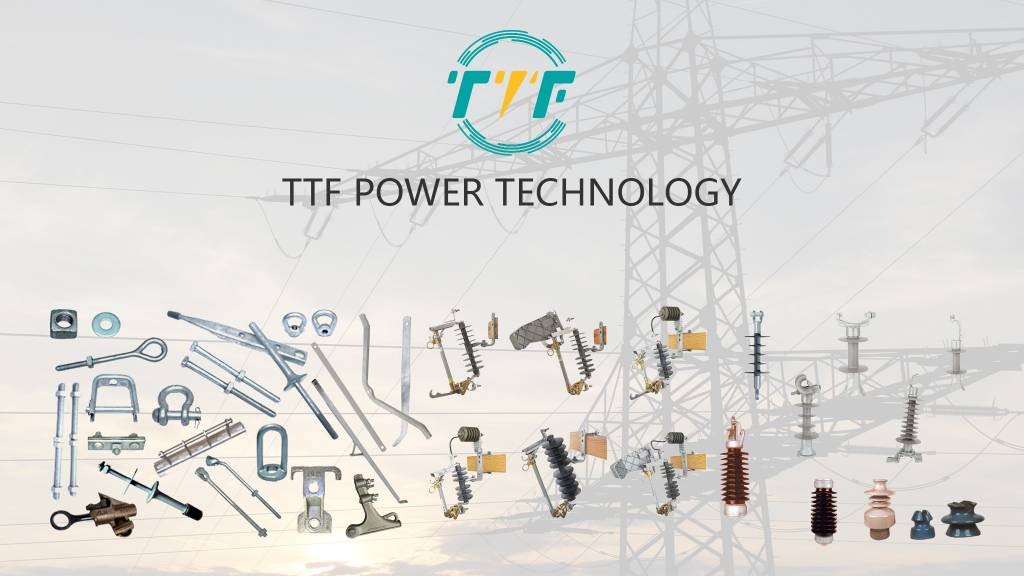
- Modernization of smart grid and transmission lines involves installing automatic voltage regulators, deploying remote monitoring tools, and utilizing line guards, suspension clamps, and insulators to cut energy losses. These improvements enable more effective power distribution while reducing energy waste and emissions.
- Transnational energy infrastructure – enhancing transmission systems guarantees that cleaner energy is transmitted efficiently across borders. This improves regional energy safety and lessens the demand for domestic fossil-fuel production.