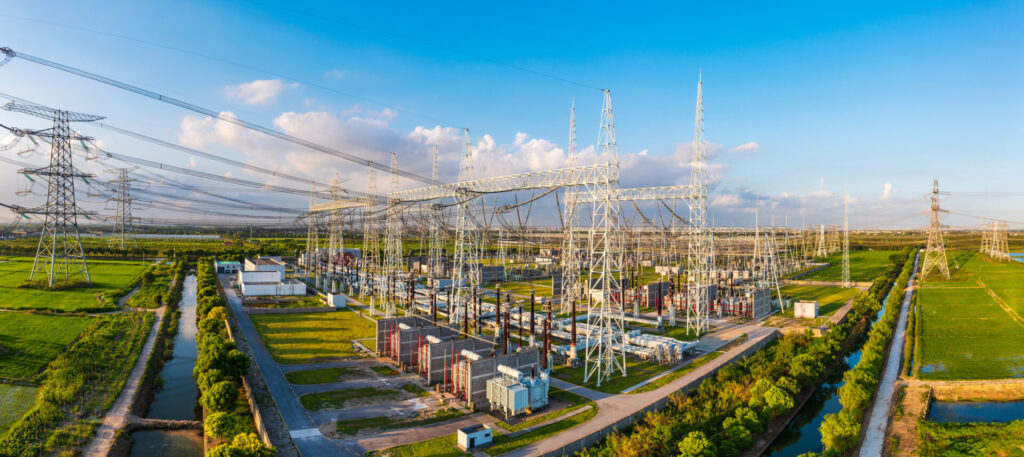
Argentina’s Central Puerto, the top power generator by installed capacity, revealed a financing arrangement with IFC. The International Funding Corporation provides US$ 300 million to set up 150MW of energy storage capacity in the Buenos Aires region. The financing will additionally assist the business unit that holds the concession for the 1.44GW Piedra del Aguilla hydropower facility. This funding will improve the reliability and adaptability of the national power system, ease increased integration of renewable energy, and strengthen energy competitiveness. The investment contributes to stabilizing systems with significant renewable integration and maintaining voltage stability. Central Puerto can address changes in demand, cut congestion risks, and stabilize supply. This involves facilitating enhancements and updates of generation resources. These connections need the use of parallel groove clamps to improve the reliability, safety, and efficiency of the power grid
Parallel groove clamps splice or tap overhead distribution lines without cutting the conductor. This is essential for adding new branches, making repairs, and connecting renewable energy sources. The clamps are from high-quality and corrosion resistant materials that enables them to withstand diverse climates. The use of the parallel groove clamp is crucial for reducing technical losses in modernization.
The modernization includes smaller assets like connecting distributed generation for smaller generation. Modern parallel groove clamps provide a uniform and high-pressure connection over a large surface area. It ensures efficient current flow, reduces hotspots, and contributes to energy savings. The clamps are critical components in connecting residential and commercial solar PV systems to the overhead grid. it also helps link small-scale generators in rural electrification projects. Their reliability prevents faults that could destabilize the grid. Parallel groove clamps are able to withstand thermal cycling and mechanical stress. This prevents loosening and improves grid resilience.
Functions of the parallel groove clamps in upgrades and modernization infrastructure
Parallel groove clamps are components that provide electrical reliability, integration of renewable energy, and resilience the the power grid. They are mechanical connectors designed to join two parallel electrical conductors. They consists of upper and lower grooved plated that cradle each conductor. The clamps tighten together using bolts to create a secure mechanical hold and a low-resistance connection. Here are the functions of the parallel groove clamp in the infrastructure.
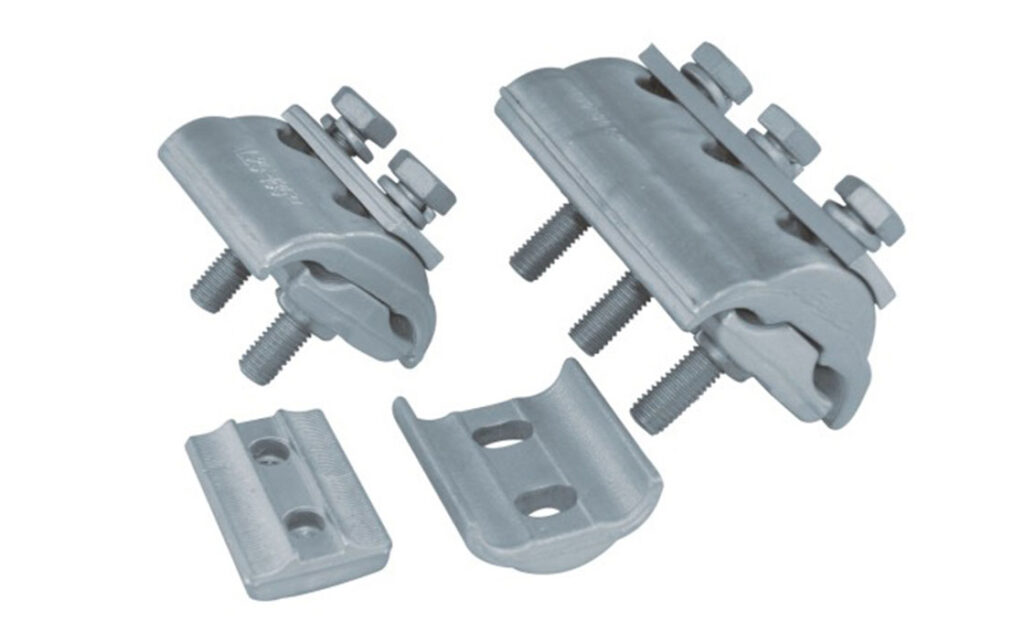
- Reliable electrical connection for power transmission – parallel groove clamps create a stable electrical pathway between conductors. The clamps provide a low resistance electrical interface.
- Renewable energy integration – parallel groove clamps enable flexible and efficient connections between renewable generation sites and trunk transmission circuits.
- Mechanical support – the clamps provide a mechanical grip and stability to conductors under operational stresses. Their quality materials offer long-term performance in Argentina’s diverse climate conditions.
- Branching and tap connections – the parallel groove clamps offer the ability to tap or branch off a main conductor to secondary circuits. This helps speed up the deployment of new connections and reduces downtime during upgrades.
- Enhanced grid flexibility and maintenance efficiency – the clamps enable the flexibility of grid operations due to their ease of installation and removal.
Essential infrastructure aiding Argentina’s enhancement and modernization of energy systems
The IFC’s financing aids in the development of generation, storage, and grid-balancing facilities that enhance reliability, flexibility, and renewable integration throughout the systems. The infrastructure represents a strategy for modernization via hydropower, energy storage, expansion of transmission, and mobilization of private capital. This allows the nation to incorporate renewables and lessen the grid’s susceptibility to disruptions. The main infrastructure consists of:
- Transmission and grid development projects – IFC and Central Puerto have partnered on feasibility assessments for high-voltage transmission lines. The transmission initiatives seek to enhance interconnection capacity with the Argentine interconnection network. These connections need parallel groove clamps for safety and dependability.
- Facilitating renewable integration – the funding corresponds with regulatory changes and policies favorable to renewables in Argentina’s electricity sector. It enables storage and hydropower also to renewable generation while lowering system costs.
- Integration of energy storage at grid scale – BESS units play a vital role in grid balancing systems that capture surplus energy during low demand and release it during high demand. This enhances flexibility, decreases dependence on fossil peaker plants, and allows for greater integration of renewables.
- Hydropower capacity for grid stability – hydropower offers baseload and adjustable generation for maintaining grid stability. This is essential as renewable sources such as variable wind and solar are incorporated