
Colombia recently released a 19-point strategy to jumpstart the country’s lagging renewable energy sector. This is a critical step toward accelerating its energy transformation and reducing dependency on fossil fuels. Colombia has large renewable energy potential in solar, wind, and hydropower, but bureaucratic barriers, regulatory delays, and infrastructure issues have hindered growth. The strategy might involve investments in transmission lines, energy storage, and smart grid technologies to incorporate renewables. Expanding mini-grids and rooftop solar in remote locations could also help to increase regional energy access. This will ensure that the system can accommodate intermittent renewable sources. To stimulate investment, the plan may include tax benefits, subsidies, or low-interest loans for renewable projects. It may also include provisions for better consultation and benefit-sharing to avoid conflicts with local communities. Yoke plates are crucial components in stabilizing and securing grid technologies for expanding renewable energy.
Colombia’s goal includes building wind and solar farms, which need strong turbine components to operate efficiently. In wind turbines, yoke plates aid to secure the generator or the rotor. Yoke plates connect tower crossarms with insulators and conductors, allowing new power lines to connect faraway wind and solar farms to the grid. They may also need replacement to avoid breakdowns and guarantee consistent power supply from new generation sources. Colombia is also looking into HVDC lines, which need strong hardware such as heavy-duty yoke plates to withstand high loads. Using stronger yoke plates increases durability and lowers outages, which could impair renewable energy supplies. Yoke plates are commonly made of galvanized steel or composite materials.
Yoke plates revive and grow renewable energy in Colombia
High-quality yoke plates are steel components that link and distribute mechanical loads in suspension and tension systems. They are used in high-voltage power lines, substations, and hydroelectric or wind turbine assembly. Yoke plates ensure accurate alignment and mechanical coupling of various conductors and support components. Yoke plates provide support for overhead transmission lines from wind farms and hydroelectric plants, attach load-bearing components in towers and turbines, and distribute electrical and mechanical forces. They provide more secure and resilient power transmission and renewable energy infrastructure. The following are the functions of yoke plates in expanding and restarting renewables in Colombia.
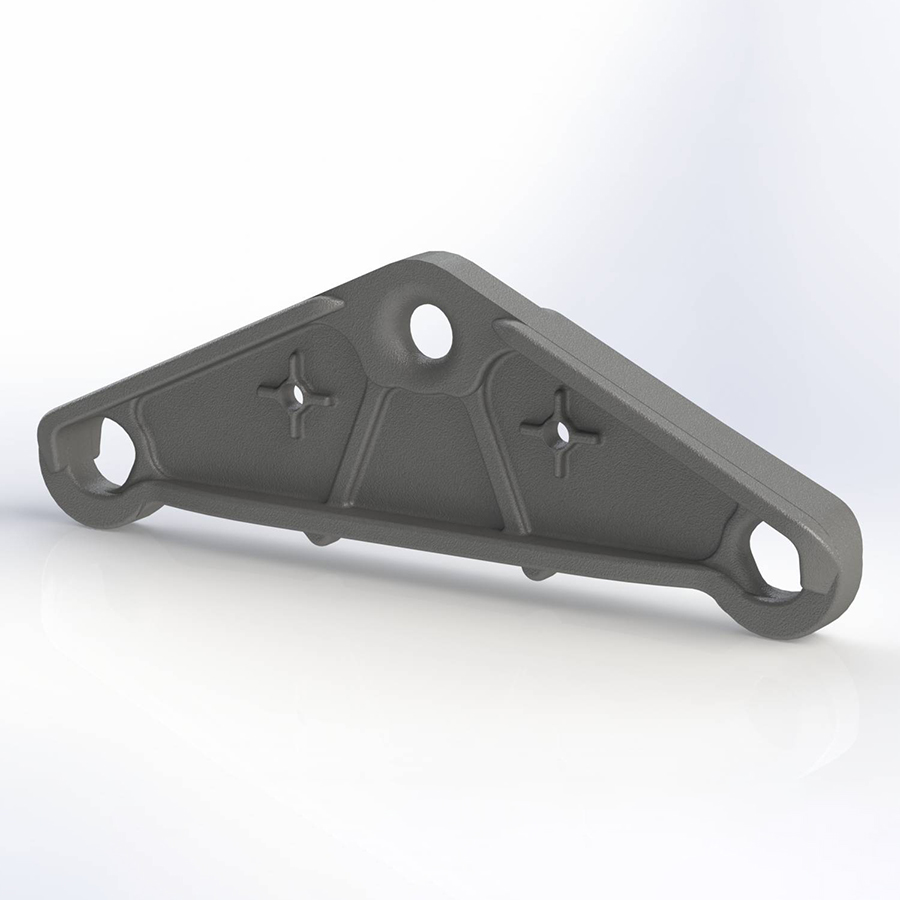
- Strengthening transmission infrastructure—yoke plates connect renewable power to the national grid, withstand extreme weather and terrain conditions, and enhance transmission reliability in remote areas.
- Ensuring project durability and safety—the plates provide high mechanical strength under dynamic loads, corrosion resistance, longevity, and reduced downtime and maintenance needs. They help stabilize Colombia’s transition to renewables by improving the lifespan and safety of the installations.
- Speeding up restarted projects—government incentives are helping resume stalled renewable energy developments. Yoke plates reduce lead times and import dependencies. This eases faster project execution in various regions.
- Enhancing grid resilience—Colombia faces extreme weather, which can damage transmission towers. The yoke plates help reduce outages that could disrupt renewable energy supply. By preventing failures, yoke plates ensure stable power flow from new generation sources.
Strategies and initiatives for restarting renewable energy in Colombia
Colombia’s renewable energy business has suffered much setbacks as a result of societal upheaval, regulatory delays, and infrastructure constraints. The country has enough of natural resources, including as sun, wind, and water. Restarting renewables requires a combination of strategic policy changes, infrastructural enhancements, and stakeholder engagement. It also entails rebuilding trust, upgrading infrastructure, and assuring long-term viability. The following sections discuss the methods and measures for restarting renewable energy in Colombia.
- Regulatory reforms and policy clarity—to address bureaucratic delays and uncertainty around permits, the government must establish clear guidelines. It must also simplify and speed up the licensing process, enhance transparency, and strengthen environmental regulation to align with climate goals.
- Modernizing grid infrastructure—Colombia’s aging grid is unable to absorb the load. Key upgrades include expanding transmission capacity, integrating smart grid technologies, and investing in microgrids and distributed generation.
- Public-private partnerships (PPP)—Colombia must encourage foreign and domestic investment through risk guarantees and tax incentives. It must de-risk projects by offering clear frameworks and return models.
- Community engagement and social license—strategies to rebuild trust in Colombia include prioritizing local hiring and training, establishing profit-sharing models, and ensuring early, inclusive, and continuous consultation.
- Energy storage and resilience planning—addressing the intermittent nature of wind and solar demands investment in battery storage, incorporating pumped hydro storage, and implementing demand-side management.