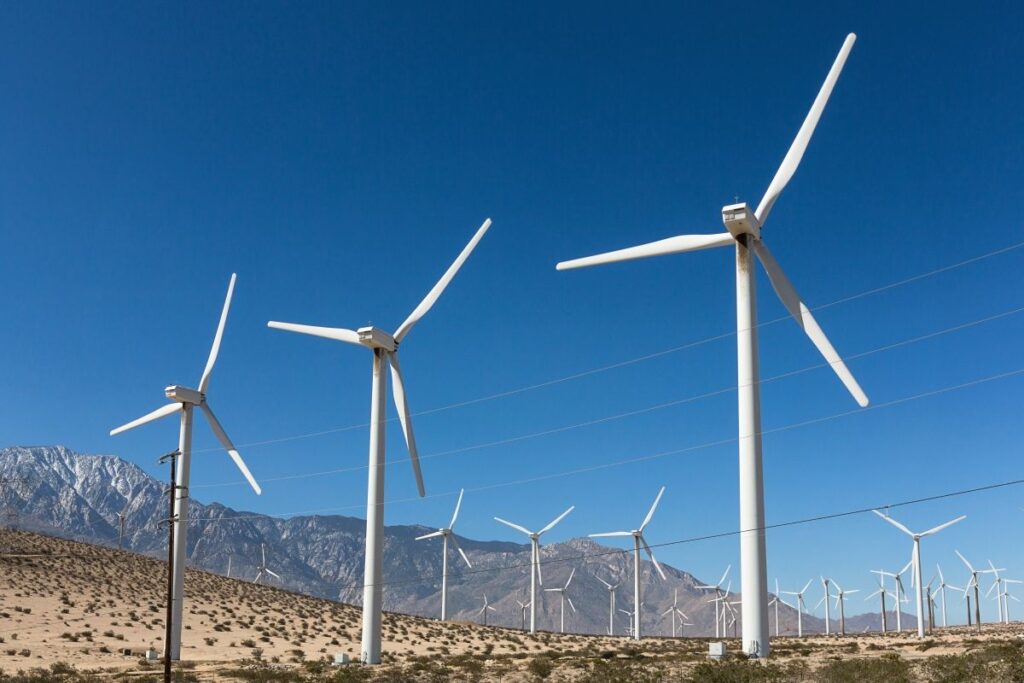
Argentina has abundant natural resources to assist renewable energy growth and the green transition. Vestas Wind Systems’ recent announcement of two new turbine orders totaling 217 MW represents another step toward harnessing wind energy potential. The wind turbines are intended to work optimally in a variety of wind conditions. Their implementation demonstrates Argentina’s ability to attract investment, put in place cutting-edge technologies, and broaden its renewable energy portfolio. The country’s high wind speeds allow turbines to operate at higher capacity factors than the global average. The country intends to expand renewable energy penetration and cut reliance on fossil resources. Wind energy’s potential stimulates extra investment in generation capacity, infrastructure upgrades, and local workforce development. New projects bring investments in grid stability and expansion in the country. Spool insulators play a crucial role in the medium-voltage collection system within the wind farm.
Spool insulators play an important role in mechanically supporting the medium-voltage electrical wires that connect the wind turbines to the substation. The electrical wires stretched between turbines are heavy, putting them under mechanical tension and continual stress from wind and temperature variations. Spool insulators have a high tensile strength, which allows them to withstand mechanical loads while keeping the cable securely in place. The cables create a high-resistance path that ensures current passes along the designated conductor to the substation. It safeguards the infrastructure and is critical for operational safety by preventing electrocution and short circuits. The spool insulators have a unique profile that increases the creepage distance. Polymer insulators are lightweight, vandal-resistant, and hydrophobic, which keeps a continuous conductive water film from developing. The spool insulators are often connected in a string to form an insulator assembly. The number of units in a string increases the electrical insulation strength and mechanical capacity.
The use of spool insulators in wind farm development in Argentina
Projects such as Vestas’ 217 MW turbine are helping Argentina’s renewable energy goals. Spool insulators are critical components in turbines, transmission lines, and substations. They ensure that wind energy is safely and efficiently integrated into the grid. A spool insulator is a small ceramic device that supports and insulates wires at low and medium voltages. They avoid electrical leaks and mechanical stress on power cables. Spool insulators ensure that electricity from wind farms is securely and reliably fed into the grid. The following are the functions of spool insulators in wind farm development.
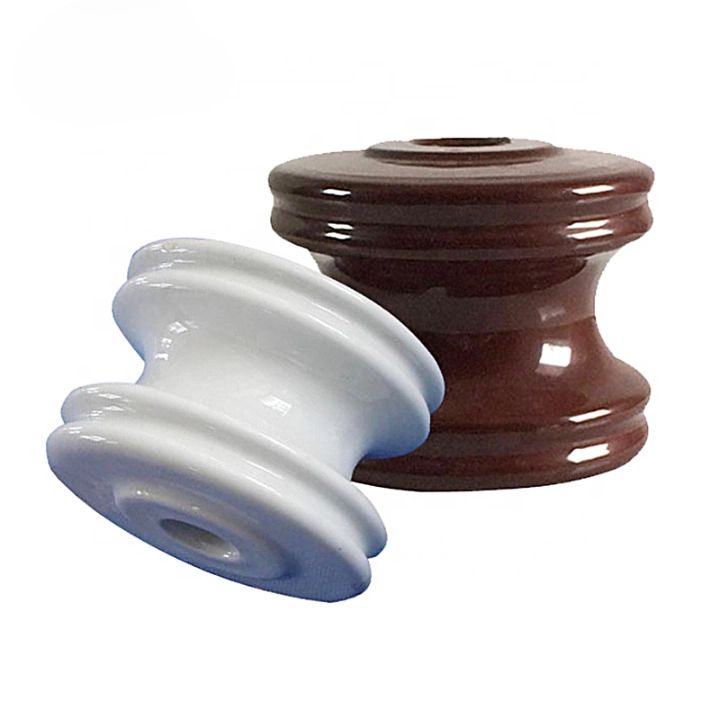
- Electrical insulation—spool insulators prevent unwanted current leakage between conductors and poles. The insulation is crucial for wind farms where clean electricity generated must travel long distances without loss.
- Mechanical support—they provide firm anchoring for conductors at dead-end poles. This helps absorb tension and stress from strong winds.
- Flexibility in line design—spool insulators can be installed both horizontally and vertically, which makes them versatile for the complex distribution networks that connect wind farms to substations.
- Durability in harsh conditions—Argentina’s wind lines face high winds, dust, and temperature variations. Spool insulators are made from ceramic or polymer materials that resist environmental stress and ensure long service life.
- Cost-effective grid reliability—compared to larger and more advanced insulators. Spool insulators are inexpensive but highly effective. Their use in distribution networks keeps project costs manageable while maintaining operational safety and efficiency.
Potential for wind power development in Argentina’s energy sector
Argentina is emerging as a renewable energy powerhouse in South America, with wind power key to its energy revolution. Argentina is a suitable location for wind power due to its vast wind resources, high renewable targets, and worldwide investor appeal. The possibility includes the following:
- Reduced fossil fuel dependence—wind power can reduce Argentina’s reliance on natural gas and oil. This helps stabilize energy costs and improve energy security.
- Carbon emission’s reduction—wind projects contribute to Argentina’s climate commitments under the Paris Agreement.
- Grid modernization—Argentina must invest in transmission infrastructure and smart grid technologies. This creates opportunities for long-term modernization of the energy sector.
- Economic growth and jobs—wind farm construction and maintenance generate local employment, build technical expertise, and create opportunities in supply chain industries.
- Regional energy leadership—Argentina could eventually export clean energy to neighboring countries. It could position itself as a regional renewable energy hub.