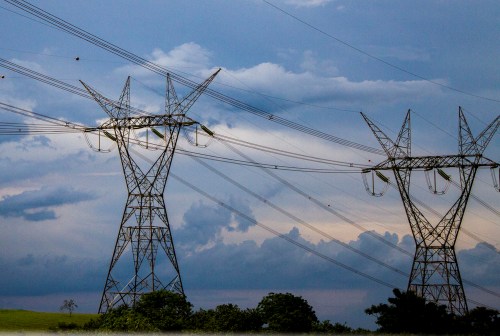
Power line expansion in Peru is progressing as the country enhances its transmission infrastructure to meet increased electricity demand. Strategic investments help to expand the national grid and increase power dependability. The corporation owns a 132-kilometer-long 138 kV transmission line connecting the Aguaytia and Pucallpa substations in the Ucayali region. Peru is expanding its high-voltage transmission network to transport electricity from generation locations to consumption areas. The growth is centered on long-distance transmission lines and substation development. The expansion will connect rural regions to the grid, improve grid dependability, promote new industrial projects, and reduce regional power shortages. Transmission expansion allows renewable energy to reach key demand centers. High-voltage lines help maintain grid stability and efficient power transmission. These interconnections rely on straight line deadends to ensure structural integrity and operational flexibility of Peru’s expanding grid.
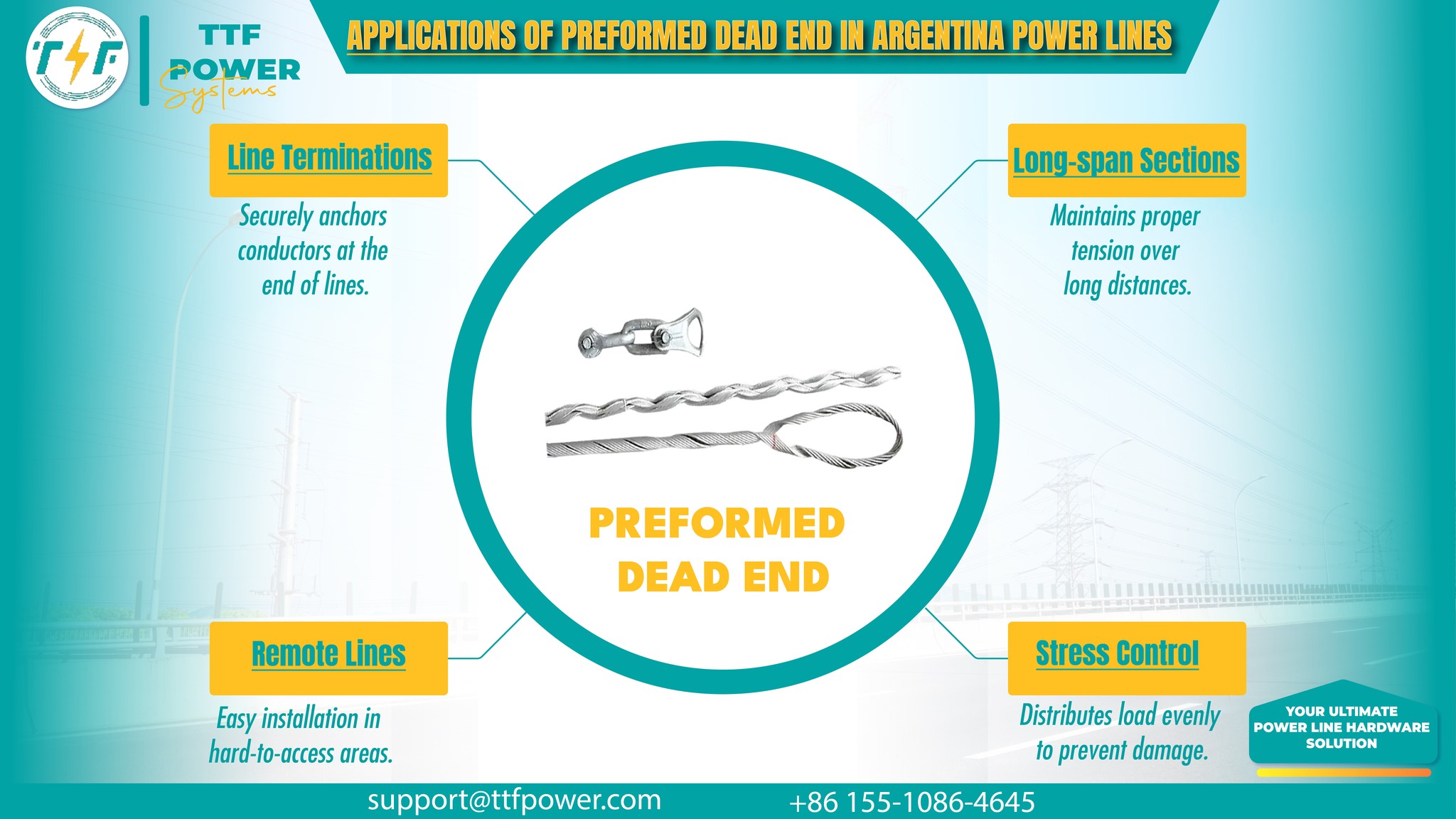
The straight-line deadend secure the conductor at full strain. It terminates conductors at designated structures and maintains the conductor’s tension over extended distances. Straight-line dead-ends grasp the conductor and connect it to insulator strings at tension towers. The clamps enable the formation of sectionalizing points. The dead ends of these angle towers serve to fix the conductors in the new direction, ensuring that the tower can withstand stresses. The deadend clamp ensures a secure grip and reduces pressure on downstream components. They do this by absorbing the entire mechanical load of the conductor at that location. Additionally, deadends provide a strong, low-resistance mechanical and electrical connection that can endure extreme tension.
Quality assurance of straight line deadends used in Peru’s power expansion
Straight line deadend quality assurance ensures that overhead line infrastructure is mechanically reliable, electrically safe, and performs well over time. Deadends serve to anchor conductors and maintain greatest tension along transmission lines. Strict quality assurance methods are required during design, production, and installation. Quality assurance begins with testing materials to ensure they can endure high tensile loads and harsh environmental conditions. Chemical composition analysis, tensile and yield strength testing, and hardness testing are all used to verify materials. These tests guarantee resistance to mechanical deformation. Precision manufacturing, mechanical load and performance testing, corrosion resistance, installation quality control, and traceability are other aspects of quality assurance. QA assists utilities in ensuring that deadends provide consistent conductor anchoring and long-term durability in Peru’s expanding electrical system.
The purpose of the straight line deadends in Peru’s power line extension
Straight line deadends anchor conductors and ensure correct tension along the line route. They ensure structural stability, secure conductor termination, and dependable electrical transmission over long distance networks. Deadends provide conductor termination and mechanical load transfer. This makes them critical to Peru’s new overhead transmission infrastructure. This supports the country’s expanding electricity demand. Here are the uses of straight line dead ends in power line expansion.

- Conductor anchoring and termination—the deadends terminate and anchor conductors at specific points along the transmission line. The dead ends prevent conductor movement and maintain line integrity under tension.
- Maintaining conductor tension—transmission conductors ensure proper clearance from the ground and structures. Straight line deadends help maintain tension by holding the conductor in place, preventing slippage, and supporting tension adjustments.
- Supporting transmission line structural stability—straight line deadends contribute to the mechanical stability of the transmission system. Load transfer ensures the transmission structures can withstand environmental and operational stresses.
- Supporting grid expansion and infrastructure development—the deadends connect emerging industrial zones, renewable energy facilities, and developing urban areas. They support this by enabling secure conductor installation, ensuring long-term reliability, and maintaining structural safety.
Key effects of power line expansion on Peru’s energy sector
Investments in transmission infrastructure allow the government to increase energy reliability, integrate new power sources, and expand electricity access to outlying areas. These effects are as listed below.
- Strengthening the national grid—transmission expansion provides electricity routes during system disturbances, reduced congestion on existing power lines, and better voltage stability.
- Supporting industrial and mining growth—power line expansion allows electricity to reach remote mining regions. Improved infrastructure helps supply reliable power to mining operations and support industrial manufacturing facilities.
- Enabling renewable energy integration—transmission expansion is crucial for integrating renewable energy resources into the national grid. This helps diversify the national energy mix and reduce reliance on fossil fuels.
- Expanding electricity access in remote regions—power line expansion contributes to rural electrification programs, improved electricity access for isolated communities, and greater economic opportunities in underserved regions.