Tag: Line construction hardware

  • Parallel groove clamps boost gas energy impact

    Natural gas distribution through pipelines

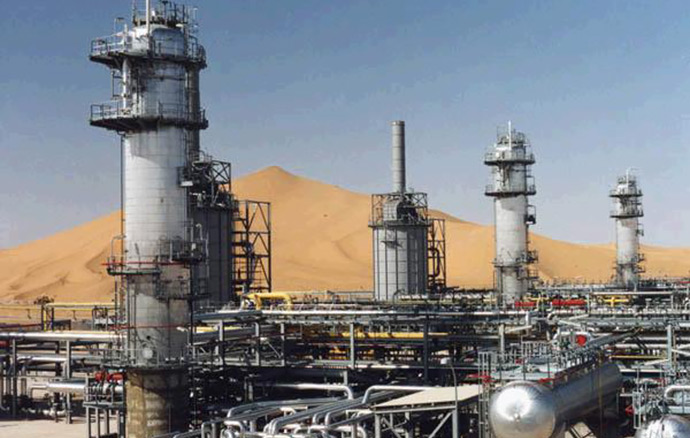
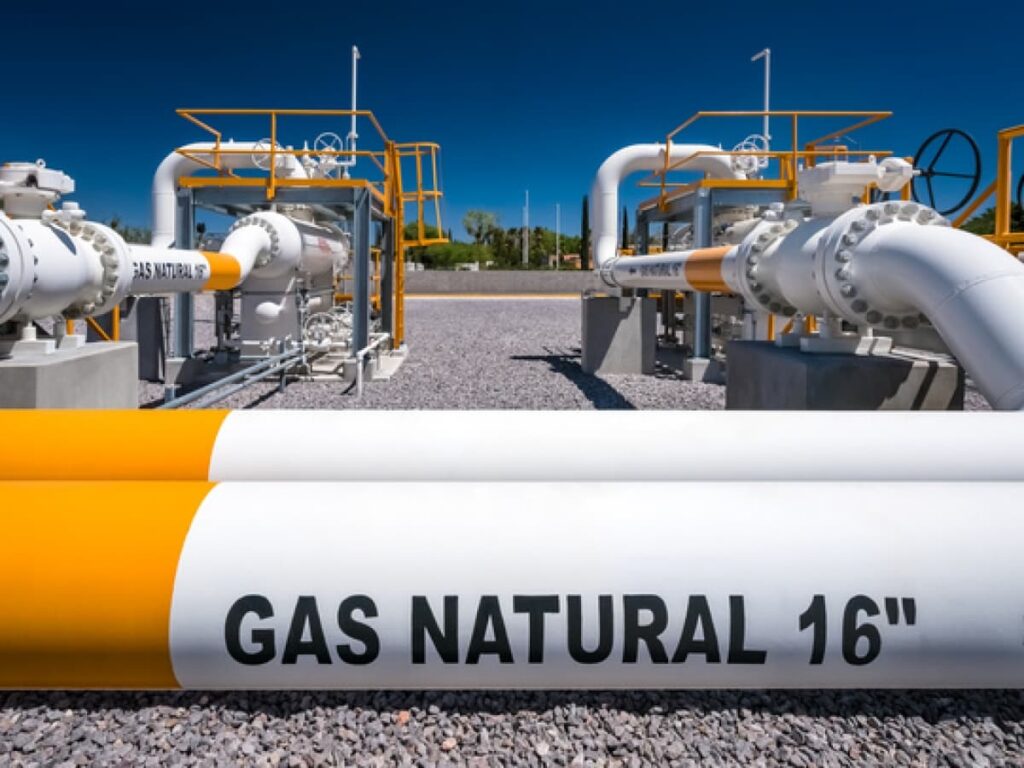
    Venezuela has significant and unexplored natural gas resources, and it has taken preliminary moves toward exploiting and exporting natural gas. The use of natural gas contributes to energy mix diversification and strengthens global markets, hence improving supply security. However, natural gas remains underdeveloped and inefficient due to infrastructure issues and underinvestment. Furthermore, approximately 90% of Venezuela’s natural gas is produced alongside crude oil, making it reliant on oilfield activity. The country’s main gas basins are the Anaco Basin, Mariscal Sucre, and Plataforma Deltana. Natural gas helps generate electricity in thermoelectric plants, as well as in industry, oil recovery, and flaring. Infrastructure for natural gas production includes processing plants, pipeline networks, SCADA systems, and compression and storage facilities. Parallel groove clamps (PGCs) secure grounding wires to gas infrastructure.

    Parallel groove clamps fasten and stabilize grounding wires to gas pipelines, storage tanks, and compressor stations, preventing static or lightning-induced sparks. They are also used in cathodic protection systems to connect sacrificial anodes to pipes, preventing corrosion. PGCs protect auxiliary lines including instrumentation, venting, and low-pressure domestic gas lines. They also secure electrical conduits or communication wires that run beside gas pipelines. Higher-pressure pipelines and vital infrastructure rely on more robust solutions. Proper clamp use could assist prevent leaks and increase safety in Venezuela’s natural gas production and distribution systems. The majority of the produced gas is consumed locally, though Trinidad and Tobago are discussing cross-border pipeline exports.

    The roles of parallel groove clamps in natural gas production and distribution

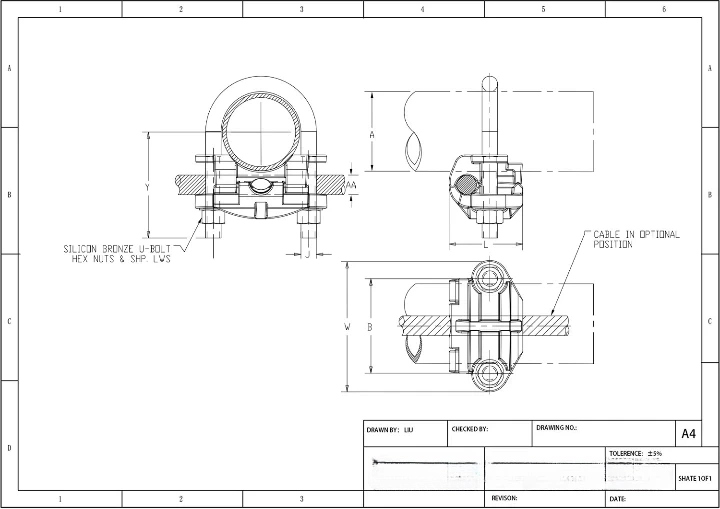
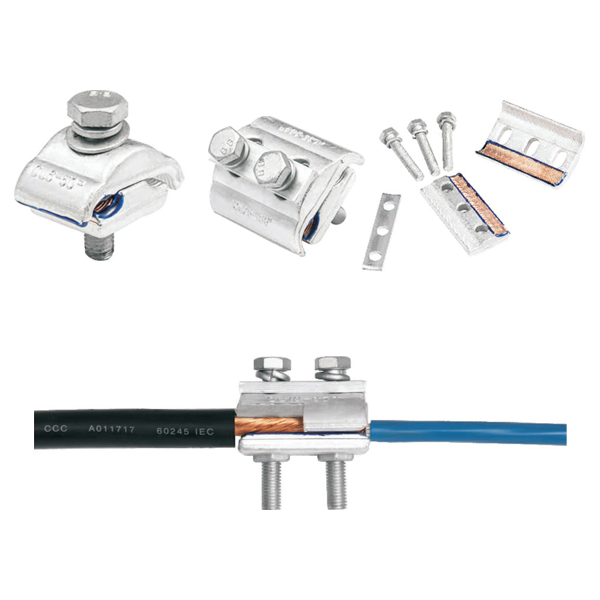
    PGCs ensure mechanical stability, electrical continuity, and system integrity throughout the production and distribution networks. The clamps provide support for instrumentation, cathodic protection systems, and compressor station controls. Parallel groove clamps are mechanical fittings that connect two parallel conductors and provide stable electrical and mechanical contact. They consist of two grooved metal bodies, a bolt for tightening, and insulation or coating. PGCs are from materials that can withstand extreme environments such onshore gas fields, coastal installations, and offshore platforms. Parallel groove clamps are a low-cost, high-impact solution for increasing dependability in electrical and control systems supporting natural gas operations. The following are the functions of PGCs in natural gas infrastructure.

    Parallel groove clamps serve in compressor and procesing plants
    • Bonding and grounding of metallic structures—natural gas pipelines, compressor stations, and processing facilities—include electrical grounding systems to prevent stray voltage. PGCs securely bond grounding conductors to pipelines, valves, and control equipment. Parallel groove clamps help protect sensitive instrumentation from electrical faults and lightning strikes.
    • Cathodic protection connections—cathodic protection helps prevent corrosion in underground and submerged pipelines. PGCs provide low-resistance connections between cathodic protection leads and pipelines. They also ensure consistent flow to the pipeline’s surface for effective corrosion control.
    • Signal transmission in control and monitoring systems—sensors, pressure gauges, leak detection systems, and SCADA systems depend on reliable signal writing. Parallel groove clamps connect control cables with minimal voltage drop. They also provide robust physical connections that can withstand vibrations from compressors.
    • Supporting electrical circuits in hybrid facilities—PGCs secure neutral conductors in motor control centers. They also support backup power routing during outages or equipment failures.

    Natural gas use and influence on Venezuela’s energy sector

    Venezuela has the greatest proven natural gas reserves, with an estimated 200 trillion cubic feet. However, natural gas is underutilized in comparison to oil’s potential and availability. Its applications include electricity generation, petrochemicals, and enhanced oil recovery. Its applications and impacts in the energy sector are as described below.

    1. Electricity generation—natural gas is the primary fuel for Venezuela’s thermoelectric power plants. Using natural gas improves reliability in areas with blackouts, reduces dependence on hydroelectric power, and is a cleaner energy than diesel.
    2. Petrochemical and industrial use—natural gas is crucial for the production of fertilizers, methanol, and urea. Its use helps sustain domestic fertilizer supply, boost industrial output, and reduce disruptions of operations.
    3. Enhanced oil recovery—the gas is re-injected into oil reservoirs to maintain reservoir pressure and boost crude oil extraction. This improves crude oil recovery rates and maximizes value from existing oil fields without drilling new wells.
    4. Transition fuel role—natural gas is a cleaner fossil fuel producing less carbon and sulfur emissions. It can support energy transition if used to replace more polluting fuels. It also has the potential to reduce carbon footprint and align with global decarbonization goals.
  • Yoke plates in oil trade power Venezuela’s grid

    Hydrocarbon and oil production facility

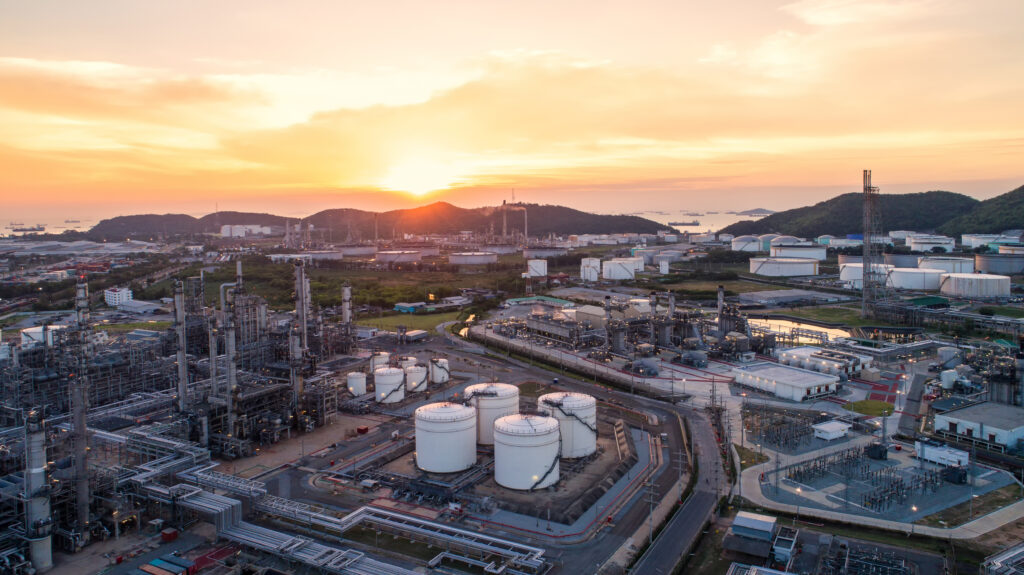
    Venezuela depends on oil income to get fuel and diluents essential for refining heavy crude. In June, the nation exported approximately 844,000 barrels daily of crude oil, marking an 8% rise compared to the month before. Nonetheless, the cancellation of U.S. licenses permits partners such as Chevron and Repsol to engage in trading Venezuelan crude. This leads to notable long-term and short-term effects on Venezuela’s energy industry. With these markets limited, Venezuela has shifted crude exports to China. Sales to China include discounts, barter agreements, or debt settlements instead of cash payments. This lowers the real income Venezuela generates in relation to other sales. The income earned from exports is essential for maintaining power production in the nation. Ensuring the grid remains functional is essential for avoiding power outages caused by aging infrastructure elements such as transformers, transmission lines, and power stations. Pin insulators uphold the electrical framework that supports Venezuela’s oil production and export activities. Yoke plates spread mechanical stress over insulator strings to avoid structural collapse.

    Oil production demands high-power transmission lines to run pumps, refineries, and export terminals. Yoke plates help distribute mechanical stress across insulator strings to prevent structural failure. They also help reduce the risk of line failures to maintain continuous power flow. The plates are from durable materials to prevent rust and degradation to extend infrastructure lifespan. Standardized yoke plates allow for faster replacement of damaged insulators or conductors. Venezuela’s national grid suffers from chronic blackouts due to underinvestment and poor maintenance. Most of the oil facilities rely on diesel generators when the grid fails. The generators still depend on transmission lines to distribute power within facilities.

    Roles of yoke plates in maintaining electrical infrastructure for oil production and export

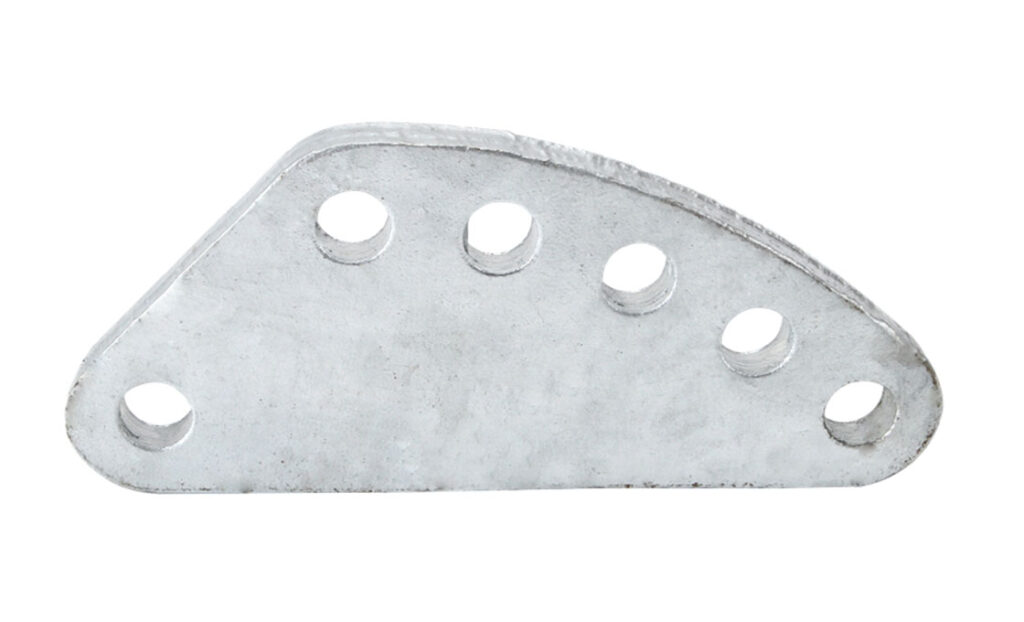
    A yoke plate is a hardware component used in electrical transmission and distribution systems. It serves as a connector between insulators, crossarms, and conductors. It ensures mechanical stability and electrical continuity in power lines that supply electricity to oil fields, refineries, and export terminals. Yoke plates play a crucial role in maintaining electrical infrastructure powering oil production and export. The plates help ensure that transmission systems supporting oil operations remain stable, safe, and efficient. They play a crucial role in ensuring mechanical stability and electrical safety in power lines serving oil production and export. Here are the roles of yoke plates in the electrical infrastructure.

    Yoke plates connect insulators in suspension strings
    • Securing insulators in high-voltage transmission lines—yoke plates help connect many insulators in suspension of tension strings. Stable power delivery is crucial for pumping, refining, and transporting oil in oil-rich regions. The plates ensure the insulators remain aligned and balanced to reduce mechanical stress and reduce the risk of power failure.
    • Maintaining structural integrity under high loads—oil production facilities need a high and continuous power supply. Yoke plates distribute mechanical load evenly across insulators. This helps withstand heavy conductor tension and wind forces.
    • Reducing electrical faults in harsh environments—yoke plates help maintain consistent insulator spacing and mechanical support. It reduces the chances of flashovers, arcing, or phase contact.
    • Enabling infrastructure resilience—yoke plates are often galvanized to provide long-term durability and low maintenance. This helps prevent power-related disruptions to critical oil export operations.
    • Facilitating grid maintenance—yoke plates enable safe retrofitting of insulator strings without dismantling entire tower structures.

    Effects of oil exports and imports on Venezuela’s energy industry

    Venezuela’s economy and energy industry rely on oil exports for income and the importation of oil. Oil extraction is essential to maintain output and local fuel availability. Oil trading influences the nation’s energy security, economic vitality, and global position. Companies such as Chevron and Repsol might increase output, resulting in extra funds for fuel imports and grid maintenance. Moreover, the easing of sanctions could assist in alleviating Venezuela’s electricity crisis. The effects are as outlined in the following sections.

    1. Revenue source – oil sales comprise 90% of Venezuela’s export income and finance social initiatives, infrastructure development, and military expenditures.
    2. Foreign currency for imports – oil sales generate the foreign currency required to buy food, medicine, and industrial machinery.
    3. Grid instability – fuel shortages impact thermoelectric plants, exacerbating blackouts. Industries halt operations because of power outages, leading to a decline in non-oil exports.
    4. Reliance on discounted and shadow markets – shadow fleets and intermediaries diminish transparency and income.
    5. Domestic fuel shortages – illicit fuel prices surge when imports delay. Power plants also experience issues from diesel shortages that exacerbate blackouts.