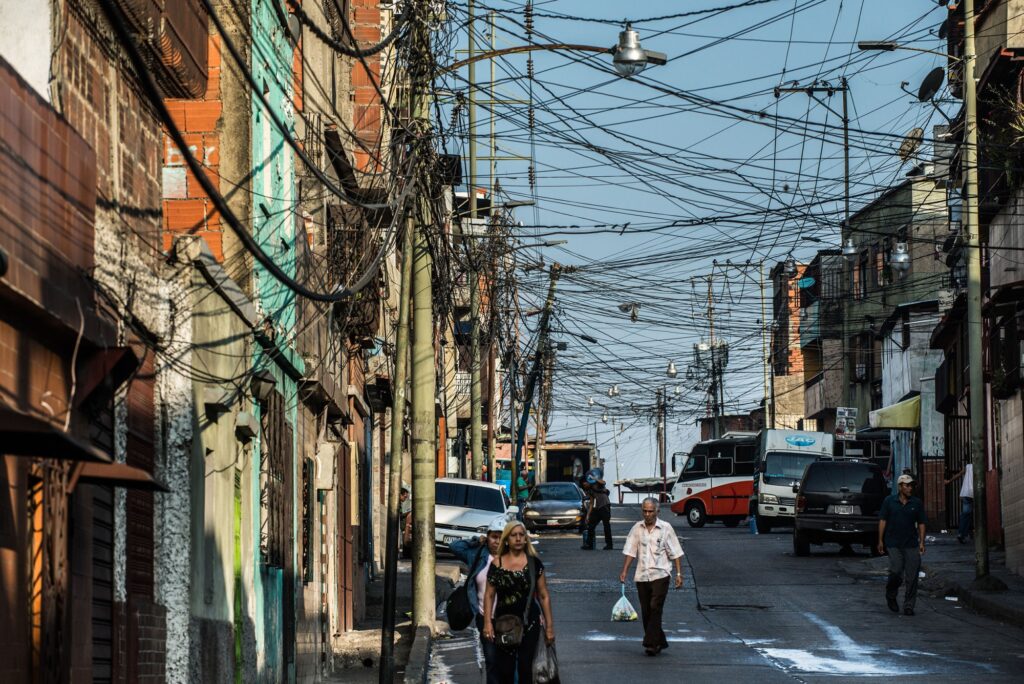
Venezuela is currently experiencing a power outage, which is straining the country’s infrastructure. The situation is caused by a sharp drop in hydroelectric generation capacity. Hydroelectric power produces 60% of the country’s electricity. The country’s failure to deliver adequate fuel to thermoelectric plants exacerbates the issue. As a result, many regions are experiencing long power outages. Without foreign investment in turbine upgrading, the Guri Dam’s output will inevitably decline. Venezuela should so develop an atmosphere conducive to private and state investment. This will be critical for furthering the development of these technologies. This will be critical for stabilizing the electricity grid and reducing power outages. The national grid depends on obsolete transmission infrastructure that limits power generation. Cable suspension bolts help improve electrical transmission and distribution systems.
Cable suspension bolts attach conductors to transmission towers and poles. This helps to avoid drooping and line failures due by wind, storms, or old infrastructure. They help to lessen the frequency of power outages caused by broken lines, which are a key problem in Venezuela’s crumbling grid. These bolts maintain greatest tension in overhead cables, preventing short circuits and line problems. Venezuela’s grid suffers from voltage oscillations, necessitating the correct placement of cables to stabilize transmission. High-quality suspension bolts allow broken transmission lines to withstand environmental conditions. They are critical in increasing the life of electrical cables and lowering maintenance expenses. Cable suspension bolts offer the potential to provide reliable power distribution, reducing dependency on unpredictable local generation. Proper use of suspension bolts reduces blackouts. It also supports Venezuela’s efforts to modernize its failing electricity infrastructure.
Cable suspension bolts can help ease Venezuela’s power crisis
Cable suspension bolts help to improve power line infrastructure in areas prone to outages and crises. They are crucial to decreasing power outages and increasing grid resilience. A cable suspension bolt is a fastener used to secure electrical cables to supporting structures. It is critical for maintaining power lines’ structural integrity and reliability. Investing in high-performance suspension hardware is a highly effective technique for reducing outages, protecting transmission lines, and restoring faith in the power system. Here are the responsibilities of cables in technological infrastructure that help to reduce Venezuela’s power issues.
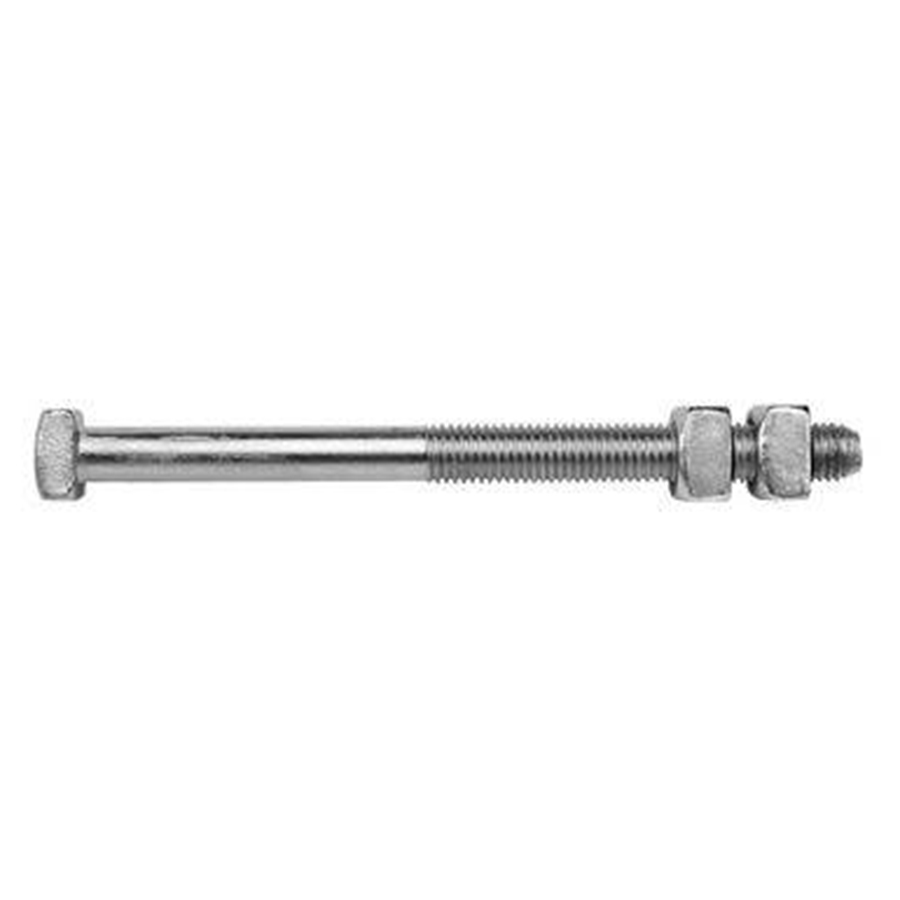
- Structural integrity and vibration control—cable suspension bolts are able to anchor and support overhead conductors. They help maintain cable tension, reduce sag, and dampen vibrations that could lead to mechanical fatigue.
- Protection against harsh environmental conditions—the country faces conditions like high humidity, tropical storms, and extreme weather fluctuations. Cable suspension bolts are from corrosion-resistant materials that help extend the lifespan of towers and conductors. They provide robust support and reduce weather-related damage.
- Reducing outages through resilient design—Venezuela faces blackouts due to the fragile electrical grid. Suspension bolts integrate into modern power infrastructure to provide resilience. This is through maintaining conductor alignment, preventing conductor galloping, and reducing the likelihood of mechanical failures.
- Enhancing maintenance—suspension bolts speed up post-disaster repairs, lower the risk of theft, and support grid-hardening initiatives.
- Supporting grid modernization—cable suspension bolts are crucial in upgrading transmission towers for smart grid technologies.
Improved infrastructure to reduce power shortages and crises in Venezuela
Venezuela faces widespread power outages, aged grid infrastructure, and political instability. Energy crises can interrupt homes, hospitals, industries, and communications for days at a time. However, there is a slow and steady transition to modern technology infrastructure. This includes:
- Grid stabilization—the country is adopting smart grid technologies that allow for real-time monitoring, load balancing, and predictive maintenance. This includes smart sensors, advanced metering infrastructure, and automated switchgear.
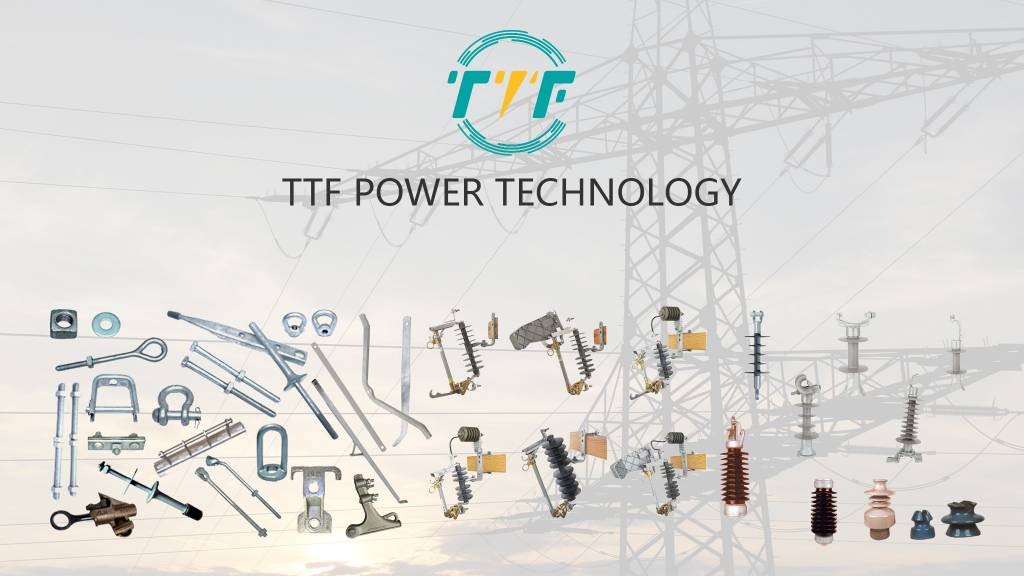
- Upgrading transmission and distribution lines—outdated power lines are being gradually replaced with high-capacity conductors, cable suspension bolts, and insulators to maintain line integrity. This helps reduce the chance of mechanical failure in remote areas.
- Decentralized energy and microgrids—there is continued development of decentralized energy systems. This includes microgrids in rural areas, battery energy storage systems to store surplus electricity, and solar-diesel hybrid systems.
- Renewable energy integration—Venezuela is exploring solar and wind energy as sustainable solutions. The key efforts include installing solar panels, exploring wind corridors, and partnering with international donors to fund off-grid renewable projects.
- Cybersecurity infrastructure—this helps safeguard infrastructure from internal and external threats. It includes tamper-proof transformers and metering systems, surveillance and drone monitoring, and cybersecurity protocols.