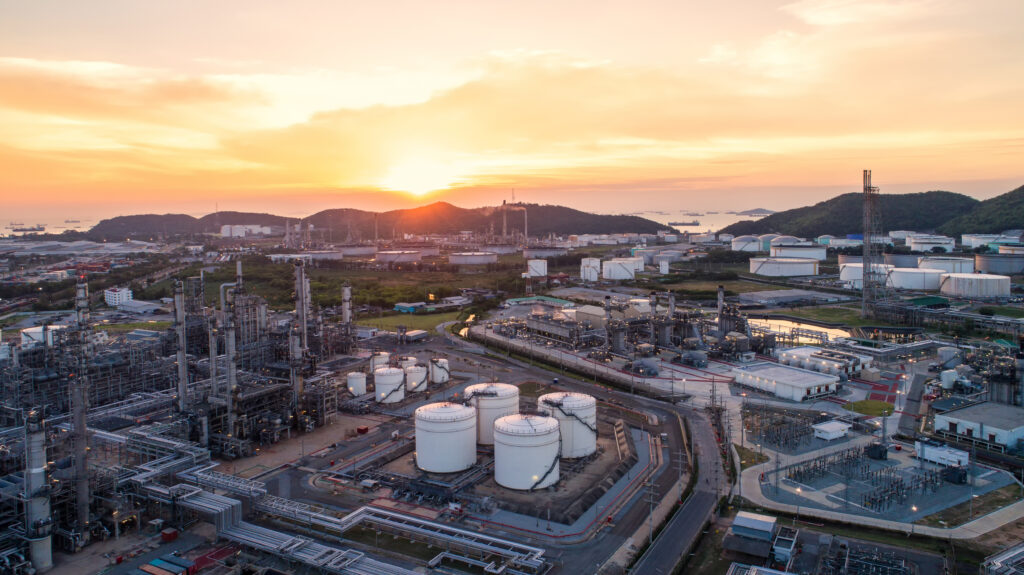
Venezuela depends on oil income to get fuel and diluents essential for refining heavy crude. In June, the nation exported approximately 844,000 barrels daily of crude oil, marking an 8% rise compared to the month before. Nonetheless, the cancellation of U.S. licenses permits partners such as Chevron and Repsol to engage in trading Venezuelan crude. This leads to notable long-term and short-term effects on Venezuela’s energy industry. With these markets limited, Venezuela has shifted crude exports to China. Sales to China include discounts, barter agreements, or debt settlements instead of cash payments. This lowers the real income Venezuela generates in relation to other sales. The income earned from exports is essential for maintaining power production in the nation. Ensuring the grid remains functional is essential for avoiding power outages caused by aging infrastructure elements such as transformers, transmission lines, and power stations. Pin insulators uphold the electrical framework that supports Venezuela’s oil production and export activities. Yoke plates spread mechanical stress over insulator strings to avoid structural collapse.
Oil production demands high-power transmission lines to run pumps, refineries, and export terminals. Yoke plates help distribute mechanical stress across insulator strings to prevent structural failure. They also help reduce the risk of line failures to maintain continuous power flow. The plates are from durable materials to prevent rust and degradation to extend infrastructure lifespan. Standardized yoke plates allow for faster replacement of damaged insulators or conductors. Venezuela’s national grid suffers from chronic blackouts due to underinvestment and poor maintenance. Most of the oil facilities rely on diesel generators when the grid fails. The generators still depend on transmission lines to distribute power within facilities.
Roles of yoke plates in maintaining electrical infrastructure for oil production and export
A yoke plate is a hardware component used in electrical transmission and distribution systems. It serves as a connector between insulators, crossarms, and conductors. It ensures mechanical stability and electrical continuity in power lines that supply electricity to oil fields, refineries, and export terminals. Yoke plates play a crucial role in maintaining electrical infrastructure powering oil production and export. The plates help ensure that transmission systems supporting oil operations remain stable, safe, and efficient. They play a crucial role in ensuring mechanical stability and electrical safety in power lines serving oil production and export. Here are the roles of yoke plates in the electrical infrastructure.
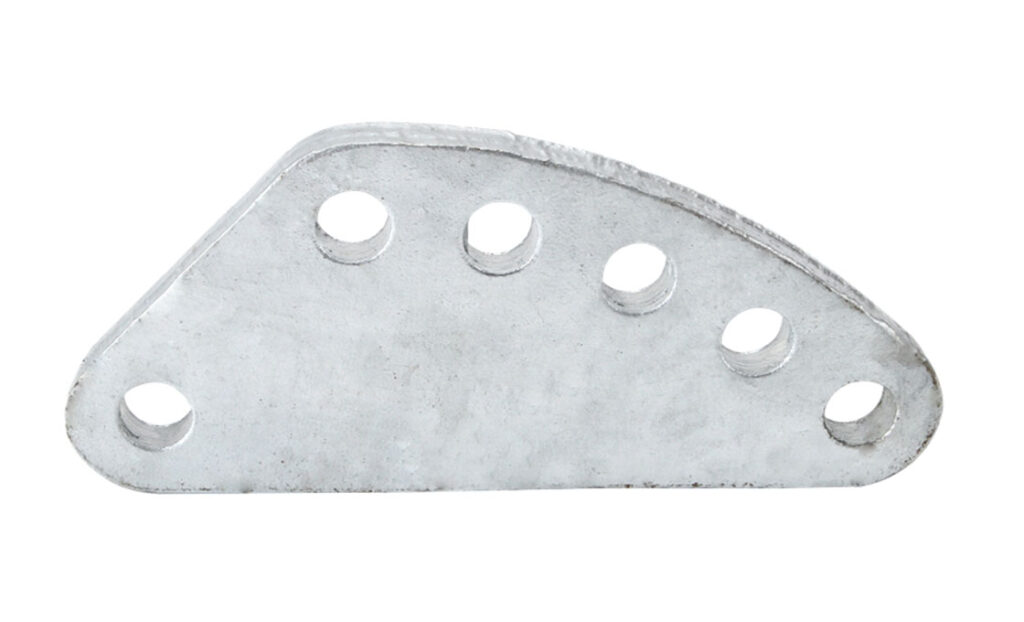
- Securing insulators in high-voltage transmission lines—yoke plates help connect many insulators in suspension of tension strings. Stable power delivery is crucial for pumping, refining, and transporting oil in oil-rich regions. The plates ensure the insulators remain aligned and balanced to reduce mechanical stress and reduce the risk of power failure.
- Maintaining structural integrity under high loads—oil production facilities need a high and continuous power supply. Yoke plates distribute mechanical load evenly across insulators. This helps withstand heavy conductor tension and wind forces.
- Reducing electrical faults in harsh environments—yoke plates help maintain consistent insulator spacing and mechanical support. It reduces the chances of flashovers, arcing, or phase contact.
- Enabling infrastructure resilience—yoke plates are often galvanized to provide long-term durability and low maintenance. This helps prevent power-related disruptions to critical oil export operations.
- Facilitating grid maintenance—yoke plates enable safe retrofitting of insulator strings without dismantling entire tower structures.
Effects of oil exports and imports on Venezuela’s energy industry
Venezuela’s economy and energy industry rely on oil exports for income and the importation of oil. Oil extraction is essential to maintain output and local fuel availability. Oil trading influences the nation’s energy security, economic vitality, and global position. Companies such as Chevron and Repsol might increase output, resulting in extra funds for fuel imports and grid maintenance. Moreover, the easing of sanctions could assist in alleviating Venezuela’s electricity crisis. The effects are as outlined in the following sections.
- Revenue source – oil sales comprise 90% of Venezuela’s export income and finance social initiatives, infrastructure development, and military expenditures.
- Foreign currency for imports – oil sales generate the foreign currency required to buy food, medicine, and industrial machinery.
- Grid instability – fuel shortages impact thermoelectric plants, exacerbating blackouts. Industries halt operations because of power outages, leading to a decline in non-oil exports.
- Reliance on discounted and shadow markets – shadow fleets and intermediaries diminish transparency and income.
- Domestic fuel shortages – illicit fuel prices surge when imports delay. Power plants also experience issues from diesel shortages that exacerbate blackouts.