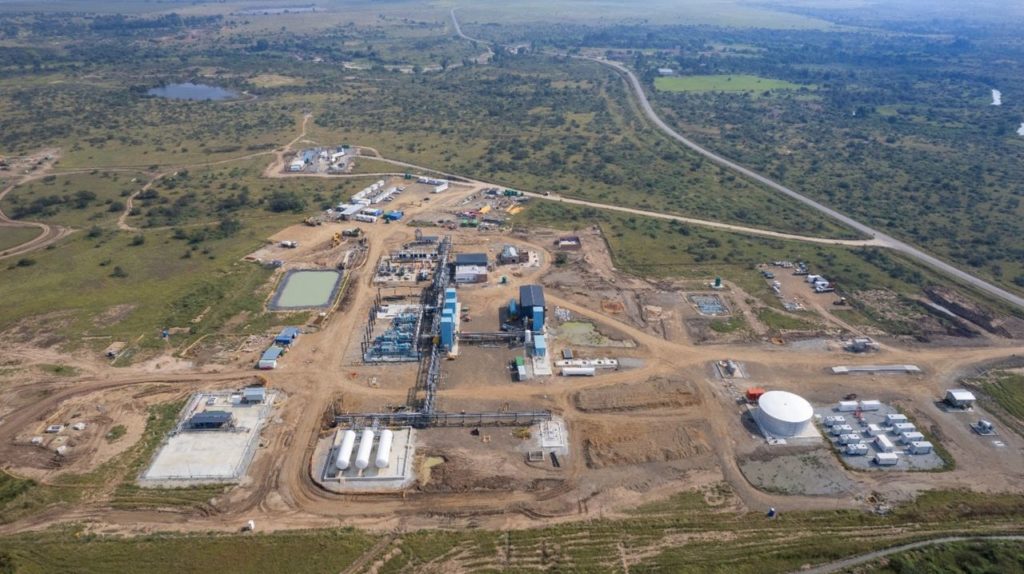
With global decarbonization, copper is an essential component in electric vehicles, wind turbines, solar farms, and smart grids. Copper production in Peru contributes to worldwide demand by ensuring that the mining sector is fuelled by sustainable energy sources. Peru’s growing number of solar and wind installations will help to decarbonize copper mining. This is critical because copper producers are establishing net-zero or carbon reduction targets, with renewable energy at the heart of their operations. Peru’s transition to renewable-powered mining boosts its competitiveness in international markets. Furthermore, governments in Europe, North America, and Asia prefer copper derived from mines with low carbon emissions. However, these operations confront problems such as infrastructure constraints, high initial expenditures for renewable energy initiatives, and regulation. Distribution arresters protect the expansive and critical electrical distribution system from destructive voltage surges.
The renewable-powered copper mine in Peru is a fragile and high-risk environment for a variety of reasons. The majority of mines are located in the high Andes, where altitude and weather patterns make electrical storms typical. This necessitates a vast network of power lines and transformers linking remote renewable farms to mines. Damage to transformers, switchgear, variable frequency drives, and control systems occurs when distribution arresters are not present. Arresters prevent such damage and ensure that operations continue without interruption. Voltage spikes can cause problems for the inverters and complicated power electronics that convert solar and wind DC electricity to grid-ready alternating current. Arresters are installed at renewable generation installations to protect the equipment. Distribution arresters prevent damage and avoid downtime to contribute to the reliability, safety, and economic viability of using renewable energy to power copper production for green transition.
The role of distribution arresters in renewable-powered copper mining in Peru
As Peru increases its use of renewable energy to power copper mining, the use of arresters helps to assure system dependability and equipment protection. Distribution arresters protect electrical infrastructure against overvoltages and surges. They provide the operational stability when electricity originates from variable sources. The following are the functions of distribution arresters in copper mining.
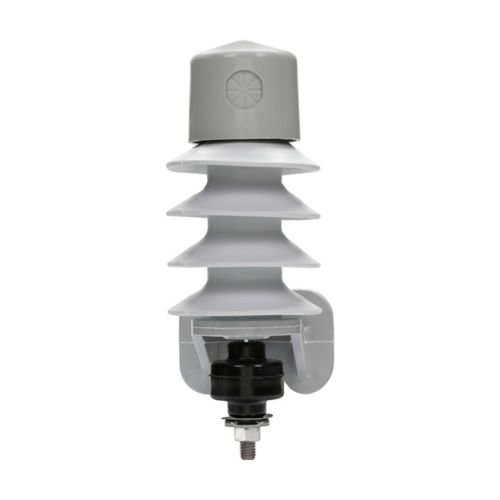
- Overvoltage protection—distribution arresters protect transmission lines, transformers, and substations from damage. Renewable energy integration causes sudden load changes, where the arresters absorb the surges to prevent equipment failure.
- Ensuring grid reliability in renewable systems—distribution arresters stabilize systems by preventing voltage spikes. They ensure continuous operation of energy-intensive mining processes like grinding, smelting, and refining.
- Protecting copper-intensive infrastructure—mining operations depend on transformers, substations, and power lines. Distribution arresters preserve the longevity of infrastructure to reduce maintenance costs and energy losses.
- Supporting Peru’s green copper transition—distribution arresters enable copper mines to depend on clean energy sources without compromising reliability.
- Enhancing safety in mining operations—electrical surges damage equipment and pose safety risks. Distribution arresters cut risks by ensuring that excess electrical energy is safely discharged to the ground.
Innovations for renewable-powered copper mining in Peru
Copper is an essential component in solar panels, wind turbines, and electric automobiles. New technological advancements enable Peru’s mining sector to transition to renewable-powered production, lowering emissions and increasing competitiveness. Innovations in renewable integration, storage, electrification, and smart grid systems are revolutionizing Peru’s copper mining business. Common advancements aiding renewable-powered copper mining are:
- On-site renewable energy integration—mining companies are investing in large-scale solar farms to directly power operations in Peru. Andean wind resources are being harnessed to supplement mine energy demand. This aims to reduce reliance on diesel and grid-based electricity.
- Advanced energy storage solutions—BESS helps overcome the intermittency of solar and wind. Storage innovations ensure a steady power supply for critical mining activities like ore processing and smelting.
- Smart grid and automation technologies—mining companies are building localized microgrids powered by renewables. Artificial intelligence predicts energy demand and adjusts renewable outputs to optimize efficiency.
- Electrification of mining equipment—this includes transitioning from diesel-powered machinery to electric fleets. This helps cut down emissions and operational costs.
- Sustainable water and waste management innovations—using clean power to process and recycle mine waste aligns copper production with global sustainability standards.