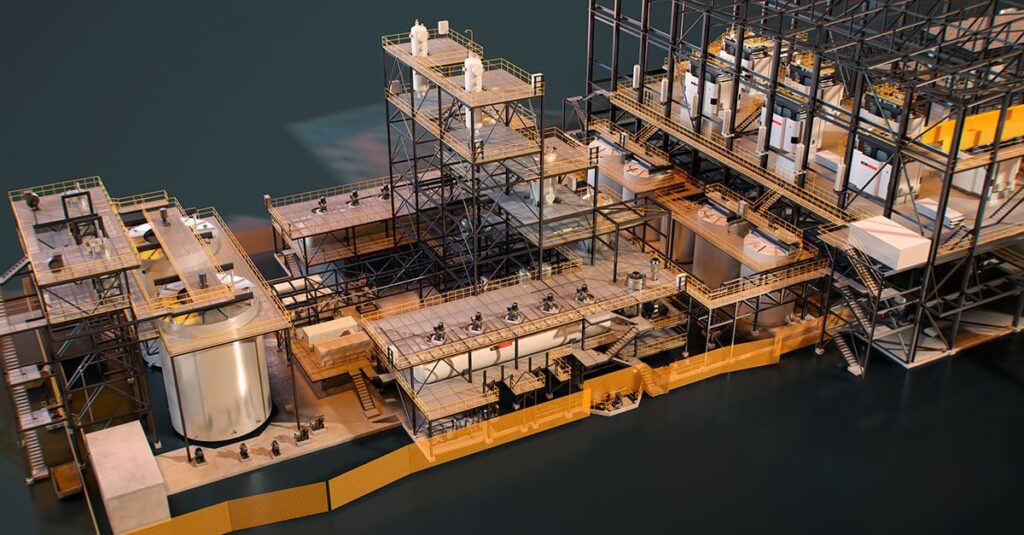
Argentina’s lithium resources are concentrated mostly in the high-altitude salt flats of Jujuy, Salta, and Catamarca. Lithium is an essential component of battery energy storage devices that help Argentina’s expanding solar and wind power. It also plays an important role in the deployment of electric vehicles. Lithium production enables renewables to offer steady power while reducing emissions in the sector. The manufacturing of lithium is critical for renewable energy integration, grid stability, and transportation electrification. These projects provide infrastructure, jobs, and export earnings to help Argentina’s energy economy. Argentina must put in place appropriate extraction practices, rigorous environmental regulations, and fair revenue sharing with local communities. Moving beyond extraction to processing, refining, and possibly battery production might establish Argentina as a raw lithium supplier. B strand connectors create a secure, low-resistance, and permanent electrical connection between large-gauge stranded cables.
Argentina’s lithium-rich brine corrodes and damages metal well casings, pipes, tanks, and other equipment. This leads to well failure, leaks, and high replacement costs. B-strand connectors are hardware components used to join portions of large, high-current anode cables. The connectors can withstand high continuous DC current by supplying a steady current. The connector can carry the load without overheating. It prevents improper connections that would cause system failure and allow corrosion to occur unchecked. The stranded cable is inserted into either end, and a hydraulic compression tool is used to crimp the sleeve onto the cable to form a secure bond. B-strand connectors are electrical components used in hidden cathodic protection systems that protect the entire extraction infrastructure from the corrosive environment.
The role of B-strand connections in lithium extraction and production in Argentina
B strand connectors are essential for mechanical splicing, electrical grounding, power distribution support, project scalability, and long-term durability. They maintain the stability and safety of the infrastructure that enables large-scale lithium production. The following are the functions of B-strand connections in lithium extraction and production in Argentina.
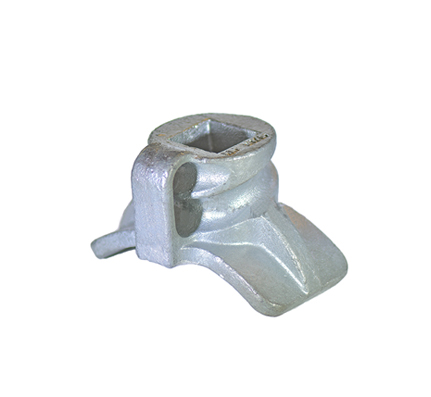
- Mechanical splicing of guy and messenger wires—brine pumping stations, monitoring towers, and power distribution poles depend on messenger or guy wires for support. B strand connectors splice two ends of a steel strand to ensure continuity of tensile strength.
- Electrical continuity for grounding systems—B-strand connectors are able to maintain electrical conductivity across joined wires. This ensures messenger wires or guy wires double as grounding paths for poles, transformers, and monitoring equipment in lithium processing facilities.
- Supporting transmission and distribution networks—lithium production facilities need a steady power supply for pumps, evaporation ponds, and chemical processing plants. B strand connectors serve in overhead power line infrastructure that delivers electricity from local substations or renewable sources.
- Facilitating expansion and modular growth—B-strand connectors allow for quick and reliable extension of existing guy wires or messenger systems during construction. The flexibility makes them valuable in scaling up brine fields, building extra evaporation ponds, or connecting new processing modules.
Challenges of lithium extraction and processing in Argentina
Despite having the world’s greatest lithium reserves, Argentina’s energy transformation confronts several challenges. Extraction of high-altitude salt flats and processing into battery-grade lithium presents environmental, technological, economic, and social issues. These challenges are as described below.
- Water scarcity and environmental stress—brine extraction depends on pumping underground saline water into evaporation ponds. The process consumes large amounts of water in arid areas like Jujuy, Salta, and Catamarca. Excessive water use can lower groundwater levels, affect wetlands, and stress fragile ecosystems.
- Technological and processing limitations—solar evaporation is slow and heavily dependent on climate conditions. Producing battery-grade lithium carbonate needs tight control of impurities, which can be difficult in brine systems.
- Infrastructure and energy challenges—lithium operations are in remote high-altitude regions with limited roads, grid access, and water supply networks. Some of the projects depend on diesel generators, which undermines the environmental benefits of lithium.
- Economic and market volatility—global lithium prices are highly volatile, driven by EV demand, overproduction cycles, and competition. Argentina mostly exports lithium carbonate rather than finished batteries.
- Social and community concerns—local communities often report limited consultation, inadequate benefit-sharing, and fears of cultural and environmental displacement. This leads to social conflicts, protests, and legal disputes, which can delay projects and damage investor confidence.