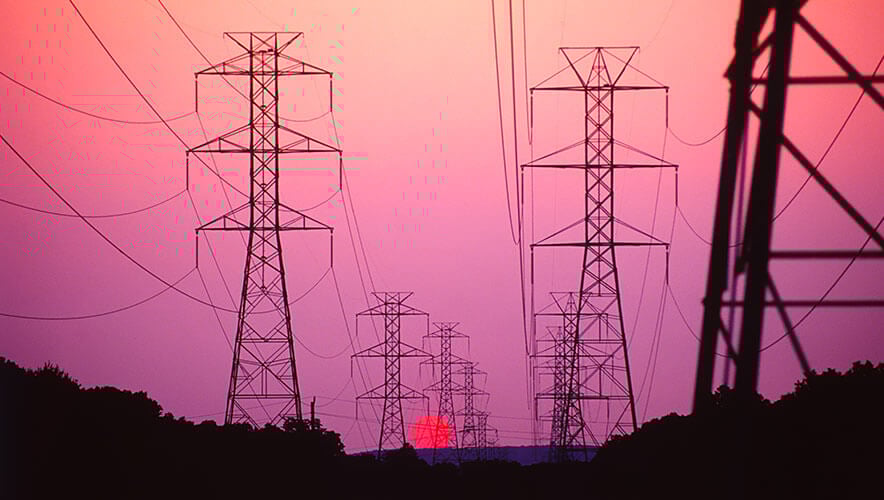
Argentina has implemented a variety of activities and steps to improve its energy network, motivated by necessity and desire. The current grid suffers from underinvestment, old infrastructure, and a lack of long-term planning. This causes blackouts, power swings, and significant technical losses. Argentina is in the forefront of clean energy adoption in the region, having developed many renewable energy projects. Electrical network renovations strike a compromise between short- and long-term benefits, economic efficiency, and legacy infrastructure. The upgrade’s success will be determined by its ability to supply inexpensive, dependable, and sustainable power, which serves as the cornerstone for Argentina’s economic progress and better quality of life. Grid automation and smart grid technology, replacing aged infrastructure, integrating renewable energy, and promoting distributed generation are all important strategies. The crossarm gain is crucial for the capacity, safety, and resilience that new crossarm designs offer to the overhead grid.
Crossarm gains are from materials such as steel, composites, or reinforced concrete, which give structural integrity. The crossarm supports the weight of the cables and associated hardware, transferring the mechanical load to the pole. It also ensures a safe and uniform physical distance between phase conductors. Insulators, lightning arresters, line switches, fuses, and communication antennae can all be mounted on the crossarms due to their strong structure. The crossarm gain might have integrated mounts for smart grid devices. They provide physical space and structural support for deployment across the network. Proper bracing keeps the structure stable and level, ensuring that newly installed equipment runs safely. Crossarms cut flexing, vibration, and stress concentrations. They reduce metal fatigue and wood fiber fatigue to extend the operational life of the crossarm and the pole.
Importance of the crossarm gain in electrical network upgrades
Crossarm gain securely attaches wooden or composite crossarms to utility poles. They offer a solid, stable connection that enables crossarms to transport conductors, insulators, and other pole-top equipment. Crossarm gain enables Argentina’s power network to be modernized, poles strengthened, conductors updated, and grid safety and reliability ensured. The following are the responsibilities of crossarm gains in Argentina’s power network upgrades.
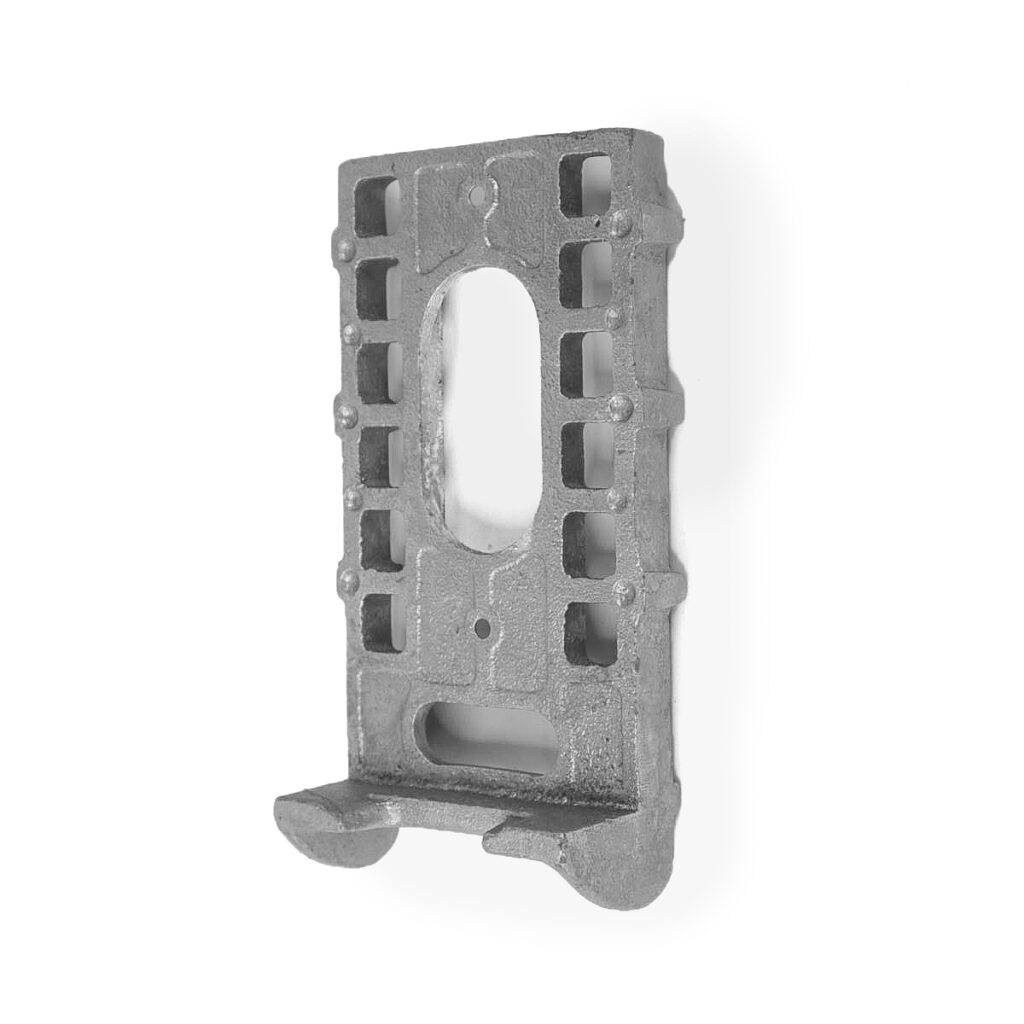
- Structural reinforcement of crossarms—crossarm gain gives mechanical strength and stability by fastening crossarms to poles. Gains ensure poles can handle the added loads without shifting.
- Support for conductor configuration—the gain allows proper spacing of the conductor on overhead lines. It supports Argentina’s push for higher voltage transmission and distribution upgrades.
- Improving network reliability—properly installed gain prevents crossarm rotation, loosening, or collapse under stress. Crossarm gains help maintain power reliability by keeping lines intact.
- Upgrades to modern standards—new steel crossarm gains allow retrofitting and upgrading without replacing entire structures.
- Safety enhancement—crossarm gain reduces the risk of sagging or falling conductors. This is crucial in densely populated areas where low clearances could pose safety hazards.
- Flexibility for multi-circuit configurations—the gain supports double crossarms or multi-circuit lines. They allow the expansion of distribution feeders and renewable interconnections.
Barriers to upgrading Argentina’s electricity network
Argentina’s power network renovations are critical for ensuring reliability, integrating renewable energy, and driving economic growth. The modifications, however, confront financial, technological, and regulatory challenges. To solve these issues, Argentina requires long-term policy stability, private and foreign investment, the implementation of smart grid technology, and the strategic extension of high-voltage transmission lines. The following are the major problems facing Argentina’s power network modernization.
- Integration of renewables—renewable energy is variable and intermittent, which requires upgrades in grid flexibility, storage, and smart balancing systems. The grid needs modernization to absorb the new renewable projects.
- High technical and non-technical losses—modernizing distribution with better conductors, secondary racks, and smart meters is crucial but costly. Long distribution lines, under-dimensioned conductors, and electricity theft lead to losses in Argentina’s network.
- Transmission challenges—renewable-rich regions are far from demand centers, which need long transmission lines. This may slow renewable energy integration.
- Aging infrastructure—old poles, transformers, substations, and conductors—increases the risk of outages and technical losses. Upgrading needs large-scale replacements, which is logistically complex.
- Technological gaps—smart grids, SCADA, and smart meters are being adopted but not yet at scale. Limited data analytics, automation, and monitoring make fault detection and recovery slower than advanced grids.
- egulatory hurdles—Argentina needs to stabilize its policies on subsidies, tariffs, and tenders. The long approval times slow expansion projects and investments.