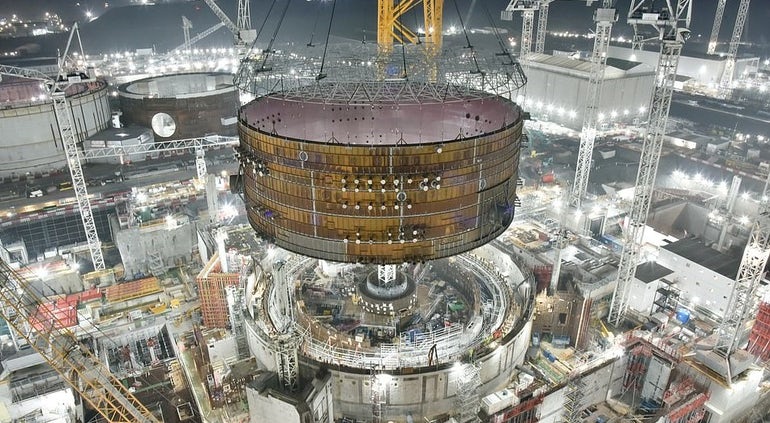
Argentina has worked to be the first Latin American nation to engage in the Small Modular Reactor Technology (FIRST) initiative, backed by the United States. This illustrates the shared dedication to enhancing the civil nuclear energy collaboration, promoting global energy security, and accelerating the responsible implementation of advanced nuclear energy in South America. The initiative assists nations in implementing small modular reactors (SMRs) while adhering to safety, security, and environmental criteria. It additionally promotes collaboration, sharing knowledge, enhancing capacity, and reinforcing frameworks. Argentina’s robust nuclear industry, featuring the CAREM reactor initiative, strengthens its progress. The nation aims to enhance uranium extraction, small modular reactor (SMR) development, and regulatory capabilities. This advancement provides the nation with technology transfer, training, and assistance with feasibility assessments. SMRs offer a minimal carbon footprint while delivering base-load power. Guy rod clamps offer a reliable, sturdy, and adaptable connection point for guy wires
Guy wires stabilize tall structures during the construction and maintenance of the SMR projects. The clamps are critical components in building a modern, robust electrical infrastructure needed to support SMR deployment. Guy rod clamps create the strong, reliable connection at the crane end. They allow the crew to tension the wires and ensure the crane remains vertical and stable during lifts. The clamps offer the necessary stability and allow for adjustments as the structure settles. Guy rod clamps fasten the guy wires to the mast at various heights. They are designed for long-term exposure to the elements and are critical for the masts’ ability to withstand wind and weather. SMRs generate large amounts of power transmitted through high-voltage cables. Guy rod clamps enable the safe erection of the complex and heavy components that make up a nuclear reactor.
Significance of the guy rod clamps on the SMR project development in Argentina
Guy rod clamps provide support and safety for electrical, mechanical, and structural stability. Guy rod clamps are mechanical fastening devices used to secure and adjust guy rods that stabilize tall structures. They are made from high-strength steel designed to grip the rod, prevent slippage, and transfer loads into anchors. High-quality guy clamps ensure grid connectivity, cooling structures, stability, and safe operations. They secure auxiliary structures, enable safe power transmission, and reinforce Argentina’s push for advanced resilient nuclear infrastructure. Here are the roles of the guy rod clamps in the CAREM SMR development infrastructure in Argentina.
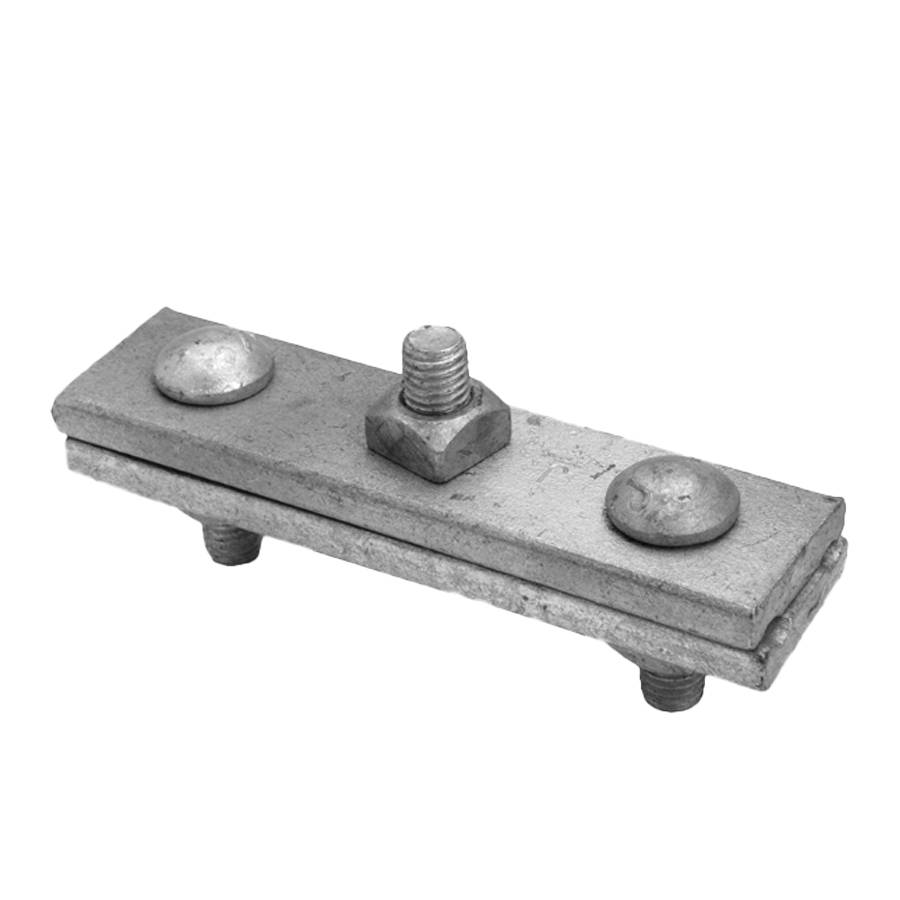
- Structural stability of auxiliary infrastructure—SMR sites involve tall stacks, cooling towers, exhaust ducts, and communication masts. Guy rod clamps secure the guy rods that stabilize vertical structures and ensure they withstand wind, seismic activity, and operational vibrations.
- Support for transmission and distribution lines—guy rod clamps hold guy rods in place for poles and lattice towers. They ensure reliable evacuation of generated electricity into Argentina’s grid.
- Load distribution and stress relief—guy clamps distribute tensile loads to prevent localized stress on poles.
- Alignment and operational integrity—proper installation of guy rod clamps maintains alignment of supported structures. Misalignment could disrupt monitoring systems.
- Environmental resilience—SMRs in Argentina need infrastructure that can withstand seismic zones and variable weather. Guy rod clamps improve resilience of structural supports and electrical lines against strong winds.
Innovative technologies aiding the development of the CAREM SMR in Argentina.
SMR advancement in Argentina employs many innovations and infrastructure for safety at both the site and grid levels. The nation leverages established reactor design knowledge, fuel-cycle capabilities, domestic manufacturing, and current nuclear locations for SMR advancement. This project features designs for operator training centers and simulators next to the location, encouraging knowledge sharing and workforce advancement. These advancements encompass
- Core reactor technology encompasses an integrated PWR system, natural circulation cooling, and passive safety mechanisms.
- Instrumentation, control, and digital systems—CAREM employs digital instrumentation and controls along with human-machine interfaces and operator training simulators to confirm operations. It also comprises extensive sensor networks for neutron flux, temperatures, pressures, containment metrics, and environmental surveillance.
- Fuel cycle and back-end infrastructure—Argentina’s uranium assets and industrial framework ease fuel production and potential export networks.
- Construction, manufacturing, and the industrial ecosystem—SMRs within the nation seek to enhance off-site modular production. Modular production and current site facilities decrease construction duration and expenses when implementing FOAK SMRs.
- Digital systems, instrumentation, and control—the deployment of SMRs requires sophisticated control systems, cyber-secure digital instruments, and model-based verification to ease factory acceptance testing and remote diagnostics