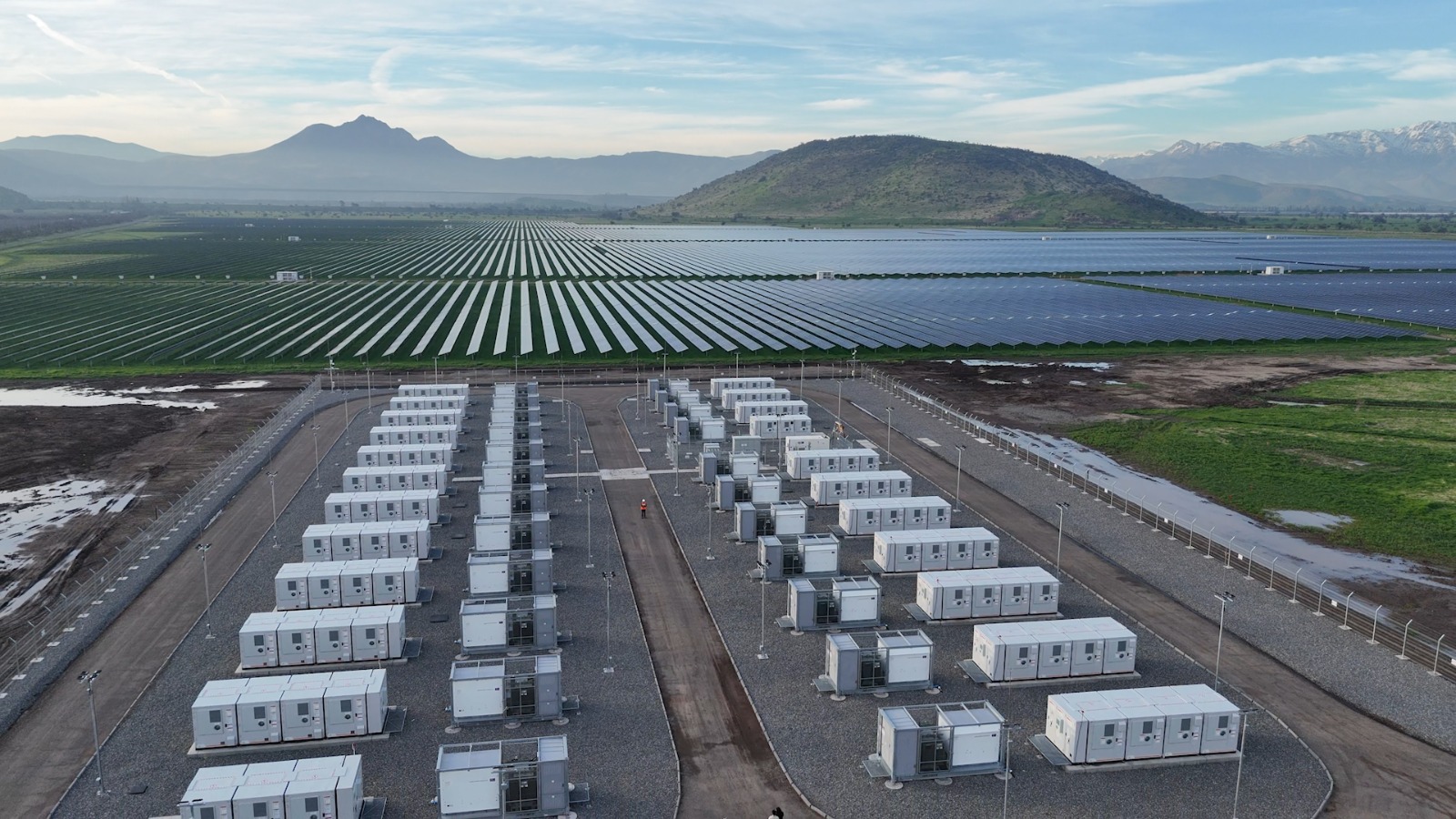
The growth of battery energy storage systems in Chile could help the country meet its 2030 target of 2GW by next year. Currently, there is over 1GW of installed BESS, with a small market with nearly 38GW of installed capacity across all technologies. This milestone in advance is shown in the pipeline that is expected in the short term, with more than 5GW of storage forecast to be added to Chile’s grid between 2025 and 2030. Additionally, Chile has growing renewable capacity, such as solar in the Atacama Desert. Pairing storage with solar increases grid reliability, reducing power outages and interruptions. Battery energy storage systems help absorb excess energy and help meet demand. This development demands physical and transmission infrastructure supported by components such as E-span clamps.
Span clamps are crucial for high-voltage interconnection, grid stability, and physical security of the BESS infrastructure. The clamps ensure the safety, reliability, and electrical integrity of the connection between the BESS and the grid. The connection between the BESS and the main grid is through a substation and overhead distribution lines. These connections depend on E-span clamps to ensure security and safety. The clamps have high mechanical strength and specific grip force to keep the phase conductors separated under stress.
The BESS facility depends on a complex network of fiber optic and copper communication cables for SCADA, grid operator communications, and security systems. By holding the clamps and preventing clashing, the clamps reduce line faults in the infrastructure. This enhances the reliability and availability of the BESS’s grid connections. The clamps allow the BESS to inject and absorb power efficiently and maintain high power quality. This is essential for the stability of the local distribution grid it’s connected to.
Potential of increased BESS capacity in Chile
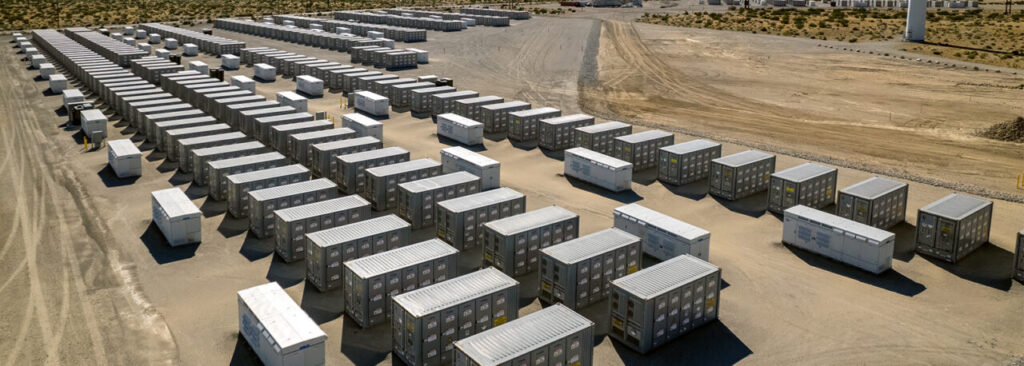
With high levels of solar in the Atacama Desert and rapid storage growth, developers have confidence that future renewable output will not go to waste. More battery storage capacity positions Chile to capture and use a larger share of midday solar instead of curtailing it. This strengthens investment pipelines and raises the long-term value of renewable power assets. Higher BESS deployment supports deeper coal retirement without sacrificing reliability. Additionally, fast-response storage can stabilize frequency, provide reserve power, and smooth fluctuations from variable renewables. This helps the grip operate under lower fossil baseload conditions. Increased storage reduces dependency on expensive imported fuels, enables competitive industrial power pricing, and improves energy resilience for sectors operating in remote areas. Using E-span clamps protects the critical control systems that allow BESS to integrate renewables and stabilize the Chilean grid.
Functions of the E-Span clamp in BESS infrastructure
Battery energy storage systems are crucial for the development of Chile’s grid. The systems store excess solar and wind power for use during peak demand. They ensure a stable, round-the-clock energy supply. E-Span clamps secure overhead conductors used in power transmission to and from the BESS facilities. The clamps provide the mechanical strength, electrical continuity, and environmental resilience to connect clean energy to the grid. Here are the functions of the E-Span clamps in BESS infrastructure.
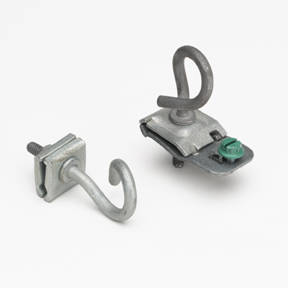
- Providing mechanical support—E-span clamps secure conductors over lone transmission lines. They enable the cables to remain stable and properly tensioned.
- Maintaining electrical continuity and stability—the clamps ensure uninterrupted electrical conductivity across the lines. This helps reduce energy loss and improve power reliability for BESS operations.
- Damping vibration and reducing mechanical fatigue—E-span clamps help to absorb and distribute mechanical stress. They ensure the long-term stability of BESS connection lines.
- Supporting energy transition infrastructure—E-span clamps contribute to the structural and electrical infrastructure of Chile’s renewable ecosystem. They ensure efficient power transfer between solar plants, wind farms, and energy storage facilities.
BESS as a key driver for investments in Chile
Chile’s battery energy storage is becoming a magnet for capital where investors follow stable frameworks and scalable markets. Chile has shown that clean energy growth is not a political cycle project. Key drivers for investment include a strong renewable foundation, clear revenue opportunities, regulatory visibility, high renewable penetration, and industrial demand growth. Other factors strengthening Chile’s investment include market structures, coal retirement, strong ESG alignment with global green-finance mandates, and active involvement of pension funds. The development, however, still requires transmission upgrades with components like E-span clamps, value storage flexibility, and environmental timelines for rapid scaling.