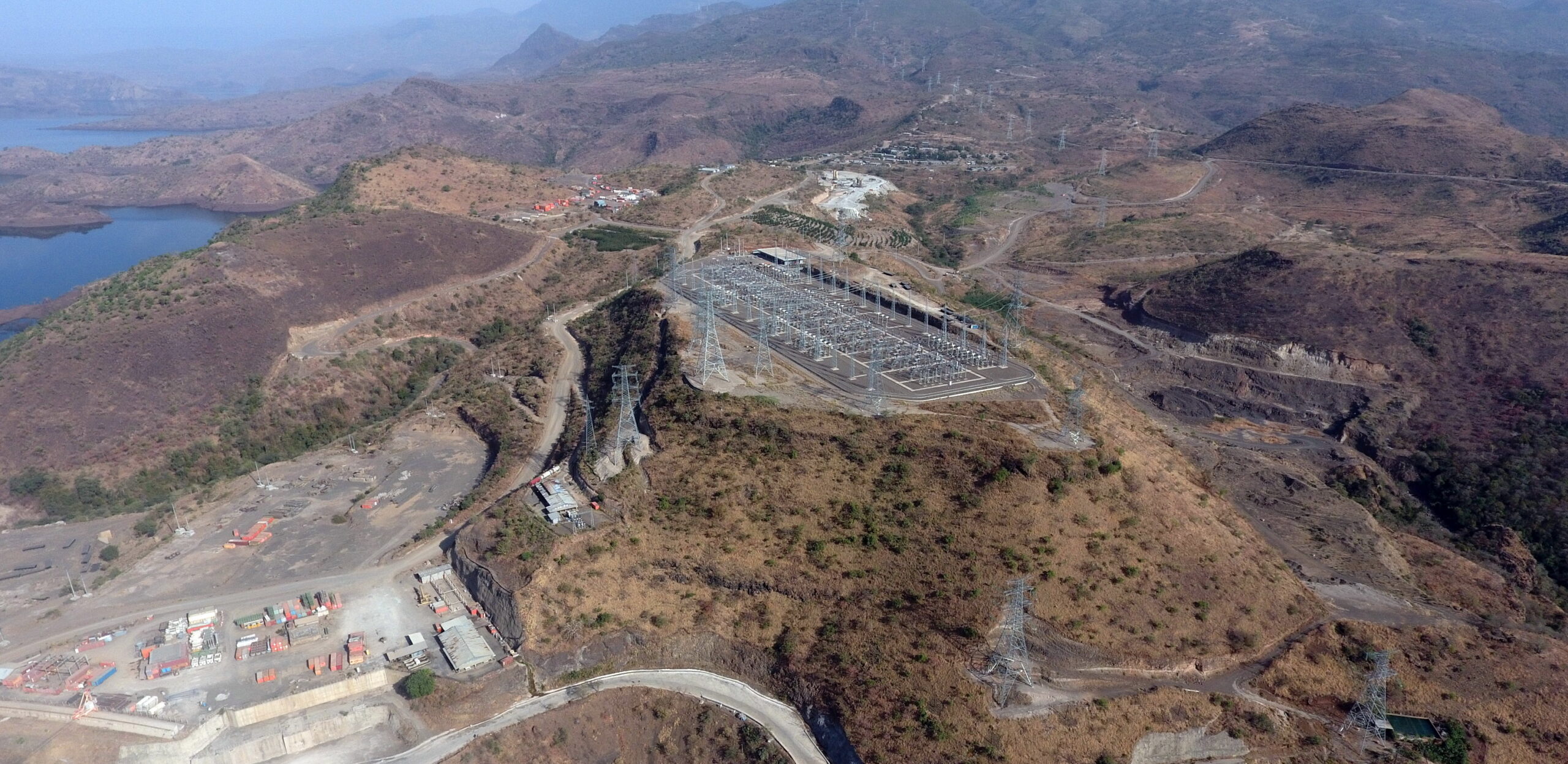
Argentina recently decided to transfer four main hydropower business divisions to indigenous enterprises. The units have a total capacity of 4 GW. The 4 GW capacity necessitates modernization, investment, and upgrades throughout the transmission networks. Additionally, as the country continues to integrate wind and solar, hydropower will serve as a balancing anchor for renewable expansion. Modernization and upgrades will enable operators to deliver faster load balancing, frequency regulation, and voltage support, as well as transfer more clean electricity throughout the region. This will also benefit the renewable ecology by reducing reliance on thermal plants. A modern hydro-powered grid reduces the risk of blackouts, lowers operating costs, and allows for better preparation for extreme weather events. Using shackle insulators helps to modernize the grid. This is to ensure reliability, smart monitoring, and efficient power delivery.
Electrical insulators provide power to plant systems such as lighting, cranes, cooling, and control systems. The insulators provide excellent insulating for interior circuits. Shackle insulators provide grid robustness because to their high-quality materials. Polymeric insulators offer isolated mounting sites for data collection networks. These networks contain sensors and Internet of Things (IoT) devices. They serve as the basic insulation for systems that support voltage, regulate frequency, and enable black-start capability.
Shackle insulators are critical, cost-effective insulation for auxiliary and distribution circuits in plant operation. Insulators help the plant be more resilient, safe, and need less upkeep. This is primarily owing to the use of polymeric materials. The insulators ensure secure, separated installation and wiring for sensor networks and control systems.
Hydropower presents prospects for system expansion and cross-border power exchange
Local hydropower management in Argentina opens up potential for national grid expansion and cross-border power exchange. With 4 GW of hydro capacity, Argentina can coordinate its generation, transmission, and regional power strategy. This creates prospects for a more diverse energy landscape in which local operators can collaborate with national authorities to plan long-term grid development. This necessitates the installation of extra transmission lines connecting hydropower regions to high-demand areas. Proper hydropower management enables Argentina to export clean power, reduce its dependency on foreign fuel imports, and form strategic alliances to strengthen economic connections. By harmonizing with national objectives, Argentina presents itself as a regional clean energy hub. This improves export stability, flexibility, and renewable electricity in South America.
Shackle insulators for hydropower upgrade and integration in Argentina
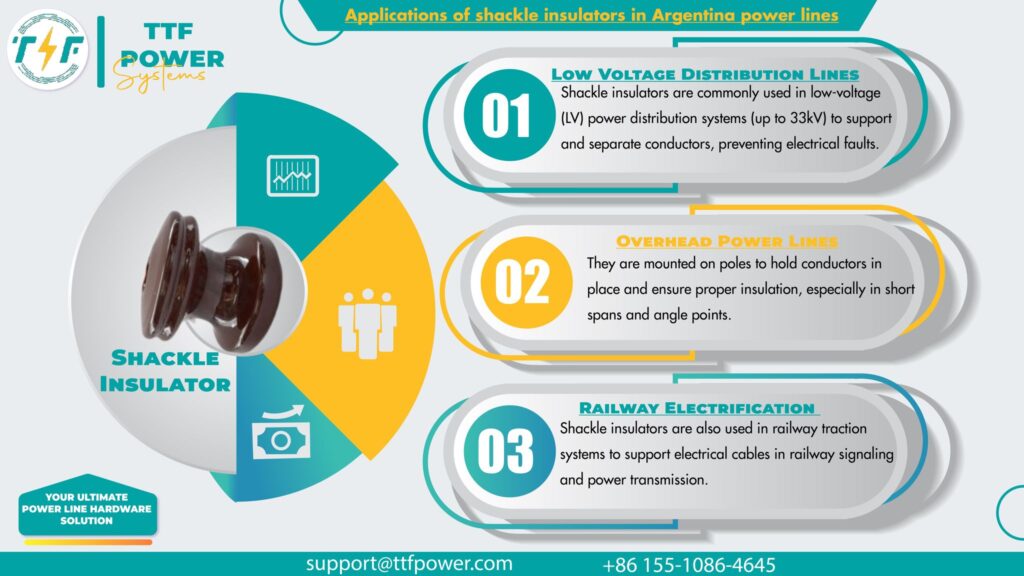
Shackle insulators are critical as Argentina modernizes its plants and upgrades transmission lines. The insulators ensure that generated power from hydroelectric plants is supplied safely and dependably. This is critical as the country incorporates more wind and solar into hydropower. Insulators provide the following functions in Argentina’s modernization and integration.
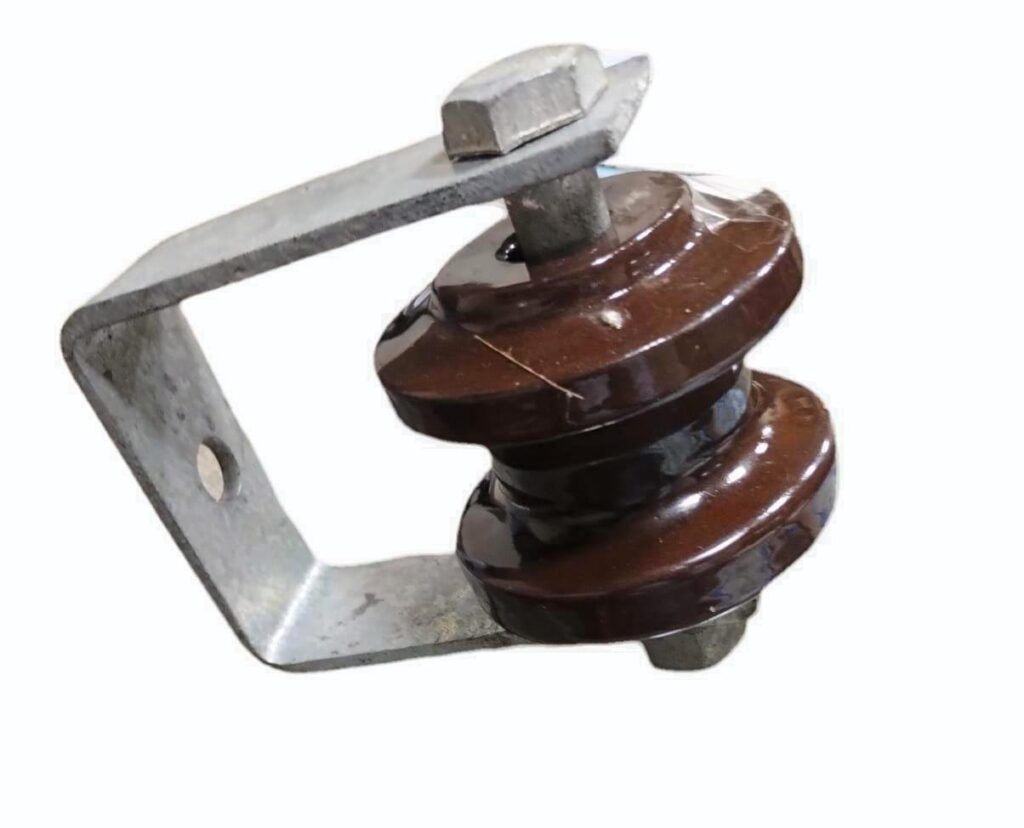
- Electrical isolation—shackle insulators prevent unintended current flow between energized conductors and supporting structures. They serve in low- and medium-voltage distribution lines, switchyards and power systems, and plant service lines.
- Supporting mechanical loads—the insulators carry mechanical tension and electrical insulation functions. They keep conductors supported in areas that limit other insulator types.
- Integration with smart grid monitoring systems—the insulators ensure stable conductor positioning and maintain clean power flow. They also support auxiliary circuits used for monitoring, metering, and communication equipment.
- Improving grid stability in renewable integration—shackle insulators ensure dependable connections inside hydro plants. They maintain conductor alignment and insulation for stable auxiliary power and control circuits.
Strengthening Argentina’s transmission network with hydropower
Argentina can use hydropower to improve its transmission network. It provides stability, flexibility, and capacity to allow Argentina to modernize lines, incorporate renewables, and reduce outages. Here’s how hydropower improves the transmission system.
- Stable power—hydropower delivers continuous and controllable electricity in Argentina. This helps operators to expand the network to remote regions.
- Enabling peak load and frequency regulation—modern hydropower provides spinning reserves, regulating grid frequency to prevent instability, and ensuring reliable delivery.
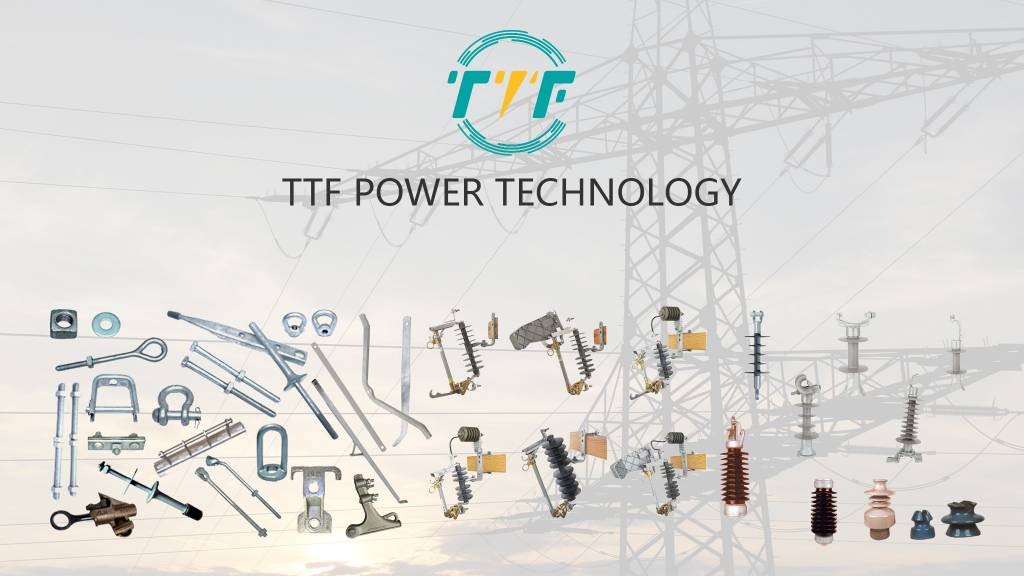
- Enabling upgraded and higher-capacity lines – modernizing the transmission hardware leads to the installation of advanced line supports such as clamps and shackle insulators. It enhances substations and protective relays for long-distance connectivity.
- Renewable integration—by stabilizing transmission flows, hydro allows greater penetration of variable renewables and smooth integration of distributed energy resources into the grid.
- Improving grid reliability—hydro plants maintain stable flows, reduce line faults, and enable fast recovery from outages through coordinated control.