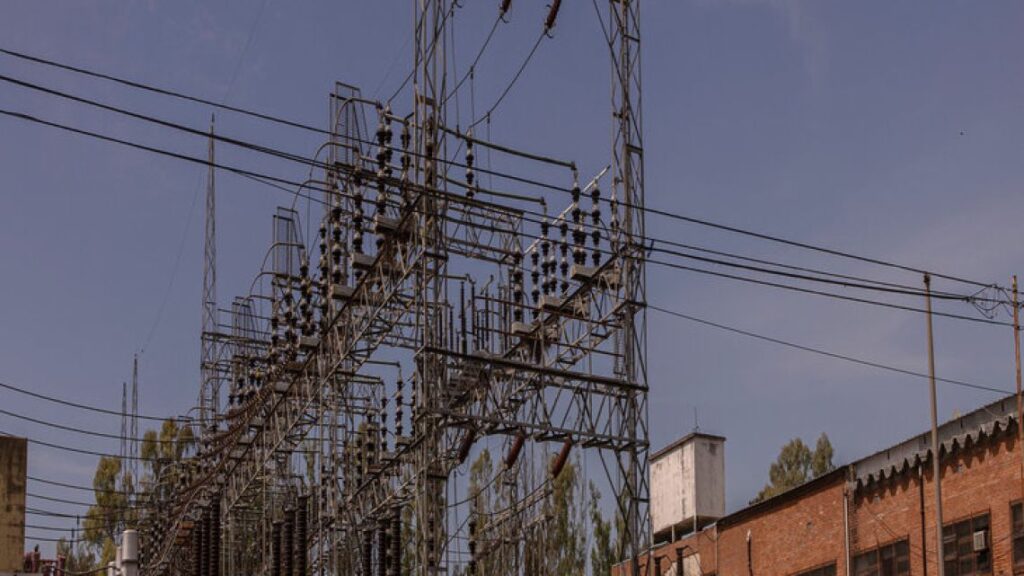
Argentine firm SECCO is leading in energy solutions by developing on-site power generation initiatives. On-site generation serves as an option for industries seeking to lower expenses, enhance efficiency, and maintain the continuity of their operations. SECCO offers customized solutions that lower the cost per kWh. This aids in avoiding disruptions in production operations and promotes more sustainable energy management. The firm creates and manufactures medium- and high-power devices for the customers. SECCO has set up over 1,500 MW at 160 power generation facilities functioning in isolated systems or linked to Argentina’s grid. Its technology facilitates the incorporation of renewable energy, such as solar PV and hybrid systems. The framework relies on hardware elements like a ball clevis. The clevis ensures dependability, safety, and functional adaptability throughout the facility.
High-quality clevises connect a rod to an anchor point or another component. It consists of a clevis and a ball on the connecting rod. A pin passes through the clevis and the ball to create a pivot point. This design allows for angular movement while under tensile load. Overhead conductors at the generation site face wind-induced vibrations that can cause conductor fatigue at hard clamping points. The clevis serves in on-site generation equipment like gensets, turbines, and solar trackers.
The ball clevis pivot joint accommodates movement from thermal expansion and contraction of conductors. They do so without bending the rod or transferring undue stress to the structure. The clevis allows the connected system to adjust and maintain tension and integrity. The ball clevis acts as a flexible joint to dampen vibration and prevent metal fatigue in support rods and structures. The clevises also support the guy wire and stay rod systems that stabilize the infrastructure.
Effects of on-site electricity generation in Argentina’s energy industry
On-site energy generation is expanding and impacting Argentina’s energy industry, transforming the production, distribution, and consumption of electricity. An increasing number of industrial users, commercial establishments, and significant infrastructure projects are embracing decentralized generation systems. These affect costs, structural, economic, and environmental results for the national energy system. On-site production encourages decentralization, effectiveness, and sustainability. This is essential for creating a more robust, competitive, and national energy infrastructure.
Functions of the ball clevis in on-site generation infrastructure
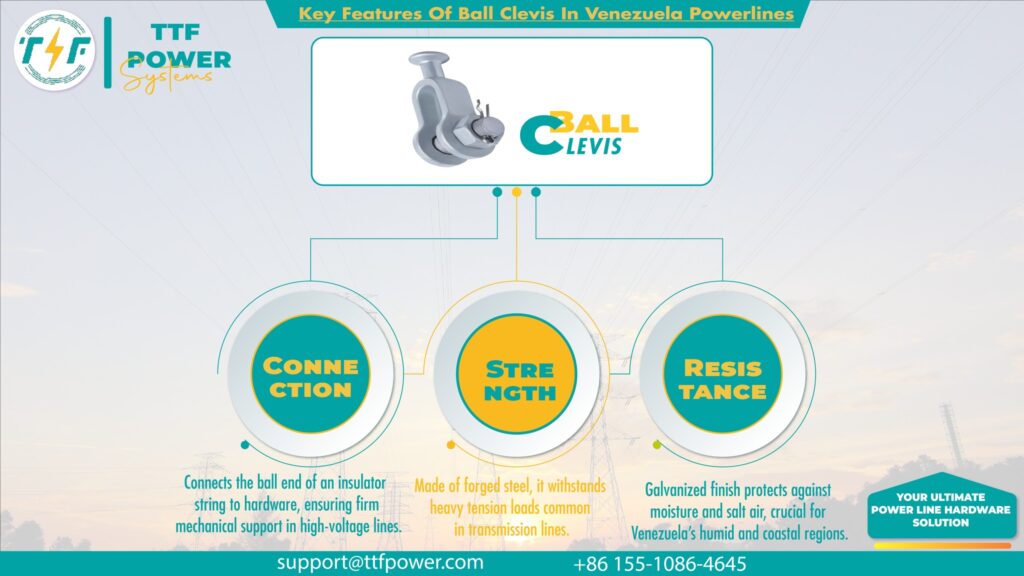
The ball clevis is a specialized mechanical connector used in overhead transmission systems, substation hardware, and support structures. It provides structural, mechanical, and reliability. This ensures that high-voltage power lines and insulator assemblies perform reliably under operational stresses. Here are the functions of the ball clevis in Argentina’s on-site generation infrastructure.
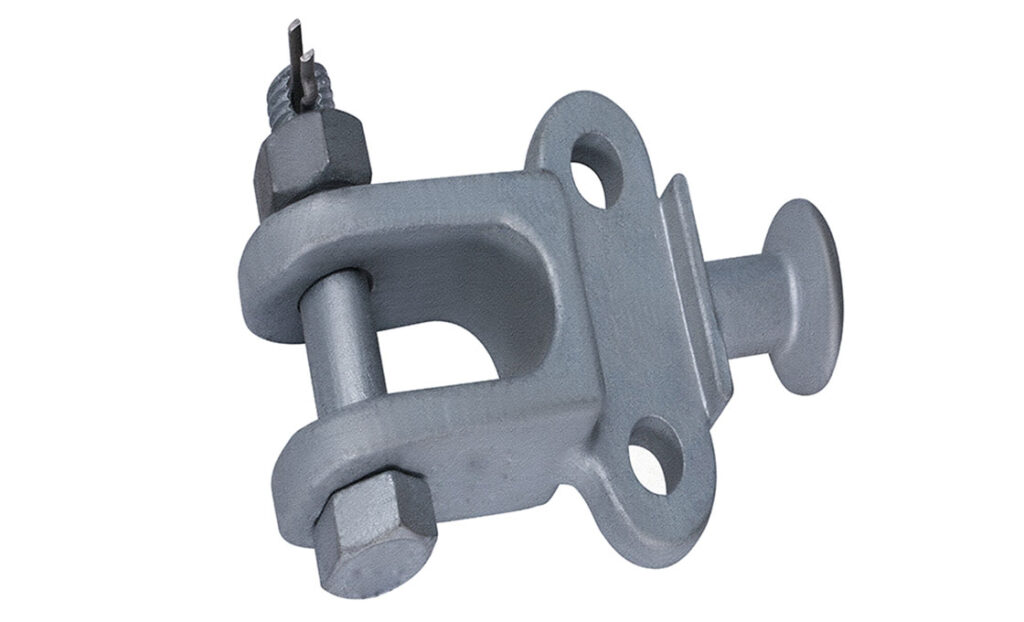
- Load-bearing connections in high-voltage lines—the ball clevis connects insulator strings to tower fittings. Their designs provide a secure connection while allowing controlled angular movement between components.
- Absorbing dynamic mechanical stresses—the clevis accommodates dynamic forces by providing a pivot point that absorbs motion. It reduces fatigue at connection points, reduces the risk of mechanical failure, and improves the longevity of the hardware.
- Ensuring structural stability—ball clevises withstand corrosion, harsh environments, and high mechanical loads. They protect overhead line assemblies, provide a robust mechanical link, and support grid reliability.
- Supporting transmission towers and substations—the clevis links insulators to yoke plates or suspension fittings. They enable controlled movement while maintaining secure attachment.
Benefits of on-site generation in Argentina
On-site production enables industries and energy users to address increasing electricity prices, grid limitations, and the necessity for enhanced operational durability. Generating electricity close to or on-site where it is used can tackle economic, technical, and sustainability issues. Main advantages consist of
- Lowered energy expenses—network fees are influenced by fluctuations in fuel prices, transmission costs, and regulatory changes. On-site generation utilizes natural gas, solar PV, or hybrid systems, enabling industries to reduce their expenses.
- Enhanced grid reliability—grid fluctuations and local power failures present dangers for industrial operations. On-site power production improves energy security by providing a reliable and uninterrupted electricity source independent of grid efficiency.
- Reduced transmission losses and infrastructure limitations—on-site generation is essential for remote and industrial areas where upgrading grid infrastructure is expensive. The ball clevis ensures correct conductor alignment during angle adjustments.
- Backing for sustainability and decarbonization objectives—on-site energy production facilitates the adoption of renewable energy and advanced efficiency technologies. Combined heat and power systems lower greenhouse gas emissions, enhance fuel efficiency, and assist businesses in fulfilling environmental, social, and governance obligations.