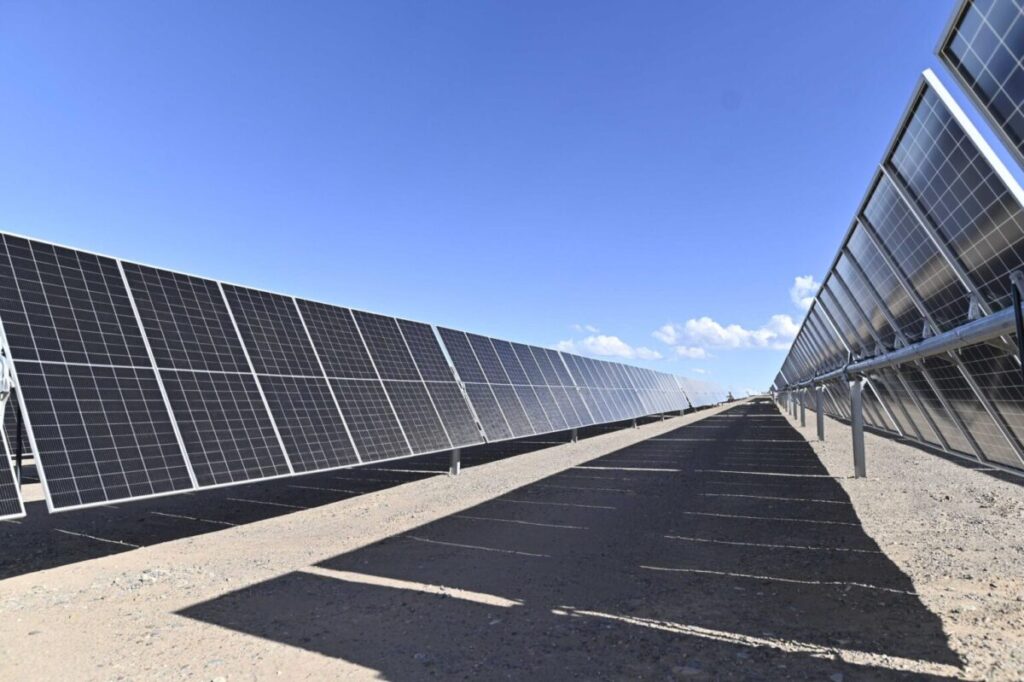
Argentina’s energy transformation is accelerating as a result of the country’s increased access to solar electricity. The shift focuses on grid modernization, utility-scale capacity increase, and indigenous manufacturing. By modernizing transmission lines and increasing generation capacity, the government may cut energy imports, stabilize electricity costs, and improve long-term energy security. Argentina is developing a new transmission line that will provide 180 MW of transport capacity. It also plans to open its own module plant, which is projected to produce between 450 and 500 MW each year. Such growth necessitates the expansion of supporting infrastructure, such as the 132 kV double-circuit transmission line under construction. It will contribute 180 MW of extra capacity to the grid and enable the interconnection of substations. This expansion will lead to the increased use of power line hardware components such as an insulated secondary clevis.
Secondary clevises are used to attach hardware to insulators or structures. It employs a dielectric barrier or coating for usage in the high-voltage and sensitive conditions of utility-scale solar. The insulated secondary clevis makes a mechanical connection while eliminating unwanted electrical currents. The insulation establishes a specified creepage distance, increasing resistance to flashover. An insulated secondary clevis also allows the OPGW cable to be grounded at the substation end, providing lightning protection. This serves to limit the passage of induced current across the span, lowering losses and preventing heating.
Solar plant switchyards and grid connecting points use substations with flexible bus jumpers to reduce the effective air gap between grounded structures. An insulated secondary clevis links jumpers to dead-end insulators, providing an extra layer of surface insulation. They aid to prevent flashover and leakage current, which can cause heating, radio interference, and outages. The clevis provides a protected surface that resists tracking and degradation in a variety of circumstances.
Strategic implications of solar technologies in Argentina’s energy sector
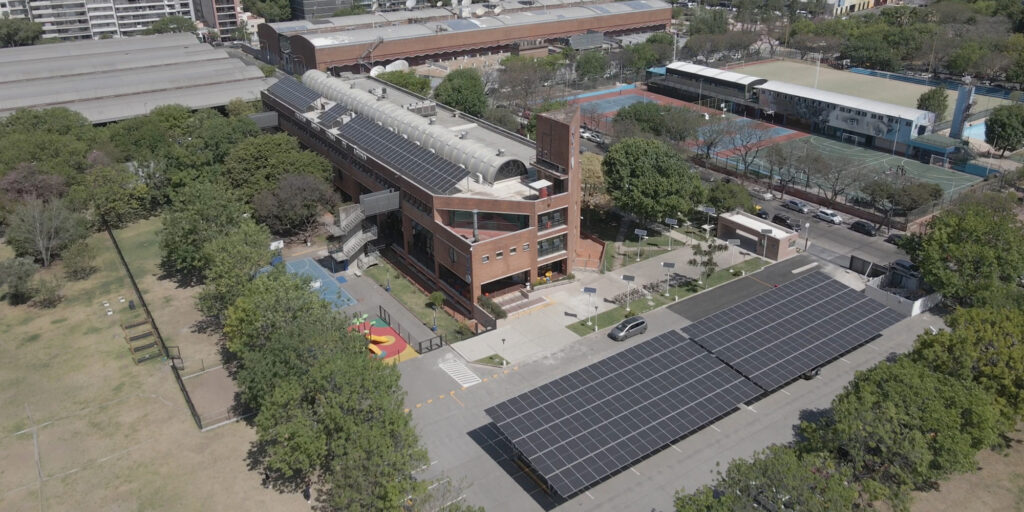
The implementation of modern solar technology in Argentina provides benefits that go beyond generation capacity. Solar expansion improves grid stability and resilience, reduces reliance on fossil fuels, increases energy security, encourages investment, and promotes industrial development. Emerging technologies contribute to Argentina’s energy sector transitioning to a technology-driven power system, hence increasing national competitiveness.
Insulated secondary clevis in photovoltaic expansion architecture
The insulated secondary clevis is a mechanical and electrical component of the solar expansion infrastructure. It is used in utility-scale photovoltaic (PV) systems and medium- and low-voltage distribution networks. Its function is to ensure stable mechanical articulation and electrical separation between electrified cables and structural support gear in demanding outdoor settings. The following are the purposes of the secondary clevis in solar infrastructure.
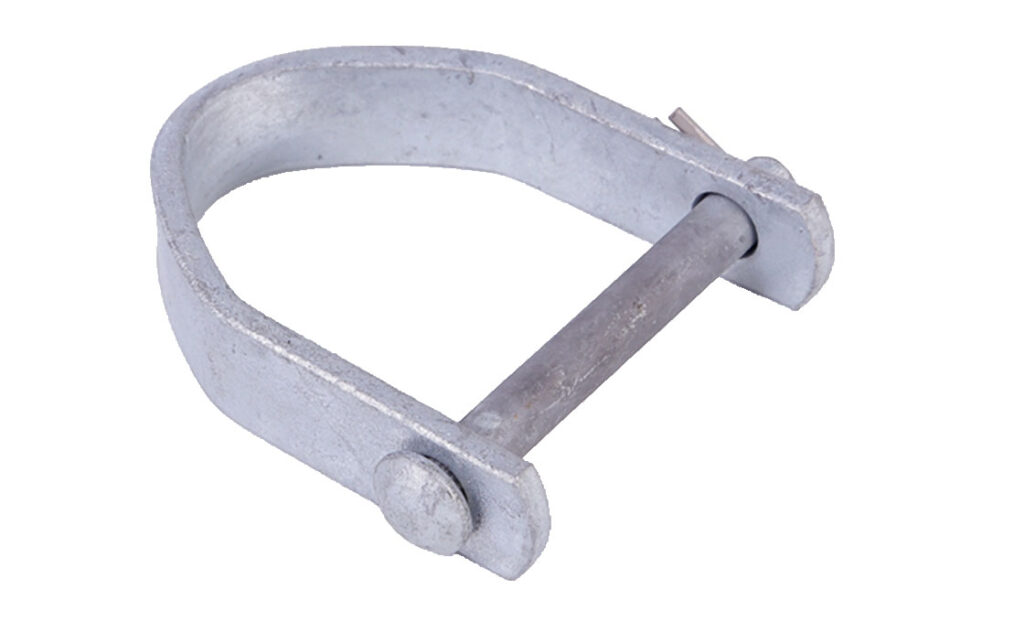
- Mechanical load transfer and line stabilization—the insulated secondary clevis serves as a mechanical linkage between insulators, conductors, and crossarms. It absorbs and transfers axial and transverse mechanical loads generated by tension, wind pressure, and thermal expansion.
- Electrical insulation and fault risk reduction—the clevis maintains electrical isolation between energized secondary conductors and grounded metallic structures. The insulation layer prevents leakage currents along metallic hardware paths. It also reduces the probability of flashovers during humidity, dust, or salt exposure.
- Vibration damping and fatigue protection—the insulated secondary clevis contributes to damping micro-vibrations transmitted through insulated conductors. It also reduces metal-to-metal fatigue and insulation cracking.
- Corrosion resistance—the clevis units used in solar infrastructure are from polymer-coated, fiberglass-reinforced, or epoxy-encapsulated designs. These materials provide resistance to UV degradation, corrosion protection, and improved performance under temperature cycling.
New innovations support Argentina’s solar power expansion
Argentina is implementing next-generation technologies for generating, grid integration, storage, and manufacturing. The advancements allow for speedier project implementation, increased system efficiency, and greater grid stability. These technologies include:
- High-efficiency photovoltaic module technologies—the country is shifting toward advanced PV cell architectures that maximize output. They include bifacial PV modules, PERC (passivated emitter and rear cell), and hydrophobic coatings.
- Single and dual-axis solar tracking systems – single axis trackers rotate panels to increase energy harvest by up to 25%. The dual-axis trackers optimize tilt and orientation for maximum irradiance capture. It also includes AI-driven control algorithms that adjust positioning in real-time based on weather forecasts.
- Grid-forming inverters and power electronics—modern power electronics are changing how solar plants interact with the national grid. The technologies include grid-forming inverters, advanced reactive power control, and fault ride-through capabilities.
- Battery energy storage systems—this includes the use of lithium-ion BESS, hybrid PV and storage plants, and AI-based dispatch systems that optimize charge and discharge cycles.