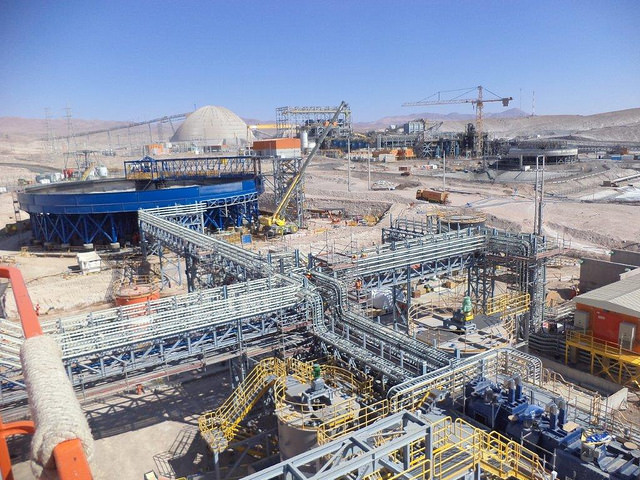
Energy transformation, economic and legal improvements, and revitalized bilateral diplomacy are all working together to ease Chile and Argentina’s cross-border mining initiatives. The Andes region contains about 1.2% of the world’s copper resources and 0.4% of the world’s copper reserves. Copper is a crucial metal for electric vehicle motors, large-scale battery storage, wind turbine wiring, and renewable energy system implementation. Its demand is being driven by electrification in transportation, power generation, and industrial systems. Wind turbines, solar farms, transformers, substations, and transmission networks all need large amounts of copper. Governments and investors are evaluating Andean infrastructure using resilience frameworks. Copper extraction in this location will need railway connections, power transmission lines, desalination facilities, and international logistics paths. These connections will depend on strong power line equipment like suspension insulators. These insulators are suspended from the mining infrastructure to provide versatility and adjustability in various settings
Suspension insulators hang the wire from above by stringing together disc-shaped sections. They enable the safe installation of electricity lines across uneven terrain. The string arrangement enables the insulator to swing and rotate, absorbing angular changes and strain. This increases robustness in mining locations prone to subsidence, which can cause inflexible towers to lean. Adding more discs to the string improves their voltage rating. A high voltage rating provides a cost-effective method of transmitting the large volumes of high-voltage power required for crushers and concentrators. The insulators power electric haulage locomotives in tunnels with a DC suspension mechanism designed to endure extreme humidity.
Quality assurance for suspension insulators used in the copper mining infrastructure
Suspension insulators serve in high-voltage transmission and distribution systems. They help to power crushers, conveyors, substations, smelters, and mineral processing operations. Quality assurance ensures that insulators can endure dust, vibration, moisture, chemical exposure, and temperature variations. QA also ensures dependability, electrical safety, and operational continuity. The process starts with material inspection for manufacturing. Porcelain, glass, and polymers are commonly used materials.
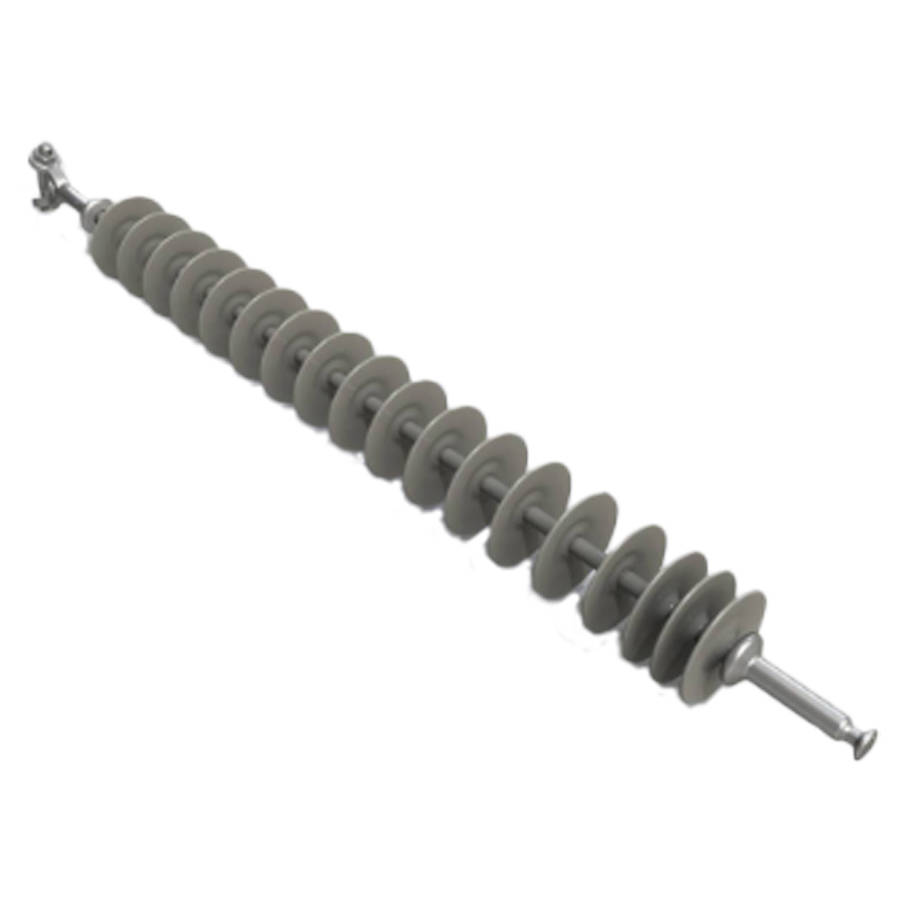
Manufacturers test for aluminum concentration, clay purity, mechanical strength, and thermal shock resistance. The procedure also comprises mechanical strength testing, electrical performance testing, environmental resistance testing, corrosion protection inspection, and normal production testing. Effective QA decreases system failures, increases operational dependability, and ensures power supply for energy-intensive copper mining operations.
Functions of suspension insulators in copper mining infrastructure in the Andean region.
Suspension insulators are critical components of the electrical infrastructure that enables copper mining operations. They contribute to power generation for drilling, crushing, ore transportation, smelting, water pumping, and mineral processing. Suspension insulators support and electrically separate high-voltage wires in transmission and distribution networks that supply mining facilities. Here are the primary functions of suspension insulators in infrastructure.
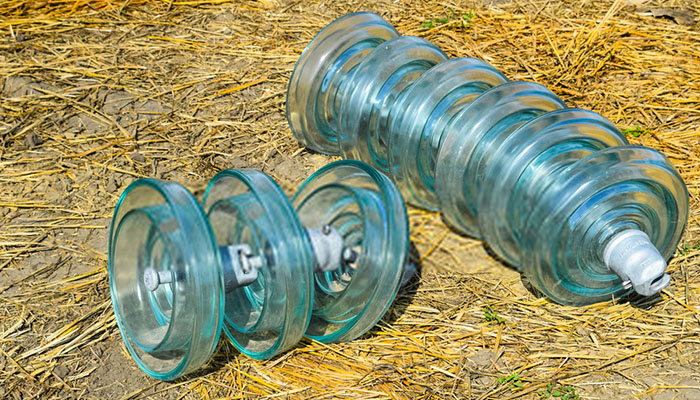
- Supporting high-voltage conductors—suspension insulators support overhead transmission conductors while isolating them from transmission towers and poles. Suspension insulators carry the mechanical load of heavy conductors while preventing electrical current from flowing into grounded steel structures.
- Providing electrical insulation—suspension insulators prevent leakage between energized conductors and grounded structures. The insulators maintain dielectric separation under high humidity, dust contamination, and snow at high elevations.
- Supporting long-distance power transmission—Suspension insulators enable long-distance transmission lines to transport electricity across the terrain. They maintain conductor spacing, reduce electrical losses, and stabilize transmission structures.
- Improving grid reliability for mining operations—the insulators help maintain transmission reliability by preventing electrical faults, reducing flashover risks, and handling switching surges.
- Supporting renewable energy integration—suspension insulators support transmission infrastructure connecting renewable energy systems to mining operations. They improve grid stability and enable sustainable mining electrification.
Opportunities for copper extraction in Argentina’s energy sector
Argentina’s energy industry is aligned with the strategic convergence of resource development, power infrastructure expansion, and the global electrification economy. Copper mining is critical to the convergence because it plays an important role in the energy transition. The consequences on the energy sector include:
- Strategic advantage – copper plays a role in electrical transmission networks, renewable energy frameworks, electric automobiles, battery technologies, and substations.
- The connection between copper extraction and the growth of renewable energy – significant copper operations need electricity for crushing, grinding, pumping, and processing minerals. This generates chances for renewable energy advancement in mining corridors.
- Growth of transmission infrastructure – distant mining activities need high-voltage power lines, substations, and international links. Increasing transmission lines associated with mining development enhances grid dependability, industrial links, and energy export potential.
- Enhancement of industrial and processing capabilities – an increase in copper mining can bolster local industries associated with transformers, cables, conductors, and renewable infrastructure.