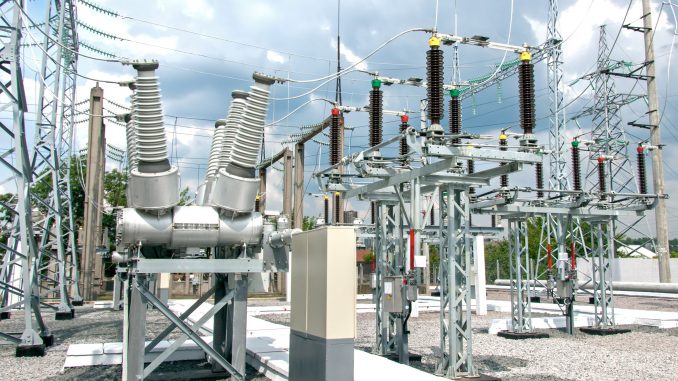
Partnerships with multinational energy corporations, equipment manufacturers, research institutions, and investors provide access to sophisticated technologies that help Argentina’s energy transition. Renewable energy development, infrastructure modernization, industrial capability improvements, and technical skill strengthening all have an impact on technology transfer in Argentina. Technology transfer has led to the adoption of operating procedures that improve the efficiency and reliability of renewable energy plants. It also accelerates the modernization of Argentina’s aged transmission and distribution systems. This is accomplished by smart grid systems, digital substations, automated distribution controllers, enhanced metering infrastructure, and modern conductor and insulation technologies. These technologies compromise grid resilience, defect detection, energy monitoring, load balancing, and power quality control. The upgrading enhances utilities’ ability to incorporate renewable energy into regional systems. When used in the grid infrastructure, aluminum cable spacers maintain precise separation between conductors. The cable spacers ensure electrical safety and improve power transmission efficiency.
Aluminum cable spacers preserve the physical integrity of the wires against environmental stress. They maintain a set distance between the separate conductors and keep them from colliding owing to wind, ice loading, or electromagnetic forces during a short circuit. Many spacers have dampening features to absorb and release kinetic energy. This prevents conductor fatigue and mechanical damage at the connection locations. Cable spacers create a homogeneous electric field around the bundle. This reduces energy losses, radio interference, and increases transmission efficiency. The use of aluminum spacers decreases mechanical loads on transmission towers and support structures. The smooth design minimizes localized electric field peaks, which can result in corona discharge and power loss. Cable spacers in renewable energy stabilize bundled conductors that connect large-scale solar farms and wind parks.
Quality assurance for cable spacers used in technologies to promote grid stability
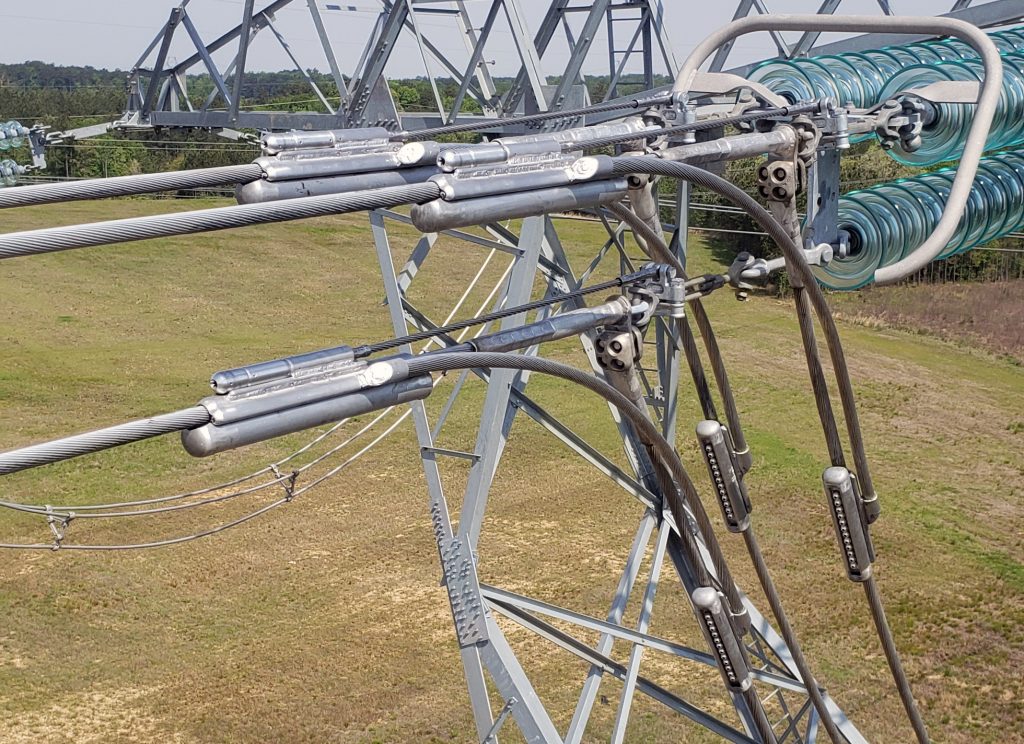
Cable spacers promote grid stability by reducing conductor movement and ensuring electrical reliability. They find application in high-voltage transmission lines, bundled conductor systems, spacer cable networks, and renewable energy interconnections. Quality assurance for spacers eliminates failures that can compromise conductor stability, electrical clearances, and transmission reliability. Cable spacers aid in the maintenance of fixed conductor separation during wind loading, thermal expansion, short-circuit forces, and vibration situations. Quality assurance assures that the spacer maintains its mechanical integrity, dimensional stability, and electrical insulation performance. Raw material verification, dimensional accuracy, mechanical performance testing, compression, and clamp force testing are all examples of quality assurance measures. The spacers are also tested for fatigue and vibration, as well as electrical and insulating performance. This ensures the cable spacers can support modern grid demands while reducing infrastructure failures.
Roles of cable spacers in grid reliability technologies
Cable spacers keep conductors separated while ensuring mechanical stability, electrical safety, and operational reliability in power networks. Cable spacers help to improve grid reliability and system resilience. The following are the functions of cable spacers in grid reliability technologies.
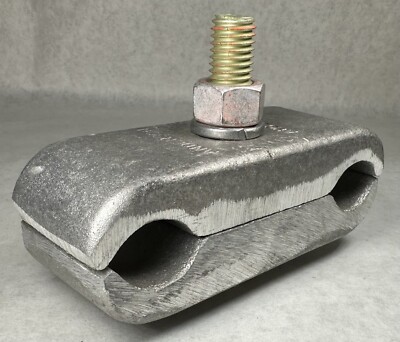
- Maintaining conductor separation – cable spacers prevent conductor clashing, phase contact, electrical flashovers, and short circuits. The spacers maintain conductor geometry under dynamic operating conditions.
- Improving transmission line stability – modern-grid reliability technologies need stable conductor positioning to maintain consistent electrical performance. The spacers reduce conductor oscillation, stabilize bundled conductors, and control mechanical displacement.
- Supporting renewable energy integration – cable spacers stabilize high-capacity conductors, support bundled conductor configurations, and improve transmission efficiency.
- Improving electrical performance – the spacers support electrical reliability by maintaining proper conductor geometry.
- Supporting high-capacity transmission expansion—Argentina’s energy transition needs expansion of transmission systems connecting wind energy, solar generation zones, industrial centers, and urban demand regions. Cable spacers help maintain operational integrity in heavily loaded transmission networks.
Impacts of technology transfer on Argentina’s grid dependability
Technology transfer improves grid dependability by introducing new electrical technology, engineering skills, digital systems, and modern operational procedures. Technology transfer affects grid dependability and stability through the following:
- Modernization of aging transmission infrastructure—technology transfer introduces transmission technologies for grid reliability. These include digital substations, high-performance conductors, smart transformers, and advanced relay protection systems.
- Improved renewable energy integration – technology transfer supports renewable integration through smart-grid systems, BESS, flexible transmission technologies, and grid-balancing systems.
- Deployment of smart grid technologies—technologies used include advanced metering infrastructure, SCADA systems, digital monitoring sensors, and automated distribution management systems. These systems improve grid reliability by enabling faster outage detection, remote switching operations, and automated fault isolation.
- Increased infrastructure durability—transferred technologies use advanced materials and engineering designs that improve infrastructure lifespan. Improved durability reduces equipment degradation, maintenance frequency, and failure rates.