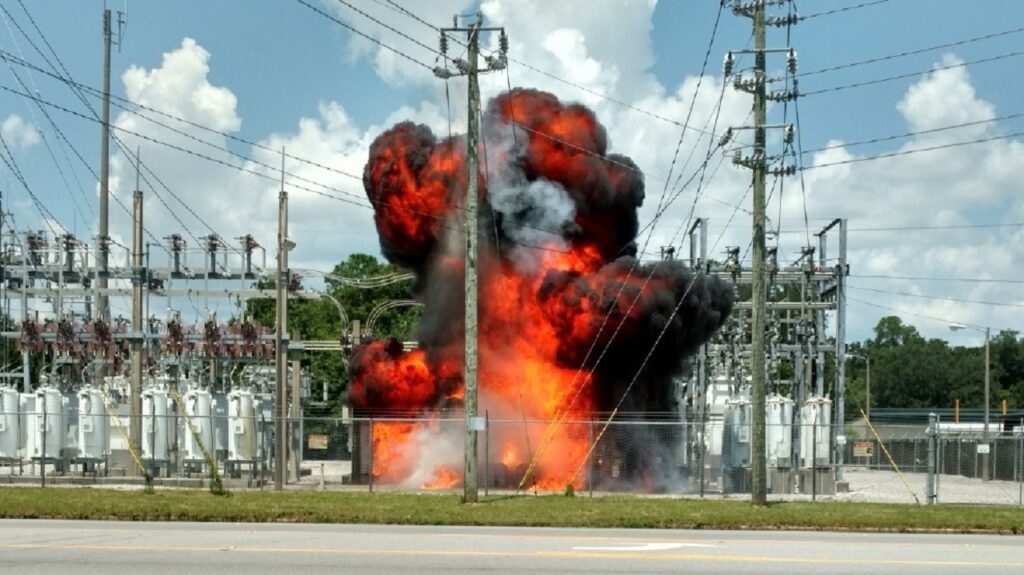
The rising heatwaves in Argentina affect multiple energy sectors, such as electricity generation, usage, and the infrastructure. These heatwaves cause widespread disruptions that leave users without power. Lately, Buenos Aires experienced significant power outages, primarily impacting the northern neighborhoods. The surplus heat raises the speed of thermal decomposition that leads to failures. The blackouts expose weaknesses in high-voltage grid parts where failures of transmission lines cause outages. Energy firms are making extra efforts to tackle the outages and guarantee resilience moving forward. They might achieve this by implementing different strategies to convert the grid into a heat-resistant system that can endure extreme temperatures. These links depend on a strong power infrastructure that can endure these elevated temperatures. This encompasses elements like a secondary clevis
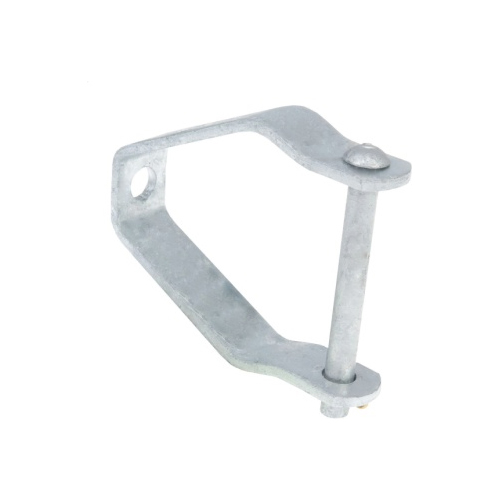
During heatwaves, the secondary clevises allow an operator to open or close a large disconnect switch. It prevents mechanical bind or jam that occurs in prolonged heat. The secondary clevis ensures the linkage operates smoothly despite thermal expansion. This allows switching operations to proceed during emergency conditions. The clevis also connects the control mechanism to the current-interrupting contacts.
Technical specifications for the secondary clevis used in protecting power infrastructure
A secondary clevis ensures secure mechanical connections, load transfer integrity, and reliability over line assemblies. The technical specifications for secondary clevises help protect conductors, insulators, and structures under diverse operating conditions. Key specifications include mechanical load and strength requirements, dimensional compatibility, material selection, electrical considerations, and environmental durability. Properly specified and installed secondary clevises help safeguard transmission and distribution assets as the grid expands to accommodate higher renewable energy penetration. They help protect Argentina’s power infrastructure during heatwaves that lead to blackouts.
The role of the secondary clevis in protecting power infrastructure during heatwaves
Power infrastructure in Argentina faces thermal, mechanical, and electrical stresses that increase the risk of degradation. The secondary clevis protects transmission and distribution systems by maintaining mechanical integrity, alignment, and load control under high-temperature operating conditions. It protects insulators and conductors from heat-induced mechanical and electrical stress. This helps support the reliability of power infrastructure under high-temperature conditions. Here is how they protect the power infrastructure during heatwaves.
- Managing thermal expansion and mechanical stress—heatwaves cause conductors to expand and increase sag. The secondary clevis helps maintain correct articulation between insulators, yoke plates, and other fittings. They allow controlled movement without inducing excessive stress concentrations.
- Preserving alignment and load transfer—the secondary clevis ensures consistent load transfer across the connection points. This prevents torsion, bending, or eccentric loading that could lead to mechanical failure.
- Supporting insulation performance—the secondary clevis protects electrical insulation. They do so by maintaining correct spacing and orientation of insulator strings. They help preserve electrical clearances and creepage distances to reduce the risk of flashovers.
- Enhancing system resilience—the clevises provide a robust, corrosion-resistant, and dimensionally stable connection. This contributes to power line resilience during heatwaves. It also helps maintain structural integrity under combined thermal and mechanical stress. They support continuous operations during peak demand.
Advancements safeguarding electrical equipment from heatwaves in Argentina
Energy firms are adopting diverse innovations and technologies to safeguard power systems from heatwaves and enhance grid resilience. Tackling these obstacles necessitates a plan that includes digital and climate-resilient grid infrastructure, decentralized energy systems, energy storage solutions, cooling technologies, and regulatory structures. These assist in converting a fragile grid into a heat-resistant power network. These advancements encompass:
- Upgrading and making grid infrastructure resilient to climate change—this entails utilizing smart grid technologies that use cutting-edge sensors and communication to align demand with supply. It additionally encompasses digital sensors and thermal observation.
- Boosting generation adaptability and community resilience—this encompasses distributed energy resources, virtual power plants, energy storage solutions, and renewable integration and diversification. These technologies assist in alleviating demand surges and decreasing dependence on temperature-sensitive generators.
- Protection of equipment and cooling solutions—energy companies can incorporate passive cooling materials and active cooling systems. They assist in lowering the likelihood of shutdowns caused by thermal stress. Insulated piercing clamps provide dependable, low-resistance connections and cut heat-stress failures.
- Operational and regulatory advancement—this encompasses integrating climate-aware grid planning, regional collaboration, investment structures, and regulatory motivations. These foster investment prospects that guarantee transmission and distribution capacity is tailored for future conditions