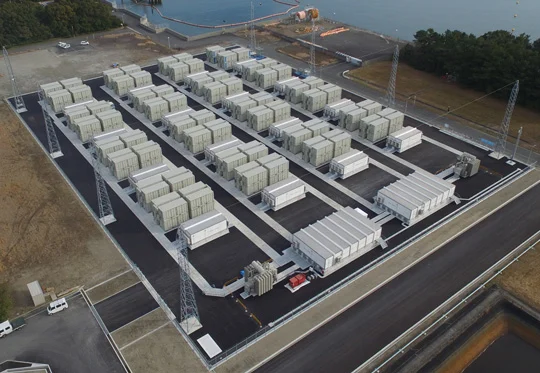
Innergex, a Canadian independent power producer, has obtained $156 million in finance for renewable energy and battery storage projects in Chile. This comprises funding for two independent battery energy storage systems, the refinancing of existing wind, hydro, and solar power projects. The two battery installations in northern Chile will have a combined capacity of 62 megawatts and a five hour storage. BESS projects will help to reduce renewable energy curtailment in Chile by storing excess solar power during the day and moving it to the evenings. Refinancing enables the corporation to optimize debt arrangements, reduce financing costs, and free up resources for future projects in Chile. This expansion will demand power transmission and distribution hardware. This includes pole line hardware, connector systems, grounding equipment, and substation connector and B strand ground clamps.
The B strand ground clamp is a mechanical and electrical connector that ensures the safety, dependability, and efficiency of BESS interconnections. A ground clamp links a messenger strand to the system’s grounding network. The clamps support the communication and control cables that connect battery containers, inverters, and control units. It avoids sagging and mechanical stress, keeping the lines stable and functioning. During a lightning strike, the clamp creates a low-resistance conduit for currents to enter the earth. This safeguards sensitive BESS equipment, including power electronics, battery racks, and transformers. B-strand ground clamps offer a reliable electrical reference for communication lines. This protects them from electromagnetic interference that may contaminate control signals for the BESS. to operate.
Quality assurance for B strand ground clamps in BESS interconnection projects in Chile
The B strand ground clamp forms a strong electrical connection between grounding conductors, messenger strands, cable sheaths, and metallic support structures. Proper grounding is required to dissipate fault currents, regulate lightning surges, and protect battery containers, inverters, and transformers. Quality assurance is carried out throughout the manufacture, testing, installation, and operation phases to ensure that the clamp provides trustworthy grounding performance.
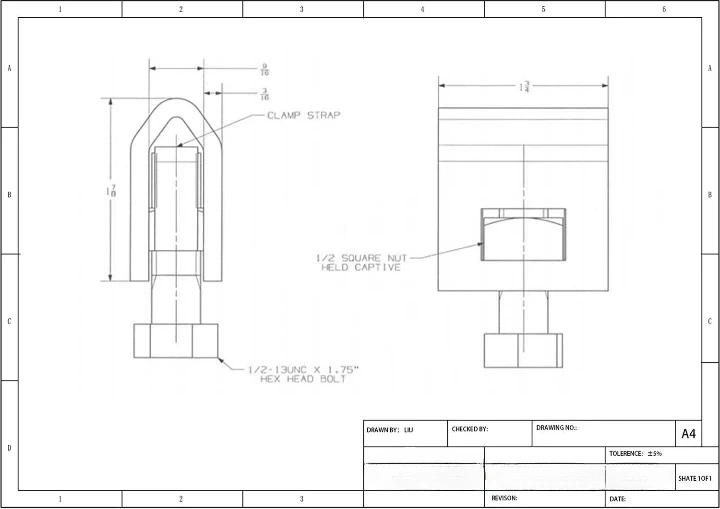
Quality assurance also aids in the detection of flaws that may cause delays in battery system operation or grid interconnection dependability. The procedure starts with material quality control, corrosion protection inspection, production verification, mechanical performance testing, and electrical continuity testing. Environmental testing, installation quality assurance, and operational inspection and maintenance are all part of the B strand ground clamps’ quality assurance.
The functions of B strand ground clamps in BESS interconnection projects
BESS interconnection projects in Chile need strong grounding and bonding systems to ensure safe and dependable operation. B strand ground clamps make low-resistance electrical connections between grounding conductors, stranded cables, metallic structures, and grounding networks. The B strand ground clamp’s performance has an impact on system safety, equipment protection, and operational reliability. Here are their important roles in Chile’s BESS connectivity projects.
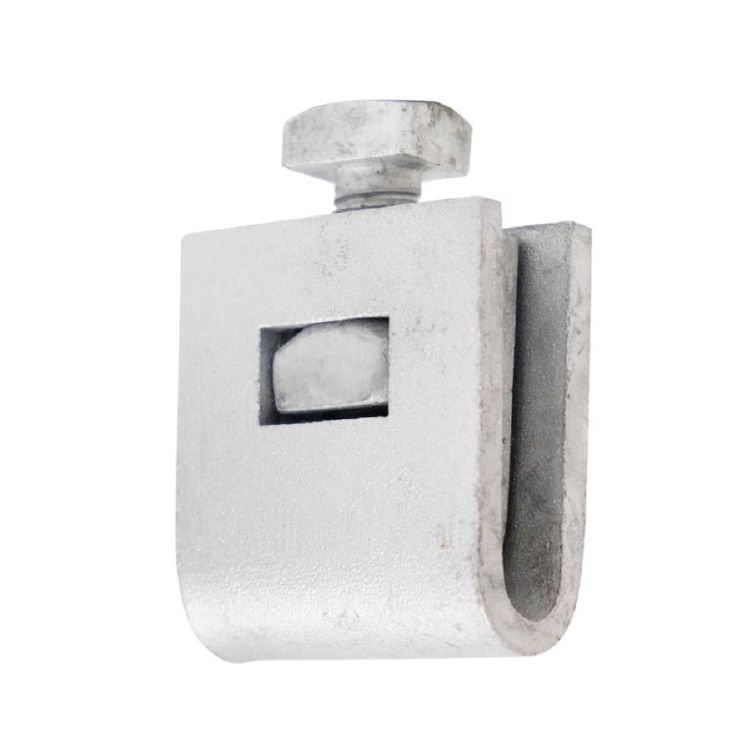
- Effective grounding paths – the ground clamps create a secure electrical connection between grounding conductors and metallic components within the BESS installation.
- Protecting BESS equipment – B strand ground clamps provide reliable grounding connections that help protect the equipment from fault currents.
- Ensuring grounding network continuity – the clamps serve as bonding points. They keep the electrical connection going throughout the entire grounding network.
- Supporting grid interconnection compliance – the clamps help project developers meet requirements related to fault current management, grounding system performance, and electrical safety regulations.
Impact of BESS projects on Chile’s electrical infrastructure
BESS initiatives are modernizing Chile’s power infrastructure by tackling issues associated with the rapid increase of renewable energy sources. BESS systems enhance grid dependability, transmission efficiency, and energy security. Here’s how BESS projects affect Chile’s electrical infrastructure.
- Enhancing grid stability—a large-scale BESS helps stabilize the power system by responding to fluctuations in generation and demand. It improves grid resilience and reduces the risk of power disturbances.
- Supporting transmission network optimization – BESS reduces congestion on transmission lines, improves transmission asset use, and delays the need for transmission upgrades.
- Renewable energy integration – the projects make renewable energy more dispatchable and reliable. This increases renewable energy penetration, supports coal plant retirement, and improves energy flexibility.
- Increasing demand for power infrastructure hardware—the development creates demand for transmission and distribution components. These include connectors and splices, B strand ground clamps, substation hardware, lightning protection equipment, and cable accessories.