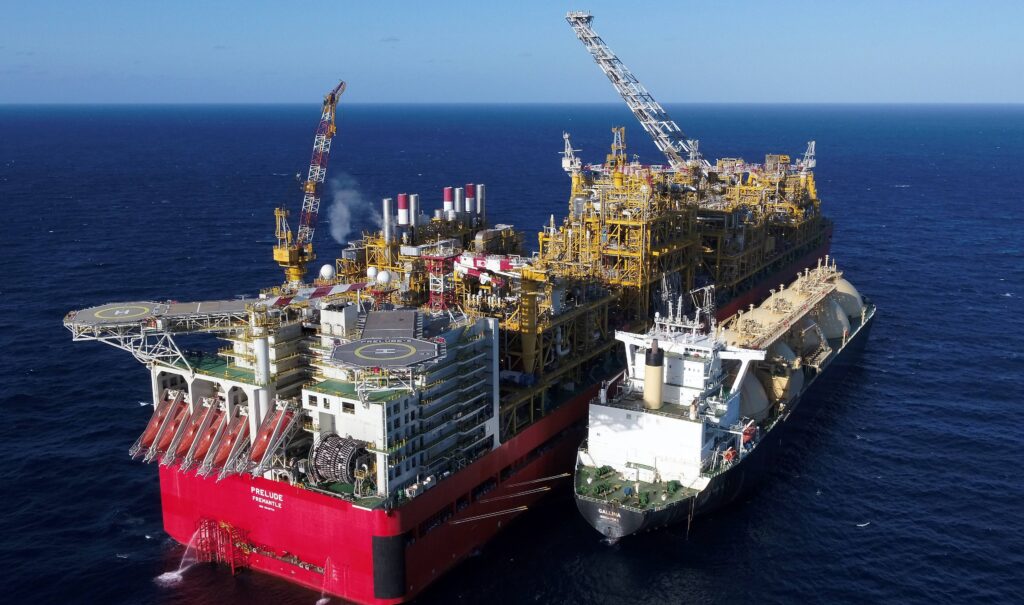
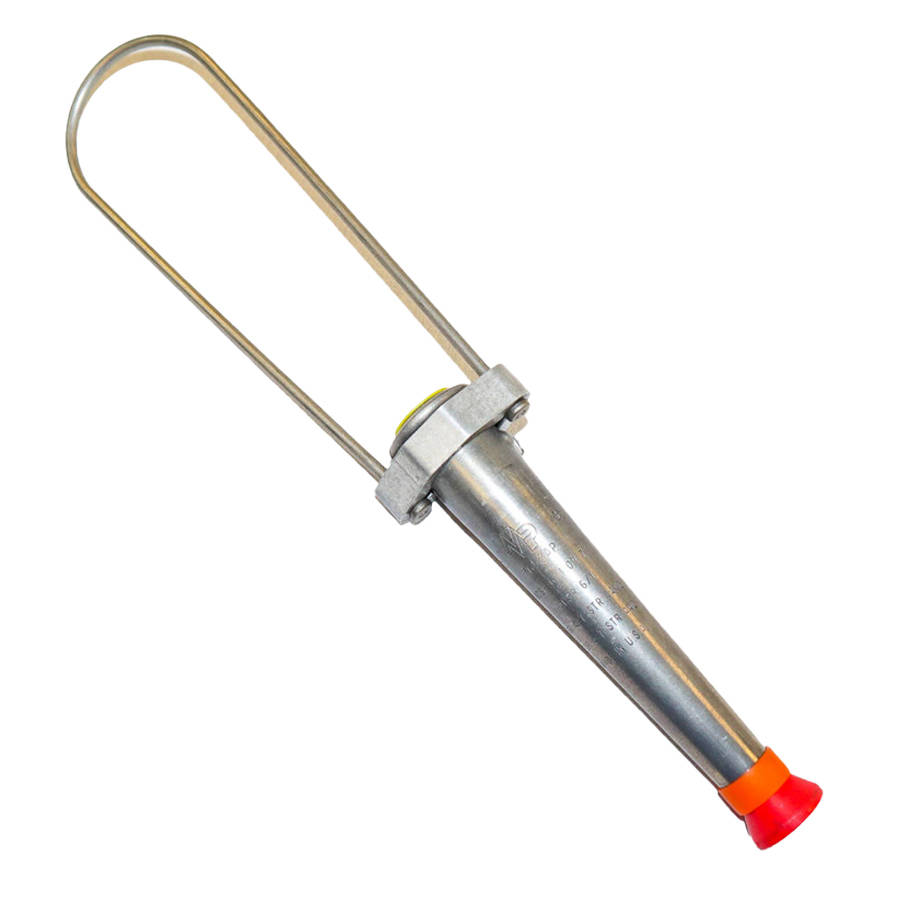
Argentina has joined the global LNG market, marking a change in South America’s energy export approach. The contract between Argentina GNL and Switzerland’s SEFE indicates more than just a business arrangement. It signifies Argentina’s emergence as a nation exporting LNG. Argentina possesses abundant resources from the Vaca Muerta shale deposit. Finalizing the export deal enables the nation to show its capability to produce, transport, and market gas according to global standards. The formation provides dependable gas supply and cost-effective production expenses. By means of investment, clear regulations, and optimized infrastructure, the nation has the opportunity to emerge as a significant LNG supplier in the Southern area. The pact will result in enhanced growth of infrastructure like floating liquefaction ships. Automatic deadends are placed between pipe flanges and can be used remotely to insert a solid blind plate
The development of floating LNG technology allows the country to serve new market opportunities. The project also speeds up project timelines and reduces capital expenditure. Such developments lead to the adoption of robust power line hardware components to secure and protect the connections. Automatic deadends are tensioning and anchoring devices used in the electrical infrastructure for LNG transfer. Automatic deadends secure and maintain tension in guy wires or structures supporting electrical, communication, or other FLNG utilities.
The deadends serve as mechanical terminations to fasten the end of a guy wire to a pole. They hold the conductor at the least percentage of its rated breaking strength without slippage. Automatic dead ends ensure the reliability of power distribution poles, lighting towers, and substations that feed electricity to the LNG equipment. These components make it easier to produce and supply LNG from the Argentine formations. Additionally, they encourage the investment in pipelines, processing, and liquefaction facilities.
Economic impact and revenue generation for Argentina
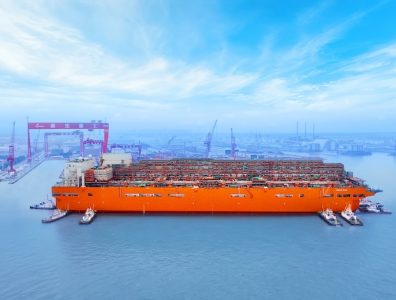
Argentina getting into the global LNG market carries economic implications. It has the potential to reshape national revenue streams, strengthen the macroeconomic look, and catalyze long-term investment. LNG provides Argentina with a new source of currency during tough economic times. Its growth raises fiscal inflows through hydrocarbon royalties, export taxes, corporate taxes, and employment-related tax contributions. This increased demand will lead to expansion of LNG infrastructure. This in turn stimulates job creation in drilling, pipeline construction, coastal liquefaction plants, FLNG vessels, and port upgrades. LNG expansion supports manufacturing, metalworks, engineering firms, and transport companies.
Functions of automatic deadends in floating LNG vessels in Argentina
Automatic dead ends allow for faster and easier installation compared to traditional compression. They allow quick installation, which reduces maintenance time and reduces operational downtime. Automatic deadends provide a secure and full-tension termination, which is vital for maintaining the structural integrity of the supported systems. Here are the functions of the automatic dead ends in LNG infrastructure in Argentina.
- Securing mooring under dynamic conditions—automatic deadends anchor the vessel’s mooring lines in a controlled way. They help hold the FLNG unit steady against waves, wind, and currents to maintain safe LNG transfer operations.
- Remote release during emergencies—the deadends allow rapid disconnection of mooring lines such as sudden weather shifts.
- Tension and load control—most systems integrate sensors that track mooring-line loads. They prevent automatic release of tensions that exceed safe limits.
- Enhanced stability for LNG loading and offloading—stable mooring ensures the cryogenic hoses and loading arms remain aligned. They help ensure safe pressure, flow, and structural balance during transfer operations.
- Integration with vessel safety systems—Automatic dead-end link with control systems to enable coordinated line release.
Innovations in technology backing Argentina’s LNG industry
Argentina is embracing technological advancements to boost efficiency, reduce expenses, and increase reliability. These technologies position Argentina as a developing global supplier of LNG. These technologies comprise:
- Sophisticated shale extraction methods—the implementation of drilling practices—enable consistent production. These consist of extended horizontal wells, multi-phase hydraulic fracturing, and automated drilling equipment.
- Contemporary gas collection and compression methods—innovative midstream systems enhance flow dependability. They comprise efficient compressors, intelligent pipeline monitoring, and sensors for predictive maintenance.
- Technologies for liquefaction in the next generation—these consist of modular liquefaction systems, enhanced mixed-refrigerant cycles, and electrically driven compressors. They render export projects both technically and financially workable.
- Floating LNG—floating storage units offer capacity for buffering and flexible scheduling options. It also features high-integrity LNG transfer systems that ease secure ship-to-ship loading.
- Sophisticated power and safety technologies—the LNG chain requires electrical and safety systems, comprising automatic deadends and power distribution equipment. These systems ensure secure, continuous operations for export obligations.