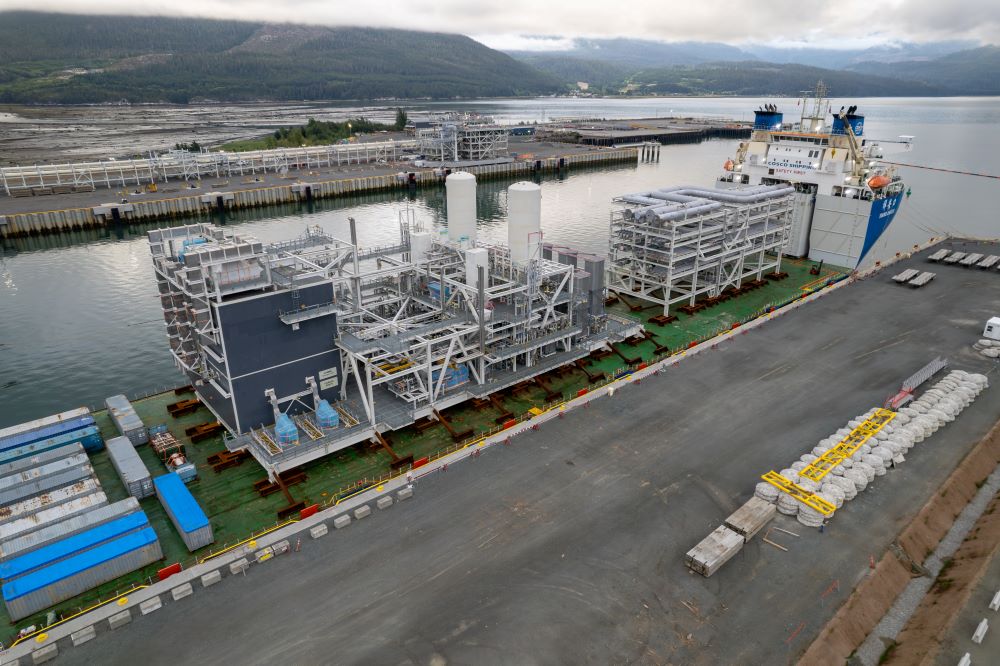
Argentina is expanding its LNG exports thanks to unconventional gas resources and fresh foreign investment. Argentina’s LNG industry focuses on transforming inland shale gas production into traded liquefied natural gas. This might position the country as a competitive supplier in Asia and Europe. Argentina’s Vaca Muerta shale formation provides a long-term gas supply capable of sustaining LNG projects. Floating LNG units are also becoming more popular because they need less upfront investments and prevent social and environmental issues. FLNGs are placed offshore and connected to coastal gas receipt stations via subsea pipes. This leads to the building of infrastructure for LNG export. This comprises gas pipelines, compressor stations, mooring systems, and high-voltage power grids. Such developments need the usage of sturdy components such as cable suspension bolts.
Suspension bolts perform mechanical, electrical, and safety roles in the power transmission systems that power the LNG chain. The bolts connect the suspension clamps to the insulator string, and the insulator string to the transmission tower arm. They assist in transferring all mechanical loads from the heavy conductor to the insulator and then to the transmission tower’s steel frame. The proper configuration of the fasteners allows for regulated swing and movement of the insulator string. This is critical for both thermal expansion and contraction of the conductor, as well as wind-induced motion. This reduces the transfer of unnecessary stress to the tower.
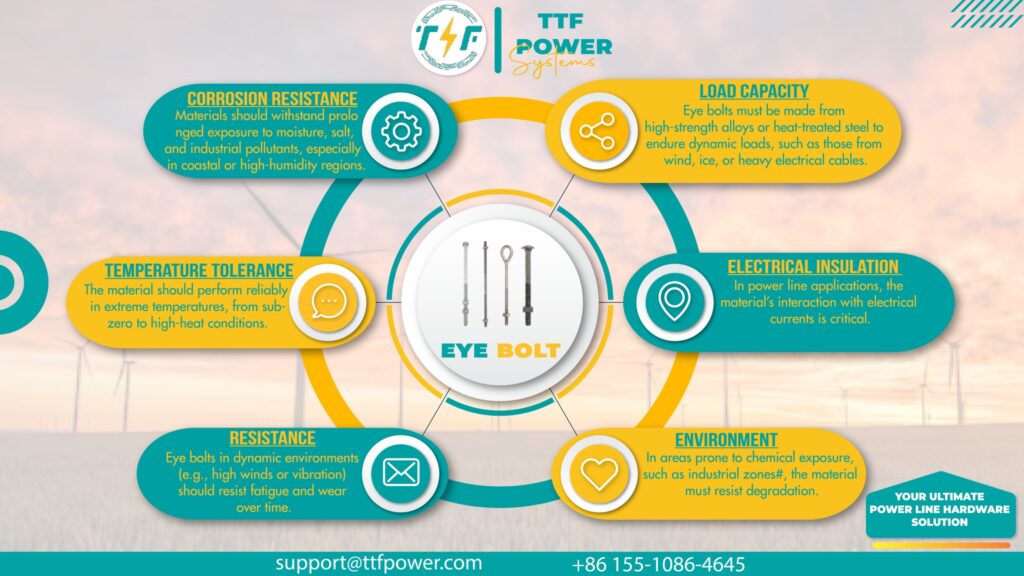
Cable suspension bolts are necessary for the clevis and ball-and-socket connections between metal tower components and insulator hardware. Their design ensures a defined and adequate creepage distance to prevent electrical arcing. Cable suspension bolts serve to create a controlled grounding channel for leakage currents. This is also critical for system protection and lightning arrester effectiveness.
Key efforts taken to address LNG export issues in Argentina
Argentina’s LNG business could put in place some actions to remove the main impediments to export prospects. These solutions could include pipeline and midstream expansion, an FLNG-based development plan, and regulatory and fiscal reforms. It also covers the building and extension of grid and power infrastructure enhancements. This is critical to maintaining a consistent electrical supply. The sector must also secure environmental and social safeguards, as well as international collaboration, to have better access to financing markets.
Cable suspension bolts in Argentina’s LNG export system
Cable suspension bolts ensure mechanical, electrical, and operational safety for control networks supporting LNG export operations. The bolts maintain the stability, load transfer, and long-term integrity of the hung conductors. Suspension bolts hold electrical and control cables. This facilitates the delivery of power to liquefaction, compression, storage, and export systems. The following are the functions of cable suspension bolts in Argentina’s LNG export infrastructure.
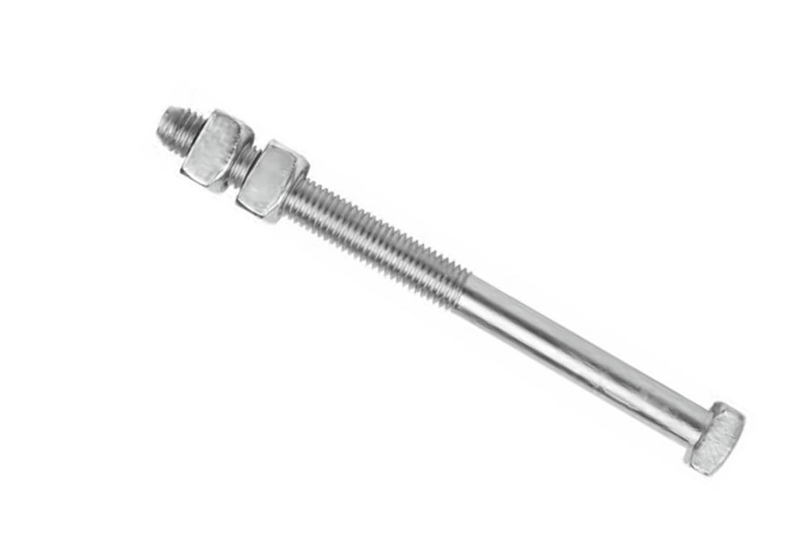
- Structural anchoring of overhead conductors—cable suspension bolts secure suspension clamps, brackets, and insulator strings. This is crucial for transmission towers supplying LNG terminals. Utility poles feeding compressor stations and cable trays within gas processing plants.
- Load-bearing stability—suspension bolts sustain cyclic loads and dynamic tension variations. They also prevent fatigue cracking and hardware loosening that could destabilize live conductors.
- Maintaining electrical clearance—the bolts maintain precise positioning of conductors. They ensure enough ground and structure clearances in the infrastructure. This is crucial to reduce the risk of arcing, flashover, and ignition in flammable atmospheres.
- Integration with vibration and stress management systems—cable suspension bolts act as connection points for dampers, spacers, and helical rods. These connections suppress aeolian vibration and galloping in overhead lines supplying power to LNG plants.
Challenges limiting LNG exports in Argentina
Argentina’s LNG export plans face a complicated set of technical, financial, regulatory, and geopolitical obstacles. These impediments cause delays and increase project execution risks in Argentina. To ensure the success of LNG exports, Argentina should focus on infrastructure synchronization, regulatory stability, competitive finance, and strict environmental stewardship. Using cable suspension bolts allows for tailored technical solutions that address infrastructure and operational concerns. These barriers include:
- Infrastructure limitations—there is a mismatch in gas production and export infrastructure in the country. This creates scheduling risk between upstream gas availability and export readiness.
- Capital intensity and financing risk—LNG export projects need capital commitments for floating LNG units, subsea pipelines, and marine infrastructure demand.
- Domestic gas supply and export demand—the industry shouldbalance internal energy security with export. Policymakers should ensure that export commitments do not undermine domestic supply.
- Global LNG market competition—there are already established exporters with mature infrastructure and lower financing costs.