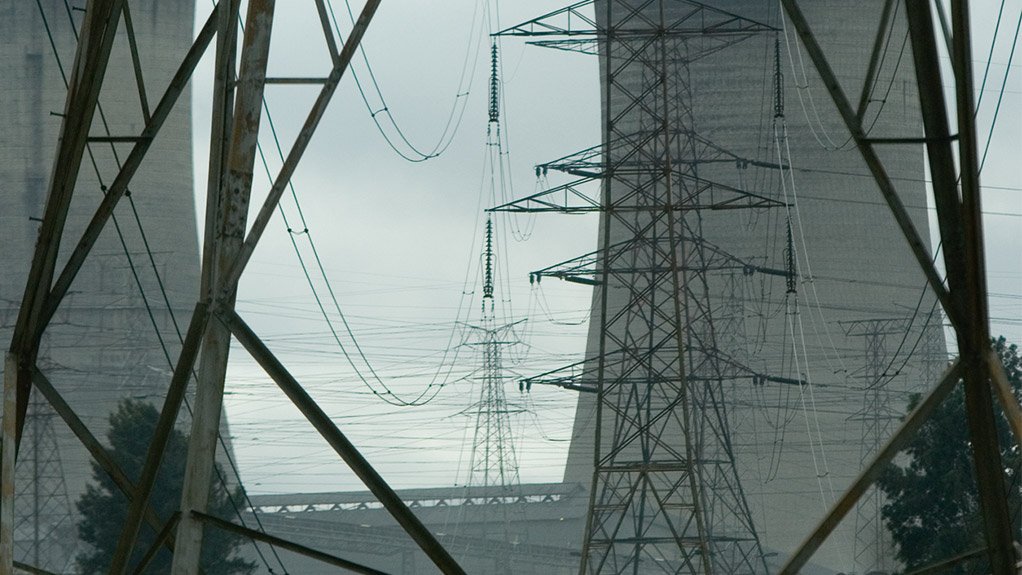
According to the Chilean Renewable Energy and Storage Association (ACERA), Chile has consolidated its renewable electricity mix. It now confronts structural constraints due to grid congestion, curtailment, and increased flexibility requirements. In 2025, the National Electric System produced 87 TWh, with renewables representing for 63.3% of the total output. Other renewable energy contributed for 42.4% of generating, with energy storage accounting for 65.5% of total supply. Expanding high-voltage transmission, using modern grid management technologies, and integrating flexible demand are all necessary to address grid congestion. Long-term grid expansion seeks to address structural bottlenecks through battery storage integration, hydrogen development, and dynamic transmission planning. B-strand connectors contribute to the expansion of the transmission grid to handle increased renewable capacity. The connectors ensure the safety, reliability, and mechanical integrity of the power lines transmitting electricity from new renewable energy sources.
B-strand connections connect the steel support strand to the grounding system of a utility pole or transmission structure. They provide a dependable path to ground, allowing for the quick and regulated dissipation of fault currents. This helps to protect equipment and enables protection systems to function properly. B-strand connections act as a bonding point, redirecting lightning strikes and transients away from the structure and into the ground. They are critical to lowering the danger of flashovers and equipment damage. The connectors provide a secure mechanical engagement that ensures contact integrity under stress. They offer reliable grounding, allowing protective relays and control systems to operate accurately. This is critical for a modernized grid with a large percentage of variable renewable output.
Quality assurance of B-strand connectors in Chile’s transmission grid expansion
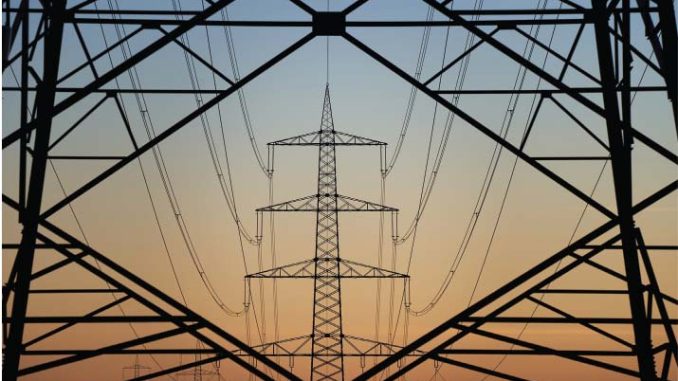
B-strand connectors are mechanical components that connect stranded conductors in overhead transmission networks. They are used in 220 and 500 kV overhead lines, substation interconnections, dead-end assemblies, and splice applications for conductor extensions. The connectors ensure low-resistance electrical continuity, can bear mechanical tensile loads, and retain conductor integrity throughout heat cycling. B strand connections should meet international and national requirements. Connector quality verification contributes to the reinforcement of high-voltage lines, reducing renewable congestion and integrating new solar and wind capacity. The assurance process includes raw material verification, dimensional accuracy, tensile strength testing, fatigue testing, and electrical resistance testing. Ensuring quality assurance for B-strand connectors supports transmission capacity reliability, renewable integration stability, reduced maintenance costs, and extended asset lifecycle.
B-strand connectors play significant roles in Chile’s transmission system growth
B strand connectors provide structural and electrical continuity for Chile’s transmission grid expansion. The connectors are used on the new 220 kV and 500 kV lines that were built to reduce renewable congestion. They also aid with the transmission of solar power from northern generation zones to central demand areas. Here are the functions of B-strand connectors in transmission line expansion.
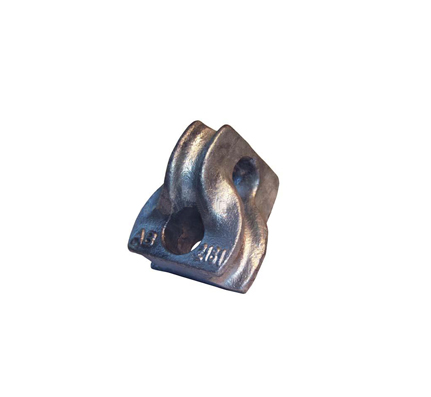
- Electrical continuity and low-resistance conduction—the B-strand connector establishes a stable, low-resistance electrical path between stranded conductors. Proper conductor installation reduces contact resistance to prevent energy losses and thermal runaway.
- Mechanical load transfer and tensile integrity—B-strand connectors transfer full conductor tensile loads without slippage. They maintain rated tensile strength, prevent strand deformation, and distribute stress across compression zones.
- Thermal expansion accommodation—the strand connectors withstand cyclical thermal expansion, maintain compression integrity, and prevent micro-movement between strands.
- Reliability support for renewable integration—B-strand connectors ensure stable bulk power transfer, support grid reinforcement projects, and reduce outage risk in congested grids.
Common causes of grid and energy curtailments in Chile
Grid and energy curtailment in Chile are caused by renewable power capacity growing faster than transmission, flexibility, and demand-side response. This forces system operators to reduce output from existing facilities. This helps to ensure frequency stability, voltage restrictions, and transmission security margins. These causes include:
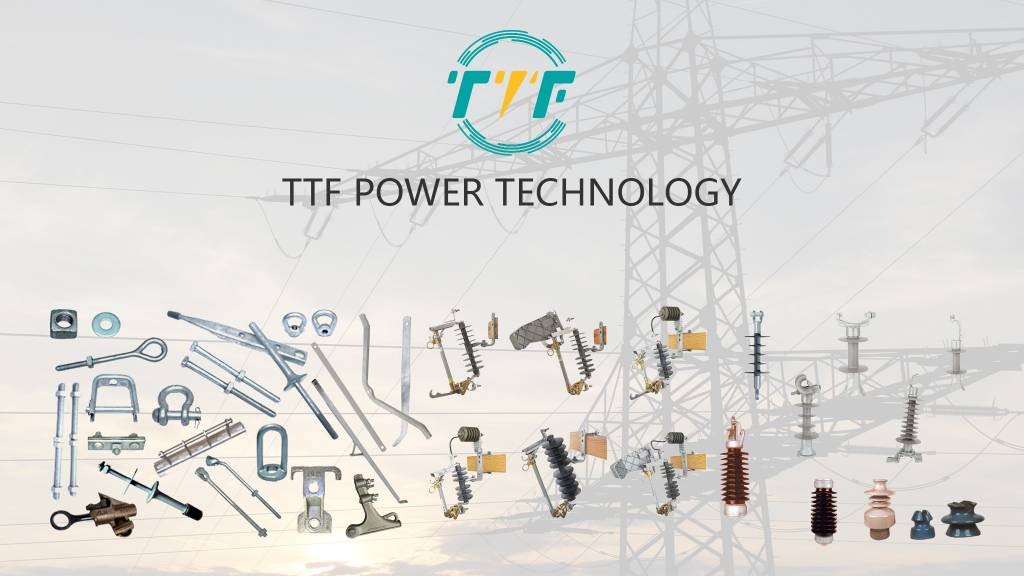
- Transmission congestion—this arises from increased generation when transmission lines reach capacity. This leads to 500 kV backbone reinforcement delays, substation upgrade bottlenecks, and prolonged environmental permitting.
- Rapid renewable capacity growth—with expanded solar and wind capacity in Chile, supply exceeds demand, marginal prices collapse, and solar dispatch is curtailed.
- Limited energy storage deployment—BESS may help absorb midday surpluses and shift them to evening peak demand. Storage helps reduce renewable energy curtailment and dispatchable generation flexibility.
- Grid stability and operational constraints—operational security requirements can cause voltage control limits, frequency regulation margins, and reactive power imbalances.