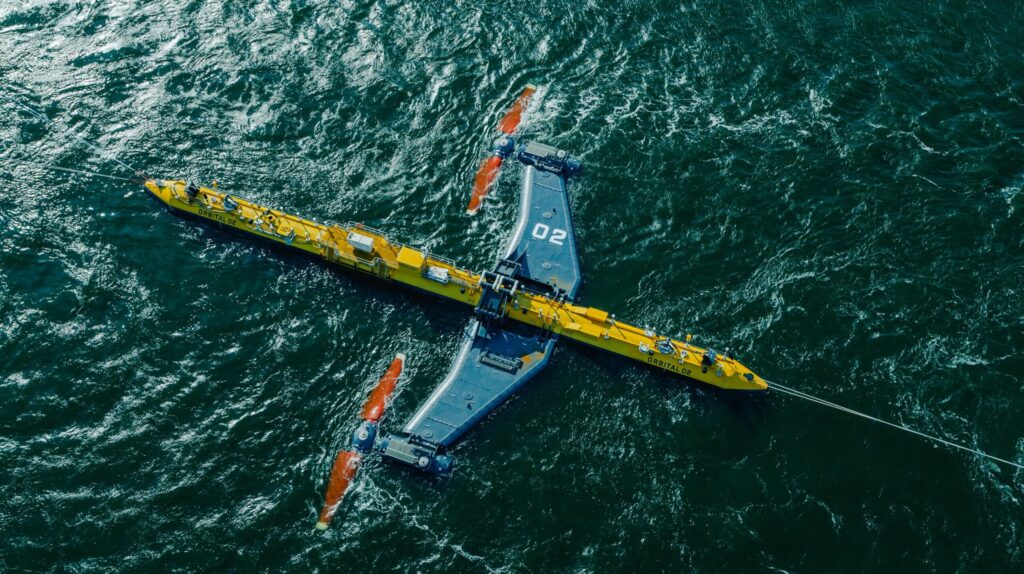
Minesto, an ocean energy developer, has signed a memorandum of understanding with Trayen Power, a Chilean project developer, to work together on tidal and ocean current energy projects. Chile offers world-class tidal and ocean current resources. The agreement provides a platform for Minesto and Trayen Power to explore commercial potential for Minesto’s Dragon Class technology in Chile. The goal is to create tidal and ocean current energy production, which will provide sustainable electricity to the grid. It could also help Chile harness its vast maritime energy potential to supplement solar, wind, and hydropower energy. It also helps develop renewable electricity projects for utility grids and local industrial energy users. These connections will depend on robust hardware components such as grounding components, cable termination hardware, and transmission fittings. No wrench screw anchors act as grounding anchors for mooring floating marine energy devices.
No wrench screw anchors in marine renewable energy enable a secure mooring for floating wind turbines, wave energy converters, and tidal turbines. The anchoring methods keep the gadgets in place during operation and storms. The mooring lines are held in place by no wrench screw anchors despite the complicated vertical and lateral strains generated by the floating gadget. It screws into the soil, producing little noise and vibration. This is less disturbing to marine mammals than driving big monopiles. Furthermore, the anchors provide stability for grid technologies and infrastructure that support tidal technologies. The mooring system ensures the floating turbine stays in the optimal position relative to the tidal stream to generate consistent power.
Quality assurance for no wrench screw anchors used in tidal and ocean technologies
No wrench screw anchors are used in tidal and ocean energy infrastructure to secure equipment and supporting structures under harsh sea conditions. Properly specified and validated anchoring solutions improve installation efficiency, structural stability, and operational dependability. No wrench or screw anchors give a secure attachment that does not need a typical tool to install. The anchors provide support for constructions, equipment mounting, cable management, and auxiliary uses.
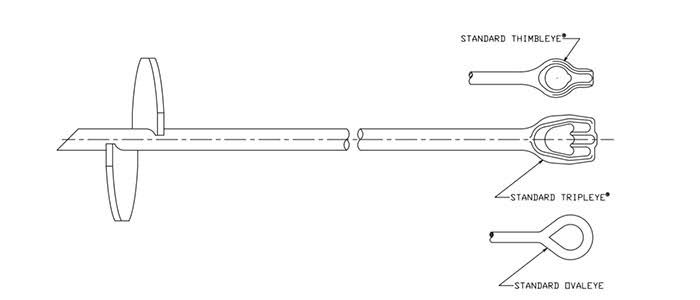
Their performance in marine energy projects is determined by the exact anchor design, substrate, loading circumstances, and corrosion prevention system. Quality assurance for anchors includes material quality verification, dimensional accuracy, corrosion protection, mechanical load testing, and thread integrity. Quality assurance for manufacturing processes covers incoming material inspection, process control, and inspection and testing. QA for the anchors reduces the risk of failure in equipment mounting and auxiliary support systems.
No wrench screw anchors in tidal and ocean current technologies in Chile
Chile’s maritime energy provides chances to develop tidal and ocean current technologies to supplement traditional renewable electricity generating. Screw anchors without a wrench are useful for equipment mounting, auxiliary constructions, and specific fastening applications. Here are their primary responsibilities in tidal and ocean current technologies.
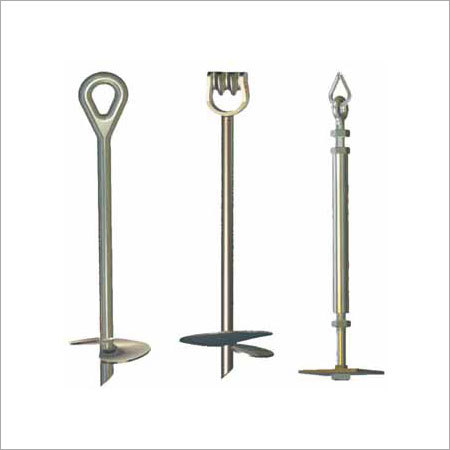
- Securing auxiliary equipment and support structures—no wrench screw anchors secure auxiliary equipment and support tidal and ocean current energy installations. They offer mechanical stability, installation consistency, reduced installation effort, and equipment protection.
- Supporting cable management and electrical infrastructure—tidal and ocean current energy systems need electrical cables, monitoring equipment, and connections between underwater generation units. The screw anchors provide cable-support stability, protection of electrical connections, and organized installations.
- Providing reliable fastening in harsh marine conditions—no wrench screw anchors in these technologies ensure corrosion resistance, mechanical integrity, and operation reliability.
- Supporting maintenance and lifecycle cost management—the screw anchors provide reliable fastening and convenient access for compatible maintenance tasks. This ensures less repair work, easier inspection, reduced downtime, and better maintenance planning.
Infrastructure to construct ocean energy projects in Chile
The adoption of Dragon Class technology will need integrated marine, electrical, grid, and monitoring infrastructure that can operate reliably in Chile’s coastal environment. The infrastructure includes the following:
- Marine energy conversion systems—this system converts the kinetic energy of moving seawater into electricity. The technologies include tidal-stream turbines, ocean-current turbines, and Minesto’s Dragon Class underwater kite system.
- Marine surveys and site-assessment infrastructure—this includes acoustic Doppler current profilers, bathymetric survey systems for mapping the seabed, and wave, tide, and meteorological monitoring instruments.
- Subsea cables and electrical transmission infrastructure—generated electricity is transferred safely and efficiently to the point of consumption. The electrical infrastructure will include submarine power cables, cable protection systems, protection equipment, and no wrench or screw anchors.